AI-Assisted VGM and Cargo Manifest Checks for Ports
Verified Gross Mass declarations and cargo manifests are governed by strict rules, but most discrepancies come from manual, fragmented processes rather than bad actors. This article explains what AI-assisted document intelligence actually does for VGM and manifest verification, and where it fits into existing port and freight workflows.

AI-assisted document intelligence can extract weight figures, reference numbers, and container IDs from weighbridge dockets, Verified Gross Mass (VGM) declarations, and manifest paperwork — then automatically cross-check those figures against each other and flag discrepancies before a container is booked for loading. That's the direct answer to what this technology does. The rest of this article explains the regulatory problem it solves and where it fits into an existing port or freight-forwarding workflow.
We'll be upfront: AI-specific tooling built for VGM or manifest verification is still an emerging application in Australian freight — not a mature, off-the-shelf category. What follows is an honest look at the regulatory problem and the document intelligence capabilities that are the logical fit for it.
What Is Verified Gross Mass (VGM) and Why Does It Matter?
Verified Gross Mass is the total weight of a packed container plus its contents, calculated and declared by the shipper before the container is loaded onto a vessel. It's a requirement under SOLAS Chapter VI, Regulation 2, which has applied globally since July 2016. In Australia, the Australian Maritime Safety Authority (AMSA) oversees SOLAS compliance, and terminal operators will not load a container onto a vessel without a valid VGM on file.
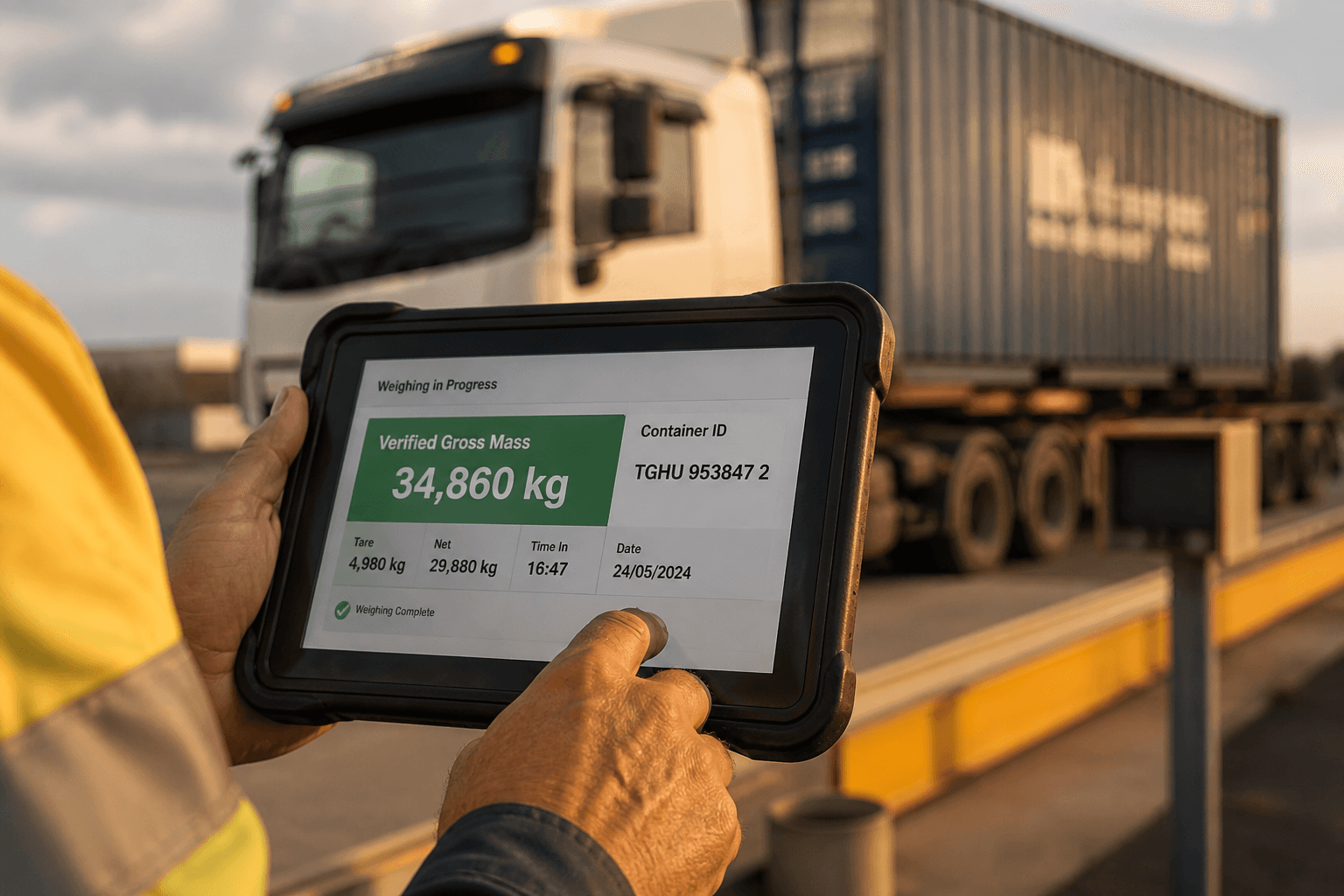
The rule exists because incorrect container weights have historically contributed to vessel stability incidents, container stack collapses, and road transport overloading. Shippers can calculate VGM by weighing the packed container as a whole (Method 1) or by weighing contents and adding the tare weight (Method 2). Either way, the declared figure has to be accurate, documented, and submitted within the shipping line's cut-off — and it has to match, or at least reconcile against, what's recorded elsewhere in the shipment paperwork.
Why Is Cargo Manifest Accuracy a Separate but Related Problem?
A cargo manifest is the document listing everything on a vessel, voyage, or consignment — descriptions, weights, quantities, consignor and consignee details, and (where relevant) dangerous goods classifications. It's a distinct legal document from the VGM declaration, but the two are closely linked: discrepancies between a manifest's declared weight and the VGM on file are exactly the kind of mismatch that customs, border, and port authorities flag.
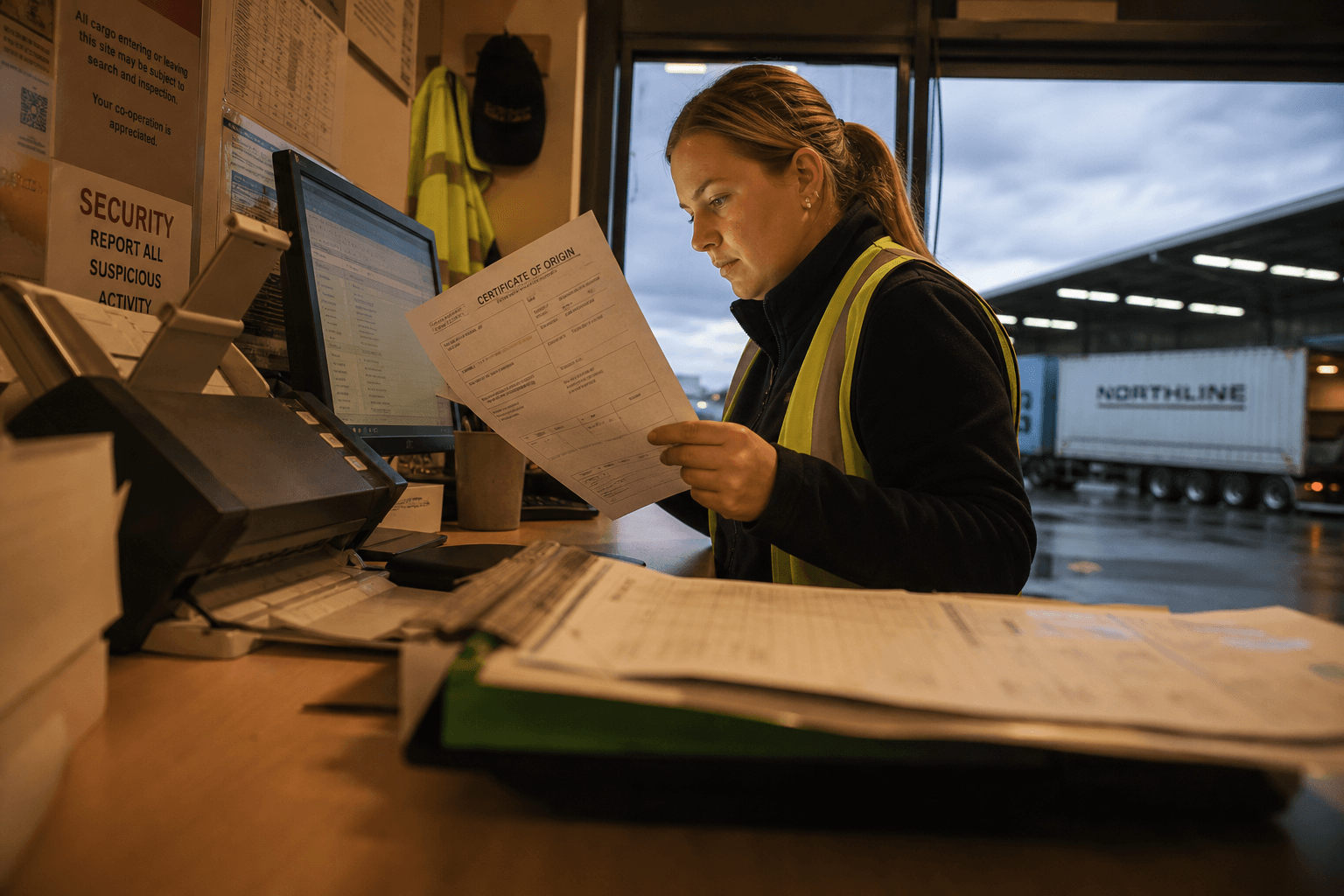
Manifest data is typically compiled from multiple sources — booking confirmations, packing lists, weighbridge dockets, and shipper-submitted paperwork — often in different formats, from different parties, at different points in the process. That's where accuracy problems creep in. A typo in a packing list, a weighbridge docket that doesn't match the booking reference, or a manifest line item copied from an outdated version of a spreadsheet can all produce a mismatch that surfaces only at the terminal gate or during an audit.
Where Do VGM and Manifest Checks Break Down Today?
Most VGM and manifest discrepancies aren't caused by bad actors — they're caused by manual, fragmented processes. Weighbridge dockets arrive as scanned PDFs or photos. VGM declarations get emailed as separate forms. Manifests are compiled in spreadsheets by someone cross-referencing multiple source documents by hand. Each handoff is a chance for a transcription error or an outdated figure to slip through.

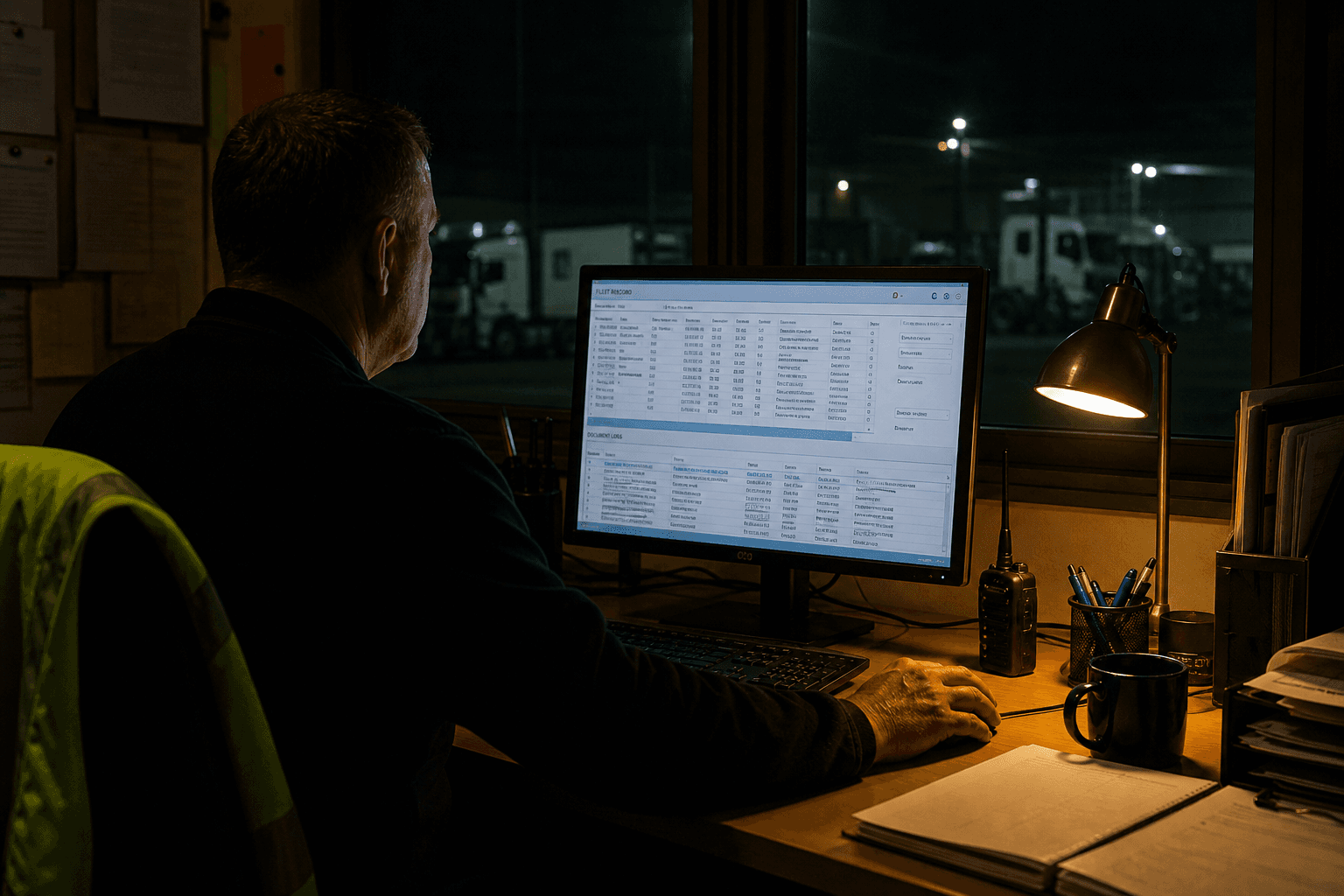
For freight forwarders and 3PLs handling container volumes across multiple shipping lines, the problem compounds: each carrier may have a slightly different VGM submission format, and reconciling that against internal booking and manifest systems is rarely automated. The result is a process that relies on someone noticing a discrepancy before the container reaches the terminal — not a system designed to catch it.
How Can AI Support VGM and Manifest Verification?
In practice, AI-assisted verification looks like this: scanning a weighbridge docket and a shipper's VGM declaration, pulling the weight figures from both, and flagging any variance before the container is booked for loading. Or comparing a manifest line item against the original packing list and booking confirmation to catch a mismatched reference number or weight discrepancy before it becomes a terminal rejection or a customs query.
This is the same category of capability already used to extract and normalise data from legacy TMS/WMS systems and other document-heavy logistics workflows, just applied to a port-specific compliance problem. None of this replaces the underlying TMS, booking system, or port community system — it sits on top, doing the cross-referencing a person would otherwise do manually, and surfacing exceptions for human review. If your operation is assessing how legacy systems handle this kind of document reconciliation today, our document intelligence work covers the same underlying approach: extraction, normalisation, and exception flagging, applied to whatever documents your operation actually produces.
Manual vs AI-Assisted Verification: What Changes?
| Aspect | Manual Process | AI-Assisted Process |
|---|---|---|
| Data entry | Staff re-key figures from PDFs, scans, and emailed forms | Figures extracted automatically from source documents |
| Cross-checking | Someone manually compares VGM, docket, and manifest figures | Figures are reconciled automatically, with variances flagged |
| Error detection | Discrepancies often surface at the terminal gate or during audit | Discrepancies are flagged before the container is booked for loading |
| Scalability | Each new carrier format adds manual handling | New document formats are extracted using the same underlying process |
| Audit trail | Depends on what was retained — emails, paper, spreadsheets | Structured records of what was extracted, compared, and flagged |
This isn't a claim that AI eliminates every error or replaces the judgement of experienced operations staff — it's a shift in where the effort goes. Instead of staff spending time re-keying and comparing figures, they review the exceptions the system surfaces, which is a better use of experienced people's time.
Where This Fits in a Broader Modernisation Plan
VGM and manifest verification is one document-heavy compliance problem among several that Australian freight, 3PL, and port-adjacent operators are dealing with at once — alongside things like emissions reporting obligations under AASB S2 and NGER, and the broader push toward route optimisation to manage fleet and freight costs. None of these problems are solved by a single tool. They're solved by understanding which manual processes are creating risk and cost in your specific operation, and applying the right technology to each one.
That's why we don't lead with a product pitch. An AI readiness assessment looks at your actual documents, systems, and workflows — weighbridge dockets, VGM processes, manifest compilation, whatever is relevant to your operation — and identifies where document intelligence or other AI-assisted capability would genuinely reduce manual effort and risk, versus where it wouldn't. For more on how we approach this kind of problem across logistics operations, see more insights on our blog.
If VGM and manifest accuracy is causing delays, rework, or compliance headaches in your operation, get in touch and we'll have a straightforward conversation about whether this is worth solving now.
Zero Footprint
The Zero Footprint team — AI modernisation for Australian logistics.