Edge Computing and IoT Architecture for Cold Chain Logistics
Edge computing and IoT architecture enables local processing of temperature data, immediate alerts, and reliable cold chain monitoring even during connectivity gaps common on Australian regional routes.
Edge Computing and IoT Architecture for Cold Chain Logistics
Cold chain logistics requires continuous temperature monitoring and real-time decision-making to maintain product integrity. Edge computing and IoT architecture enables local data processing, immediate alerts, and reliable operation even when connectivity is intermittent — critical for Australian regional routes.
What is Edge Computing in Cold Chain?
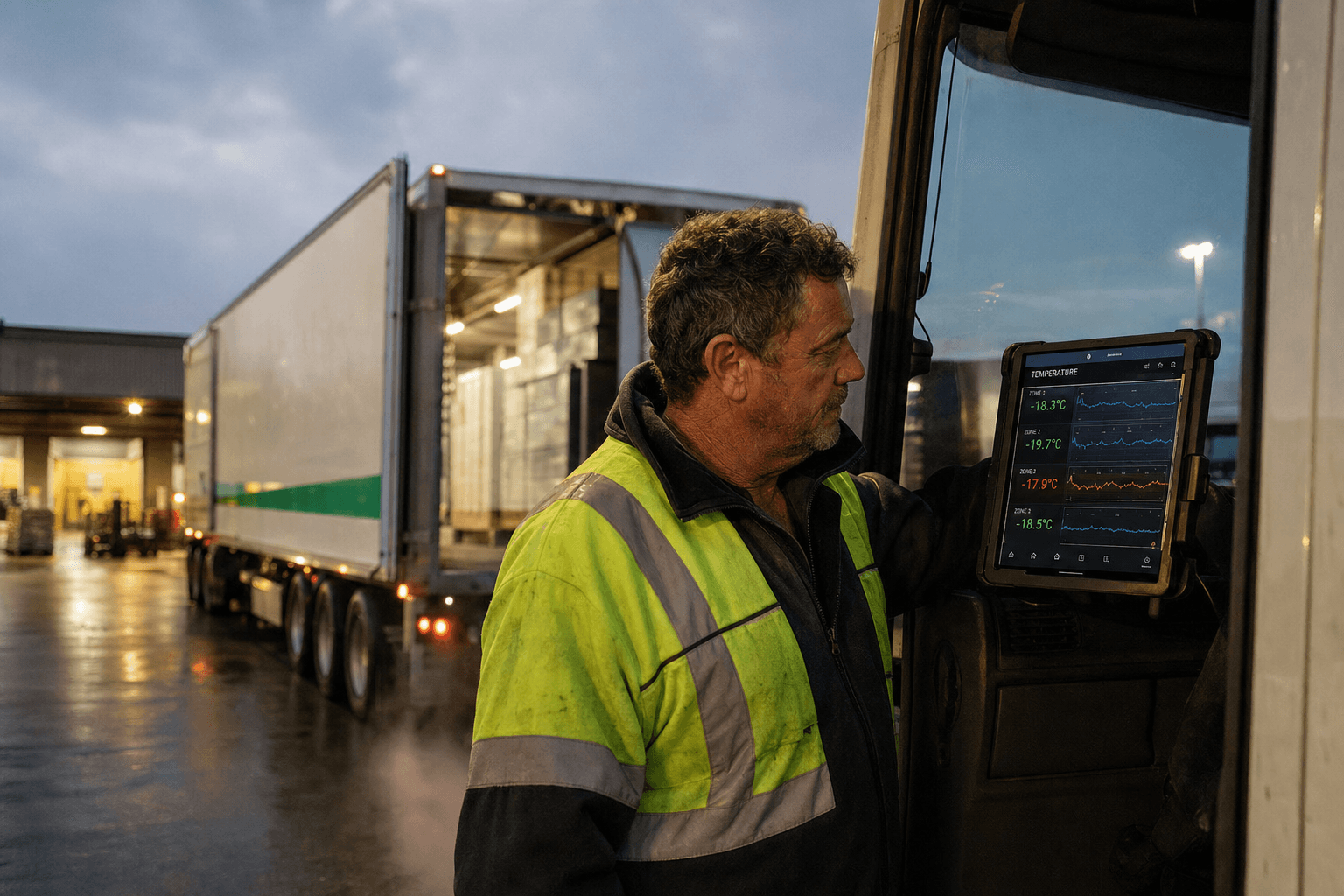
Edge computing in cold chain logistics refers to processing temperature, humidity, and location data locally on vehicles or at facilities, rather than sending all data to the cloud first. This architecture enables immediate responses to temperature excursions, reduces bandwidth requirements, and maintains operation during connectivity gaps common in regional Australia.
Core Architecture Components
Sensor Layer

Temperature sensors form the foundation of cold chain monitoring. Wireless sensors using protocols like LoRaWAN or Zigbee provide flexibility in trailer placement without extensive wiring. Battery-powered sensors with 2-3 year lifespans reduce maintenance overhead for fleet operators.
Humidity sensors complement temperature monitoring, particularly for pharmaceutical and fresh produce transport where moisture control affects product quality. Combined temperature-humidity sensors reduce installation complexity while providing comprehensive environmental monitoring.
Door sensors and GPS units add context to temperature data. Knowing when doors open or vehicle location helps distinguish between operational temperature changes and equipment failures.
Edge Gateway Design
Edge gateways installed on vehicles or at facilities collect sensor data and perform local processing. These units typically include:
- Multi-protocol radio support (LoRaWAN, Zigbee, Bluetooth)
- Local processing capability (ARM-based compute)
- Storage for offline data buffering
- Cellular connectivity (4G/5G)
- Power management for vehicle integration
The gateway runs lightweight AI algorithms to detect anomalies, predict equipment failures, and trigger immediate alerts without waiting for cloud connectivity.
Connectivity Strategies for Australia
Cellular Networks (4G/5G)
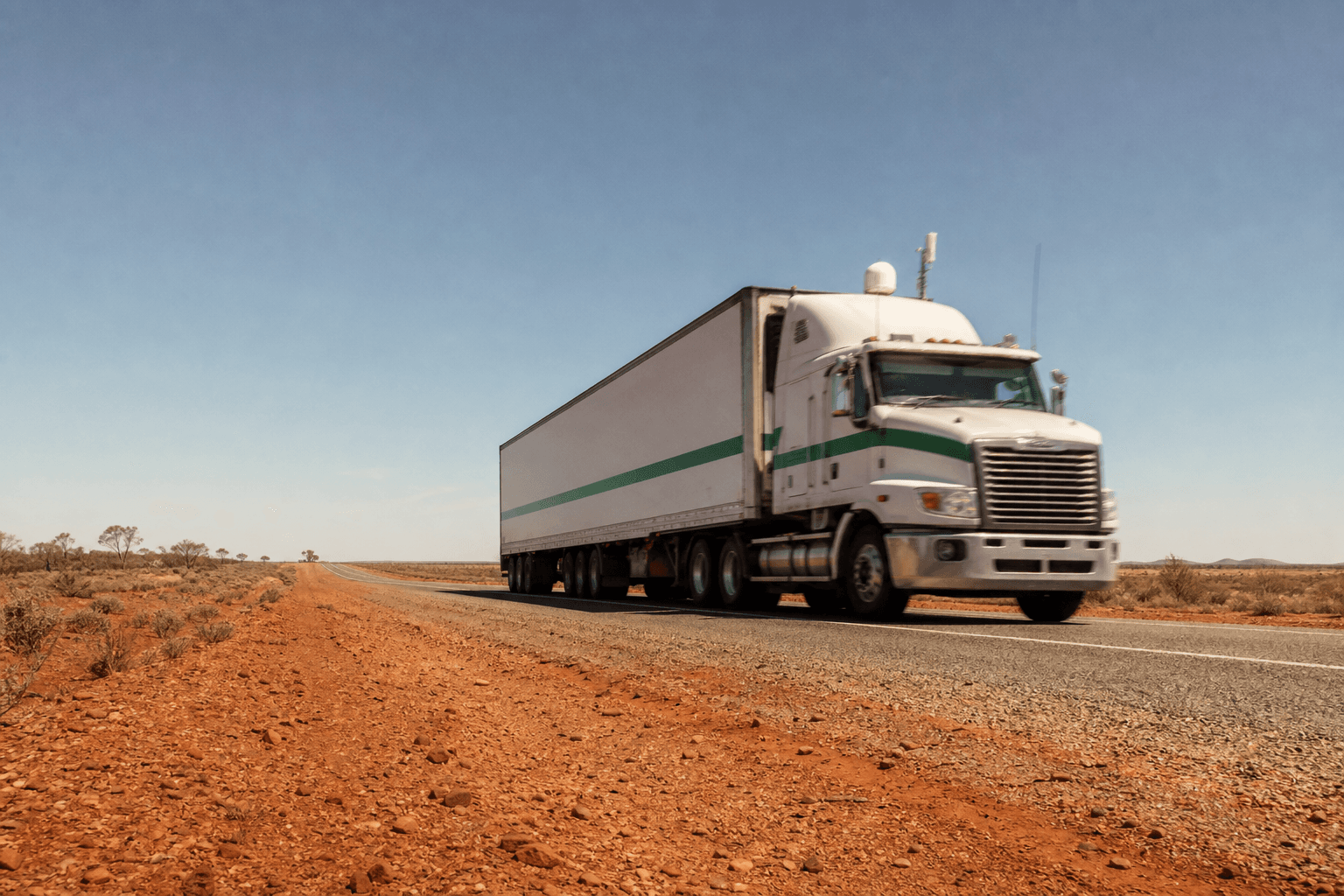
Cellular connectivity provides reliable data transmission in metropolitan areas. 4G coverage extends across most Australian freight corridors, while 5G offers lower latency for real-time applications in major cities.
Data transmission costs require careful management. Edge processing reduces bandwidth by transmitting summaries rather than raw sensor streams. Typical configurations send alerts immediately but batch routine data for transmission during off-peak periods.
Satellite Connectivity
Satellite connections cover remote areas where cellular networks are unavailable. Low Earth Orbit (LEO) satellite services like Starlink provide higher bandwidth than traditional geostationary satellites, though at higher cost.
For cost-effective satellite usage, edge systems compress data locally and transmit only critical alerts via satellite, with full data synchronisation when cellular connectivity returns.
Hybrid Connectivity Approach
Most robust architectures combine multiple connectivity options:
| Connectivity Type | Use Case | Coverage | Cost |
|---|---|---|---|
| 4G/5G Cellular | Primary data transmission | Major routes | Moderate |
| Satellite | Remote area coverage | Australia-wide | High |
| WiFi | Depot synchronisation | Facilities only | Low |
Local AI Inference Capabilities
Anomaly Detection
Edge AI algorithms identify temperature patterns that indicate equipment problems before complete failure. Machine learning models trained on historical data recognise subtle changes in cooling patterns that precede compressor failures or refrigerant leaks.
Local inference enables immediate alerts without cloud dependency. A temperature rise outside normal parameters triggers instant notifications to drivers and dispatchers, enabling rapid response to protect cargo.
Predictive Maintenance
Edge computing enables predictive maintenance by analysing equipment performance data locally. Vibration sensors on refrigeration units, combined with temperature trends, help predict mechanical failures.
This approach reduces unexpected breakdowns and extends equipment life by scheduling maintenance based on actual condition rather than fixed intervals.
Cloud Synchronisation Strategies
Data Prioritisation
Effective cloud sync strategies prioritise critical data for immediate transmission while batching routine data. Alert conditions transmit instantly, while routine temperature logs sync during scheduled windows.
Data compression reduces transmission costs. Edge systems can aggregate hourly averages for routine reporting while maintaining full resolution data locally for detailed analysis when needed.
Offline Operation
Edge systems must operate effectively during connectivity outages. Local storage buffers data for transmission when connectivity returns, while critical decisions continue based on local AI processing.
Typical implementations store 24-48 hours of sensor data locally, providing resilience for extended connectivity gaps in remote areas.
Australian Regional Connectivity Challenges
Coverage Gaps
Australian freight routes often traverse areas with limited cellular coverage. The Perth to Adelaide route, for example, includes substantial gaps in mobile network coverage requiring satellite backup or extended offline operation.
Edge architecture addresses these gaps by maintaining full monitoring capability during connectivity outages. Critical alerts queue for transmission when connectivity returns, ensuring no temperature excursions go unrecorded.
Network Latency
Satellite connections, while providing wide coverage, introduce latency that makes real-time cloud processing impractical. Edge computing eliminates this constraint by processing data locally.
For time-critical applications like pharmaceutical transport, local processing ensures immediate response to temperature excursions regardless of connectivity conditions.
Cost Management
Data transmission costs in remote areas can be substantial. Edge processing reduces these costs by:
- Transmitting summaries rather than raw data streams
- Compressing routine data for batch transmission
- Using cellular networks preferentially over satellite
- Scheduling non-critical uploads during off-peak periods
Implementation Considerations
Power Management
Vehicle-based edge systems require careful power management to avoid battery drain during stationary periods. Low-power processors and intelligent sleep modes extend operation without compromising monitoring capability.
Solar panels can supplement power for extended stationary periods, particularly useful for intermodal containers that may sit for days without vehicle power.
Environmental Hardening
Australian conditions demand robust hardware. Temperature extremes, dust, and vibration require industrial-grade components rated for automotive use.
IP67 or higher ingress protection prevents dust and moisture damage, while wide operating temperature ranges ensure function in diverse Australian climates.
Integration with Existing Systems
Successful implementations integrate with existing transport management systems (TMS) and warehouse management systems (WMS). APIs enable data sharing without requiring complete system replacement.
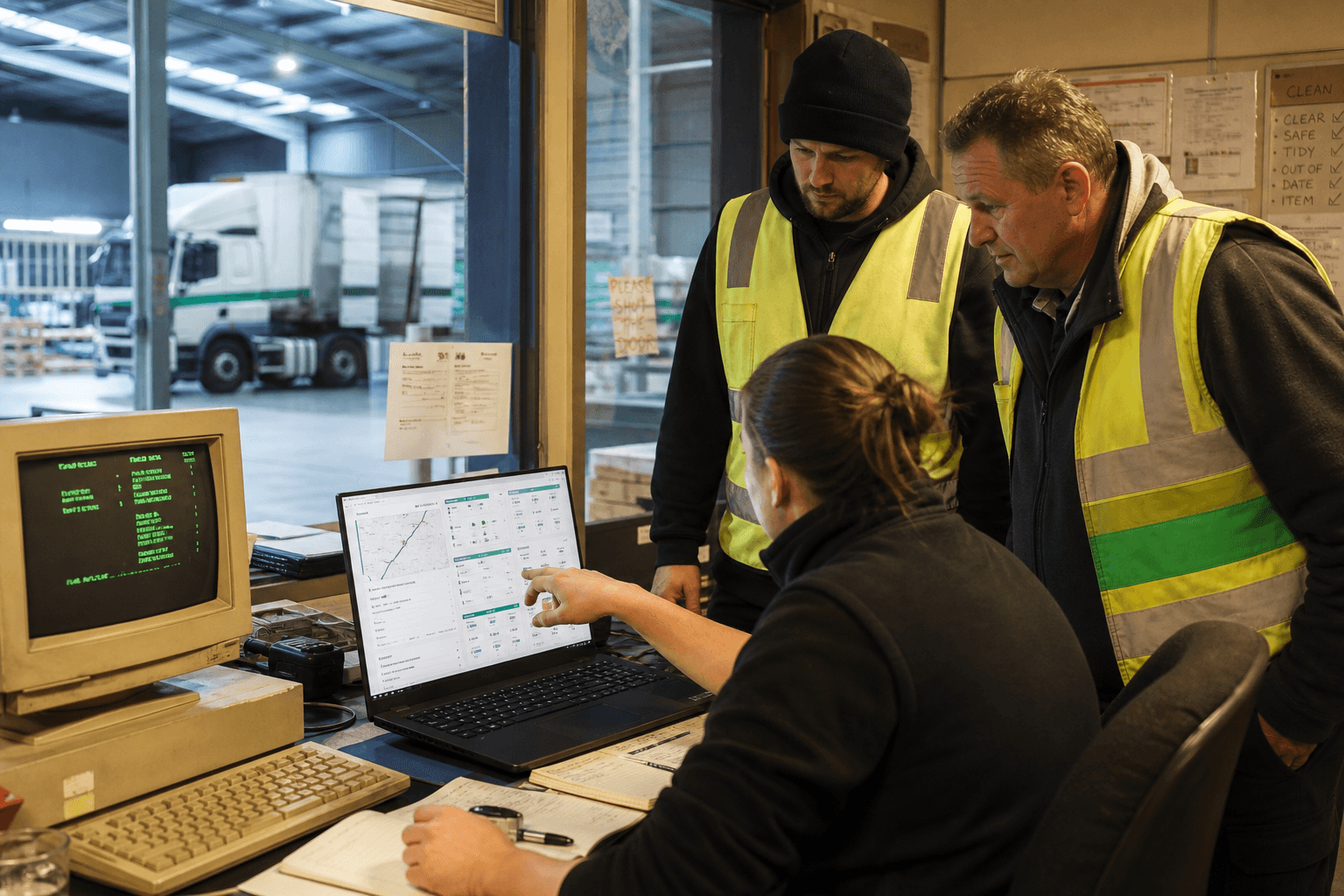
Many Australian carriers use legacy systems that lack native IoT integration. Edge gateways can bridge this gap by formatting data for existing systems while providing modern monitoring capabilities.
Getting Started with Cold Chain IoT
Implementing edge computing and IoT for cold chain requires careful planning around your specific routes, cargo types, and existing systems. The architecture must balance functionality with cost while addressing Australia's unique connectivity challenges.
If you're exploring edge computing for your cold chain operations, our AI readiness assessment can help identify the right architecture for your fleet and routes. Get in touch to discuss how edge computing can improve your cold chain reliability and compliance.
Zero Footprint
The Zero Footprint team — AI modernisation for Australian logistics.