Event-Driven Architecture for Freight Operations
Event-driven architecture transforms freight operations by enabling real-time responses to shipments, deliveries, and capacity changes. Australian logistics companies are adopting these patterns to meet customer demands for immediate visibility.
Event-Driven Architecture for Freight Operations
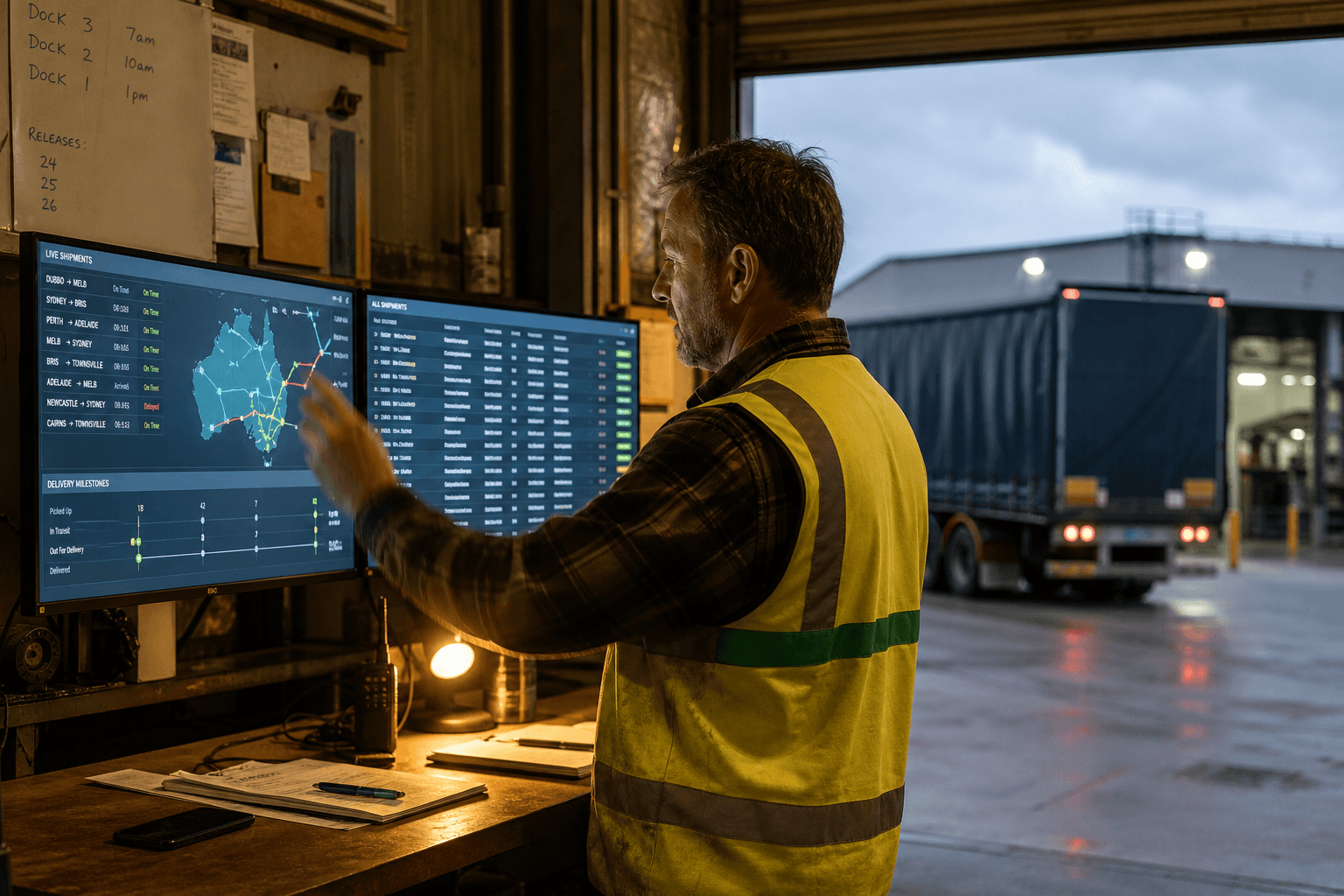
Event-driven architecture (EDA) transforms freight operations by enabling real-time responses to business events as they occur, replacing the delays and data inconsistencies of traditional batch processing systems. Instead of periodic updates every few hours, modern freight operations can react instantly to shipment milestones, delivery exceptions, and capacity changes.
Australian freight operators are increasingly adopting EDA to meet customer demands for real-time visibility and to coordinate complex multi-party logistics workflows more effectively.
What Is Event-Driven Architecture in Freight Operations?
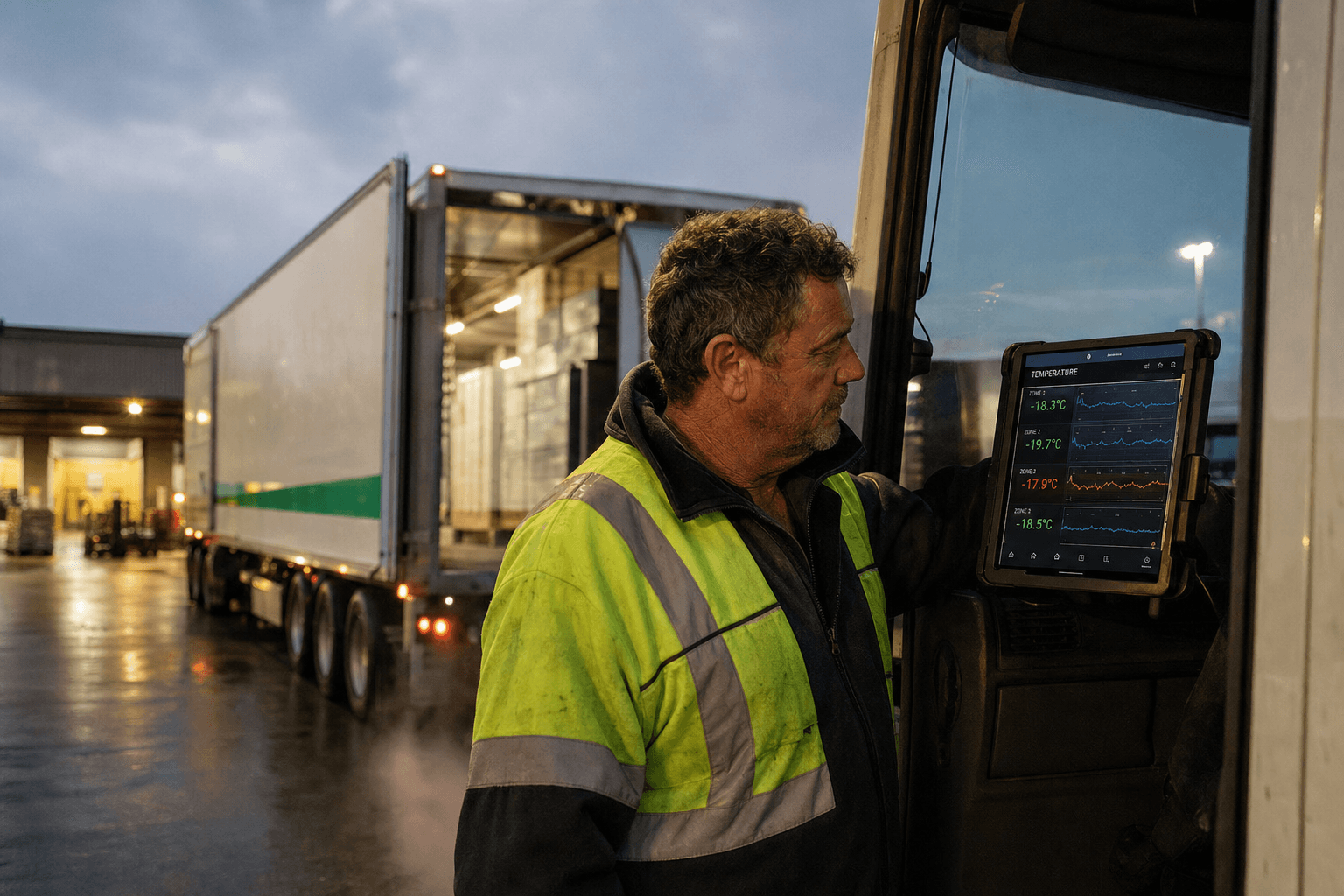
Event-driven architecture is a software design pattern where business events trigger immediate responses across multiple systems and stakeholders. In freight operations, an event might be a truck departing the depot, a delivery being completed, or a temperature threshold being exceeded in a cold chain shipment.
Unlike traditional request-response systems that require constant polling for updates, EDA systems publish events to interested subscribers automatically. This creates a more responsive and scalable logistics ecosystem.
Event Sourcing for Shipment Lifecycle Management
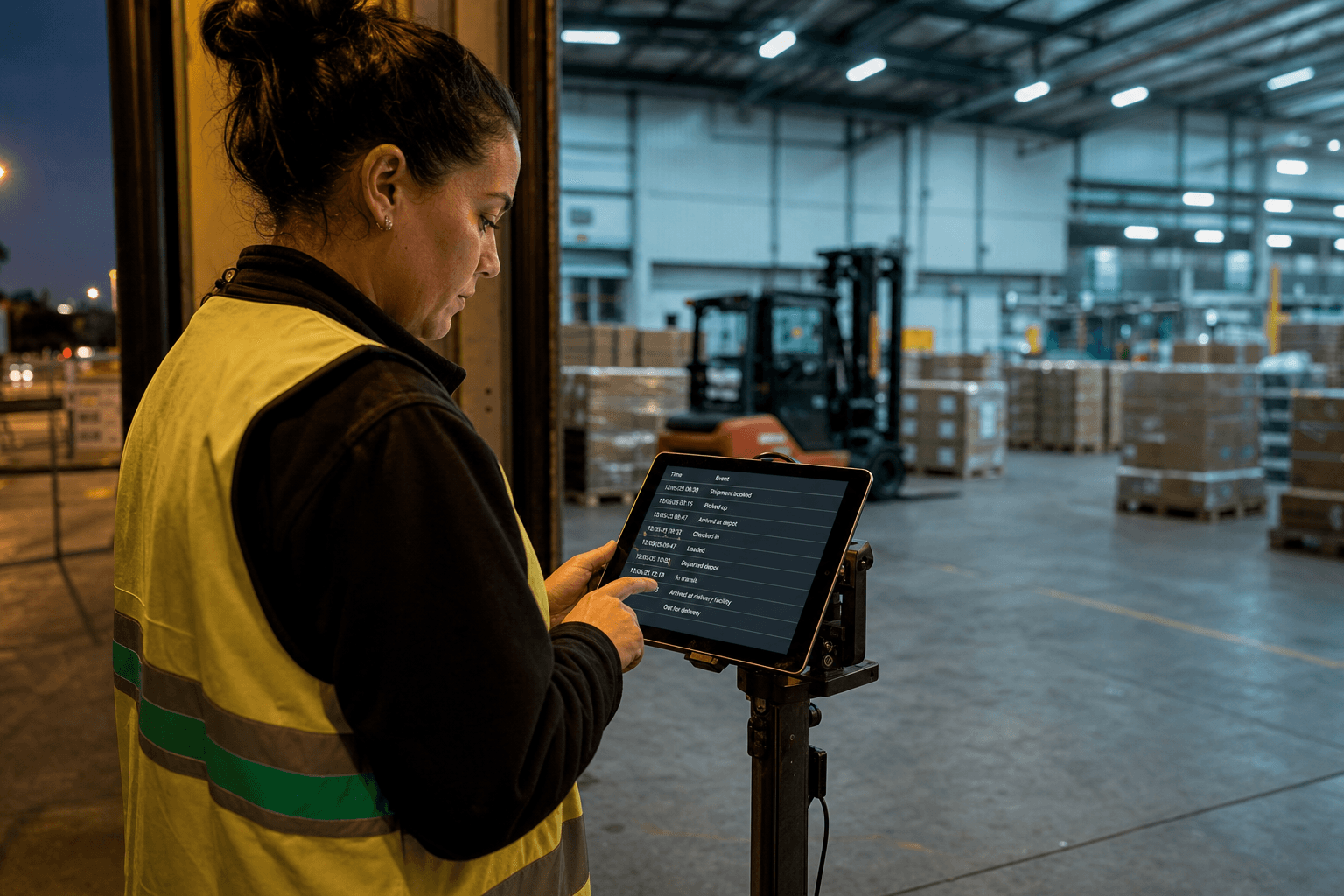
Event sourcing captures every state change in a shipment's lifecycle as an immutable event record. Rather than updating database records, the system appends new events to a log, creating a complete audit trail of what happened and when.
How Event Sourcing Works in Practice
When a shipment moves through its lifecycle, each milestone generates an event:
- BookingCreated: Customer places order with pickup/delivery details
- ShipmentAllocated: Assigned to specific vehicle and route
- PickupCompleted: Goods collected from origin
- InTransit: Shipment en route with GPS coordinates
- DeliveryAttempted: First delivery attempt made
- DeliveryCompleted: Goods successfully delivered
- PODReceived: Proof of delivery documentation captured
Each event contains the timestamp, user responsible, and relevant data changes. This approach provides several advantages over traditional database updates:
Complete audit trail: Every change is permanently recorded with context about who made it and why. This is crucial for dispute resolution and compliance reporting.
Point-in-time reconstruction: You can rebuild the exact state of any shipment at any moment in history, which is valuable for performance analysis and exception investigation.
Parallel processing: Multiple systems can process the same event stream independently, enabling better scalability and system integration.
Publish-Subscribe for Multi-Party Updates
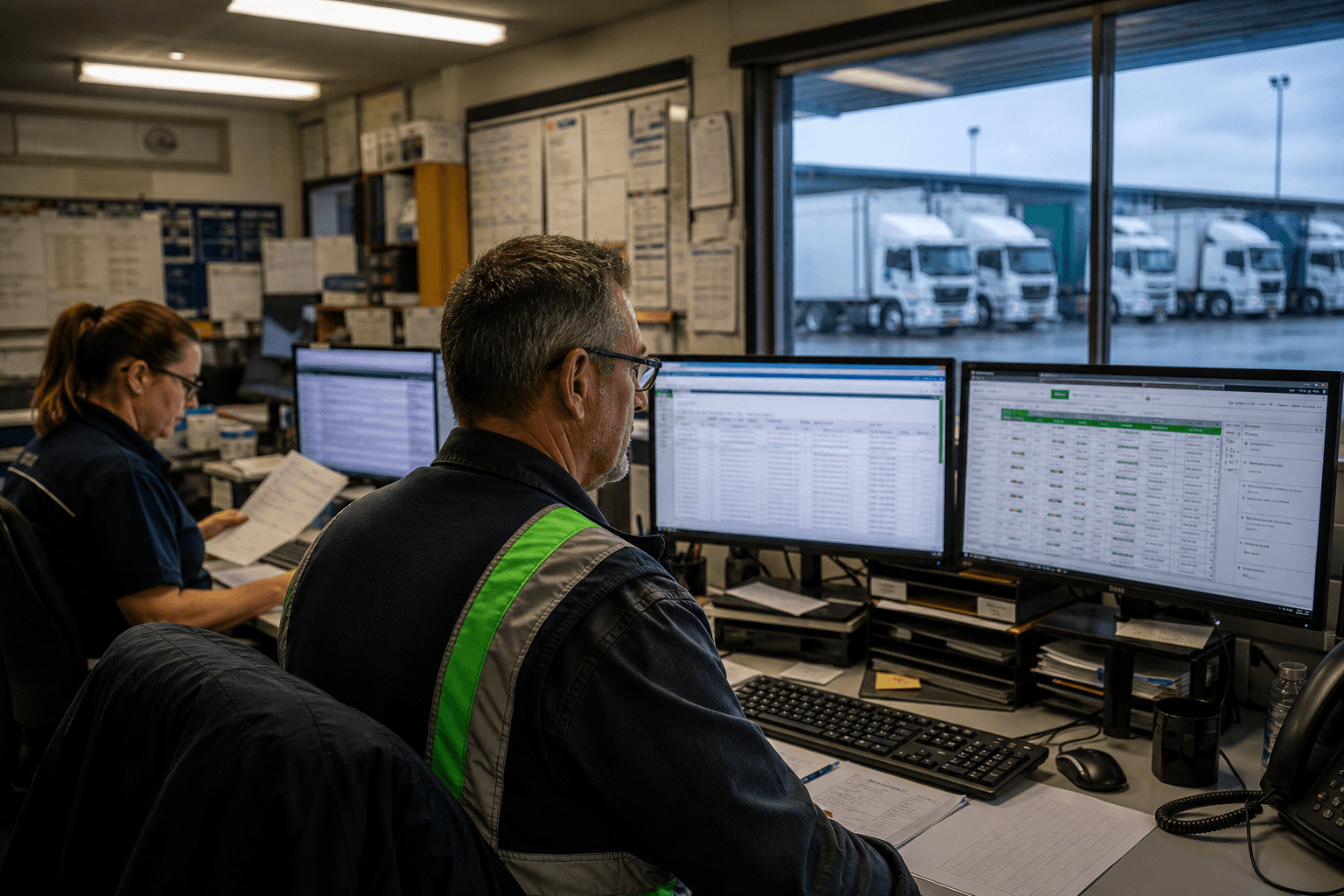
Freight operations involve multiple stakeholders who need different information at different times. A publish-subscribe (pub/sub) pattern allows systems to broadcast events to interested parties without tight coupling between sender and receiver.
Coordinating Stakeholder Communications
When a delivery is completed, various parties need to be notified:
- Customer: Receives delivery confirmation with timestamp and POD
- Finance system: Triggers invoice generation and payment processing
- Fleet management: Updates vehicle availability and driver hours
- Warehouse: Confirms inventory transfer and adjusts stock levels
- KPI dashboard: Updates on-time delivery metrics and performance reports
With pub/sub architecture, the delivery system publishes one "DeliveryCompleted" event. Each interested system subscribes to receive and process this event according to its own requirements.
This approach eliminates the need for point-to-point integrations between every system pair, reducing complexity and improving reliability.
Saga Patterns for Complex Booking Workflows
Freight bookings often involve complex, multi-step workflows that span multiple systems and can fail at various points. Saga patterns manage these distributed transactions by breaking them into smaller, compensatable steps.
Managing Booking Workflow Complexity
A typical freight booking might involve:
- Rate calculation: Query multiple carriers for pricing
- Capacity check: Verify vehicle availability on required dates
- Credit approval: Confirm customer payment terms
- Route optimisation: Integrate pickup/delivery into existing routes
- Documentation: Generate booking confirmation and dispatch instructions
If step 4 fails (no available route capacity), the saga pattern automatically compensates by:
- Releasing the reserved vehicle capacity from step 2
- Cancelling the credit hold from step 3
- Notifying the customer of booking failure
This ensures the system remains in a consistent state even when complex workflows fail partway through.
Choreography vs Orchestration
Saga patterns can be implemented in two ways:
Choreography: Each service knows what to do when it receives an event and publishes events for other services to react to. This creates a more distributed and resilient system but can be harder to monitor.
Orchestration: A central coordinator manages the workflow steps and handles compensation logic. This provides better visibility but creates a potential single point of failure.
Most Australian freight operators benefit from orchestration patterns initially, as they provide clearer visibility into workflow status and easier troubleshooting.
Migration from Batch Processing
Many Australian freight operators still rely on batch processing systems that update information every few hours or overnight. Migrating to event-driven architecture requires careful planning to avoid disrupting existing operations.
Identifying Migration Candidates
Start with processes that benefit most from real-time updates. Customer notifications typically see significant improvement when moving from batch to event-driven processing. Rather than customers receiving hours-old delivery status updates, they can get immediate confirmations when deliveries occur.
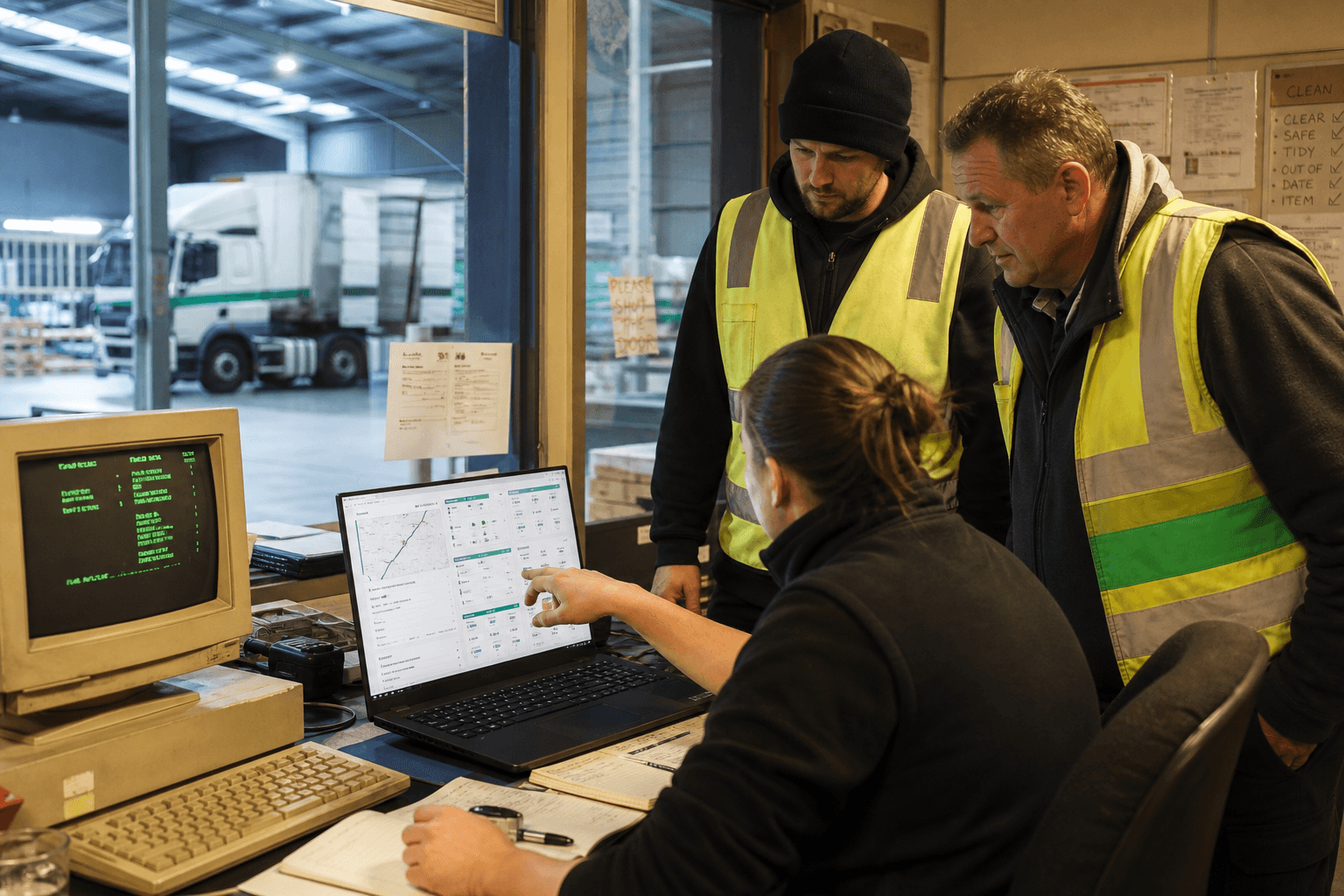
Route optimisation systems also benefit substantially from real-time event processing. Traditional overnight batch processing means route changes can't respond to same-day exceptions, while event-driven systems can immediately adjust routes when deliveries are completed early or delayed.
Inventory management represents another high-impact migration candidate. Warehouse systems operating on batch updates may show incorrect stock levels for hours after deliveries, while real-time event processing keeps inventory accurate across all systems.
Gradual Migration Strategy
Successful migration to event-driven architecture typically follows these phases:
Phase 1: Event Capture Start by implementing event capture alongside existing batch systems. This creates the foundational event stream without disrupting current operations.
Phase 2: Read-Side Migration Move reporting and dashboard systems to consume events instead of batch data. This provides immediate visibility improvements while keeping core operational systems stable.
Phase 3: Critical Path Events Migrate time-sensitive processes like customer notifications and exception handling to event-driven processing.
Phase 4: Full Integration Complete the migration by moving all remaining batch processes to event-driven patterns.
Implementation Considerations for Australian Operators
Australian freight operators implementing event-driven architecture need to consider several local factors:
Telecommunications Infrastructure: Remote delivery areas may have limited connectivity, requiring systems that can queue and synchronise events when connections are restored.
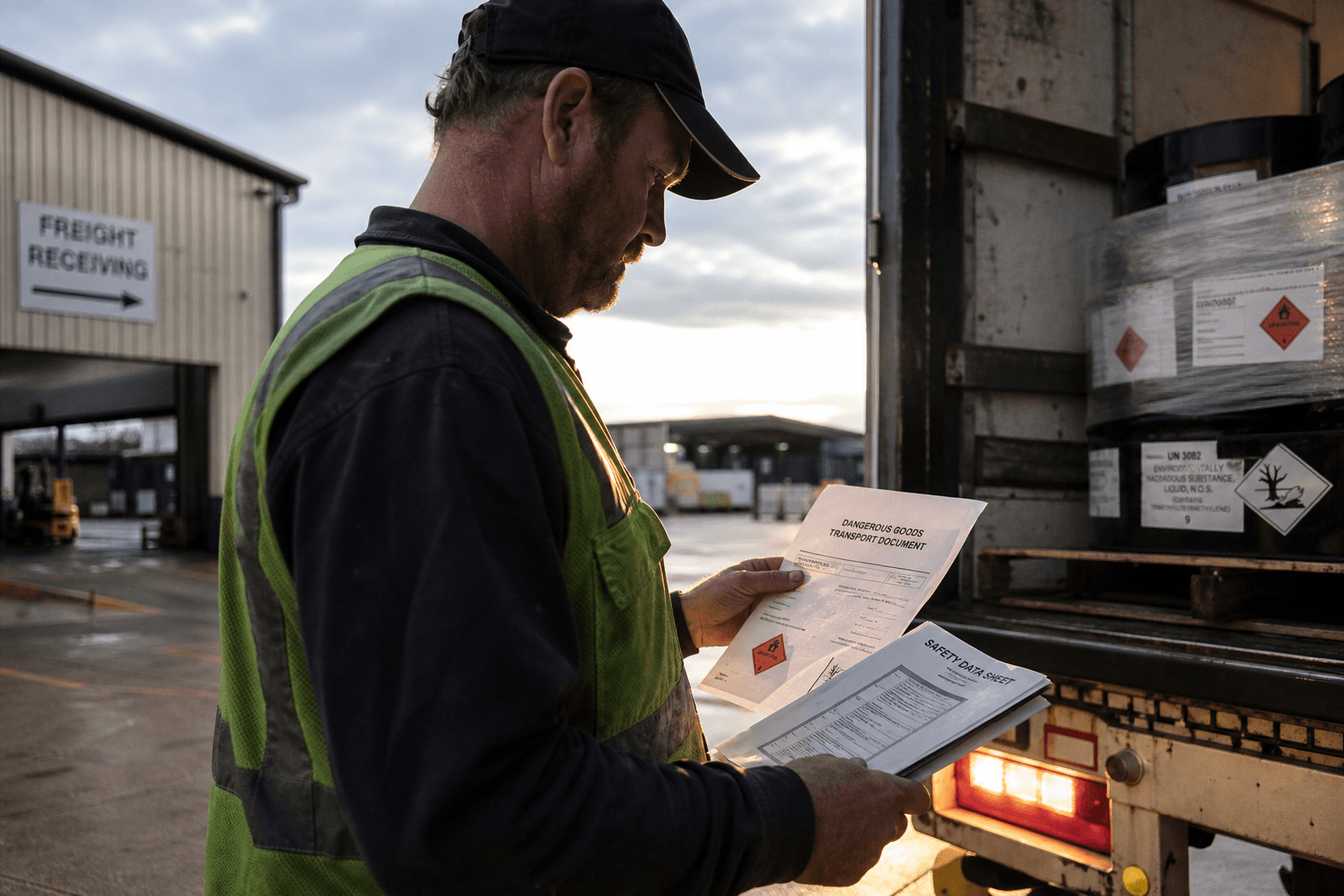
Regulatory Compliance: Chain of responsibility laws and transport regulations require detailed audit trails that event sourcing naturally provides.
Integration with Legacy Systems: Many Australian operators run legacy TMS and WMS systems that weren't designed for real-time integration. Event-driven patterns can bridge these systems without requiring wholesale replacement.
Seasonal Variations: Australia's seasonal freight patterns (harvest, mining, tourism) require systems that can scale event processing capacity dynamically.
Getting Started with Event-Driven Implementation
Implementing event-driven architecture successfully requires understanding your specific operational patterns and system constraints. Most Australian freight operators benefit from starting with a focused AI readiness assessment to identify the processes that would gain most from real-time processing.
For operators dealing with complex emissions reporting requirements, event-driven systems can automatically capture fuel consumption, route efficiency, and load optimisation data in real-time.
If route optimisation is a priority, event-driven patterns enable dynamic route adjustments that respond immediately to traffic conditions, delivery completions, and customer requests.
Ready to modernise your freight operations with event-driven architecture? Get in touch to discuss how these patterns can improve your operational efficiency and customer service.
Zero Footprint
The Zero Footprint team — AI modernisation for Australian logistics.