Carbon Credits in Australian Logistics Emissions Reporting
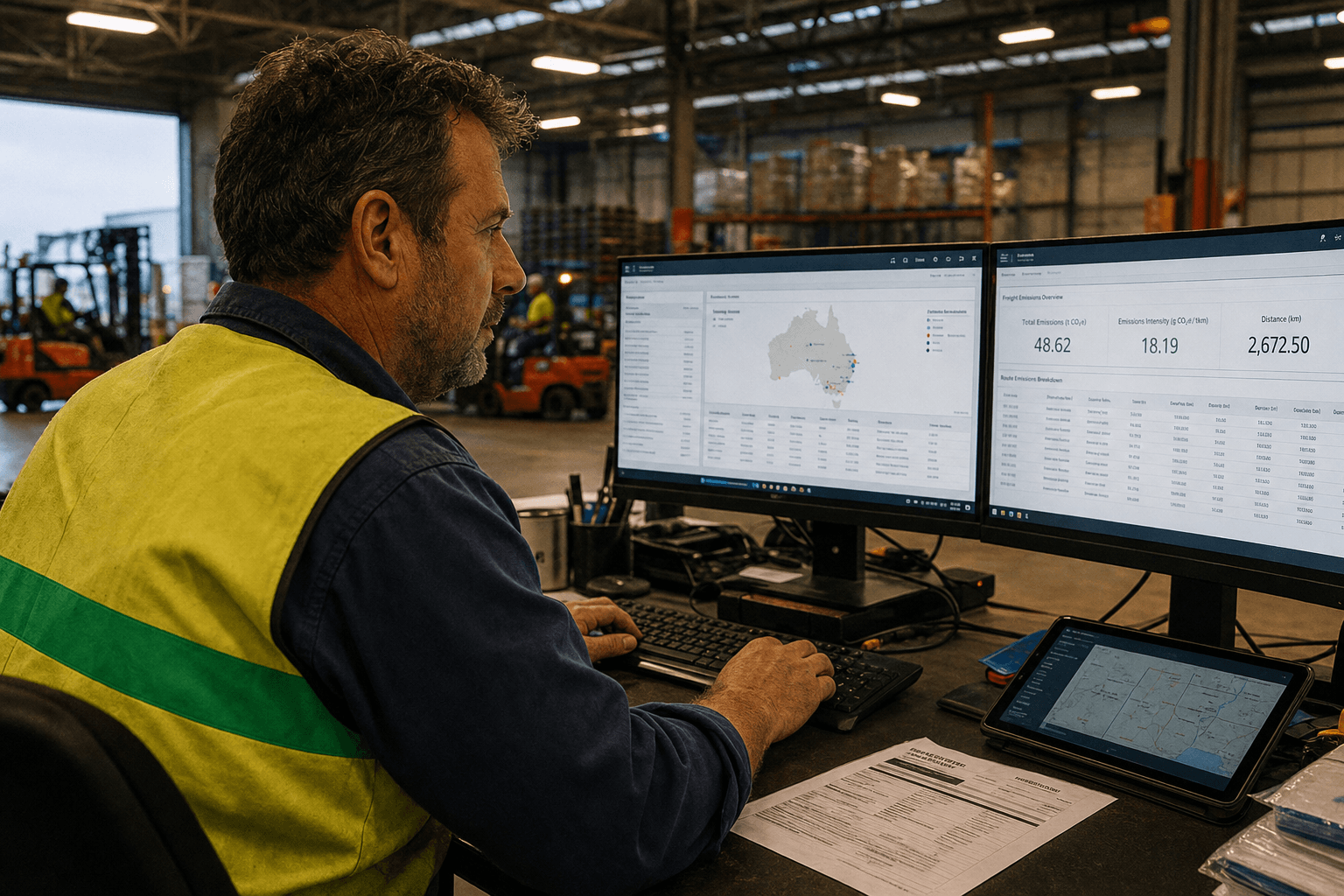
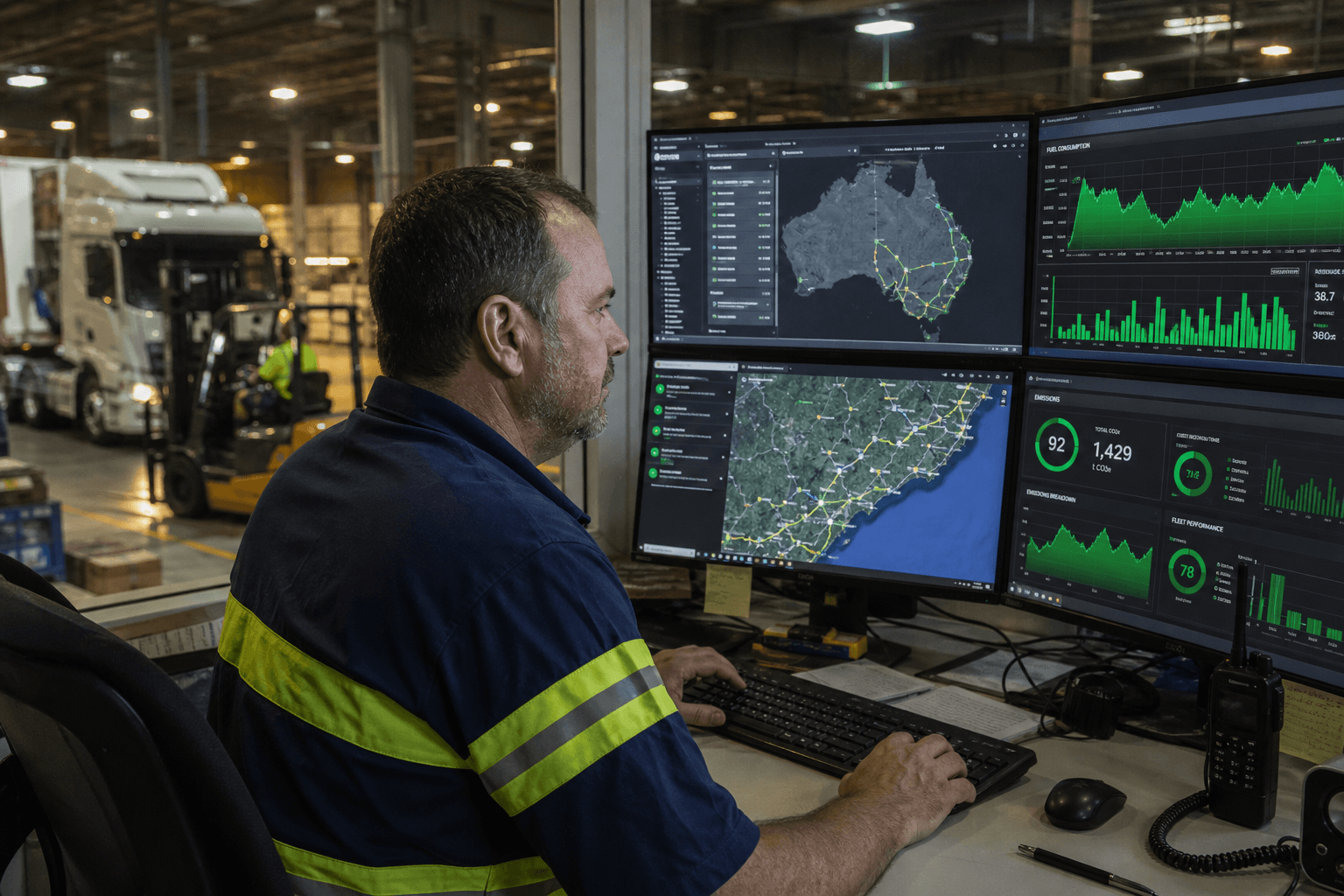
Australian logistics companies are incorporating carbon credits into AASB S2 compliance strategies. Success requires understanding Clean Energy Regulator requirements and implementing automated tracking systems.
Carbon Credits in Australian Logistics Emissions Reporting
Logistics companies across Australia are increasingly incorporating carbon credits into their emissions reporting strategies as AASB S2 compliance deadlines approach. Carbon credits allow businesses to offset unavoidable emissions while building comprehensive sustainability frameworks that meet regulatory requirements and customer expectations.
The key to successful integration lies in understanding Clean Energy Regulator requirements, selecting high-quality offset instruments, and implementing automated tracking systems that maintain audit trails for emissions reporting compliance.
Understanding Carbon Credits in Australian Logistics
Carbon credits represent verified reductions or removals of greenhouse gas emissions from the atmosphere. In Australia's logistics sector, companies primarily use Australian Carbon Credit Units (ACCUs) issued under the Emissions Reduction Fund, alongside international credits from schemes like the Verified Carbon Standard (VCS) or Gold Standard.
ACCUs are created through approved methodologies covering activities like vegetation management, energy efficiency, and waste reduction. International credits offer broader project types but require careful verification to ensure additionality and permanence.
For logistics operators, carbon credits serve multiple purposes: offsetting Scope 1 emissions from fleet operations, addressing Scope 3 emissions logistics challenges from supply chain activities, and demonstrating climate action to customers requiring carbon-neutral shipping options.
Clean Energy Regulator Requirements and Compliance
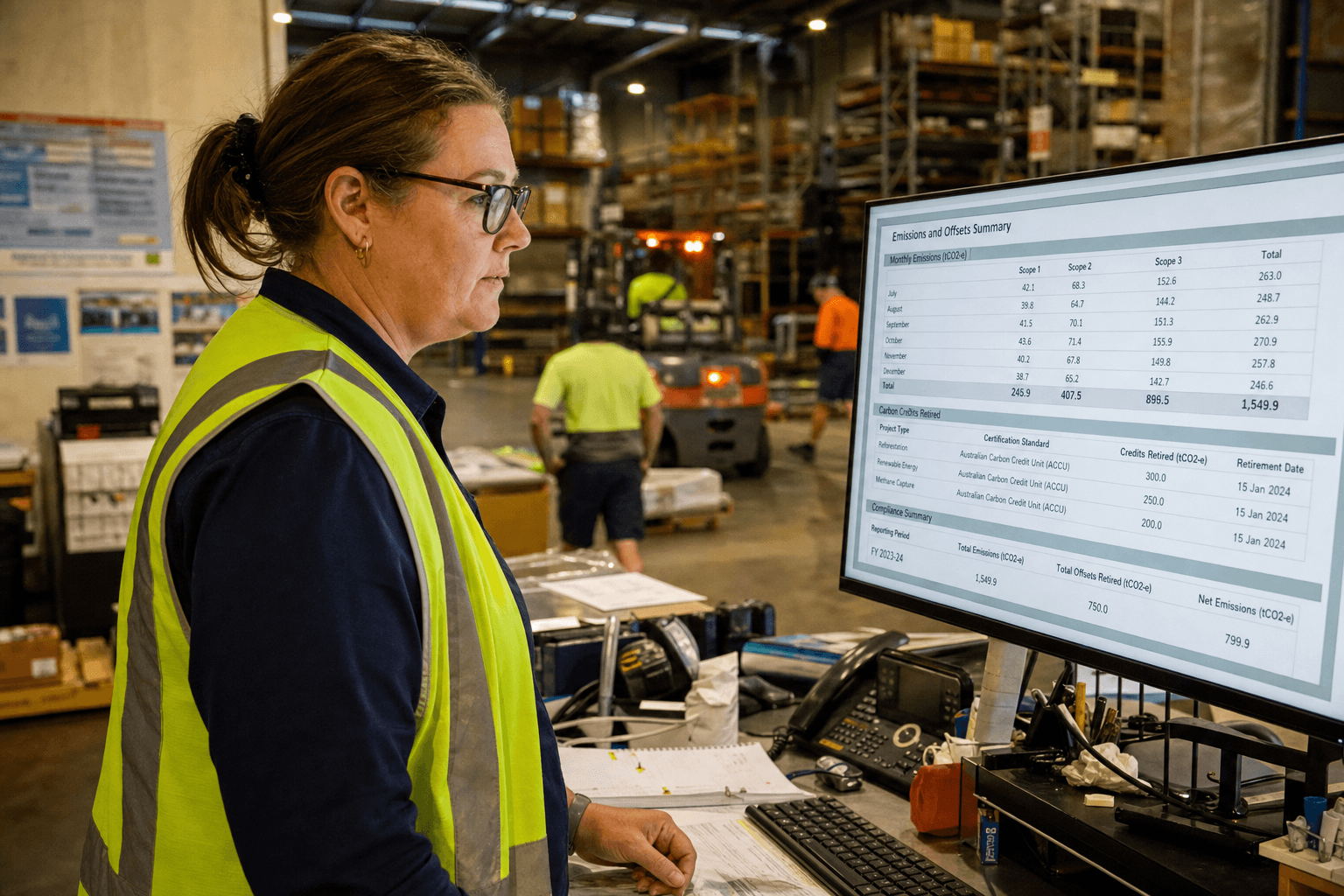
The Clean Energy Regulator (CER) maintains strict requirements for carbon credit transactions and reporting. Companies must ensure all ACCU purchases are properly recorded in the Australian National Registry of Emissions Units (ANREU) and maintain detailed transaction records.
Key compliance requirements include registering with ANREU before purchasing ACCUs, maintaining accurate records of credit serial numbers and retirement dates, and ensuring credits are retired against specific reporting periods. The CER also requires companies to verify project additionality and permanence before claiming offset benefits.
For NGER reporting logistics obligations, companies must separately report actual emissions and any offsets applied. This dual reporting ensures transparency and prevents double-counting across the supply chain.
Evaluating Carbon Credit Quality and Additionality
Not all carbon credits deliver equivalent environmental benefits. High-quality credits demonstrate additionality (the reduction wouldn't have occurred without the project), permanence (the reduction is long-lasting), and measurability (the reduction can be accurately quantified).
Australian logistics companies should prioritise credits from projects with robust methodologies, regular monitoring, and independent verification. ACCU projects undergo rigorous assessment by the CER, while international credits require evaluation against recognised standards.
Avoid credits from projects with high reversal risks, unclear baselines, or potential social impacts. Buffer pools and insurance mechanisms can provide additional protection against permanence risks, particularly for nature-based solutions.
Automated Tracking Systems for Credit Management
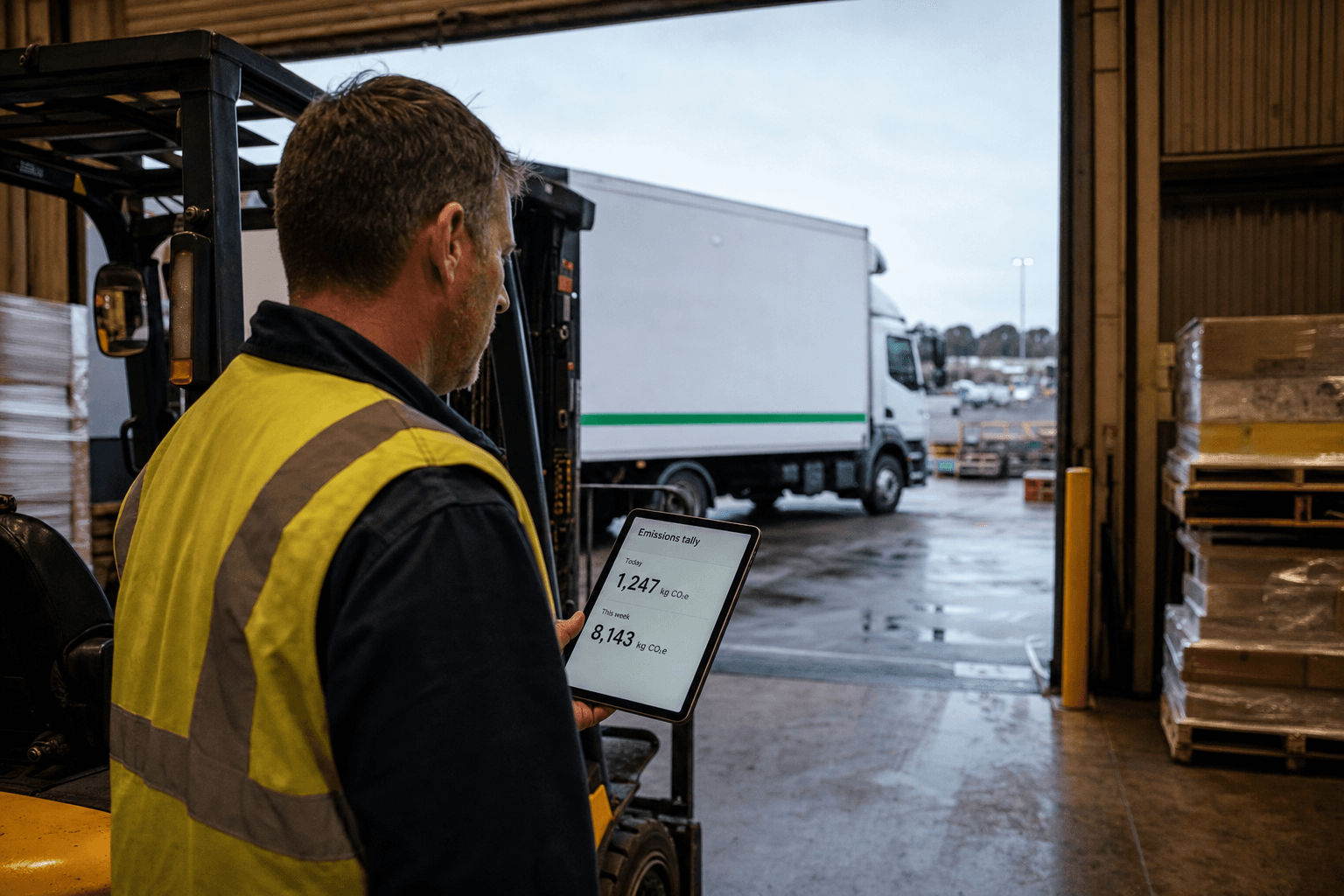
Manual carbon credit management creates compliance risks and audit trail gaps. Modern logistics operations require integrated systems that connect with existing emissions reporting platforms to track credit purchases, retirements, and allocation across different operations or customer accounts.

Effective tracking systems maintain real-time visibility of credit portfolios, automatically match retirements to specific emissions sources, and generate compliance reports for CER and financial reporting requirements. Integration with TMS and WMS platforms enables automatic allocation of credits to specific shipments or customer accounts.
Organisations typically see improved compliance accuracy and reduced administrative burden when moving from manual spreadsheet-based processes to automated carbon credit management systems. The Clean Energy Regulator emphasises the importance of maintaining comprehensive audit trails, which automated systems can provide more reliably than manual processes.
Integration with Scope 3 Supply Chain Reporting
Scope 3 emissions represent the largest challenge for logistics companies under AASB S2 requirements. Carbon credits can address upstream emissions from fuel production, downstream emissions from customer delivery, and other indirect sources throughout the supply chain.
Successful integration requires mapping credit retirements to specific Scope 3 categories, maintaining clear boundaries between company and customer responsibilities, and ensuring credits aren't double-counted across supply chain partners.
Automated systems can track credits against specific routes, customers, or service types, enabling granular reporting that supports both compliance and commercial carbon-neutral offerings. This precision becomes critical when customers require detailed documentation of their supply chain emissions for their own AASB S2 reporting.
Building Commercial Carbon-Neutral Services
Many logistics companies are developing carbon-neutral shipping options that incorporate high-quality offsets alongside operational emissions reductions. These services require precise emissions measurement, transparent credit sourcing, and clear customer communication about offset quality.
Successful programs combine route optimisation and fuel efficiency improvements with carefully selected carbon credits to achieve genuine carbon neutrality. Customers increasingly demand evidence of offset additionality and permanent impact, making credit quality a competitive differentiator.
Pricing models should reflect the true cost of high-quality credits while remaining competitive. Industry reports suggest that customers will often pay premiums for verified carbon-neutral services, particularly in temperature-controlled and last-mile delivery segments where environmental impact is a key selection criterion.
Implementation Challenges and Solutions
Integrating carbon credits into emissions reporting presents several operational challenges. Legacy systems often lack the capability to track and report offset activities alongside operational emissions data. Many mid-market logistics operators rely on manual processes that create gaps in audit trails and compliance documentation.
The complexity increases when managing multiple credit types, vintages, and retirement schedules across different customer accounts. Without proper system integration, companies struggle to provide the granular reporting required for both AASB S2 compliance and customer carbon accounting needs.
An AI readiness assessment can help identify gaps in current systems and develop a roadmap for implementing automated carbon credit management alongside broader digital transformation initiatives.
Future Considerations and Market Developments
Australia's carbon credit market continues evolving with new methodologies and project types. The Australian Government's commitment to net-zero emissions by 2050 is driving demand for high-quality domestic credits, while international Article 6 mechanisms under the Paris Agreement will create new compliance frameworks.
Logistics companies should monitor developments in transport-specific methodologies, including potential credits for electric vehicle adoption, alternative fuel usage, and logistics optimisation projects. Early engagement with carbon credit integration positions companies for future opportunities while meeting current compliance obligations.
The integration of carbon credits with emissions reporting represents a critical capability for modern logistics operations. Companies that implement robust tracking and reporting systems today will be better positioned for future regulatory requirements and customer demands.
Ready to integrate carbon credits into your emissions reporting framework? Get in touch to discuss how automated tracking systems can support your AASB S2 compliance strategy while building commercial carbon-neutral service offerings.
Zero Footprint
The Zero Footprint team — AI modernisation for Australian logistics.