After-Hours Call Triage: How AI Keeps Logistics Running 24/7
AI voice agents are transforming after-hours logistics operations by intelligently triaging calls, routing emergencies to on-call staff, and capturing detailed messages for morning follow-up. Learn how smart call triage keeps your operations running 24/7.
After-Hours Call Triage: How AI Keeps Logistics Operations Running 24/7
Logistics doesn't sleep. Breakdowns happen at 2am, urgent shipments get delayed on weekends, and customers need updates outside business hours. Most mid-market carriers handle after-hours calls with answering services or on-call staff — creating gaps in service and burning out operations teams.
AI voice agents are changing this equation. They can classify call urgency, route genuine emergencies to the right person immediately, capture detailed messages for morning follow-up, and even handle basic customer enquiries. Here's how intelligent call triage keeps your operations running when your team is off the clock.
What Is AI Call Triage for Logistics?
AI call triage uses conversational AI to automatically answer, assess, and route after-hours phone calls based on urgency and content. The system listens to callers, asks clarifying questions, determines if immediate escalation is needed, and either connects them to on-call staff or captures comprehensive information for next-day follow-up.
Unlike basic answering services that just take messages, AI triage makes intelligent routing decisions. It understands logistics terminology, recognises genuine emergencies, and can handle routine enquiries without human intervention.
Why After-Hours Coverage Matters in Australian Logistics
Australian freight operates across multiple time zones with 24/7 supply chains. Interstate runs mean drivers need support at all hours. Retail customers expect real-time updates, even on weekends. Mining and agriculture logistics run continuous operations.
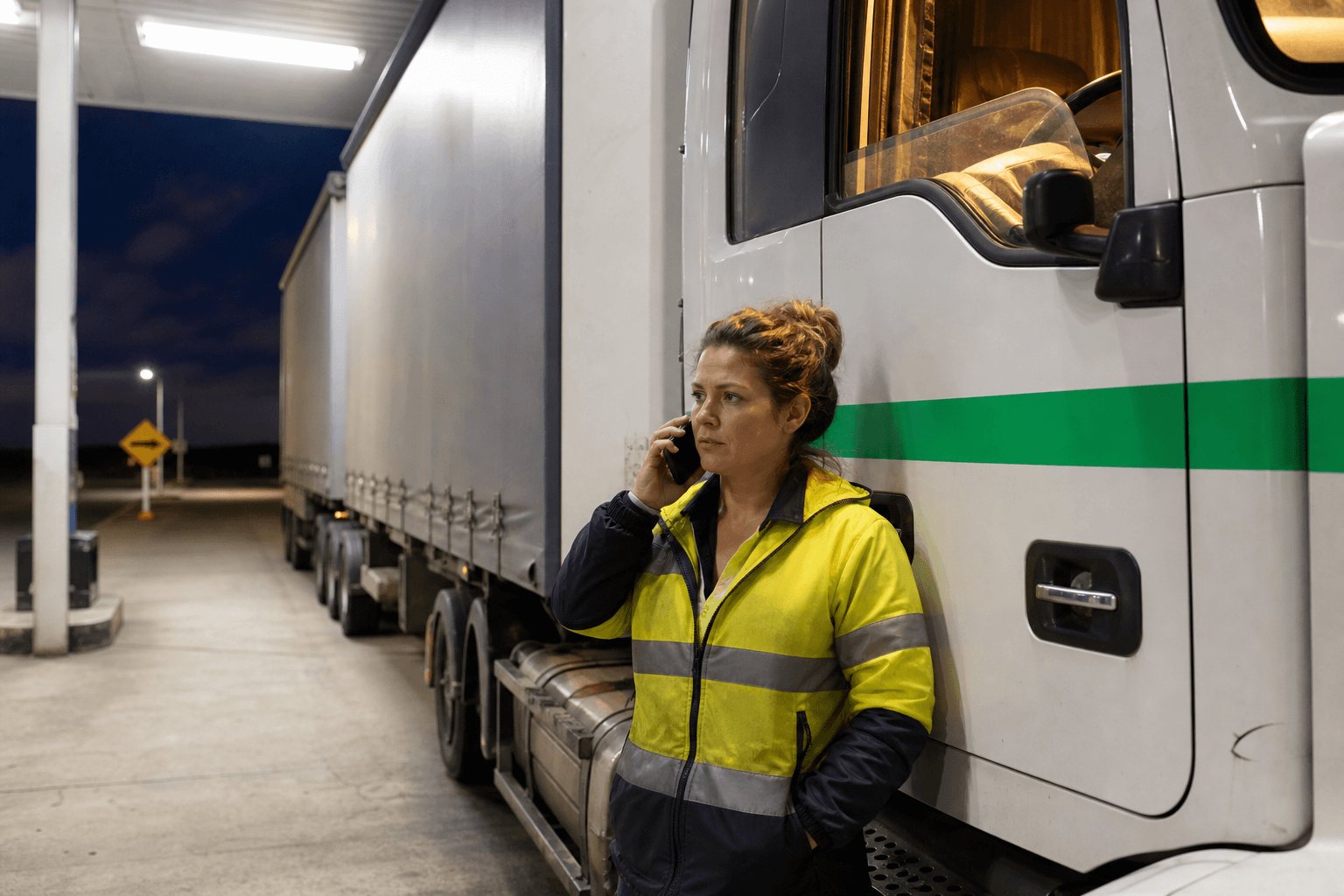
Traditional after-hours coverage creates problems:
- Human answering services miss context and can't assess urgency properly
- On-call rotation burns out operations managers with non-urgent calls
- Voicemail-only systems create delays that frustrate customers
- No coverage means lost business and escalated problems by Monday morning
How AI Voice Agents Handle Logistics Call Triage
Initial Call Assessment
When a call comes in, the AI agent identifies the caller and determines their relationship to your business — existing customer, driver, supplier, or prospect. It asks targeted questions to understand the situation:
- "What's the nature of your call today?"
- "Is this regarding an active shipment or booking?"
- "Do you have a consignment number or booking reference?"
The system accesses your transport management system to pull relevant shipment data and customer history, providing context for the conversation.
Urgency Classification Logic
The AI uses decision trees to classify call urgency based on logistics-specific triggers:
Immediate escalation (connects to on-call manager within 2 minutes):
- Vehicle breakdown with perishable goods
- Accident involving company vehicles or drivers
- Security incidents at facilities
- Customer-critical deliveries delayed beyond SLA windows
- System outages affecting operations
Morning follow-up (detailed message capture):
- General booking enquiries
- Invoice or payment questions
- Non-urgent schedule changes
- Routine customer service issues
- Supplier coordination requests
Self-service resolution:
- Shipment tracking requests (AI provides real-time status)
- Basic delivery information
- Business hours and contact details
- Standard rate enquiries
Message Capture and Documentation
For non-urgent calls, the AI captures comprehensive information that operations teams need:
- Caller details and contact preferences
- Complete description of the request or issue
- Relevant shipment or customer references
- Preferred response timeframe
- Any specific requirements or constraints
This information integrates directly with your dispatch system or CRM, appearing in morning dashboards with appropriate priority flags.
Integration with Dispatch and Customer Systems
Real-Time System Access
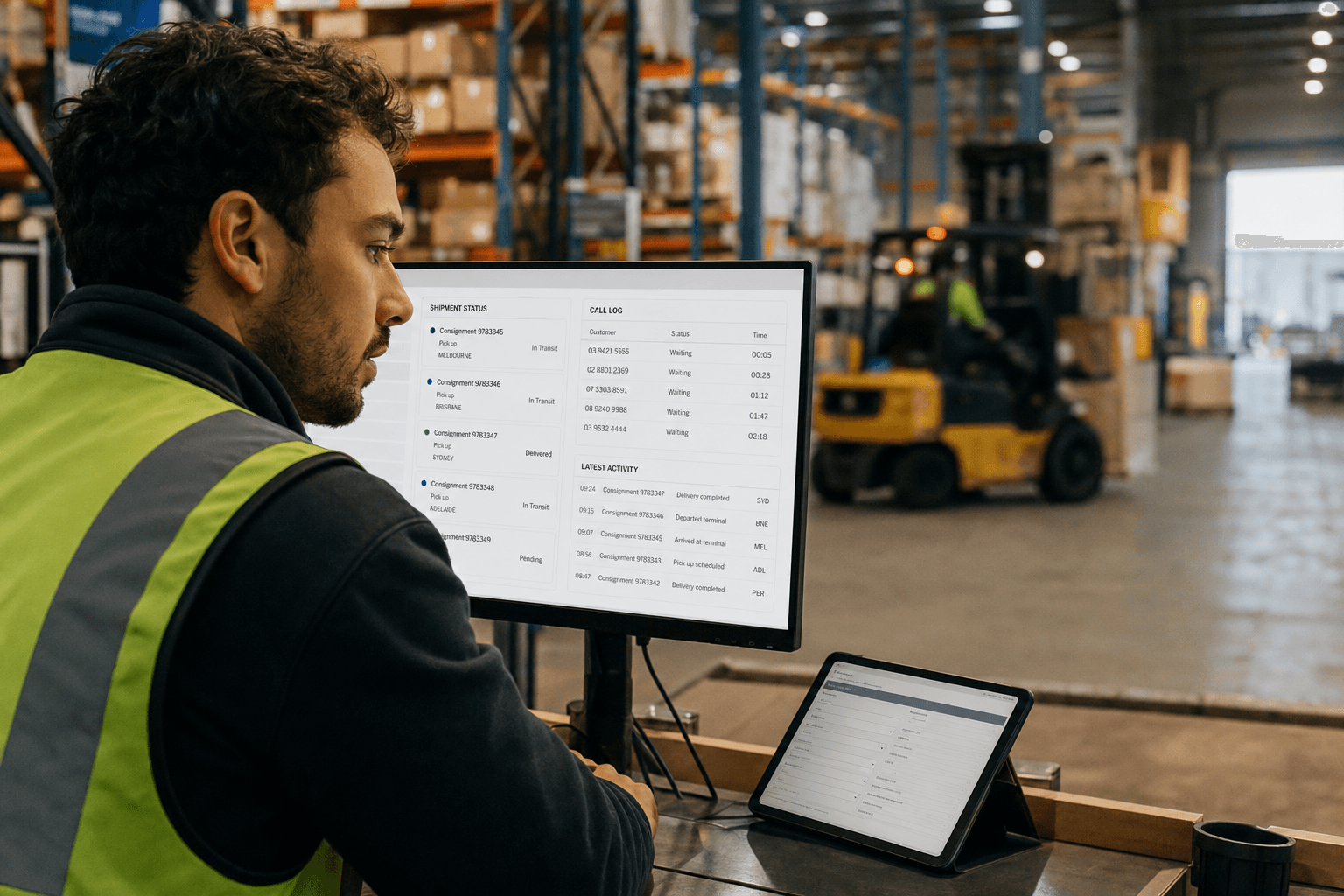
Effective AI triage requires integration with your core logistics systems:
Transport Management System (TMS): Real-time shipment status, delivery schedules, and route information Customer Relationship Management (CRM): Account history, contact preferences, and service level agreements Fleet Management: Vehicle locations, driver contact details, and maintenance schedules Warehouse Management: Inventory levels, picking schedules, and facility status
Escalation Workflows
The system follows predefined escalation rules that mirror your current processes:
- Level 1: On-call operations manager for urgent operational issues
- Level 2: Senior management for major incidents or high-value customer escalations
- Level 3: Emergency contacts for safety incidents or regulatory issues
Each escalation includes a brief summary of the situation, caller details, and any immediate actions the AI has already taken.
Documentation and Reporting
All interactions are logged with full call transcripts, timestamps, and resolution outcomes. This creates an audit trail for customer service quality and helps identify recurring issues that need operational attention.
Business Impact: Beyond Just Answering the Phone
Capturing New Business Opportunities
AI agents don't just handle problems — they capture opportunities. When prospects call outside business hours asking for quotes or availability, the system gathers requirements and schedules follow-up calls. Many carriers miss significant business because potential customers get voicemail when calling competitors.
Reducing Operations Team Burnout
On-call rotations that include routine enquiries mixed with genuine emergencies create unnecessary stress. AI triage ensures your operations managers only get woken up for situations that truly need immediate attention. Non-urgent calls are handled professionally and documented for morning review.
Improving Customer Experience
Customers get immediate acknowledgment of their calls, accurate information when available, and clear expectations about follow-up. The AI can provide real-time tracking updates, confirm delivery windows, and handle basic service requests without wait times.
Implementation Considerations
Successful AI call triage requires careful setup and ongoing refinement:
Decision tree customisation: Urgency rules must reflect your specific operations, customer SLAs, and escalation procedures System integration: Seamless connection to your TMS, CRM, and communication systems Voice quality: Professional Australian voice with clear pronunciation of logistics terminology Fallback procedures: Clear escalation paths when the AI cannot resolve or classify a call Staff training: Ensuring your team understands how the system works and how to access captured information
Looking Ahead: AI Voice Technology in Logistics
AI voice technology continues improving with better natural language understanding, more sophisticated decision-making, and deeper system integration. Future developments will include predictive escalation (identifying potential issues before they become urgent), multilingual support for diverse driver and customer bases, and integration with IoT sensors for proactive problem resolution.
For mid-market carriers, after-hours AI triage represents a practical entry point into AI in logistics — solving a clear operational problem while building capability for more advanced automation.
If you're tired of after-hours coverage gaps or looking to reduce on-call burden on your operations team, AI readiness assessment can help you understand how voice triage fits your specific operational needs and system architecture.
Zero Footprint
The Zero Footprint team — AI modernisation for Australian logistics.