AI Cargo Security: Reducing Theft Risk for High-Value Freight
unused
What Is AI-Powered Cargo Security?
AI-powered cargo security is the use of machine learning, geofencing, and video analytics to detect unusual patterns in freight movement, access, and handling before a theft occurs rather than after. For operators carrying high-value freight — electronics, pharmaceuticals, alcohol, or import/export containers — this shifts security from a reactive insurance claim process to a proactive operational control. It builds on the same visibility gap that limits many logistics businesses: legacy TMS and WMS platforms were built for scheduling and inventory, not for flagging anomalies in real time, which leaves blind spots that AI-driven monitoring is designed to close.
Why Is Cargo Theft a Growing Concern for Australian Operators?
Cargo theft is a persistent cost for freight and last-mile operators, and insurers are increasingly asking carriers to demonstrate active loss-prevention controls rather than relying on after-the-fact claims. Rather than citing specific loss figures — which vary significantly by freight type, route, and reporting method — the practical takeaway for operations and finance leaders is the same: insurers, brokers, and major shippers are tightening expectations around track-and-trace, tamper detection, and documented chain-of-custody for high-value loads. Operators without these controls can face higher premiums, more restrictive policy terms, or difficulty winning tenders from customers who require demonstrable security capability as part of vendor onboarding.
How Does AI-Driven Anomaly Detection Work in Freight Security?
Anomaly detection is the use of machine learning models trained on normal operating patterns — routes, dwell times, stop frequency, driver behaviour — to flag deviations that may indicate theft, diversion, or tampering. Instead of a human reviewing every GPS ping or depot log, the system continuously compares live activity against expected baselines and raises an alert only when something falls outside normal range, such as an unscheduled stop in a known theft hotspot or a trailer opened outside rostered hours.
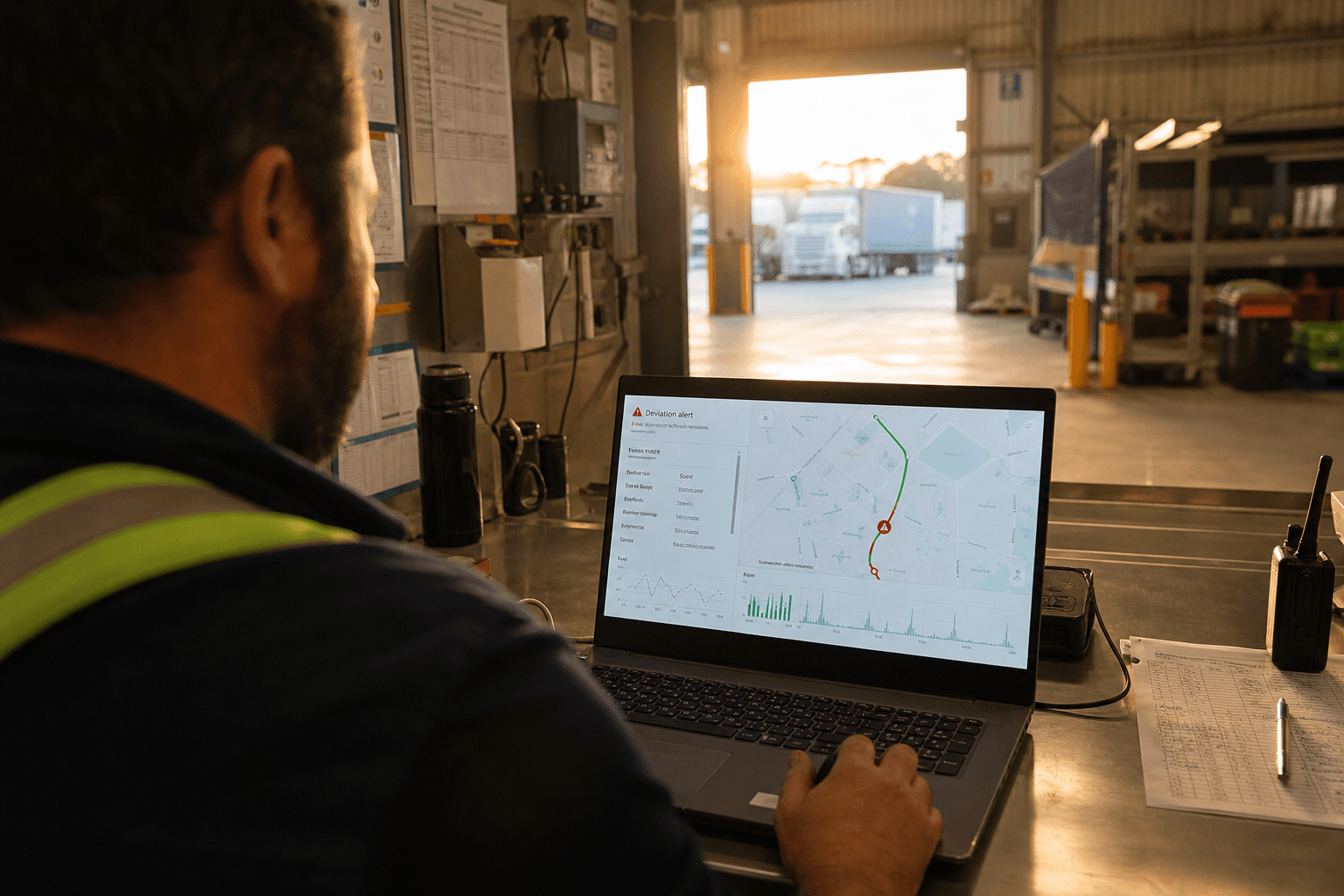
This approach is only as good as the data feeding it. Many mid-market carriers and 3PLs run legacy telematics and dispatch systems that weren't designed to export clean, structured data for this kind of modelling — a constraint we see consistently when we run an ai-readiness-assessment with operators before any security or efficiency build begins.
What Role Does Geofencing Play in Theft Prevention?
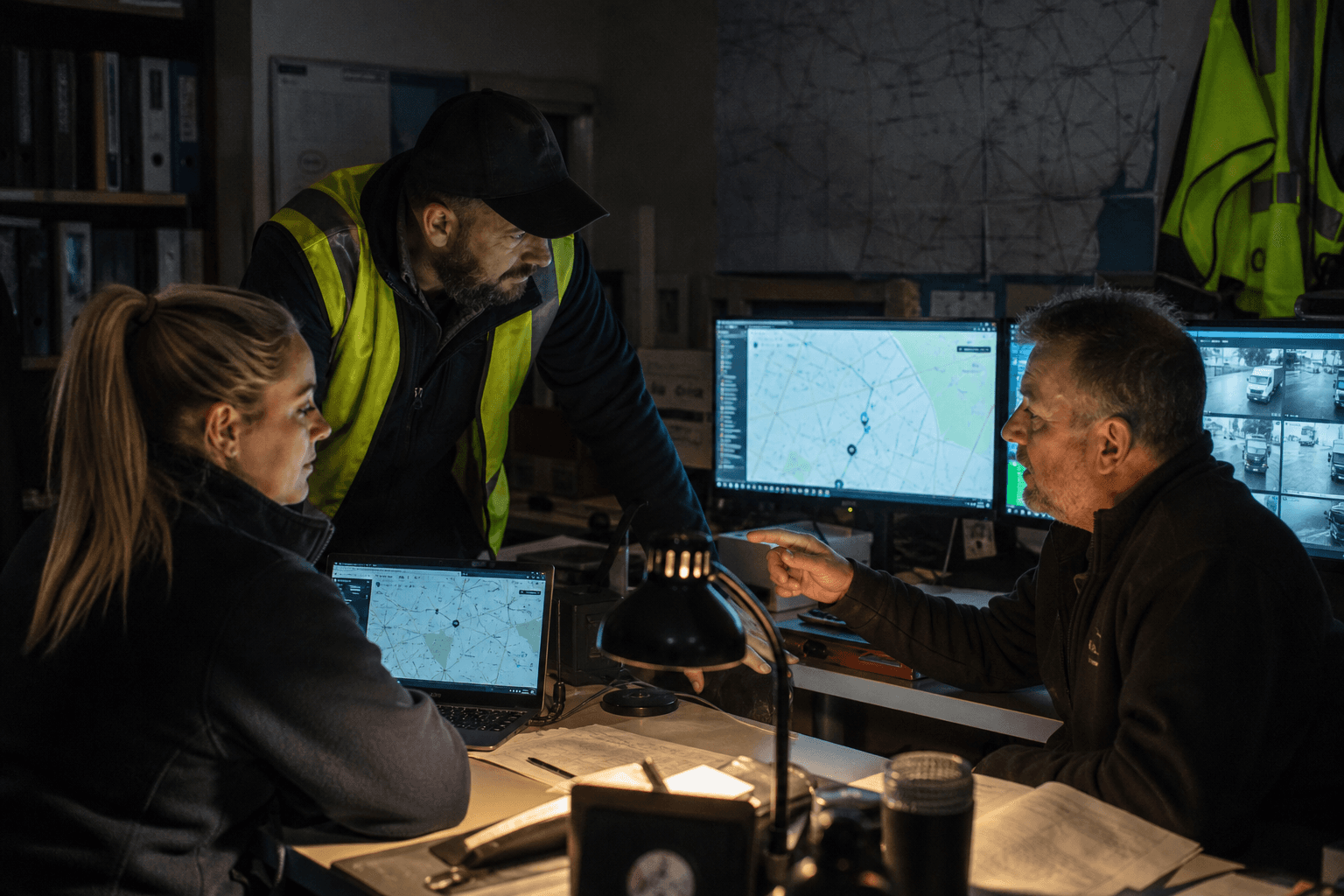
Geofencing is the creation of virtual boundaries around approved routes, depots, or delivery zones, with automatic alerts triggered when a vehicle or asset crosses those boundaries unexpectedly. For high-value freight, geofencing is typically layered with route data so that a deviation of even a few hundred metres from an approved corridor — particularly in known high-risk areas — triggers an immediate notification to dispatch or security personnel, rather than being discovered only when the load fails to arrive.
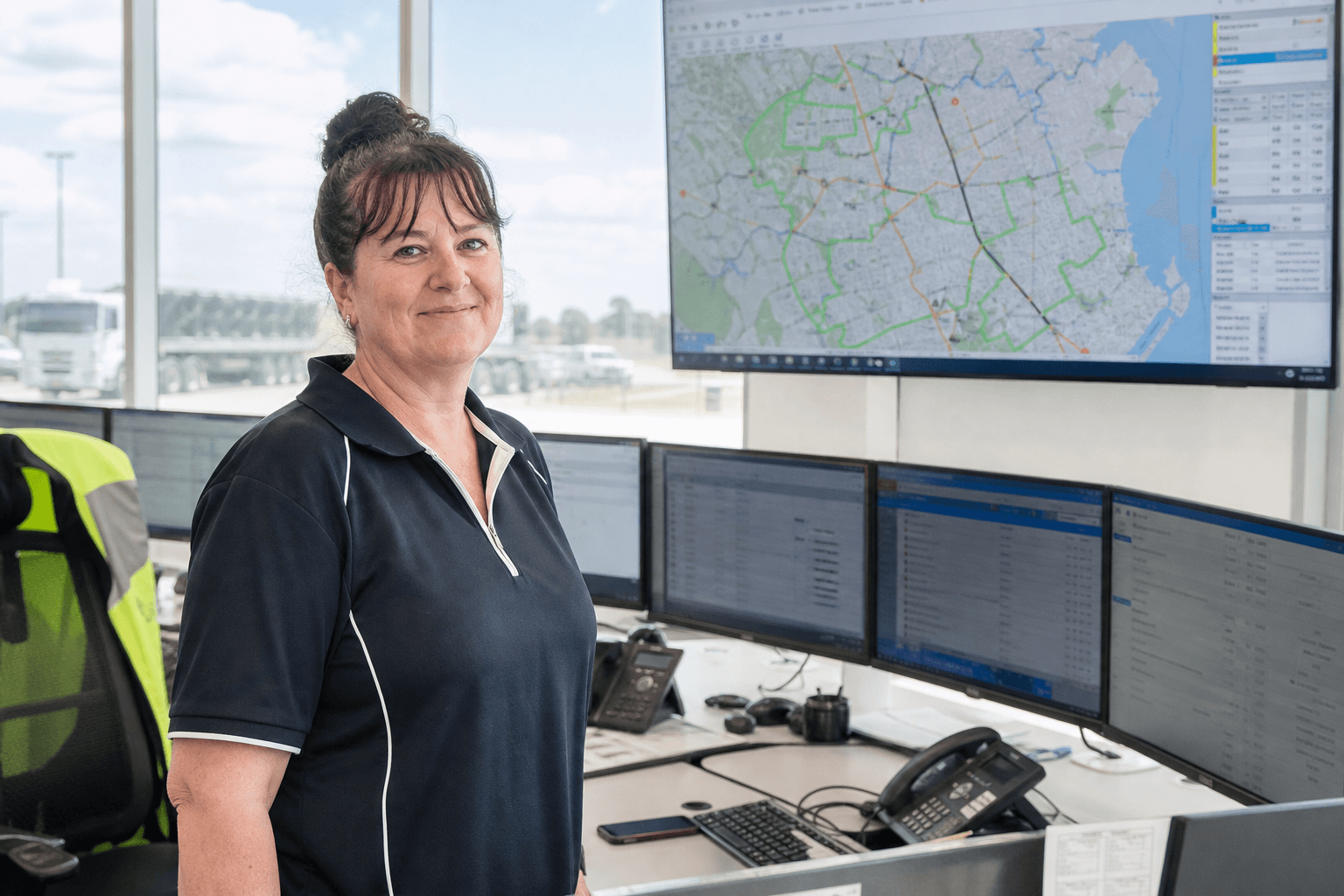
Geofencing works best when it's tied to planned routing rather than static zones alone. Operators already using route-optimisation tools have a natural extension point here, since the planned route data that drives efficient dispatch is the same data that defines what
Zero Footprint
The Zero Footprint team — AI modernisation for Australian logistics.