AI Exception Alerts: Preventing Logistics Disasters
AI-driven alerting systems continuously monitor logistics operations to detect potential disruptions before they cascade into costly problems. For Australian operators, proactive exception notification transforms reactive operations into predictive ones.
AI-Driven Exception Alerts: Preventing Logistics Disasters Before They Strike
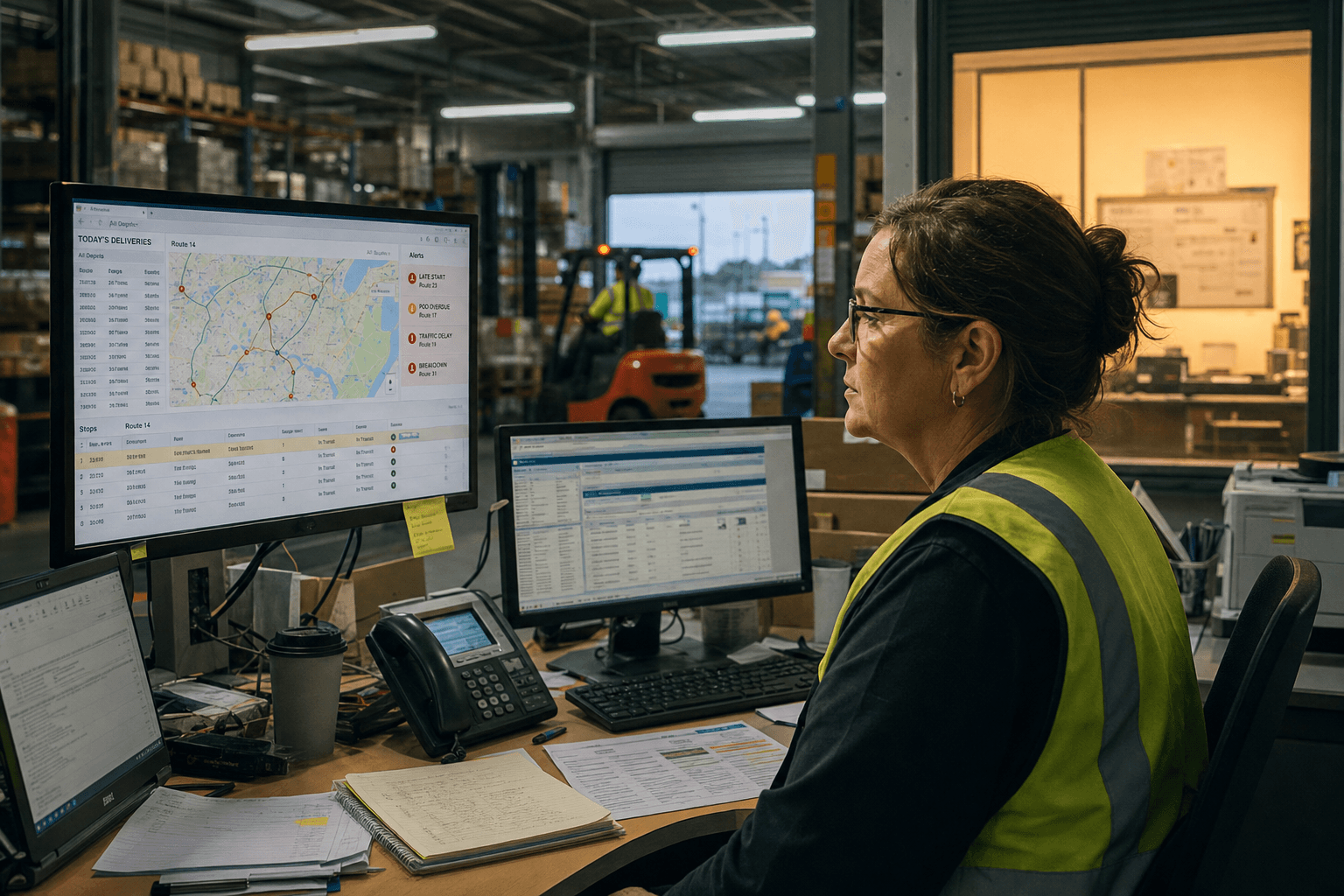
Proactive exception notification transforms reactive logistics operations into predictive ones. AI-driven alerting systems continuously monitor operations to detect potential disruptions before they cascade into costly problems, automatically notifying the right stakeholders with actionable intelligence.
For Australian logistics operators juggling complex supply chains, manual exception monitoring simply doesn't scale. When a delay happens at 2 AM or weather threatens multiple routes simultaneously, human oversight can't match the speed and comprehensiveness of AI-powered detection systems.
How AI Detects Logistics Exceptions Early
AI exception detection works by continuously analysing operational data streams to identify patterns that deviate from normal performance baselines. Unlike traditional threshold-based alerts that only trigger after problems occur, machine learning models predict exceptions by recognising subtle indicators across multiple data sources.
The system ingests real-time data from GPS tracking, weather feeds, traffic APIs, warehouse management systems, and historical performance records. Pattern recognition algorithms identify correlations between seemingly unrelated events — such as how morning traffic congestion in Melbourne's industrial corridors can impact afternoon deliveries across Victoria.
Machine learning models learn what "normal" looks like for each route, driver, vehicle, and time period. When current conditions suggest deviation from these learned patterns, the system generates predictive alerts with confidence scores and suggested actions.
Delay Prediction: Seeing Problems Hours Ahead
Delay prediction algorithms analyse multiple variables simultaneously to forecast potential late deliveries. The system considers current vehicle location, planned route, real-time traffic conditions, weather forecasts, driver performance patterns, and historical data for similar trips.
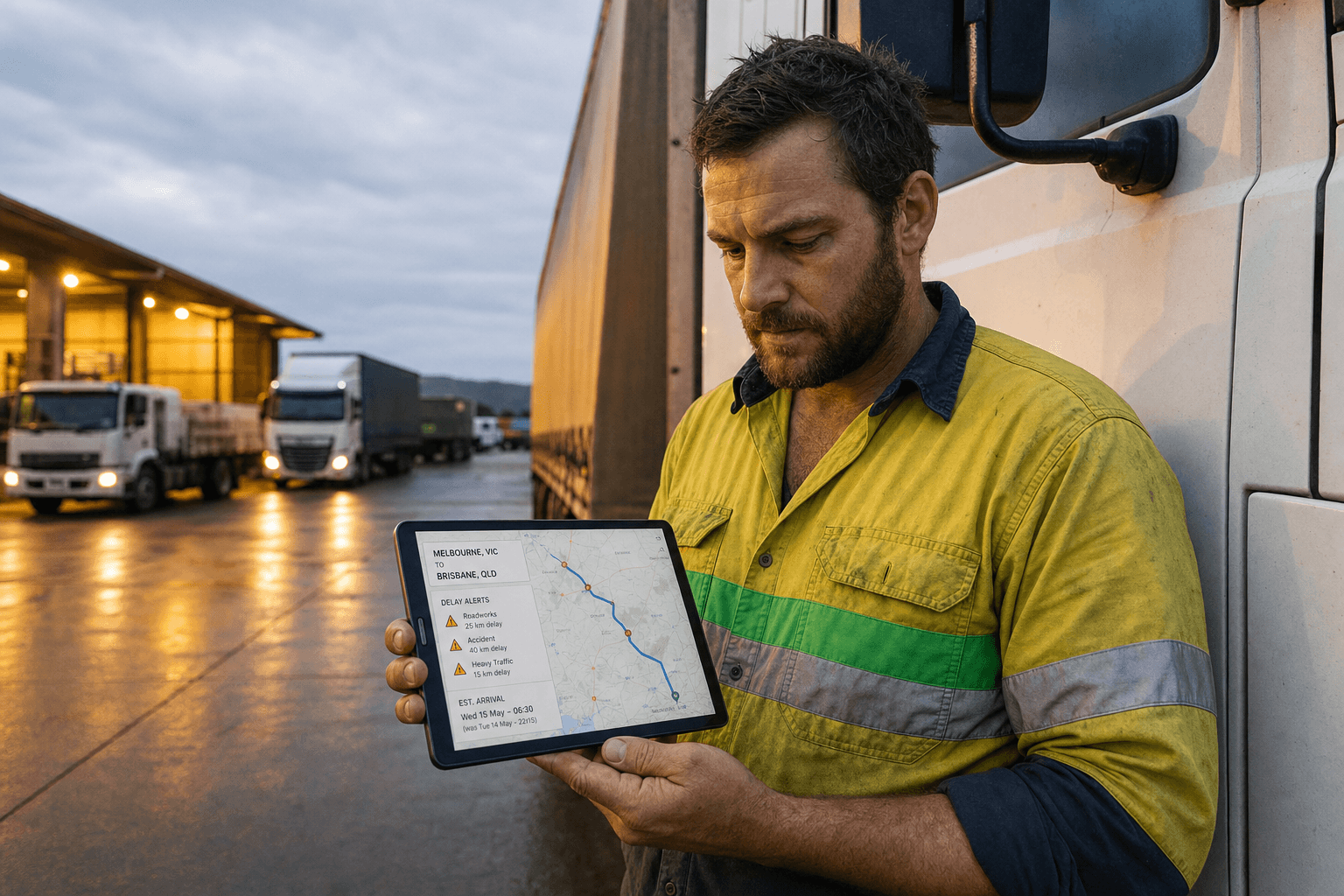
For route-based predictions, AI models factor in time-of-day traffic patterns, construction zones, school zone schedules, and seasonal variations. They learn operational patterns from your specific network — such as which intersections typically cause delays during peak periods, or how weather conditions at major distribution points affect downstream movements.
Warehouse-based delay prediction monitors pick rates, dock availability, labour schedules, and inbound shipment timing. The system can predict when facilities approach capacity constraints or when staffing patterns may impact outbound schedules.
When delays are predicted, automated notifications include estimated arrival times, affected customer communications, and alternative routing suggestions. This gives operations teams hours rather than minutes to implement solutions.
Weather Impact Assessment: Beyond Basic Forecasts
Weather impact assessment goes beyond checking if it's raining. AI models correlate specific weather conditions with historical operational impacts to predict how current forecasts will affect logistics performance.
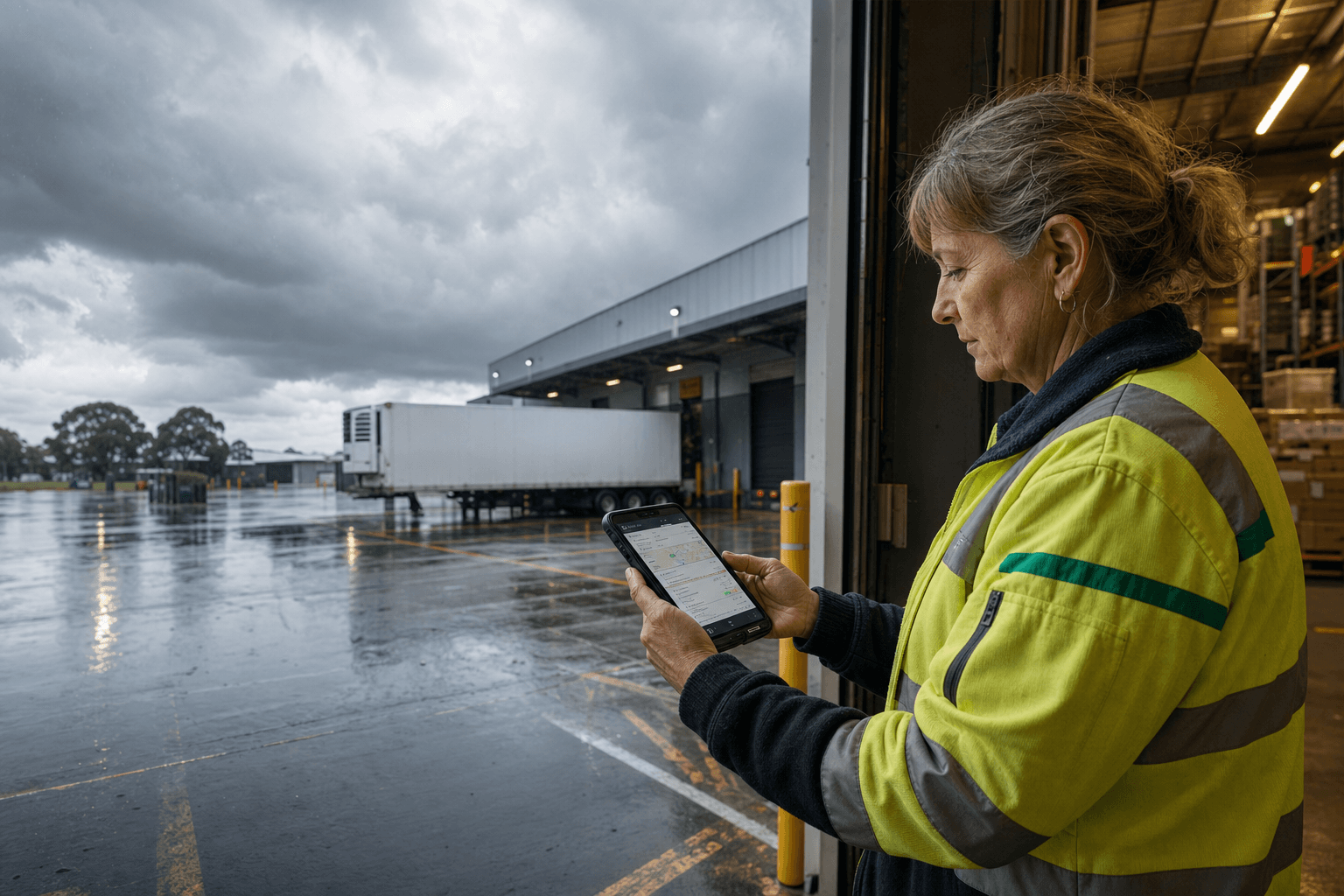
The system learns nuanced relationships from your operational data: light rain might have minimal impact on highway freight but significantly affect last-mile deliveries in areas with challenging access. Wind conditions can impact loading operations at specific facilities based on their geographic exposure and equipment types.
For temperature-sensitive freight, the system monitors not just current temperatures but predicted thermal loads across entire routes. It factors in vehicle refrigeration capacity, door opening schedules, and ambient temperature variations to predict cold chain integrity issues before they occur.
Automated weather alerts include specific operational impacts based on your network's historical performance: "Forecast conditions suggest increased delivery times in affected service areas. Recommend adjusting departure schedules and proactive customer communication."
Capacity Constraint Detection: Preventing Bottlenecks
Capacity constraint detection monitors resource utilisation across the entire logistics network to identify bottlenecks before they cause service failures. The system tracks vehicle availability, driver hours, warehouse dock utilisation, and storage capacity in real-time.
AI models learn capacity patterns specific to your operations: which days typically strain resources, how seasonal demand fluctuations affect different facility zones, and which operational decisions create downstream capacity issues.
For driver capacity, the system monitors hours of service regulations under Australian Heavy Vehicle National Law, predicted fatigue levels based on recent activity, and historical performance patterns. It can predict when drivers approach regulatory limits or when overall fleet capacity may fall short of demand.
Warehouse capacity monitoring considers not just physical space but operational flow. The system recognises when picking density, cross-docking timing, or inbound/outbound balance patterns suggest potential congestion that could impact service levels.
Automated capacity alerts provide specific recommendations based on available resources and historical success patterns: "Facility approaching high utilisation. Consider load balancing options or additional scheduling flexibility."
Automated Mitigation Suggestions: AI as Operations Assistant
Automated mitigation suggestions transform alert systems from problem reporters into solution providers. When AI detects potential exceptions, it doesn't just notify stakeholders — it recommends specific actions based on historical success patterns and current resource availability.
For route exceptions, mitigation suggestions include alternative routing options with predicted outcomes, driver reassignment possibilities, and customer communication templates. The system considers factors like driver familiarity with alternative routes, vehicle suitability for different road types, and customer delivery preferences.
Warehouse exception mitigation might suggest labour reallocation between zones, priority reshuffling for critical shipments, or dock scheduling adjustments. Recommendations are based on what has worked in similar situations while considering current operational constraints.
Integration with Australian Logistics Operations
AI exception alerts integrate with existing Australian logistics technology stacks, including popular TMS and WMS platforms used across the market. The system can connect with local traffic management systems, Bureau of Meteorology feeds, and state-specific road condition APIs.
For operators managing compliance with Chain of Responsibility obligations, the system helps demonstrate proactive risk management by documenting predictive actions taken to prevent fatigue-related incidents and maintain safe operating practices.
Integration also supports AASB S2 emissions reporting requirements by tracking route optimisations and operational efficiency improvements that result from proactive exception management.
Implementation Considerations
Successful AI exception alert implementation requires clean operational data and clear escalation procedures. Many Australian logistics operators find that an ai readiness assessment helps identify data quality issues and process gaps before system deployment.
The system learns from your specific operational patterns, so performance improves over time as more data becomes available. Initial deployment typically focuses on high-impact scenarios where early detection provides the greatest operational benefit.
Training is essential for operations teams to understand alert confidence levels and respond appropriately to different types of predictions. The most successful implementations involve operations staff in system configuration to ensure alerts align with actual decision-making processes.
Moving Beyond Reactive Operations
AI-driven exception alerts represent a fundamental shift from reactive problem-solving to proactive operations management. Instead of responding to disruptions after they occur, logistics operators can prevent problems and minimise their impact on service delivery.
For Australian logistics operators facing increasing customer expectations and operational complexity, predictive exception management provides a competitive advantage through improved reliability and customer service.
The technology transforms operations teams from firefighters into strategic planners, using AI insights to optimise network performance rather than just responding to immediate crises.
Ready to transform your exception management from reactive to predictive? Our team helps Australian logistics operators implement AI-powered alerting systems that prevent problems before they impact service delivery. Get in touch to explore how exception prediction can improve your operational performance.
Zero Footprint
The Zero Footprint team — AI modernisation for Australian logistics.