AI Self-Service Portals for Australian Freight Operations
AI-powered self-service portals transform customer experience for Australian freight operators by providing predictive tracking, intelligent document management, and personalised service recommendations. These systems reduce operational costs while meeting modern customer expectations.
AI Self-Service Portals: Transforming Customer Experience in Australian Freight Operations
Customer self-service portals have become critical infrastructure for Australian freight operators facing increased customer expectations and operational pressures. These digital platforms allow clients to track shipments, access documents, request quotes, and manage bookings independently — but traditional portals often fall short of modern customer expectations.
The challenge for Australian freight operators is clear: customers now expect Amazon-level transparency and control over their freight movements, while operators need to reduce manual workload without compromising service quality. AI-powered self-service portals address both needs by creating intelligent, proactive customer experiences that anticipate needs rather than simply responding to requests.
How AI Transforms Customer Self-Service in Freight Operations
Traditional freight portals function as digital filing cabinets — customers must know what they're looking for and where to find it. AI transforms these static platforms into intelligent assistants that understand context, predict needs, and surface relevant information automatically.
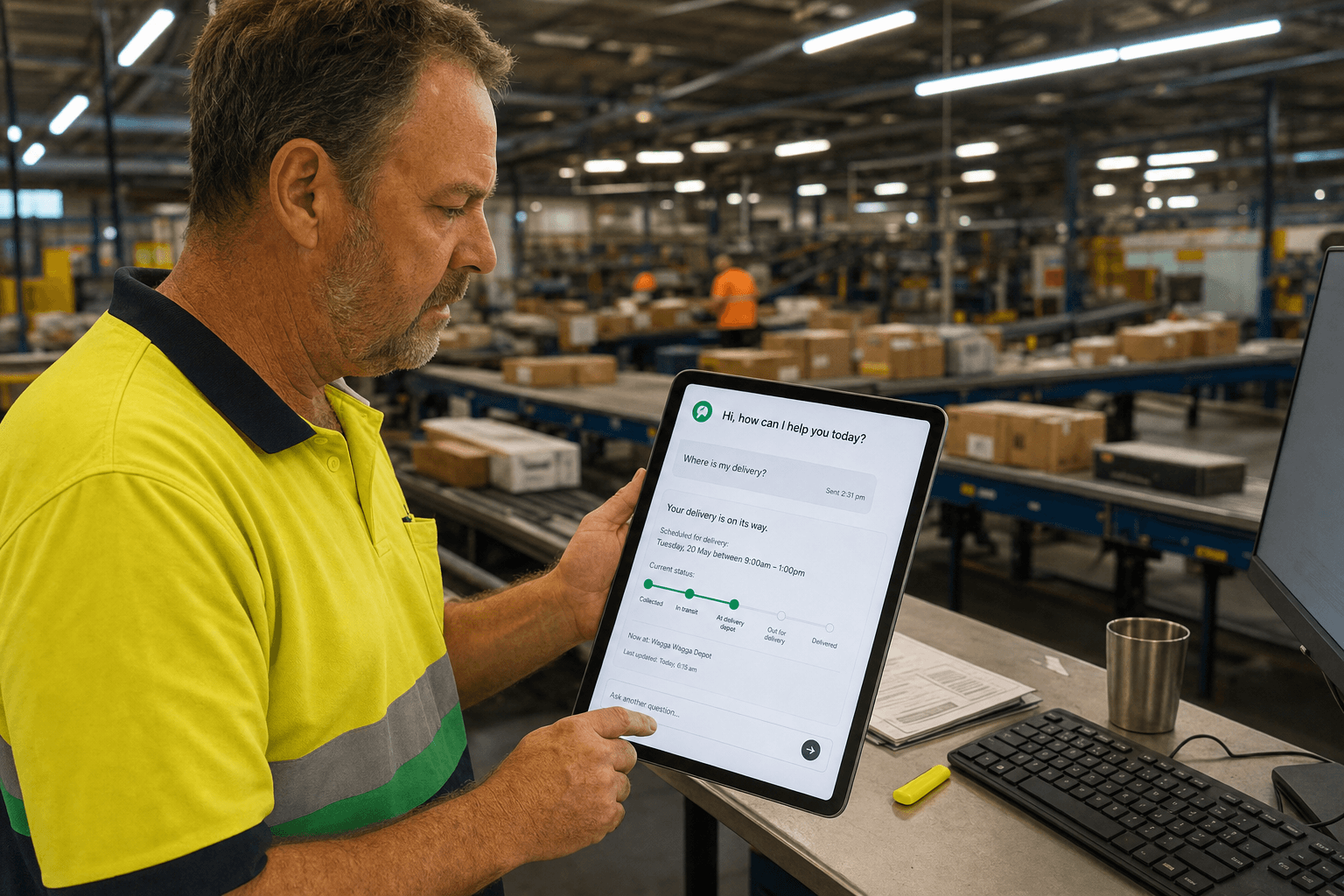
Machine learning algorithms analyse customer behaviour patterns to identify what information different user types need most frequently. Natural language processing enables conversational search capabilities, allowing customers to ask questions like "Where are my Melbourne deliveries today?" instead of navigating complex menu structures.
For Australian operators, this intelligence layer addresses common operational pain points: reduced phone calls to customer service, fewer data entry errors, and improved customer satisfaction scores. More importantly, AI helps operators compete with larger players who have traditionally held technology advantages.
Core AI Features for Freight Self-Service Portals
Predictive Shipment Tracking and Notifications
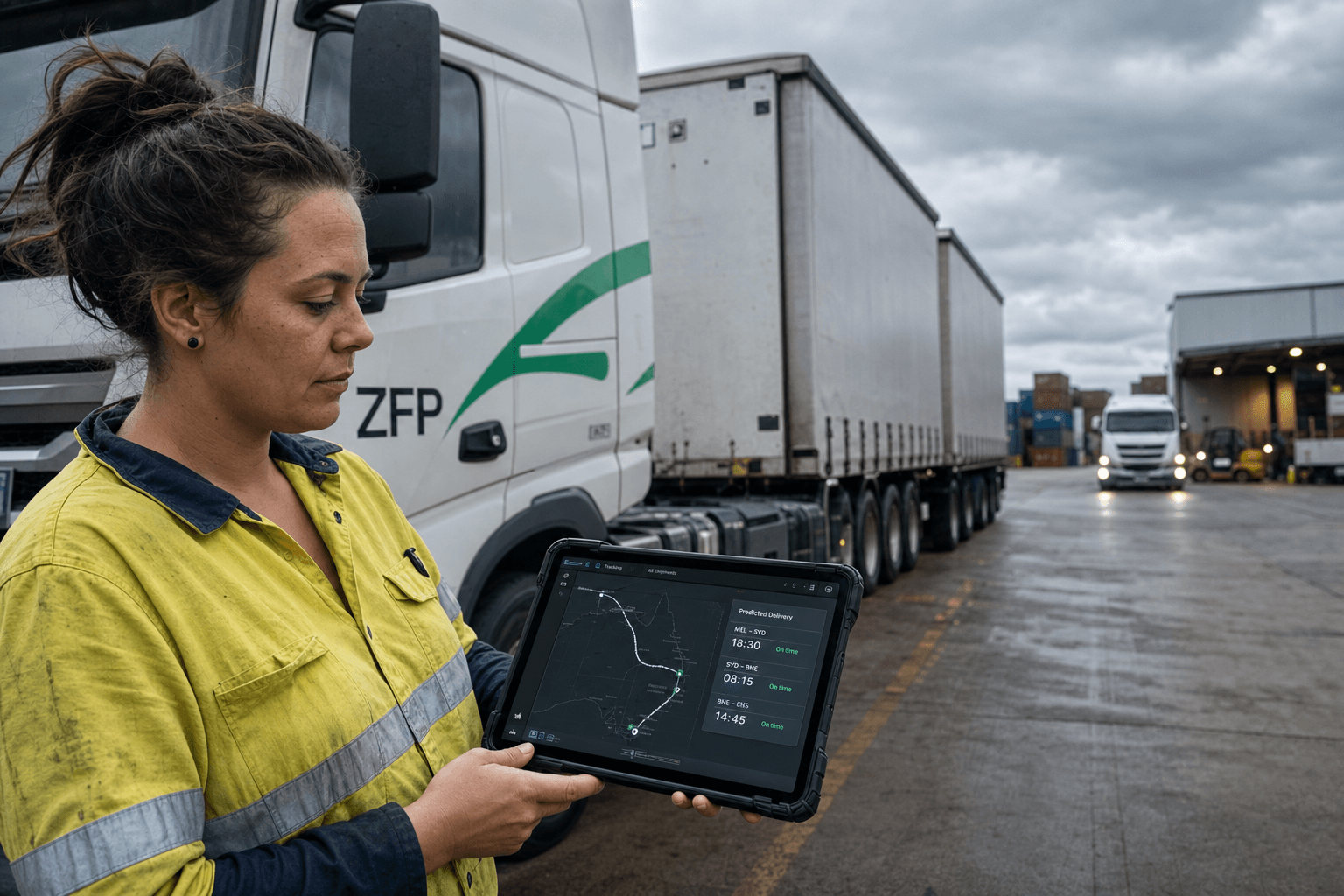
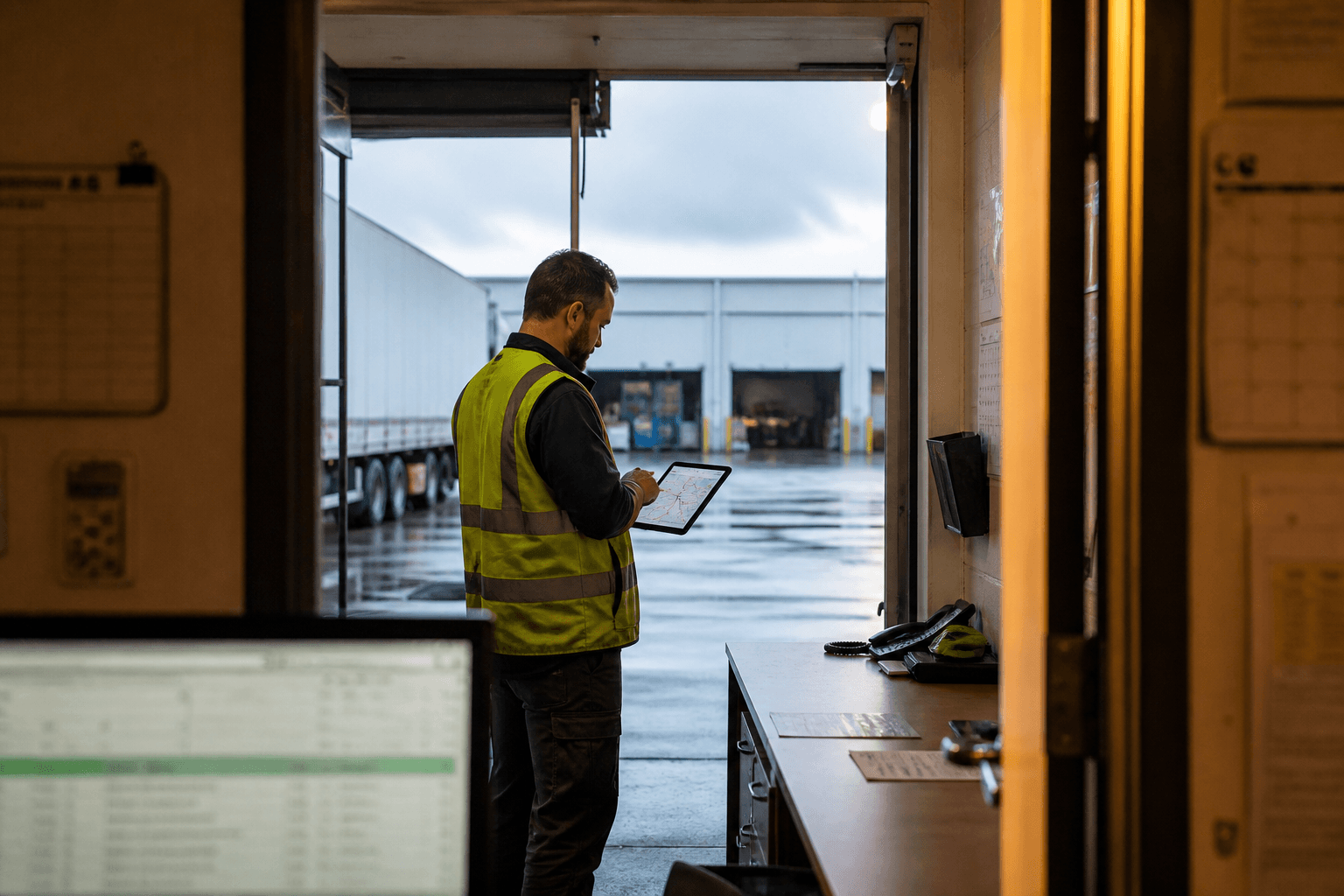
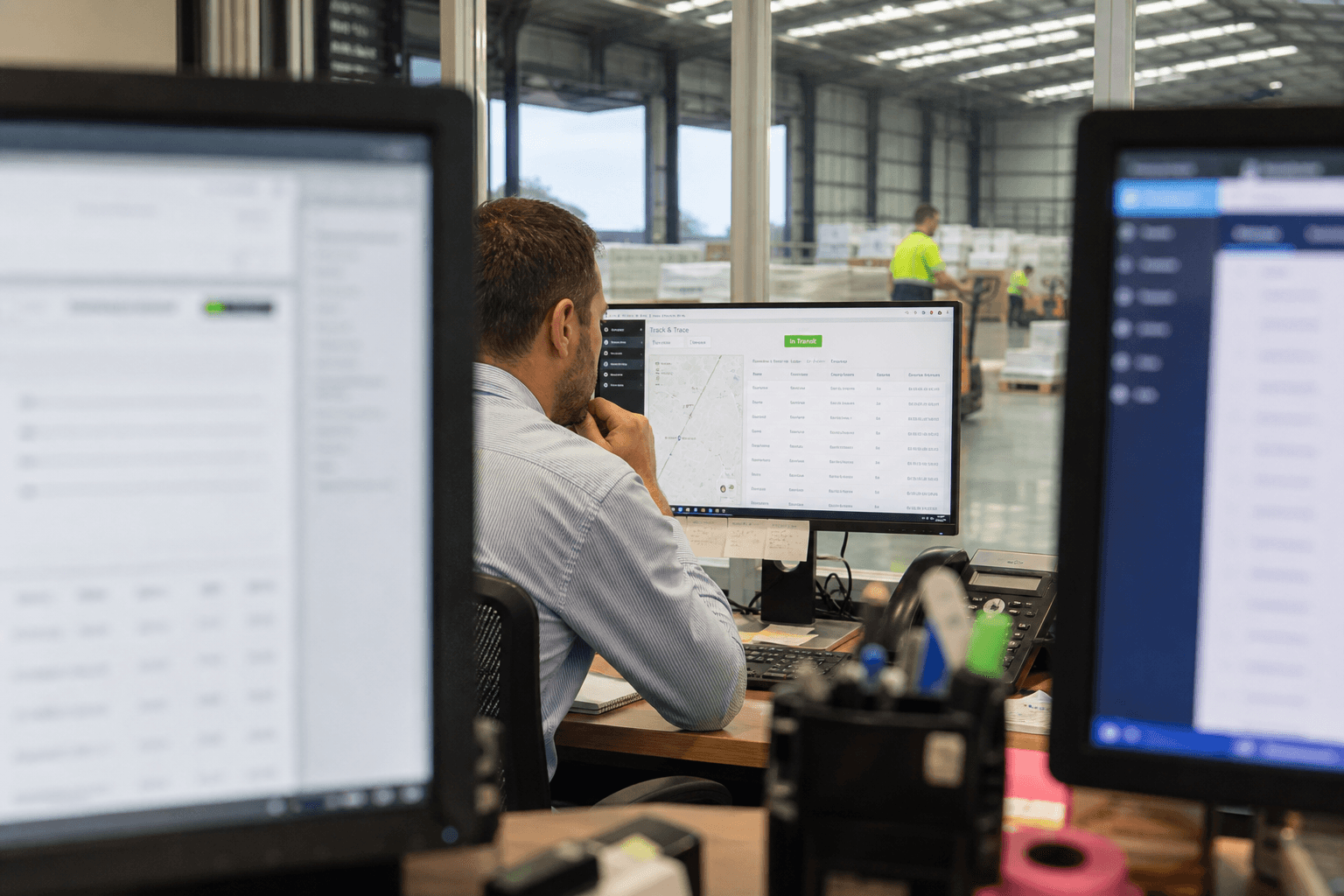
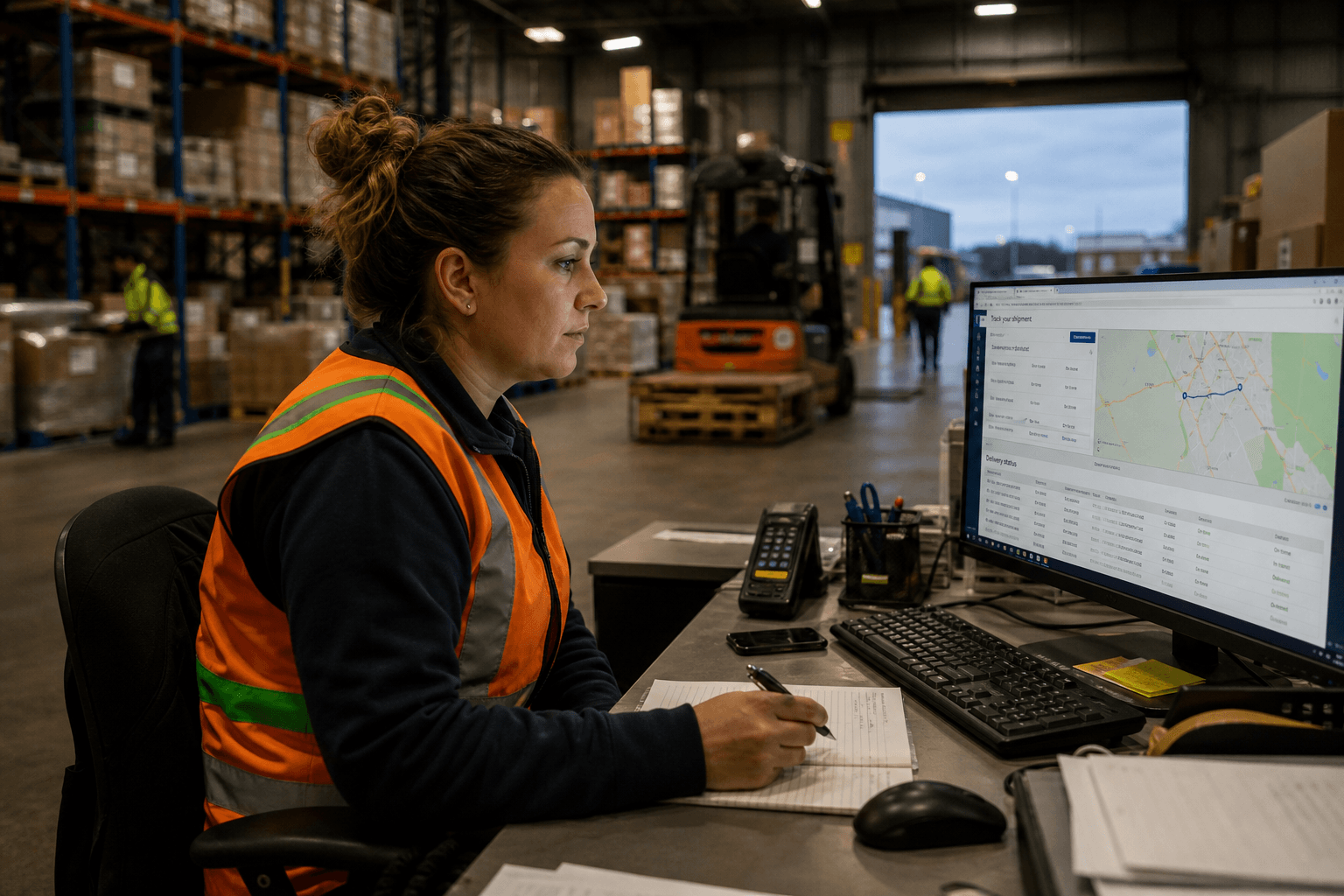
Modern freight tracking goes far beyond "in transit" status updates. AI-powered tracking systems integrate GPS data, traffic conditions, weather patterns, and historical performance to provide accurate delivery predictions and proactive exception management.
The system automatically identifies potential delays before they occur — such as traffic incidents affecting delivery routes or weather conditions impacting interstate transport. Customers receive contextual notifications with alternative solutions rather than generic delay announcements.
For Australian operators managing long-haul routes between capital cities, this predictive capability is particularly valuable. Interstate freight faces unique challenges including border restrictions, weather events, and infrastructure limitations that AI can help anticipate and communicate.
Intelligent Document Management and Retrieval
Freight operations generate substantial paperwork — bills of lading, proof of delivery, customs documents, and compliance certificates. AI-powered document management uses document intelligence to automatically categorise, tag, and make this information searchable.
Optical character recognition makes scanned documents fully text-searchable, while machine learning algorithms learn from customer behaviour to prioritise frequently requested documents. Customers can search using natural language queries rather than remembering specific document reference numbers.
This capability particularly benefits Australian operators managing complex supply chains involving multiple states, regulatory jurisdictions, and compliance requirements. The system can automatically surface relevant compliance documentation based on shipment destinations or cargo types.
Dynamic Quoting with Real-Time Market Intelligence
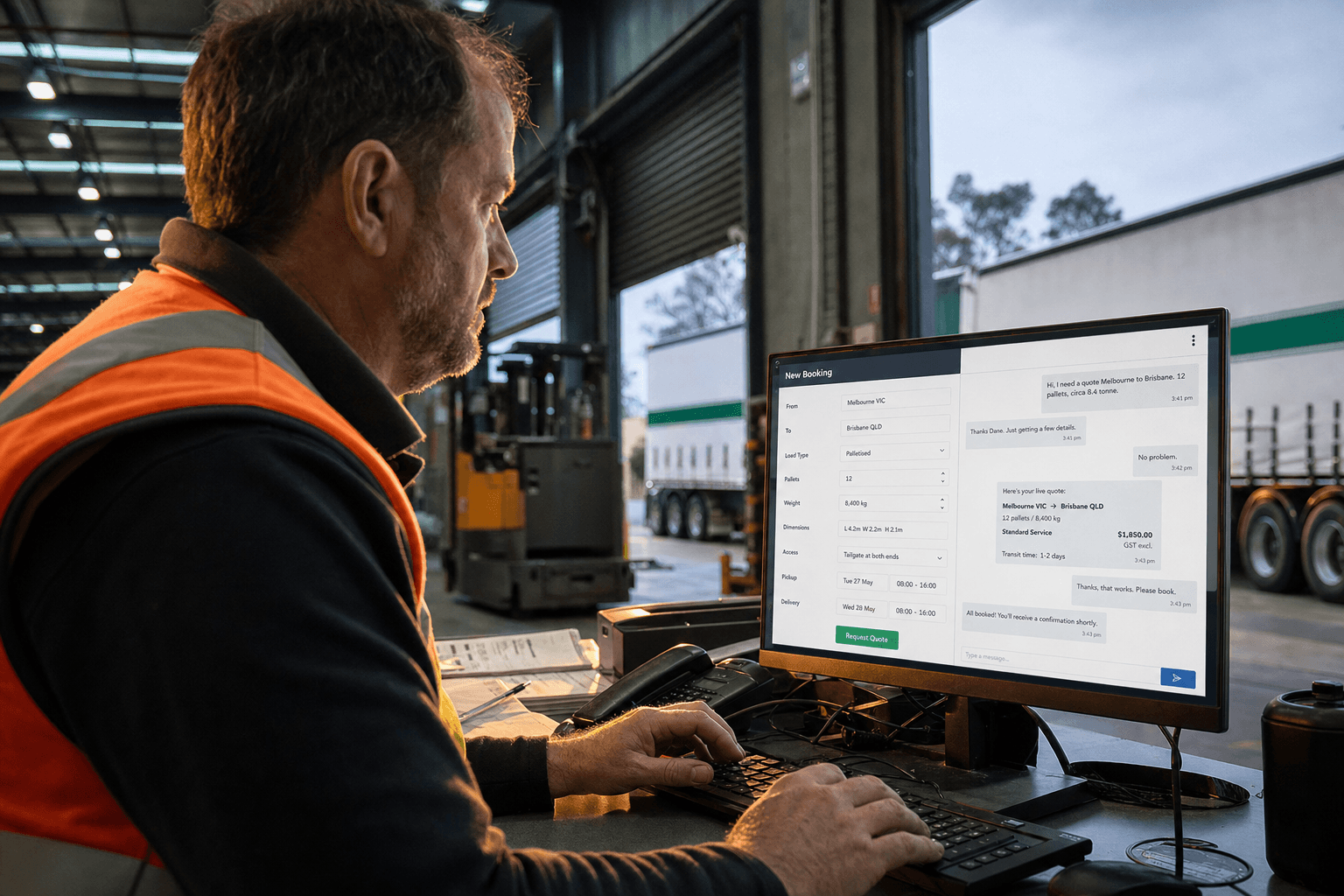
AI-enhanced quoting systems analyse multiple variables simultaneously — route density, fuel costs, seasonal demand patterns, customer history, and current capacity utilisation — to provide instant, accurate pricing.
For Australian freight operators, this addresses the challenge of pricing interstate routes where costs vary significantly based on factors like return load availability, seasonal demand fluctuations, and fuel price variations between states.
The system learns from successful bookings to improve quote accuracy over time, while dynamic pricing algorithms adjust rates based on real-time market conditions. Customers receive multiple service options with clear trade-offs between cost, transit time, and service levels.
Automated Booking Validation and Scheduling
Booking automation streamlines freight ordering through intelligent form completion and validation. AI systems pre-populate booking forms based on customer shipping patterns and historical data, significantly reducing data entry time and errors.
The system validates Australian addresses against postal databases, suggests optimal service types based on destination and cargo characteristics, and flags potential issues before booking confirmation. Integration with warehouse management systems enables real-time capacity checks and automated scheduling.
This automation particularly benefits customers with regular shipping patterns — such as manufacturers with weekly deliveries to distribution centres — by learning their preferences and streamlining the booking process.
AI-Powered Claims Processing
Claims management represents a significant cost and resource drain for freight operators. AI automation transforms this process through computer vision analysis of damage photos, natural language processing of claim descriptions, and automated document gathering.
The system can assess claim validity, estimate settlement amounts, and route cases to appropriate handlers based on complexity and value. Simple, clearly documented claims can be processed automatically, while complex cases receive human attention.
For Australian operators managing insurance claims across multiple states with different regulatory requirements, AI ensures consistent processing while maintaining compliance with local regulations.
Personalisation Through Customer Intelligence
Predictive Service Recommendations
AI analyses individual customer shipping patterns to predict future needs and recommend relevant services. The system might identify that a customer consistently ships temperature-sensitive products during summer months and proactively suggest climate-controlled transport options.
For Australian operators, this intelligence helps identify cross-selling opportunities while improving customer service. The system can recommend consolidation for customers with multiple small shipments or suggest express services for time-critical freight based on historical patterns.
Adaptive Dashboard Interfaces
Machine learning algorithms personalise portal interfaces based on individual usage patterns. Customers who frequently download compliance documents see these functions prominently displayed, while those primarily focused on tracking get enhanced visibility into shipment status.
The system learns which metrics matter most to each customer — on-time performance, cost per shipment, or carbon footprint — and adjusts dashboard displays accordingly. This personalisation reduces cognitive load and improves user satisfaction.
Intelligent Communication Preferences
AI-powered notification systems learn customer preferences for communication frequency, timing, and channel selection. The system identifies which types of updates each customer values most and adjusts notification settings to reduce information overload while ensuring critical updates reach customers when needed.
For B2B freight customers managing multiple shipments simultaneously, this intelligent filtering prevents notification fatigue while maintaining visibility into critical exceptions or delays.
Implementation Considerations for Australian Freight Operators
Legacy System Integration Challenges
Most established Australian freight operators run legacy transport management systems (TMS) and warehouse management systems (WMS) that require careful integration with modern AI-powered portals. API-first architecture ensures seamless data flow between systems without disrupting existing operations.
The key is implementing integration layers that can extract data from legacy systems, normalise it for AI processing, and present unified information through modern interfaces. This approach allows operators to modernise customer-facing capabilities without replacing core operational systems.
Data Quality and Standardisation Requirements
AI systems require clean, standardised data to function effectively. Many Australian freight operators struggle with inconsistent data entry, incomplete records, and fragmented information across multiple systems.
Successful portal implementations require data quality improvement initiatives alongside technology deployment. This includes standardising customer records, normalising product codes, and ensuring consistent location data across all systems.
Compliance with Australian Privacy Regulations
AI-powered customer portals must comply with Australian Privacy Principles under the Privacy Act. This includes obtaining appropriate consent for data collection, ensuring secure data storage, and providing customers with visibility into how their information is used.
Operators must implement robust security measures including encrypted data transmission, secure authentication systems, and regular security audits to protect customer information and maintain compliance.
Change Management and Customer Adoption
Successful portal deployment requires structured change management to drive customer adoption. Many freight customers, particularly smaller businesses, prefer phone-based interaction and may resist self-service options.
Effective implementation includes customer training programs, gradual feature rollouts, and maintaining parallel support channels during transition periods. The goal is demonstrating value rather than forcing adoption.
Measuring Success and ROI
Australian freight operators implementing AI-powered self-service portals typically track several key performance indicators to measure success:
Customer Service Efficiency: Reduction in phone calls to customer service, decreased response times, and improved first-call resolution rates indicate successful portal adoption.
Operational Accuracy: Fewer booking errors, reduced document retrieval requests, and decreased claims processing time demonstrate improved operational efficiency.
Customer Satisfaction: Portal usage rates, customer satisfaction scores, and customer retention metrics provide insight into user experience quality.
Revenue Impact: Increased booking conversion rates, higher average shipment values, and improved customer lifetime value indicate business impact.
Building Competitive Advantage Through AI
For Australian freight operators competing against larger national players, AI-powered self-service portals represent an opportunity to level the playing field. Smaller operators can implement sophisticated customer experience capabilities that rival those of major logistics companies.
The key advantage lies in personalisation and responsiveness. While large operators often provide generic portal experiences, mid-market operators can use AI to deliver highly personalised service that reflects their customer-focused approach.
Successful implementations focus on solving specific customer pain points rather than implementing technology for its own sake. The most effective portals address real operational challenges while improving the customer experience.
Getting Started with AI-Powered Customer Portals
Implementing AI-powered self-service portals requires careful planning and realistic expectations. Start with an AI readiness assessment to understand current system capabilities and identify integration requirements.
Focus on high-impact, low-risk features first — such as intelligent shipment tracking and document search — before implementing more complex capabilities like dynamic pricing or automated claims processing.
Success depends on understanding your customers' specific needs and building solutions that address real operational challenges. The most effective portals combine AI intelligence with deep understanding of Australian freight operations and customer expectations.
Ready to explore how AI can transform your customer experience? Get in touch to discuss your specific requirements and learn about implementation approaches that work for Australian freight operators.
Zero Footprint
The Zero Footprint team — AI modernisation for Australian logistics.