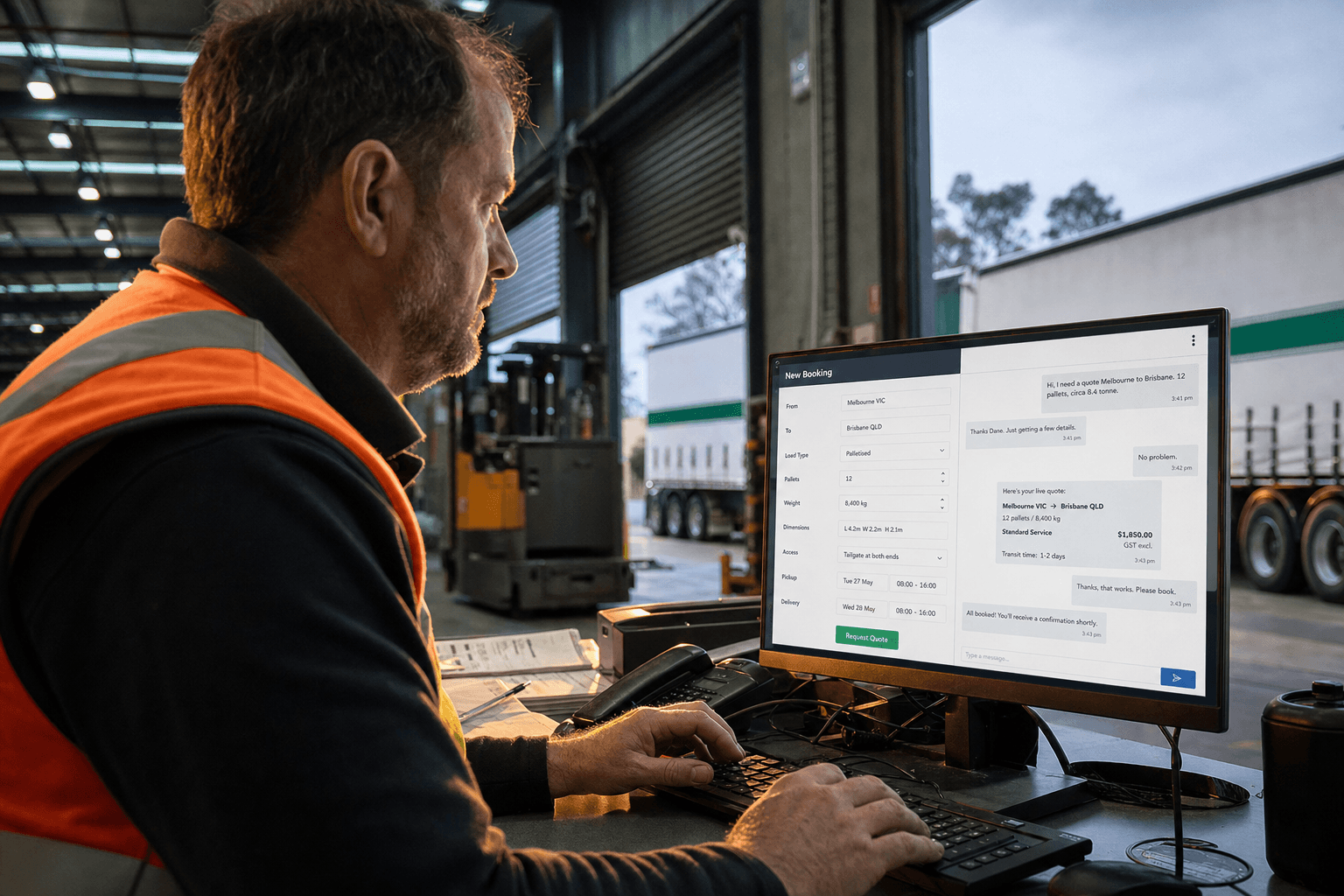
Change Management for AI Adoption in Logistics Operations
Successful AI adoption in logistics requires managing the human side of change. Learn practical strategies for stakeholder engagement, training programs, and overcoming resistance patterns.

Change Management for AI Adoption in Logistics Operations
Successful AI adoption in logistics isn't just about technology — it's about managing the human side of change. Australian logistics operators who focus on the people aspects typically see stronger adoption and faster time-to-value from their AI investments.
The reality is straightforward: even the best AI solution fails without proper change management. Your drivers, warehouse staff, and dispatchers need to understand, accept, and actively use these new tools for any meaningful operational improvement.
Why Change Management Matters for AI in Logistics
Logistics AI projects face unique adoption challenges — not because the technology doesn't work, but because teams resist workflow changes. Unlike consumer apps, logistics AI directly changes how people do their daily work.
Your warehouse supervisor who's been manually allocating pick routes for years needs to trust an algorithm. Your experienced dispatcher must adapt to AI-powered route planning. These aren't small adjustments — they're fundamental shifts in workflow and decision-making authority.
The stakes are higher in logistics because AI recommendations directly impact customer deliveries, cost per shipment, and safety outcomes. Staff understand that getting it wrong means missed SLAs, increased costs, or safety incidents.
Common Resistance Patterns in Logistics AI Adoption
"The Algorithm Doesn't Understand Our Routes"
Experienced drivers and dispatchers often resist route optimisation because they believe local knowledge trumps algorithmic recommendations. They're not wrong — AI systems need real-world constraints and exceptions built in.
Address this by involving route experts in the AI training process. Show them how the system learns from their input and incorporate their feedback into the model. Make it collaborative, not replacement-based.
"This Will Cost Me My Job"
Warehouse staff frequently worry that automation means redundancy. In reality, most logistics AI augments human decision-making rather than replacing workers entirely.
Be transparent about AI's role from day one. Explain which tasks the system will handle and which remain human responsibilities. Focus on how AI frees up time for higher-value work like customer service or process improvement.
"We've Tried Tech Before and It Failed"
Many logistics operators have been burned by previous technology implementations — usually systems that promised everything but delivered little practical value.
Acknowledge past disappointments directly. Explain how your AI approach differs, particularly around data requirements and realistic timelines. Start with small, measurable wins to rebuild confidence.
Stakeholder Engagement Strategies
Operations Teams: Show, Don't Tell
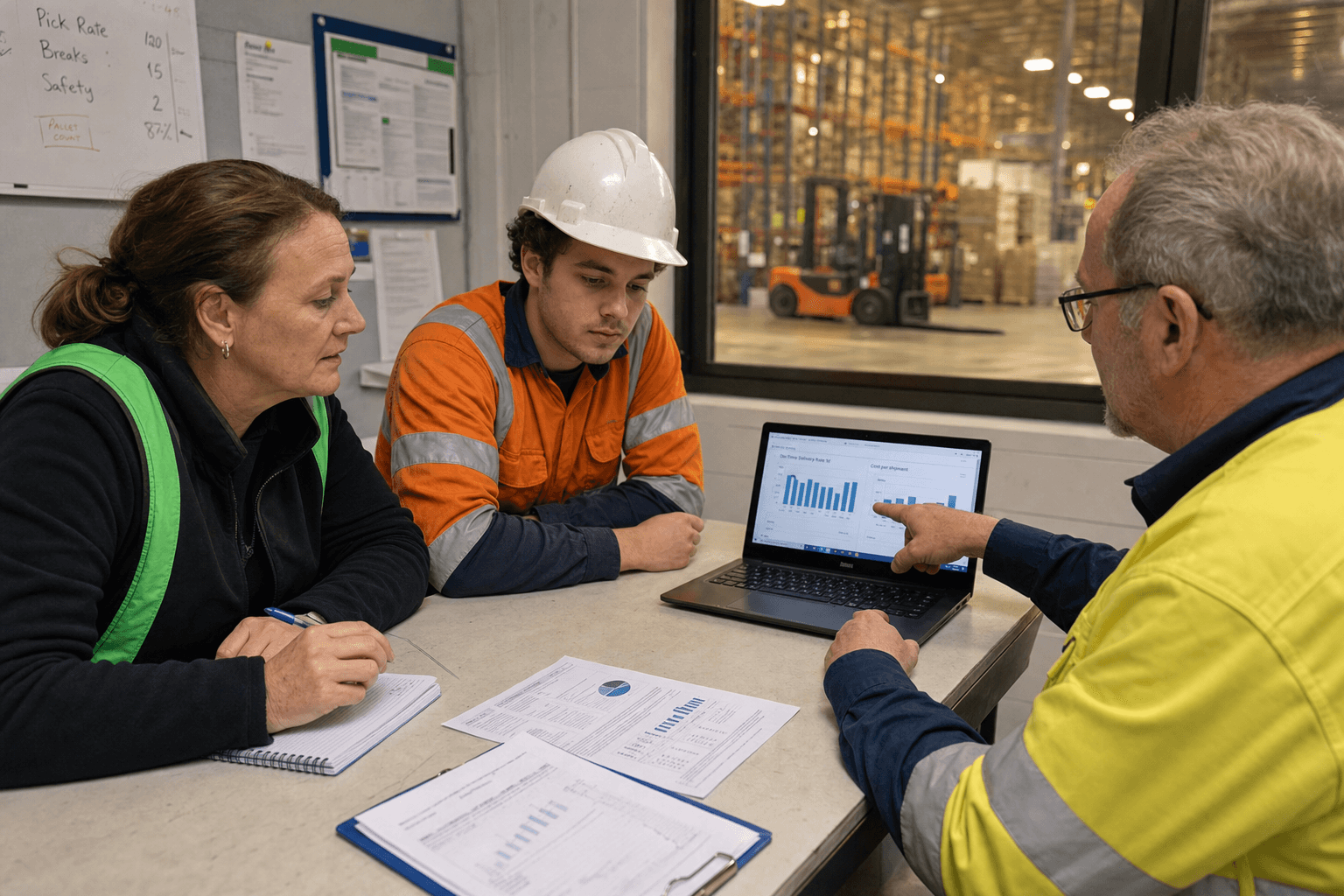
Operations staff respond to concrete demonstrations over abstract benefits. Instead of explaining how AI works, show them specific examples using their actual data.
Run side-by-side comparisons where possible. Show the AI recommendation alongside the current manual approach, then track performance differences over time. Let the results speak for themselves.
Management: Focus on Business Outcomes
Senior leadership needs to see clear connections between AI adoption and business metrics they care about — cost per shipment, on-time delivery rates, or customer satisfaction scores.
Present regular progress updates with specific numbers. Frame improvements in operational language that resonates with logistics experience.
IT Teams: Address Integration Concerns
IT departments worry about system integration, data security, and ongoing maintenance. These are legitimate concerns that need structured responses.
Provide detailed technical documentation, security protocols, and integration timelines. Include IT in pilot planning so they understand resource requirements and can prepare accordingly.
Building Effective Training Programs
Start With the Why
Training programs that begin with technical features usually fail. Instead, start with business context — why the company is implementing AI and how it helps achieve operational goals.
Connect AI capabilities to problems your team experiences daily. If warehouse staff struggle with pick path efficiency, show how AI addresses that specific pain point.
Hands-On Learning Over Presentations
Logistics staff learn by doing, not by sitting through slide presentations. Structure training around actual work scenarios using real company data.
Create realistic simulations where staff can experiment with AI recommendations without impacting live operations. Let them make mistakes and see consequences in a safe environment.
Role-Specific Training Paths
Dispatcher training needs differ significantly from warehouse supervisor or driver training. Develop role-specific programs that focus on how each person will interact with AI in their daily work.
Typically, different roles require different training approaches:
- Dispatchers need deep training on route optimisation interfaces and exception handling
- Warehouse supervisors focus on pick path algorithms and performance monitoring
- Drivers require mobile app training and feedback system usage
- Managers need dashboard interpretation and KPI tracking skills
Training duration varies based on role complexity and existing technical comfort levels. Most logistics operators find that structured, hands-on sessions work better than lengthy presentations.
Pilot-to-Production Transition Strategies
Start Small and Specific
Successful AI rollouts begin with narrow, well-defined pilots. Choose one route, one warehouse zone, or one specific process rather than attempting company-wide implementation.
This contained approach lets you refine both the technology and change management processes before broader rollout. It also creates internal success stories that help with wider adoption.
Build Internal Champions
Identify early adopters within each team who can become AI advocates. These champions help address peer concerns and demonstrate practical benefits to colleagues who might be sceptical.
Champions should come from respected team members, not just management appointees. Their credibility with frontline staff makes them more effective at driving adoption.
Monitor Adoption Metrics
Track both technical metrics (system usage, accuracy rates) and human metrics (user satisfaction, training completion, feedback quality). Both categories matter for long-term success.
Regular check-ins with different user groups help identify adoption barriers before they become major problems.
Supporting Long-Term Adoption
Continuous Feedback Loops
Establish regular channels for staff to report issues, suggest improvements, and share success stories. AI systems improve with user input, making feedback valuable for both technology and change management.
Quarterly user surveys, monthly team meetings, and ongoing suggestion systems help maintain engagement beyond initial implementation.
Celebrate Wins
Recognise teams and individuals who embrace AI tools effectively. Share success stories that show real operational improvements and acknowledge the people who made them possible.
Public recognition reinforces positive adoption behaviour and encourages others to engage more fully with AI systems.
Plan for Ongoing Evolution
AI capabilities evolve continuously. Plan change management as an ongoing process rather than a one-time implementation project. Regular training updates and communication about new features keep adoption momentum going.
Getting Change Management Right
Change management for AI in logistics requires understanding both the technology and the people using it. Focus on practical benefits, address genuine concerns, and involve users in the implementation process.
The most successful implementations treat AI as a collaborative tool rather than a replacement system. When your team understands how AI helps them do their jobs better, adoption follows naturally.
Starting with an AI readiness assessment helps identify change management requirements alongside technical considerations. This combined approach addresses both the technology and human factors that determine AI success.
For more insights on logistics AI implementation, explore our blog or get in touch to discuss your specific change management challenges.
Zero Footprint
The Zero Footprint team — AI modernisation for Australian logistics.