Conversational AI for Freight Enquiries: Australian Logistics Guide
Conversational AI transforms freight enquiry handling by automating quote generation, booking management, and customer interactions 24/7. Modern systems integrate with TMS/WMS platforms to provide instant responses while escalating complex requests to human operators.
Conversational AI for Freight Enquiries: A Practical Guide for Australian Logistics
Conversational AI is transforming how Australian freight companies handle enquiries and bookings by automating routine interactions while maintaining the personal touch customers expect. Modern systems can process quote requests, check capacity, and manage bookings 24/7, freeing your team to focus on complex negotiations and relationship management.
For logistics operators dealing with hundreds of daily enquiries, conversational AI offers a practical solution to common operational bottlenecks without requiring massive technology overhauls.
How Conversational AI Works in Freight Operations
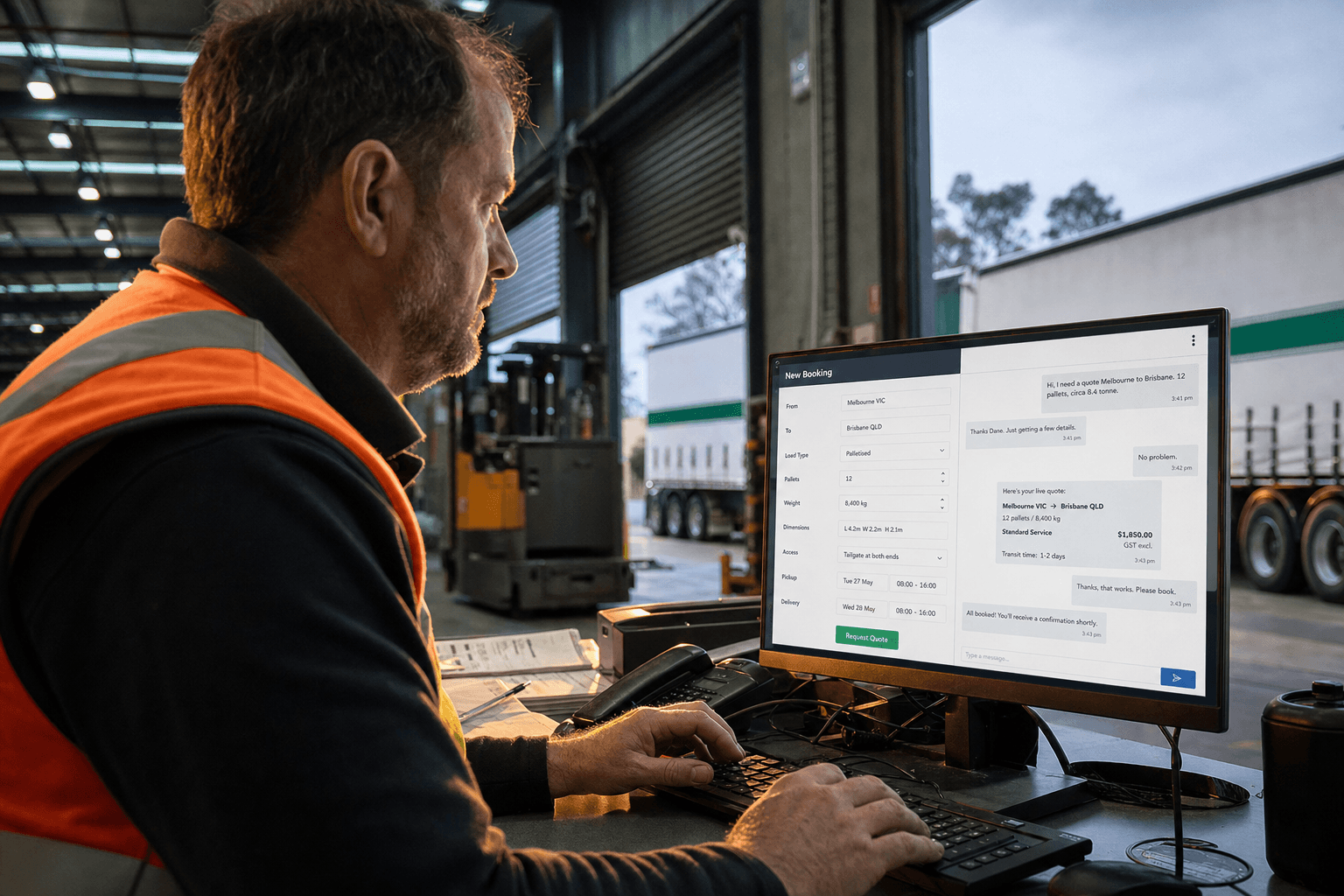
Conversational AI for freight combines natural language understanding (NLU) with logistics-specific knowledge to handle customer interactions through chat, voice, or messaging platforms. The system interprets requests like "I need a truck from Melbourne to Brisbane for 2 pallets next Tuesday" and translates this into structured data your TMS can process.
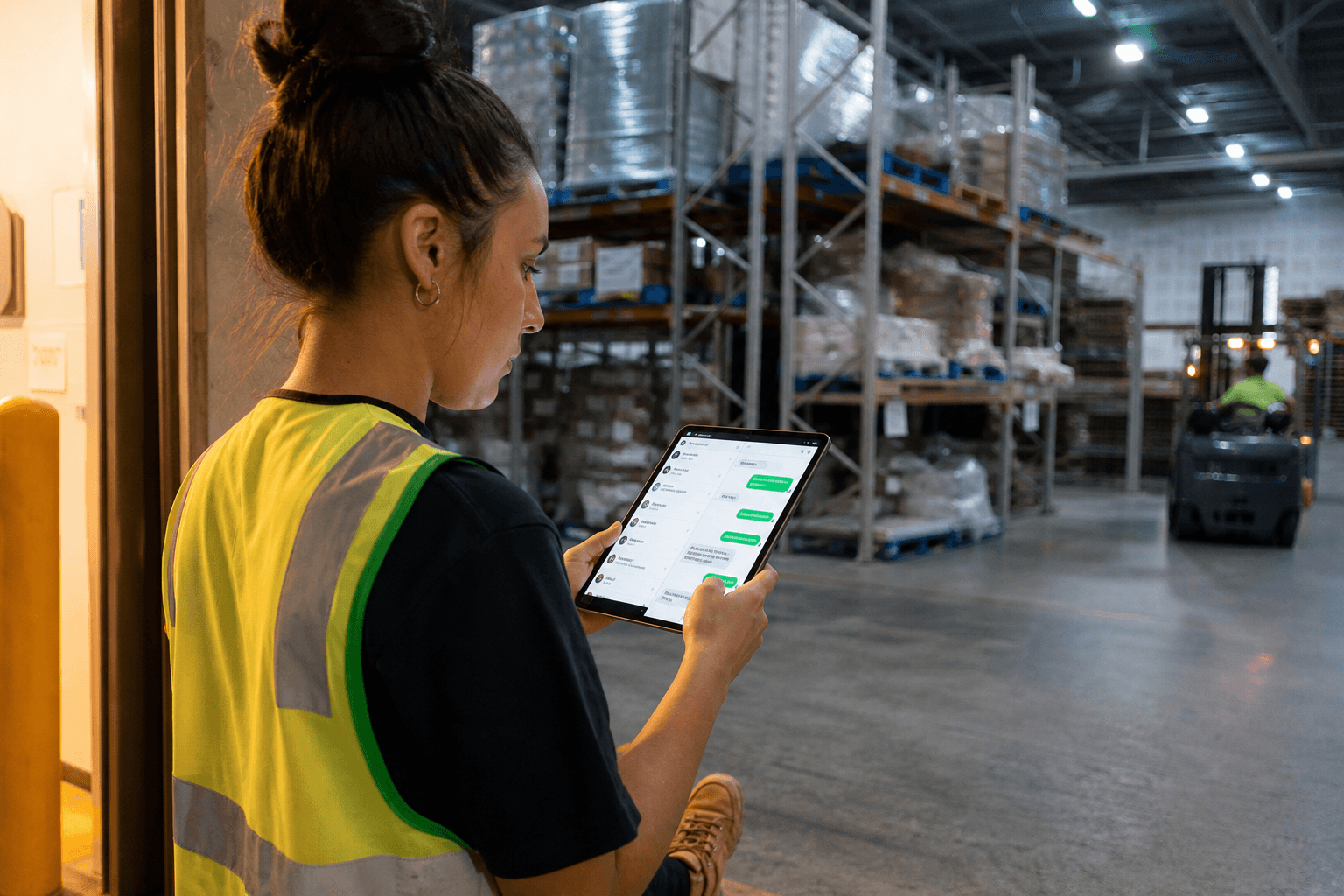
The technology sits between your customers and existing systems, acting as an intelligent interface that understands freight terminology, route requirements, and booking constraints. Unlike simple rule-based chatbots, modern conversational AI learns from interactions and improves over time.
Core Components of Freight Conversational AI
Natural Language Understanding (NLU) processes customer requests, extracting key information like pickup location, destination, cargo type, dimensions, and timing requirements. Australian logistics terminology requires specialised training data covering local terminology, suburb recognition, and freight classifications.
Integration Layer connects the AI to your transport management system (TMS), warehouse management system (WMS), and pricing engines. This allows real-time capacity checks, rate calculations, and booking confirmations without manual intervention.
Business Logic Engine applies your company's specific rules for pricing, routing, capacity allocation, and customer preferences. This ensures the AI responds consistently with your operational policies and commercial arrangements.
Quote Generation and Capacity Management
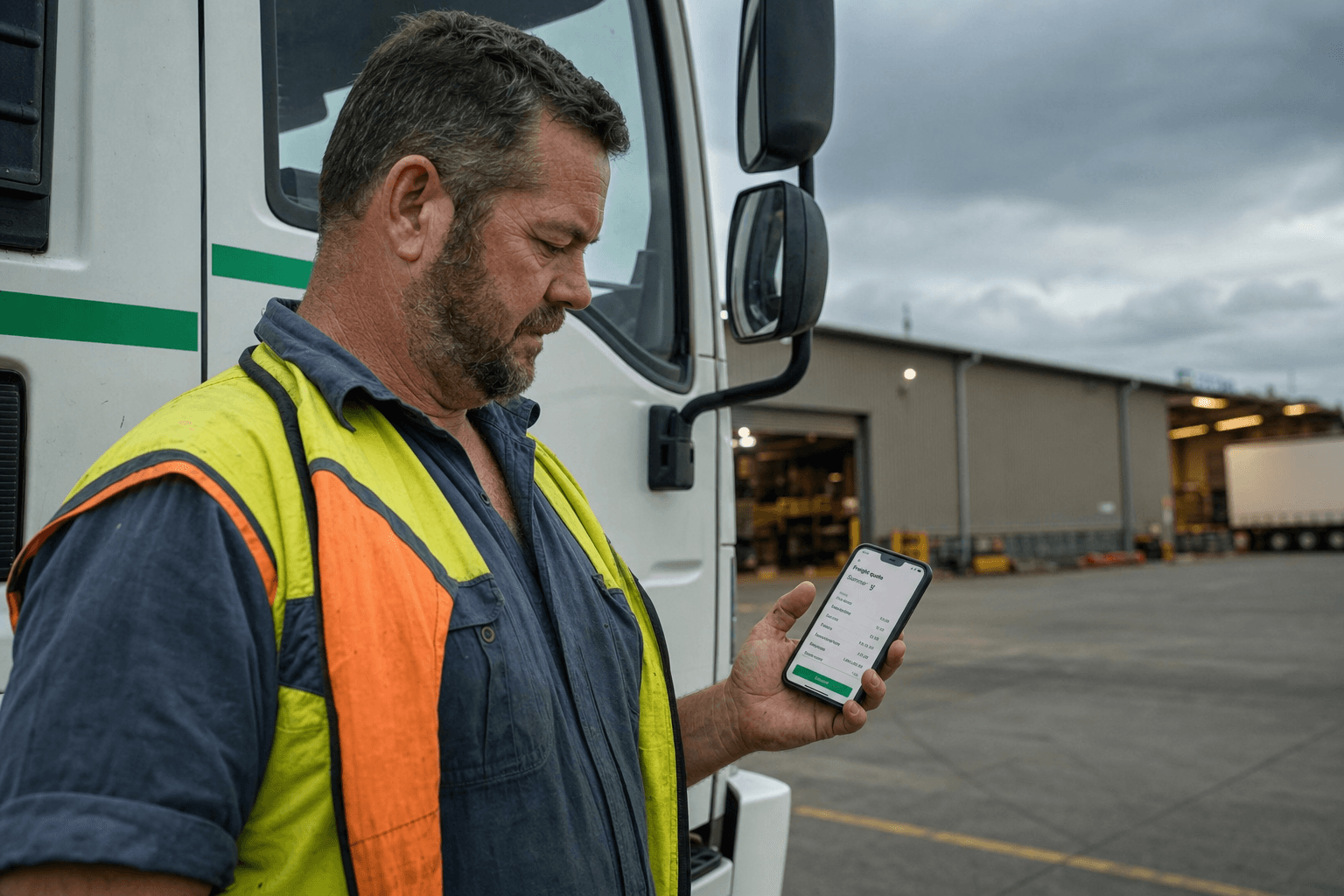
Modern conversational AI systems can generate accurate freight quotes by accessing real-time data from your TMS and pricing systems. When a customer requests a quote, the AI extracts shipment details, checks available capacity, calculates rates based on your pricing matrix, and provides an immediate response.
| Traditional Process | With Conversational AI |
|---|---|
| Customer calls during business hours | 24/7 availability via chat or voice |
| Manual quote preparation (30-60 minutes) | Instant quote generation |
| Email or phone follow-up required | Immediate booking option |
| Limited to office hours | Always-on customer service |
The system can handle complex scenarios like multi-leg journeys, special handling requirements, and volume discounts by applying your established business rules. For quotes requiring human expertise, the AI seamlessly escalates to your commercial team with all relevant context preserved.
Integration with TMS and WMS Systems
Effective conversational AI requires deep integration with your existing logistics systems to provide accurate, real-time information. The AI needs access to vehicle schedules, warehouse capacity, inventory levels, and customer-specific pricing arrangements.
TMS Integration enables the AI to check driver availability, route feasibility, and delivery windows. When processing a booking request, the system can confirm pickup slots, estimate transit times, and even suggest optimal consolidation opportunities.
WMS Integration allows the AI to verify warehouse capacity, storage requirements, and handling capabilities. This is particularly important for temperature-controlled freight, hazardous goods, or oversized cargo that requires special facilities.
Customer Database Integration ensures the AI recognises returning customers, applies their specific pricing agreements, and accesses their shipping preferences and restrictions.
Escalation Logic and Human Handoff
Smart escalation rules ensure complex enquiries reach human operators while routine requests are handled automatically. The system should escalate based on factors like shipment value, special handling requirements, new customer status, or unusual route requests.
Typical escalation triggers include:
- Shipments exceeding predetermined value thresholds
- Hazardous goods or special permits required
- International freight with customs requirements
- Customer complaints or service issues
- Requests outside normal operating parameters
When escalating, the AI provides the human operator with complete context, including customer history, shipment details, and previous interaction logs. This ensures smooth handoffs without customers repeating information.
Australian Market Adoption Patterns
Australian logistics companies are adopting conversational AI gradually, starting with simple enquiry handling before expanding to complex booking management. Early adopters report significant improvements in response times and customer satisfaction, particularly for routine quote requests and shipment tracking.
Geographic Considerations for Australian implementation include recognising local suburbs, understanding state-based transport regulations, and handling cross-border freight requirements between states.
Industry-Specific Adaptations vary significantly. Mining logistics requires understanding of site access restrictions, while cold chain operators need integration with temperature monitoring systems.
The technology proves particularly valuable for companies serving multiple time zones across Australia, as customers can request quotes and track shipments outside traditional business hours.
Implementation Considerations for Australian Operators
Successful conversational AI implementation requires careful planning around data quality, system integration, and staff training. Your existing TMS and customer data must be clean and structured for the AI to provide accurate responses.
Data Preparation involves standardising customer records, route information, and pricing structures. Many Australian operators discover data quality issues during AI implementation that require cleanup before deployment.
Staff Training focuses on handling escalated enquiries efficiently and using AI-generated insights to improve customer service. Your team needs to understand when to override AI responses and how to use conversation logs for customer relationship management.
Performance Monitoring tracks metrics like resolution rate, escalation frequency, and customer satisfaction. Regular analysis helps fine-tune the AI's responses and identify areas where human expertise remains essential.
Getting Started with Conversational AI
For Australian logistics operators considering conversational AI, start with a clear understanding of your current enquiry handling processes and pain points. Document common customer requests, peak enquiry times, and routine tasks that consume significant staff time.
Assess your existing technology infrastructure, particularly TMS integration capabilities and data quality. Many operators benefit from an AI readiness assessment to identify technical requirements and implementation priorities.
Consider beginning with a pilot program covering basic enquiries before expanding to complex booking management. This approach allows your team to build confidence with the technology while identifying specific customisation needs for your operations.
If you're exploring conversational AI for your freight operations, we can help assess your readiness and develop an implementation roadmap tailored to your business requirements.
Zero Footprint
The Zero Footprint team — AI modernisation for Australian logistics.