AI Freight Cost Reduction: Cut Transport Spend by 15-25%
AI freight cost reduction systems help Australian logistics operators cut transport spend by 15-25% through intelligent carrier selection, route optimisation, and load consolidation. Learn how AI identifies hidden savings opportunities that manual processes miss.
AI Freight Cost Reduction: How Australian Logistics Operators Cut Transport Spend by 15-25%
Freight costs represent 60-70% of total logistics spend for most Australian operators. AI freight cost reduction systems analyse shipping patterns, carrier performance, and route efficiency to identify savings opportunities that manual processes miss.
With fuel costs hitting record highs and driver shortages pushing rates up across Australia, logistics operators need systematic approaches to reduce freight spend without compromising service levels.
How AI Identifies Hidden Freight Cost Savings
AI freight cost reduction works by analysing massive datasets to find patterns human planners can't spot. The system examines historical shipping data, carrier rates, delivery performance, and route efficiency to identify specific cost reduction opportunities.
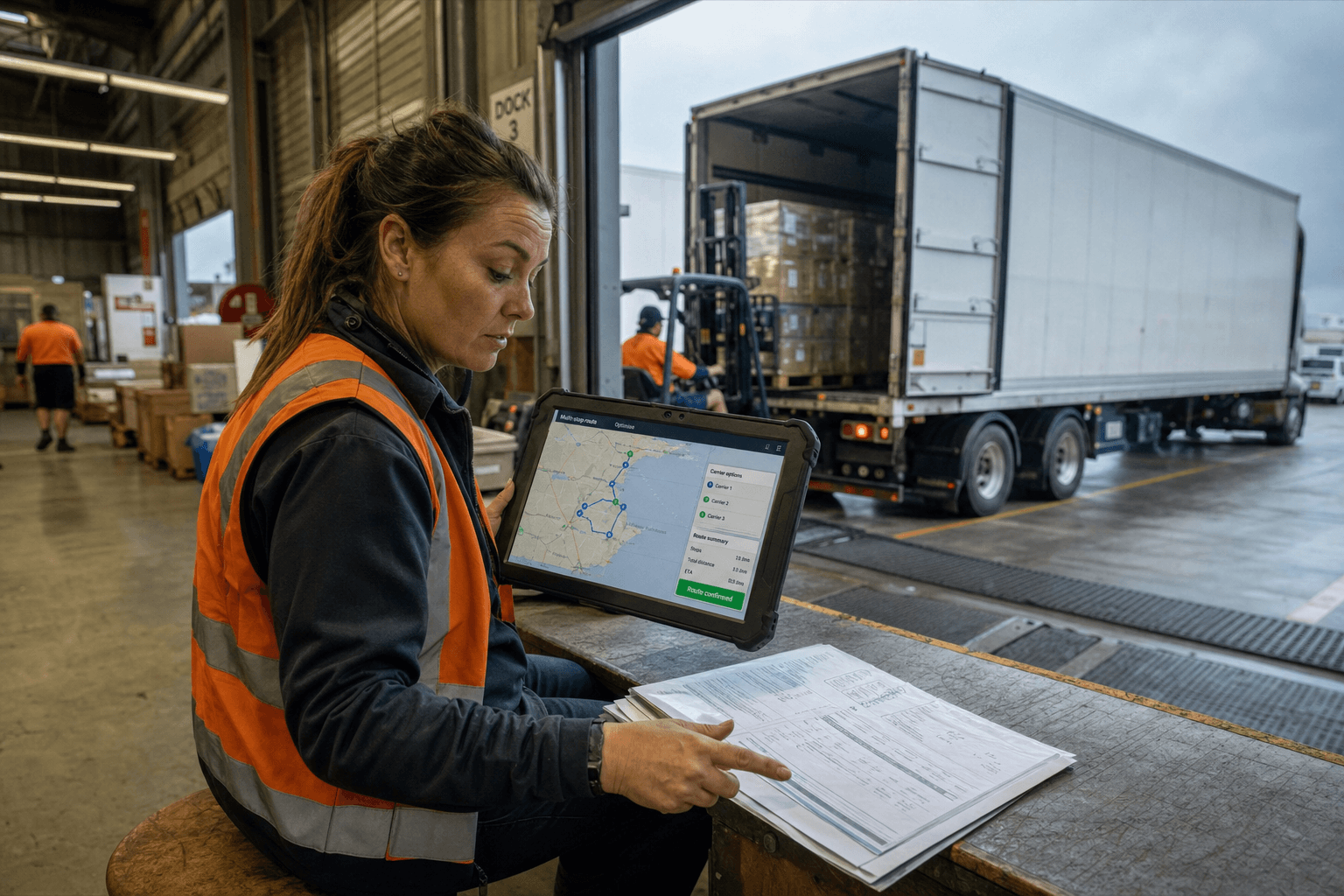
Most Australian logistics operators overpay for freight by 15-25% due to:
- Suboptimal carrier selection based on rates alone
- Inefficient route planning that misses consolidation opportunities
- Poor load planning that wastes container space
- Lack of real-time rate comparison across carriers
Carrier Rate Optimisation
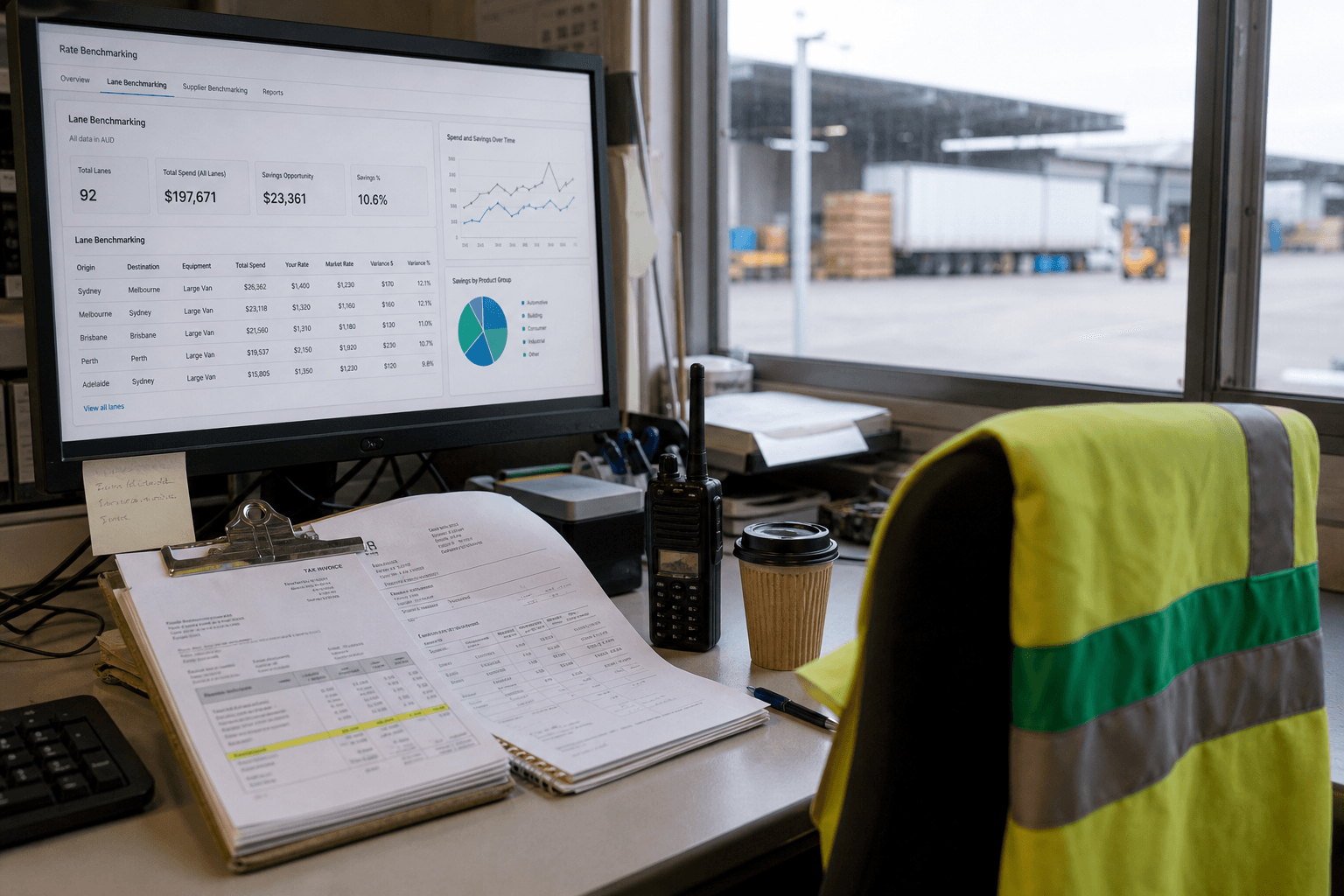
AI systems continuously monitor carrier rates across all major Australian freight providers including Toll, StarTrack, TNT, and regional carriers. The system identifies when alternative carriers offer better value for specific routes or service requirements.
For example, one Melbourne-based 3PL reduced freight costs by 18% by switching 40% of their Sydney-Brisbane runs to a regional carrier identified by AI analysis. The system flagged that this carrier consistently delivered faster than the incumbent provider at 20% lower cost.
Load Consolidation and Route Optimisation
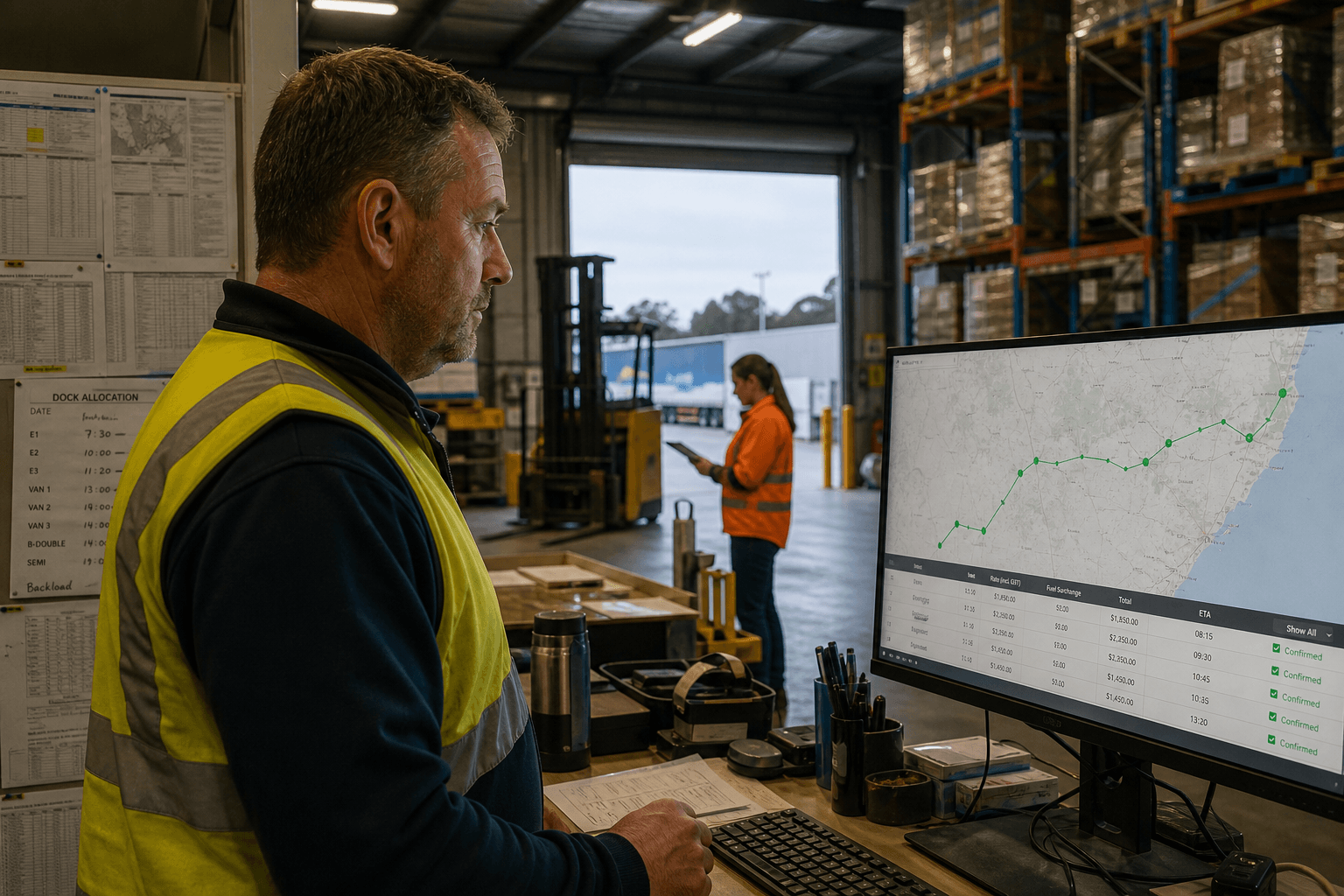
AI route optimisation identifies consolidation opportunities across multiple shipments, customers, and time windows. The system analyses delivery addresses, shipment sizes, and customer requirements to create optimal consolidated loads.
| Manual Planning | AI-Optimised Planning |
|---|---|
| Average 65% truck utilisation | Average 85% truck utilisation |
| Route planning takes 2-3 hours daily | Route optimisation completed in 15 minutes |
| Limited consolidation visibility | Identifies consolidation across 30+ variables |
| Reactive carrier selection | Predictive carrier performance analysis |
Real-World Freight Cost Reduction Results
A Queensland-based transport operator implemented AI freight cost reduction across their 150-truck fleet. Results after 12 months:
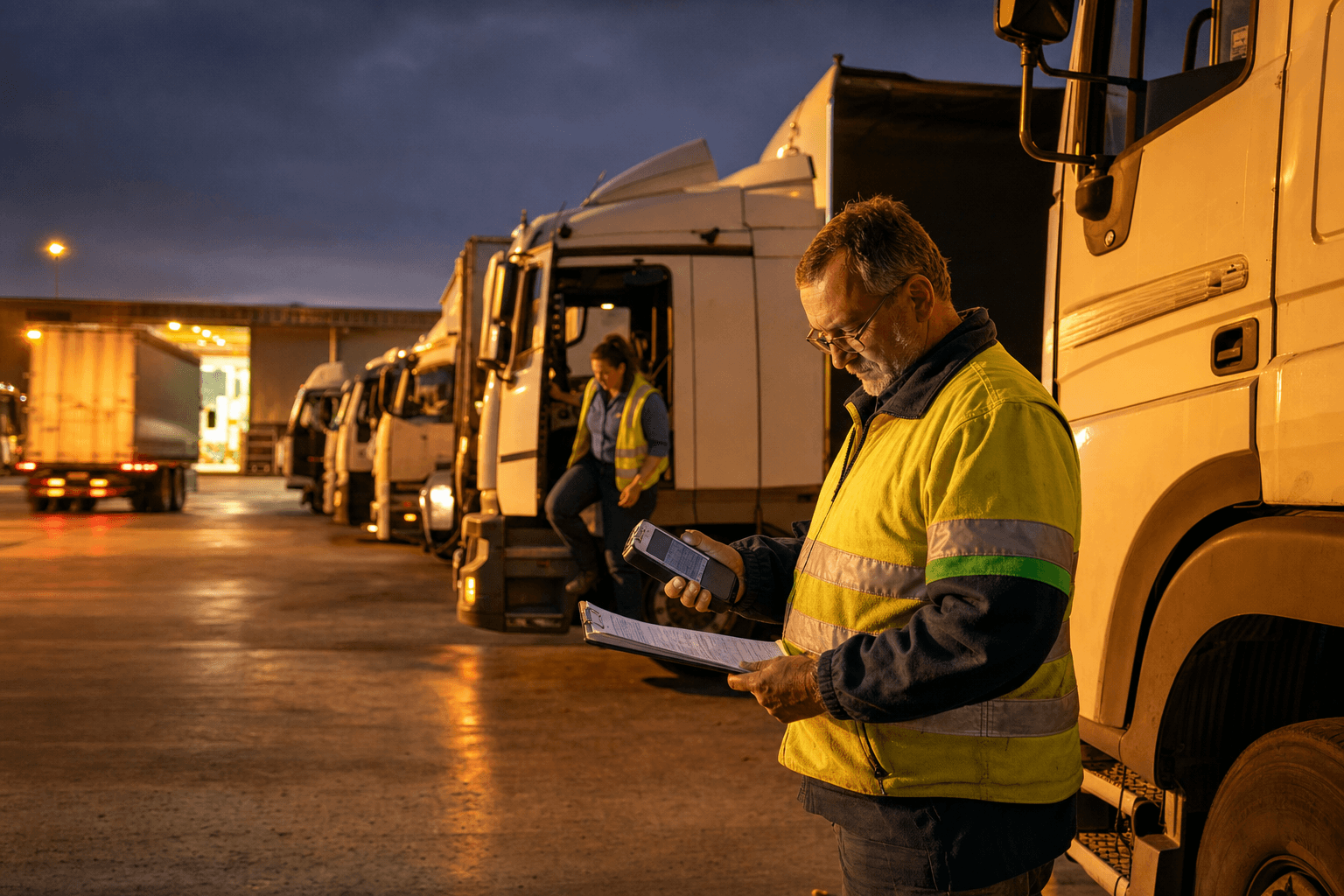
- 22% reduction in cost per kilometre through optimised routing and carrier selection
- 31% improvement in truck utilisation via better load consolidation
- 15% reduction in fuel costs through route optimisation
- 40% faster dispatch planning freeing up operational staff
Breaking Down the Savings
The AI system identified these specific cost reduction areas:
Carrier Selection Savings: 12% cost reduction by automatically selecting optimal carriers based on performance data, not just quoted rates. The system considered on-time delivery rates, damage claims, and total cost of service.
Route Optimisation Savings: 8% reduction through dynamic route planning that considers traffic patterns, delivery windows, and vehicle capacity constraints.
Load Planning Savings: 6% improvement through better cube utilisation and weight distribution across shipments.
What Makes AI Freight Cost Reduction Different from Traditional TMS?
Traditional Transport Management Systems (TMS) rely on manual rules and static optimisation. AI systems learn from actual performance data and adapt to changing conditions.
Predictive vs Reactive Decision Making
Traditional systems react to current conditions. AI freight cost reduction predicts optimal decisions based on:
- Historical carrier performance patterns
- Seasonal demand fluctuations
- Real-time traffic and weather data
- Customer delivery preference trends
Dynamic Rate Comparison
AI systems continuously monitor rate changes across all carriers and automatically flag when switching carriers would reduce costs while maintaining service levels.
How Does AI Handle Australian Freight Complexity?
Australian freight operations face unique challenges that AI systems must address:
Interstate Distance Requirements
AI freight cost reduction systems factor in Australia's vast interstate distances when optimising routes. The system considers driver fatigue management under NHVR requirements, mandatory rest stops, and optimal staging points for long-haul runs.
Regional Delivery Challenges
For regional and remote deliveries, AI systems identify consolidation opportunities and optimal timing to reduce per-delivery costs. The system maps regional carrier networks and identifies backload opportunities.
Implementing AI Freight Cost Reduction: What Logistics Operators Need to Know
Successful AI freight cost reduction implementation requires clean data and clear objectives. Most operators see measurable results within 8-12 weeks of implementation.
Data Requirements for AI Implementation
AI systems need access to:
- Historical shipping data (minimum 12 months)
- Carrier rate cards and service agreements
- Delivery performance data
- Customer service level requirements
- Current route and load planning processes
Integration with Existing Systems
Modern AI freight cost reduction platforms integrate with existing TMS, WMS, and ERP systems through APIs. This allows the AI to access real-time data without disrupting current operations.
Measuring AI Freight Cost Reduction Success
Key performance indicators for AI freight cost reduction:
- Cost per shipment reduction: Target 15-25% reduction within 6 months
- Carrier performance improvement: On-time delivery rates above 95%
- Planning time reduction: 60-80% reduction in manual planning time
- Truck utilisation improvement: Target 80%+ average utilisation
Common Implementation Challenges and Solutions
Most Australian logistics operators face similar challenges when implementing AI freight cost reduction:
Data Quality Issues
Challenge: Inconsistent or incomplete shipping data prevents effective AI analysis.
Solution: Implement data cleansing processes and establish data quality standards before AI deployment. Most operators need 2-4 weeks of data preparation.
Change Management Resistance
Challenge: Operations teams resist AI-generated recommendations, preferring manual carrier relationships.
Solution: Start with AI recommendations as decision support, not replacement. Allow teams to validate AI suggestions before full automation.
Carrier Integration Complexity
Challenge: Different carriers use different data formats and booking systems.
Solution: Choose AI platforms with pre-built integrations to major Australian carriers. Focus on standardising data exchange formats.
ROI Timeline for AI Freight Cost Reduction
Most Australian operators see positive ROI within 4-6 months of AI implementation:
Months 1-2: Data integration and system setup. Limited operational impact.
Months 3-4: Initial optimisation recommendations begin. 8-12% cost reduction typical.
Months 5-6: Full system optimisation active. 15-20% cost reduction achieved.
Months 7-12: Continuous learning improves results. 20-25% cost reduction maintained.
Choosing the Right AI Freight Cost Reduction Solution
When evaluating AI freight cost reduction platforms, Australian logistics operators should consider:
Australian Carrier Network Coverage
Ensure the AI platform includes rate data and integration capabilities for all carriers you work with, including regional providers.
Regulatory Compliance Features
The system must handle NHVR compliance, Chain of Responsibility obligations, and dangerous goods regulations automatically.
Scalability for Growth
Choose platforms that scale with your operation. Consider how the system handles increased shipment volumes and additional carrier relationships.
Implementing AI freight cost reduction requires more than just new software—it needs proper integration with your existing systems and processes. Our legacy modernisation services help operators upgrade their transport management systems to work seamlessly with AI tools, while our route optimisation solutions provide the foundation for systematic freight cost reduction across your network.
Getting Started with AI Freight Cost Reduction
Implementing AI freight cost reduction starts with understanding your current freight spend patterns and identifying the highest-impact opportunities.
Successful implementations begin with a comprehensive analysis of existing freight data to establish baseline performance and identify quick wins.
To evaluate whether AI freight cost reduction suits your operation, assess your current freight spend, data quality, and operational complexity. Most operators with 100+ shipments per month see meaningful returns from AI implementation.
Ready to cut your transport spend by 15-25% with AI freight cost reduction? Our team has helped Australian logistics operators implement systematic cost reduction programs across road, rail, and sea freight. Contact us to discuss how AI can identify hidden savings opportunities in your freight network and deliver measurable cost reductions within 90 days.
Zero Footprint
The Zero Footprint team — AI modernisation for Australian logistics.