Dynamic Re-Routing: How AI Adapts Fleet Routes in Real-Time
AI-powered dynamic re-routing systems continuously adapt fleet routes based on real-time traffic, weather, and operational conditions, reducing fuel costs by 15-25% while improving delivery performance. Learn how reinforcement learning and constraint optimisation algorithms handle Australia's unique logistics challenges.
Dynamic Re-Routing: How AI Adapts Fleet Routes in Real-Time
Fleet operators lose thousands of dollars daily when trucks sit in unexpected traffic jams or take suboptimal routes due to vehicle breakdowns. Traditional static routing systems plan routes once and hope for the best. AI-powered dynamic re-routing systems continuously adapt fleet routes based on real-time conditions, reducing fuel costs by 15-25% and improving on-time delivery rates.
What Is Dynamic Re-Routing?
Dynamic re-routing is an AI system that continuously recalculates optimal vehicle routes based on real-time data inputs including traffic conditions, weather events, vehicle status, and incoming orders. Unlike static routing that plans routes once per day, dynamic systems make thousands of micro-adjustments throughout the day to maintain optimal efficiency.
The system integrates multiple data streams — GPS tracking, traffic APIs, weather services, telematics data, and order management systems — to make routing decisions within seconds of receiving new information.
How AI Algorithms Enable Real-Time Route Adaptation
Reinforcement Learning for Route Optimisation
Reinforcement learning algorithms treat routing as a continuous learning problem. The AI agent learns optimal routing decisions by receiving "rewards" for successful deliveries and "penalties" for delays or inefficiencies.
These algorithms excel at handling complex trade-offs. For example, when a vehicle breaks down, the system simultaneously reassigns that vehicle's remaining deliveries, identifies the nearest replacement vehicle, and adjusts multiple other routes to maintain overall efficiency.
The learning component means the system improves over time, recognising patterns like recurring traffic bottlenecks on specific routes or weather-related delays in certain areas.
Constraint Optimisation Engines
Constraint optimisation solves the mathematical challenge of dynamic routing. The system must balance multiple competing constraints:
- Vehicle capacity limits
- Driver hour regulations (NHVR fatigue management)
- Customer time windows
- Vehicle-specific requirements (refrigerated cargo, dangerous goods)
- Road restrictions (height/weight limits, B-double access)
Modern constraint solvers can evaluate thousands of possible route combinations and identify the optimal solution within milliseconds.
| Algorithm Type | Best For | Response Time | Complexity |
|---|---|---|---|
| Genetic Algorithm | Large fleet optimisation | 30-60 seconds | High |
| Ant Colony | Multi-vehicle coordination | 10-30 seconds | Medium |
| Reinforcement Learning | Continuous adaptation | 1-5 seconds | Very High |
| Constraint Programming | Rule-heavy scenarios | 5-15 seconds | Medium |
Real-Time Data Integration Points
Traffic and Road Conditions
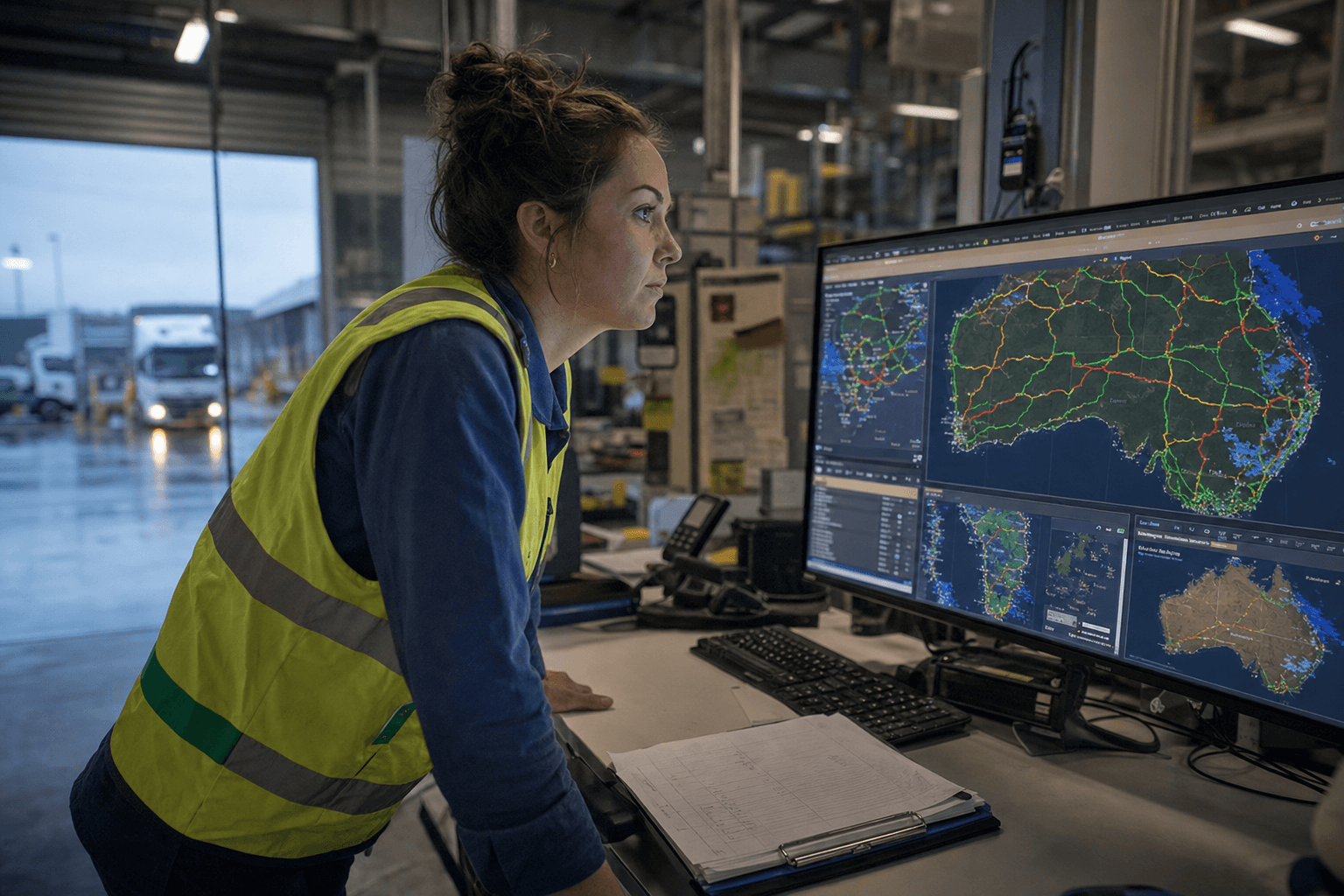
AI systems integrate live traffic data from multiple sources including Google Traffic API, HERE Traffic, and government traffic management systems. The system doesn't just avoid current congestion — it predicts where traffic will build up based on historical patterns and events.
For Australian operations, this includes integration with state-specific traffic management systems like VicRoads Traffic Management Centre and Transport for NSW's traffic data feeds.
Weather Impact Assessment
Weather significantly affects Australian logistics operations, particularly in regional areas. AI systems integrate Bureau of Meteorology data and commercial weather services to assess:
- Rain impact on unsealed roads (common in mining logistics)
- Extreme heat affecting refrigerated transport efficiency
- Flooding risks on major freight corridors
- Dust storm visibility in central Australia
The system automatically triggers route changes when weather conditions exceed safety thresholds or threaten delivery schedules.
Vehicle Telematics and Breakdown Management
Real-time vehicle health monitoring through telematics allows the AI to predict and respond to mechanical issues. When a vehicle shows signs of potential breakdown — unusual engine temperatures, oil pressure drops, or diagnostic trouble codes — the system can:
- Route the vehicle to the nearest service centre
- Reassign deliveries to other vehicles
- Notify customers of potential delays
- Schedule replacement vehicles
New Order Integration
Modern logistics operations receive orders throughout the day. AI-powered dynamic routing systems can incorporate new orders into existing routes without disrupting the entire schedule.
The system evaluates whether new orders can be added to existing routes or require route modifications, considering factors like vehicle capacity, delivery time windows, and geographic proximity.
Latency Requirements for Fleet Operations
Sub-Second Decision Making
Effective dynamic re-routing requires extremely low latency. When a traffic incident occurs, every second of delay compounds inefficiency. Industry benchmarks suggest:
- Route recalculation: <3 seconds
- Driver notification: <5 seconds
- Customer updates: <30 seconds
This requires edge computing architectures that process routing decisions locally rather than sending all data to cloud servers.
System Architecture Considerations
Low-latency systems require distributed processing capabilities:
- Edge servers in major logistics hubs (Melbourne, Sydney, Brisbane)
- Local data caching for frequently accessed routes
- API rate limiting management for external data sources
- Failover systems for continuous operation
Australian Road Network Challenges
Unique Geographic Constraints
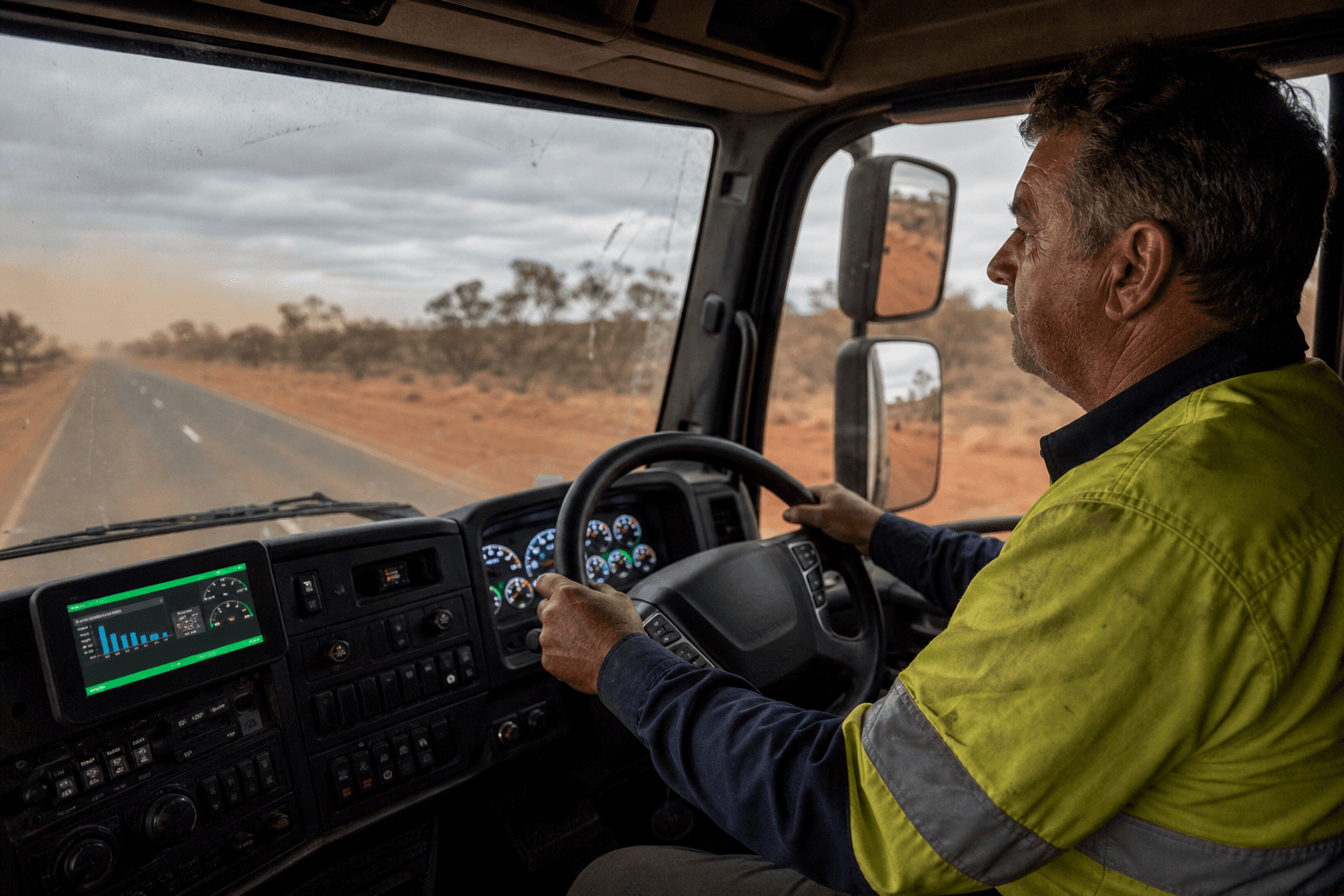
Australia's road network presents unique challenges for AI routing systems:
Vast distances between cities: The Perth-Sydney route spans 3,290km with limited alternative paths. AI systems must account for fuel stops, driver rest requirements, and limited repair facilities.
Road train regulations: Different states have varying B-double and road train access rights. AI systems must maintain current databases of permitted vehicle combinations for each road segment.
Seasonal road closures: Northern Australian roads become impassable during wet season. AI systems require seasonal route databases and real-time road closure integration.
Infrastructure Limitations
Limited mobile coverage: Remote areas have poor cellular coverage affecting real-time updates. Systems must handle intermittent connectivity and cache critical routing data locally.
Bridge and tunnel restrictions: Australia has numerous low bridges and weight-restricted routes. AI systems maintain detailed infrastructure databases including height, weight, and width restrictions.
Aboriginal land access: Some optimal routes cross Aboriginal land requiring permits. AI systems must integrate cultural and regulatory constraints into route planning.
Implementation Considerations for Australian Fleets
Integration with Existing TMS Systems
Most Australian logistics operators use established Transport Management Systems (TMS) like CargoWise, WiseTech Global, or legacy systems. Dynamic re-routing AI must integrate through APIs without requiring complete system replacement.
Key integration points include:
- Order import/export
- Driver mobile app updates
- Customer notification systems
- Proof of delivery updates
Regulatory Compliance
Australian logistics operations must comply with multiple regulatory frameworks:
NHVR Chain of Responsibility: AI systems must maintain audit trails showing routing decisions considered driver fatigue management and loading requirements.
Dangerous Goods regulations: AI must route dangerous goods according to ADG Code requirements and avoid restricted areas.
Mass and Dimension limits: Systems must verify routes comply with PBS (Performance Based Standards) approvals for specific vehicle combinations.
Change Management for Drivers
Dynamic re-routing changes how drivers work. Traditional drivers plan their day in advance and resist mid-route changes. Successful implementations require:
- Clear communication about why routes change
- Driver input mechanisms for reporting road conditions
- Training on new mobile apps and devices
- Incentive alignment (bonuses for fuel efficiency, on-time delivery)
ROI Expectations and Measurement
Quantifiable Benefits
Australian logistics operators implementing dynamic re-routing typically see:
- Fuel cost reduction: 15-25% through optimised routes and reduced idle time
- Improved on-time delivery: 85% → 95%+ through proactive delay management
- Vehicle utilisation: 10-20% improvement through better load planning
- Customer satisfaction: Reduced complaints and improved retention
Implementation Timeline
Typical implementation follows this timeline:
- Phase 1 (Weeks 1-4): Data integration and system setup
- Phase 2 (Weeks 5-8): Pilot testing with subset of vehicles
- Phase 3 (Weeks 9-12): Full fleet rollout and optimisation
- Phase 4 (Months 4-6): Advanced feature deployment and ROI measurement
Implementing AI-powered dynamic re-routing requires a solid foundation in data infrastructure and integration capabilities. Our AI readiness assessment helps fleet operators evaluate their current systems and identify the necessary upgrades for real-time routing optimization. For businesses ready to deploy these solutions, our custom AI development services can build tailored dynamic routing systems that integrate with existing fleet management platforms.
Getting Started with Dynamic Re-Routing
Implementing AI-powered dynamic re-routing requires careful planning and phased execution. Start with an AI readiness assessment to evaluate your current systems, data quality, and operational processes.
The assessment identifies integration points with existing TMS systems, evaluates driver readiness for new technology, and quantifies potential ROI based on your specific operation characteristics.
Successful dynamic re-routing implementations focus on solving specific operational problems rather than deploying technology for its own sake. Whether you're struggling with fuel costs, delivery delays, or driver productivity, AI-powered routing can deliver measurable improvements within 90 days.
Ready to reduce your fleet's fuel costs and improve delivery performance with AI-powered dynamic re-routing? Our team specializes in building practical AI solutions for Australian logistics operators. Contact us to discuss how dynamic re-routing can transform your fleet operations and deliver measurable cost savings within months of implementation.
Zero Footprint
The Zero Footprint team — AI modernisation for Australian logistics.