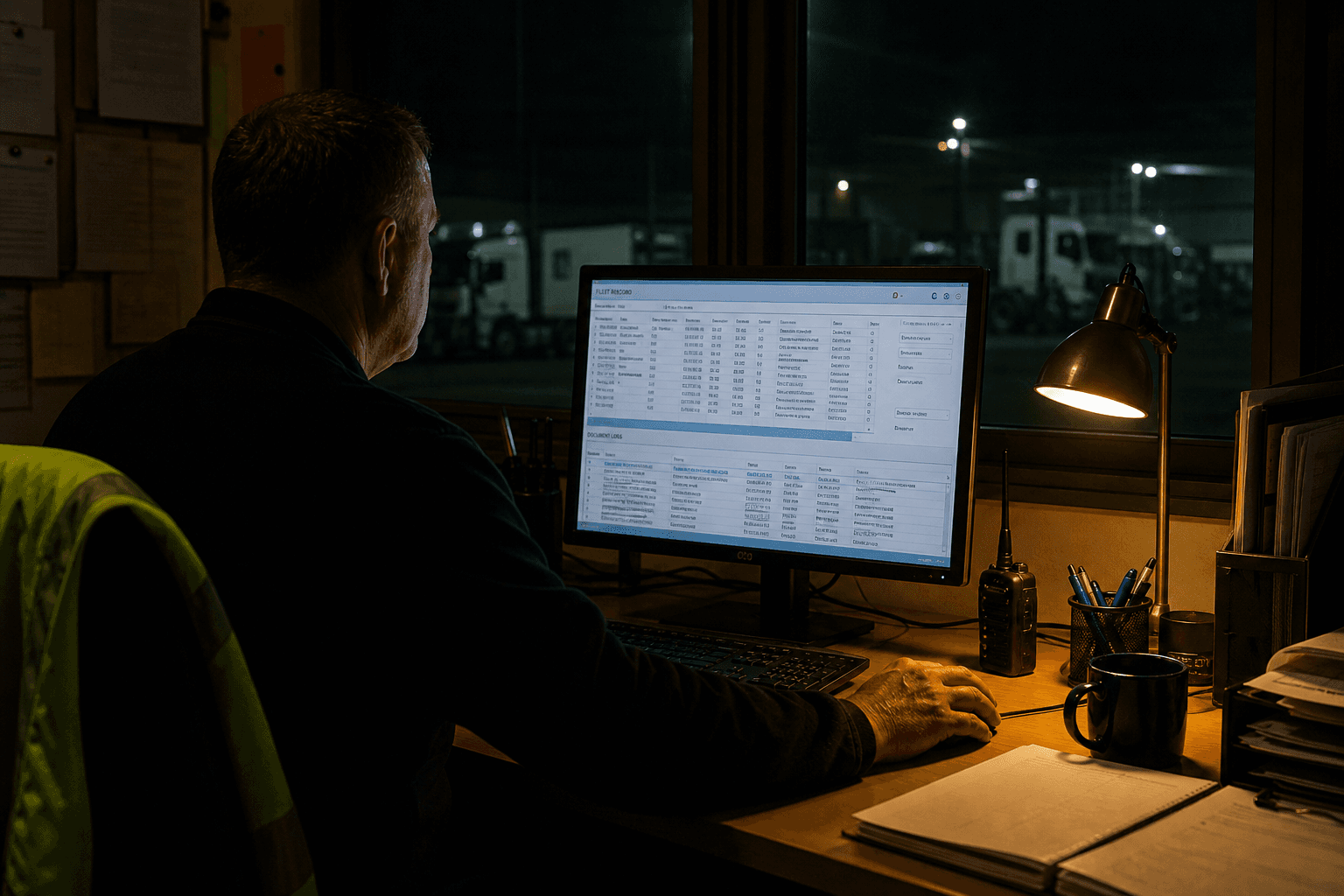
AI Fuel Consumption Anomaly Detection for Fleet Theft
Most Australian fleet telematics platforms monitor fuel usage, but few can detect theft, card fraud, or inefficient driving patterns before they cost real money. Here's how AI-driven anomaly detection closes that gap.

Fuel is usually the second-largest line item on a transport operator's P&L after labour, and it's also one of the easiest costs to lose without noticing. AI fuel consumption anomaly detection is emerging as a way for Australian fleet operators to catch theft, fuel card fraud, and inefficient driving earlier than manual reconciliation ever could. This guide explains what it is, how it differs from the telematics fuel reports most fleets already have, and where it fits in a broader AI in logistics strategy.
What Is Fuel Consumption Anomaly Detection?
Fuel consumption anomaly detection is the use of statistical models or machine learning to identify fuel usage patterns that deviate from a vehicle's or driver's normal baseline, flagging them for investigation. Rather than relying on a fixed threshold (for example, "alert if fuel use is 20% above average"), it builds a dynamic profile per vehicle, route, driver, and even time of day, so genuine anomalies stand out from normal operational variance.
How Does Fuel Theft Actually Happen in Australian Fleets?
Fuel loss in road freight typically falls into three buckets: physical theft (siphoning from tanks, unauthorised top-ups into jerry cans), fuel card fraud (drivers or third parties using fleet cards for personal vehicles or reselling fuel), and inefficient driving (excessive idling, harsh acceleration, poor route choices) that quietly inflates spend without any dishonesty involved. Each leaves a slightly different data signature — which is exactly what anomaly detection is designed to pick up.
Physical theft often shows up as fuel level drops with no corresponding distance travelled. Card fraud shows up as transactions at odd locations, times, or volumes inconsistent with a vehicle's tank capacity. Inefficiency shows up more subtly — gradual drift in litres-per-100km that a monthly spreadsheet review will almost never catch until it's cost tens of thousands of dollars.
Why Can't a Telematics Dashboard Catch This Alone?
Most fleet management platforms in the Australian market already include fuel usage monitoring as a feature, but for the majority of operators this is threshold-based reporting rather than predictive detection — someone still has to notice the exception, pull the report, and investigate manually. That works when you run ten trucks. It breaks down fast at fifty or more, across multiple depots and fuel card providers.
The gap isn't a lack of data — most operators already capture GPS, odometer readings, fuel card transactions, and engine telemetry. The gap is that this data typically sits in separate systems and isn't correlated automatically. AI-driven anomaly detection closes that gap by continuously cross-referencing these data sources and surfacing only the exceptions that genuinely warrant a human look.
How Does AI Detect Fuel Consumption Anomalies?
AI models detect fuel anomalies by learning a normal consumption baseline for each vehicle and driver combination, then flagging statistically significant deviations in real time rather than at month-end. Inputs typically include litres per 100km adjusted for load weight, route terrain and traffic conditions, idle time, odometer-versus-fuel-card correlation, and transaction location and timing versus the vehicle's known GPS position.
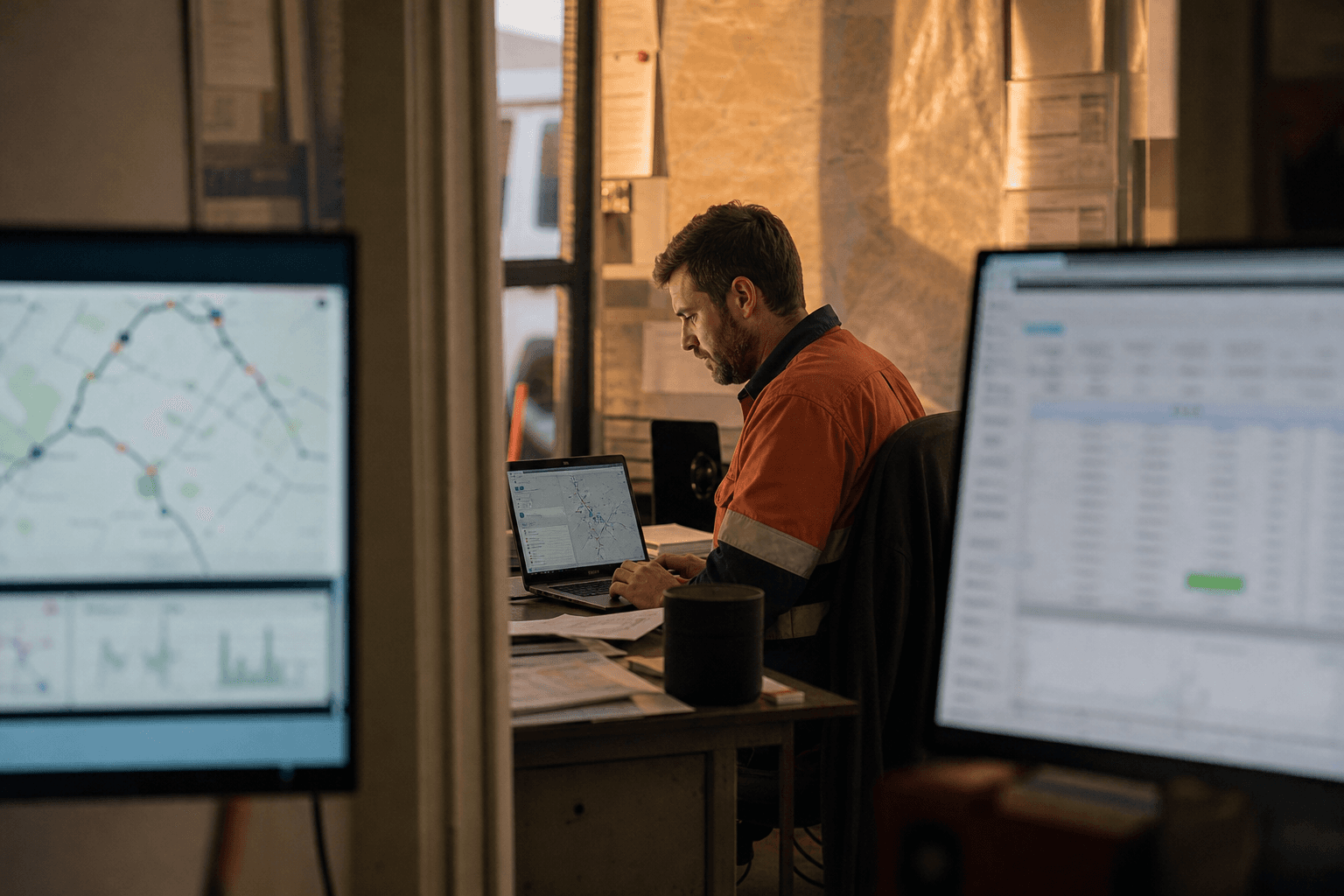
When a fuel card transaction occurs at a location the vehicle's GPS wasn't near, or a top-up volume exceeds the tank's physical capacity, or consumption on a known route climbs steadily over several weeks for one driver but not others on the same run, the system raises a flagged exception with the supporting evidence attached — rather than a raw number buried in a report.
Rule-Based Telematics vs AI Anomaly Detection
| Capability | Rule-based telematics (typical) | AI anomaly detection |
|---|---|---|
| Detection method | Fixed thresholds set manually | Dynamic baseline per vehicle/driver |
| Data correlation | Single source (fuel card or GPS) | Cross-references multiple data sources |
| Review effort | Manual report review required | Automated exception flagging |
| Time to detect drift | Often monthly, after the fact | Near real-time |
| False positive handling | High — static thresholds miss context | Lower — accounts for load, route, terrain |
What Data Do You Need to Get Started?
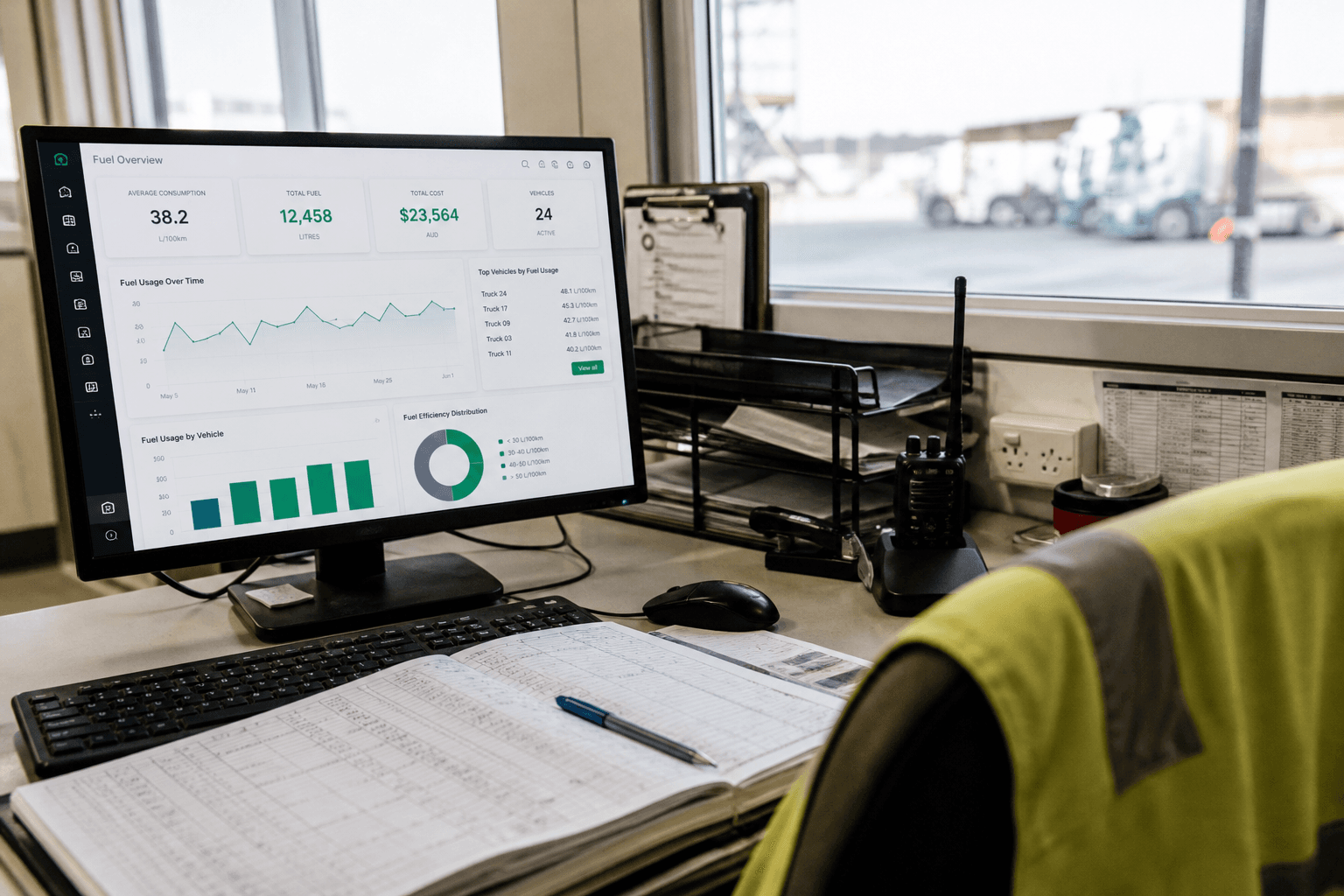
AI fuel anomaly detection needs four core data streams to work reliably: GPS/telematics location and odometer data, fuel card transaction records, vehicle engine data (fuel level sensors where fitted), and driver or vehicle assignment records. If your fleet already runs telematics hardware and a fuel card program — which most mid-market Australian operators do — the raw data usually already exists. The challenge is almost always integration, not collection.
This is a common finding during an ai-readiness-assessment: the data needed for meaningful AI use cases is already being captured somewhere in the business, but it's fragmented across legacy TMS, fuel card portals, and standalone telematics dashboards that don't talk to each other.
Where Does This Fit in Your Broader AI Roadmap?
Fuel anomaly detection works best once the underlying data foundation is in place — meaning your TMS, telematics, and fuel card data can actually be joined together rather than living in silos. For operators still running on ageing systems, this often means addressing legacy system modernisation before anomaly detection delivers reliable results, because a model built on inconsistent or siloed data will produce noisy, low-trust alerts.
Once that foundation exists, fuel anomaly detection tends to sit alongside other exception-based AI capabilities — like route-optimisation for identifying inefficient trips, and document-intelligence for reconciling fuel dockets and invoices automatically — rather than as a standalone tool.
How Is This Different from Predictive Maintenance or Fuel Hedging?
Fuel consumption anomaly detection is not the same as predictive maintenance or fuel price hedging, even though all three touch fuel costs. Predictive maintenance uses engine and sensor data to forecast component failure before it happens. Fuel hedging is a financial strategy to manage exposure to fuel price volatility. Anomaly detection is operational and behavioural — it's about catching theft, fraud, and inefficient driving patterns in how fuel is actually being used day to day, independent of price or vehicle condition.
A fleet can have excellent hedging arrangements and a well-maintained fleet and still be leaking money through card misuse or a handful of drivers with consistently poor habits. These are separate problems that happen to share a line item on the balance sheet.
A Note on Compliance and Audit Trails
Fuel tax credit claims to the ATO and NHVR compliance obligations both rely on accurate, defensible fuel and distance records. Anomaly detection systems that log flagged exceptions with timestamps, location data, and resolution notes also create a useful audit trail — which matters increasingly as fleets are asked to substantiate fuel and emissions data for reporting purposes, including under frameworks covered in our emissions-reporting work.
Getting Started Without Overcomplicating It
You don't need a custom AI build on day one to start tackling fuel loss. The practical starting point is understanding what data you already have, where it's fragmented, and whether your current fuel monitoring is catching genuine anomalies or just producing reports nobody has time to read properly. That assessment is usually the first concrete step, before any model gets built.
For more on how AI capability layers onto existing fleet and logistics systems, browse our insights for related coverage of digital transformation and AI adoption in Australian freight and warehousing.
If you're exploring how to flag fuel theft, card fraud, or inefficient driving across your fleet before it erodes your margins, get in touch and we can talk through whether an AI readiness assessment makes sense for your operation.
Zero Footprint
The Zero Footprint team — AI modernisation for Australian logistics.