AI in Logistics: Preventing Cargo Theft for High-Value Freight
Cargo theft is a persistent cost for Australian carriers moving high-value freight, and legacy tracking systems weren't built to catch it in real time. Here's how AI-powered anomaly detection, geofencing and monitoring actually work — and how Zero Footprint approaches building this for mid-market operators.
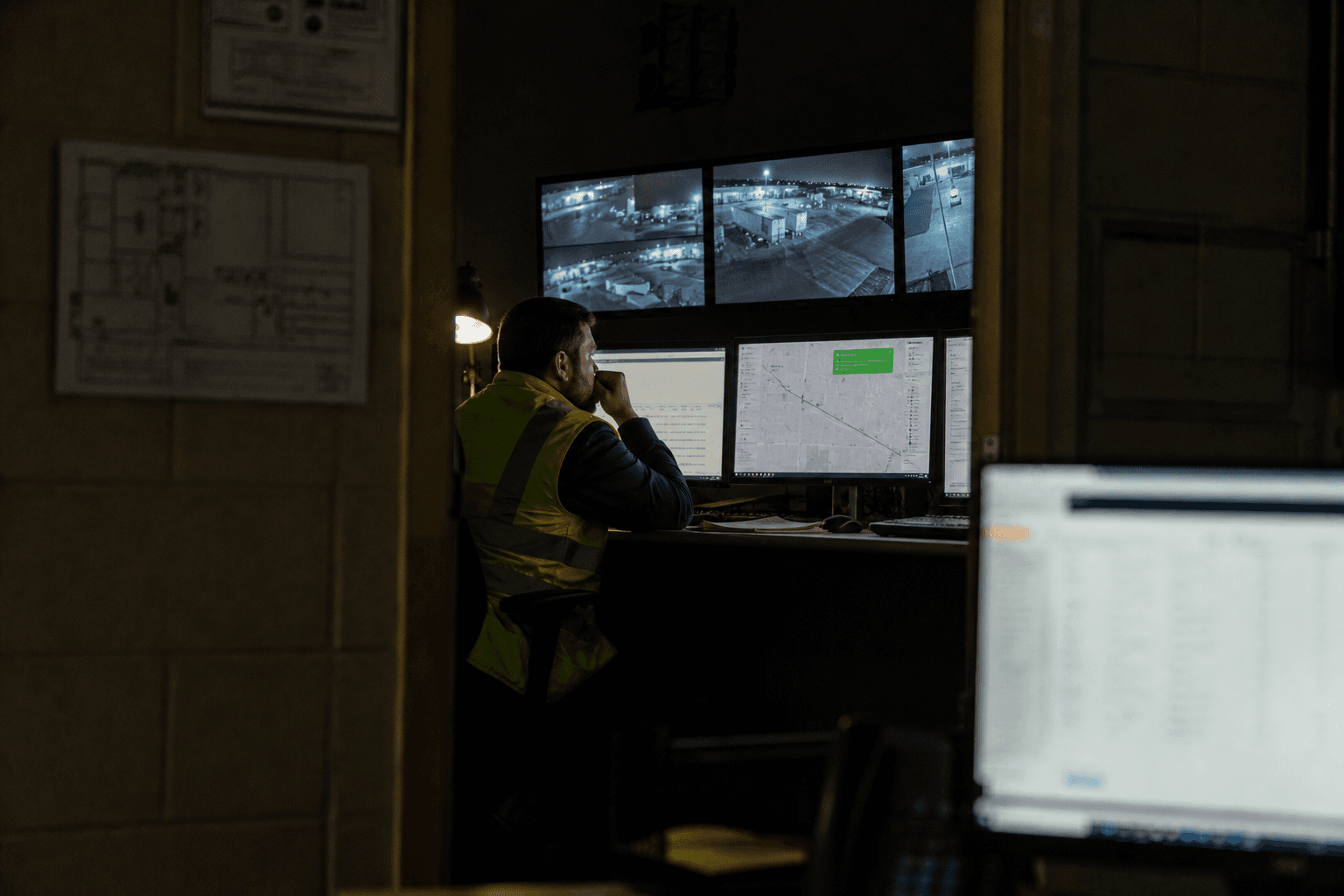
Cargo theft isn't a hypothetical risk for Australian freight operators carrying high-value goods — it's an operational and insurance problem that legacy tracking systems were never built to solve. AI in logistics is changing that, giving carriers, 3PLs and last-mile operators the ability to flag suspicious activity before a load disappears, rather than reconciling the loss after the fact.
What Is AI-Powered Cargo Security?
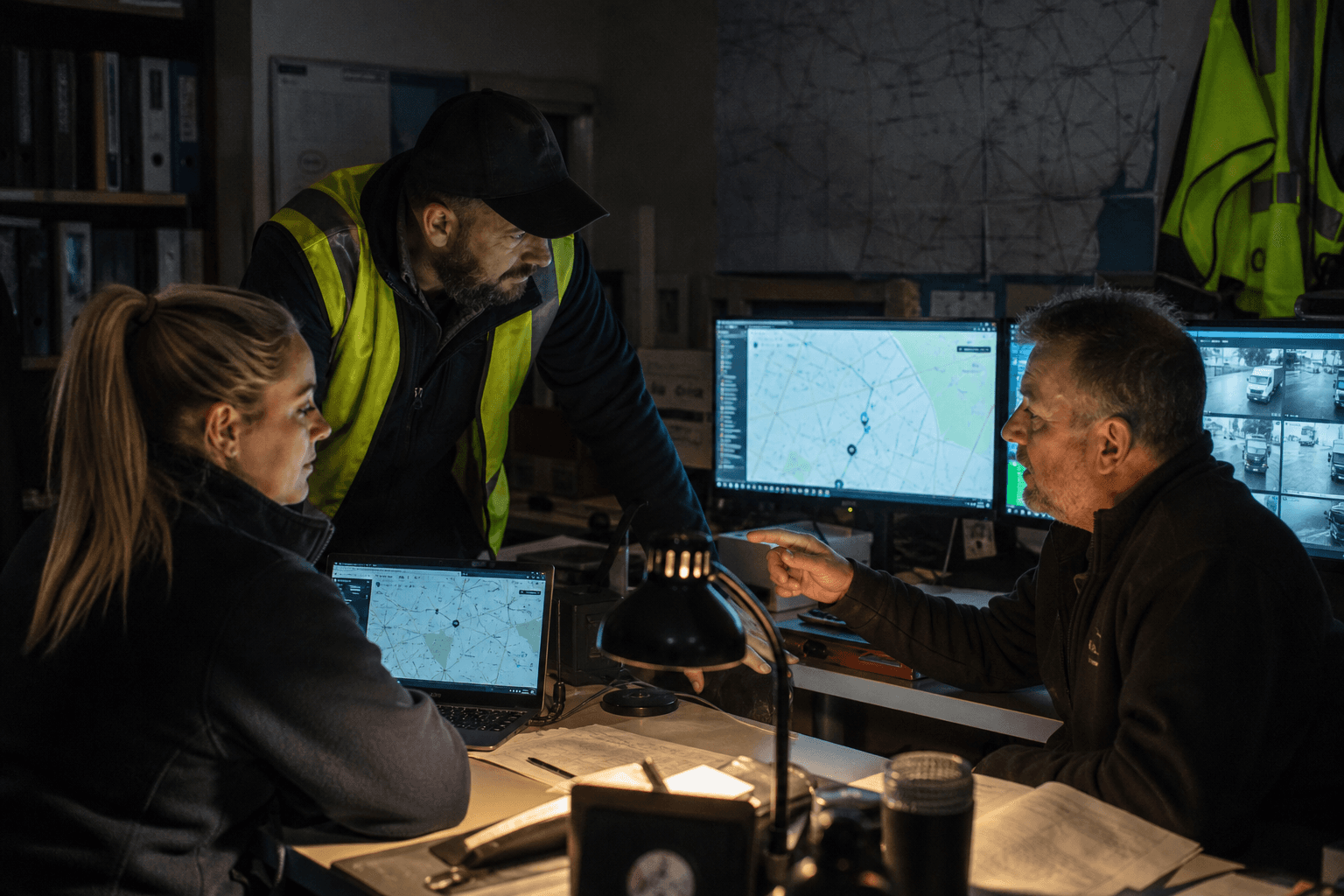
AI-powered cargo security uses machine learning models and automated monitoring tools — anomaly detection, geofencing, and video analytics — to identify unusual patterns in freight movement, vehicle behaviour, or depot activity in real time. Instead of relying on a dispatcher noticing something is wrong three hours into a shift, the system flags deviations — an unscheduled stop outside a known transit window, a trailer opened at an unapproved location, a route that drifts off a planned corridor — and routes an alert to the right person immediately.
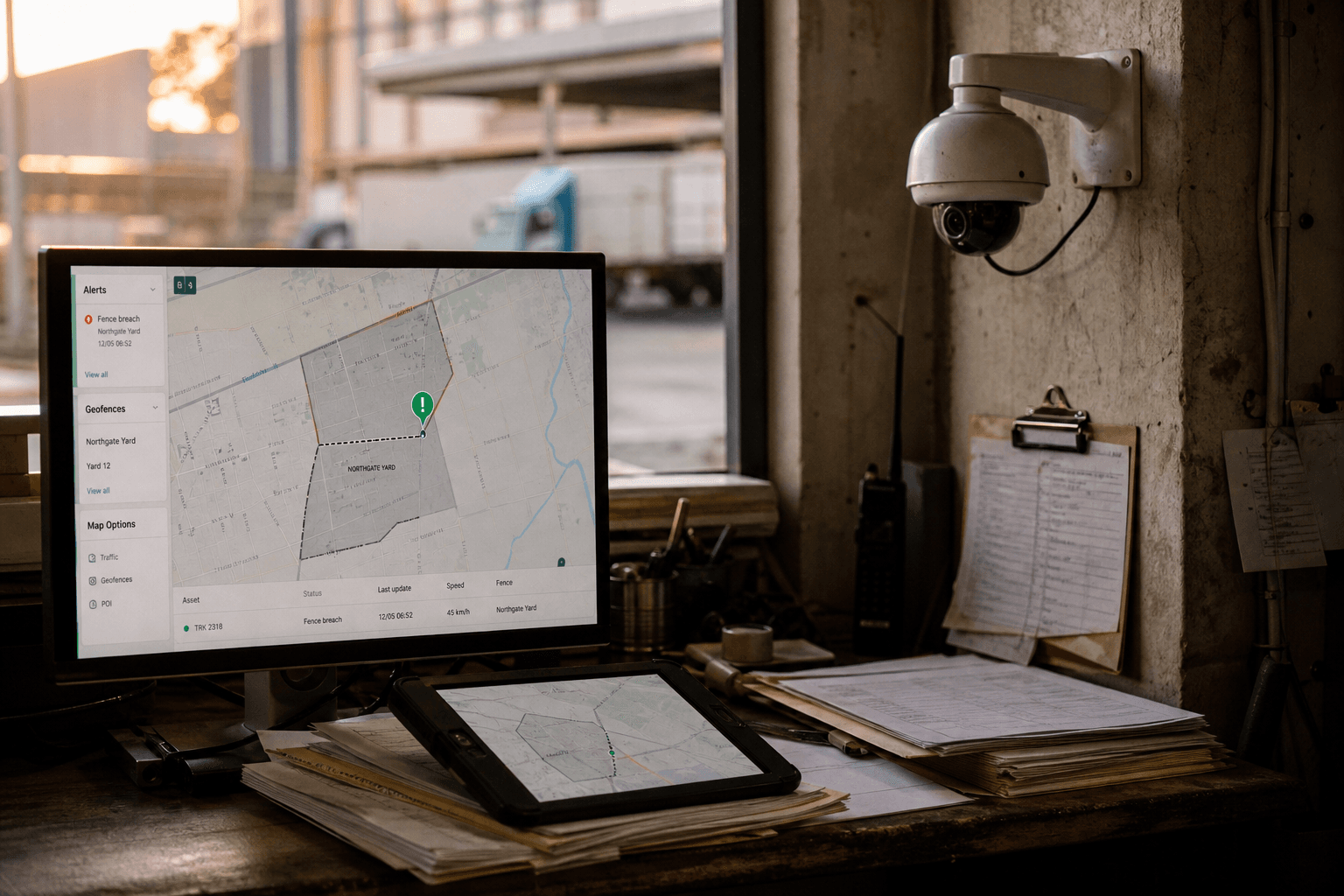
The technology itself isn't new — telematics and CCTV have been in trucks and depots for years. What's changed is the ability to connect that data to a model that learns what "normal" looks like for a specific route, fleet, or customer, and surfaces only the events that matter. For an operator running legacy telematics with manual exception reporting, that's the practical difference between AI in logistics as a buzzword and AI in logistics as something that actually reduces the number of calls your security team makes at 2am.
Why Does Cargo Theft Matter More for High-Value Freight?
High-value freight — electronics, pharmaceuticals, alcohol, tobacco, and specialty cold chain goods — carries concentrated financial exposure in a single load, which makes it a more attractive target and a more costly loss if stolen. Industry bodies such as the Transported Asset Protection Association (TAPA), which runs an active Australia and New Zealand chapter, have long flagged cargo theft and in-transit loss as a persistent cost of doing business for carriers and 3PLs moving high-value goods. The scale and pattern of losses vary by commodity, route, and region, and operators should treat any specific loss figures circulating in vendor marketing with the same scrutiny they'd apply to a sales pitch.
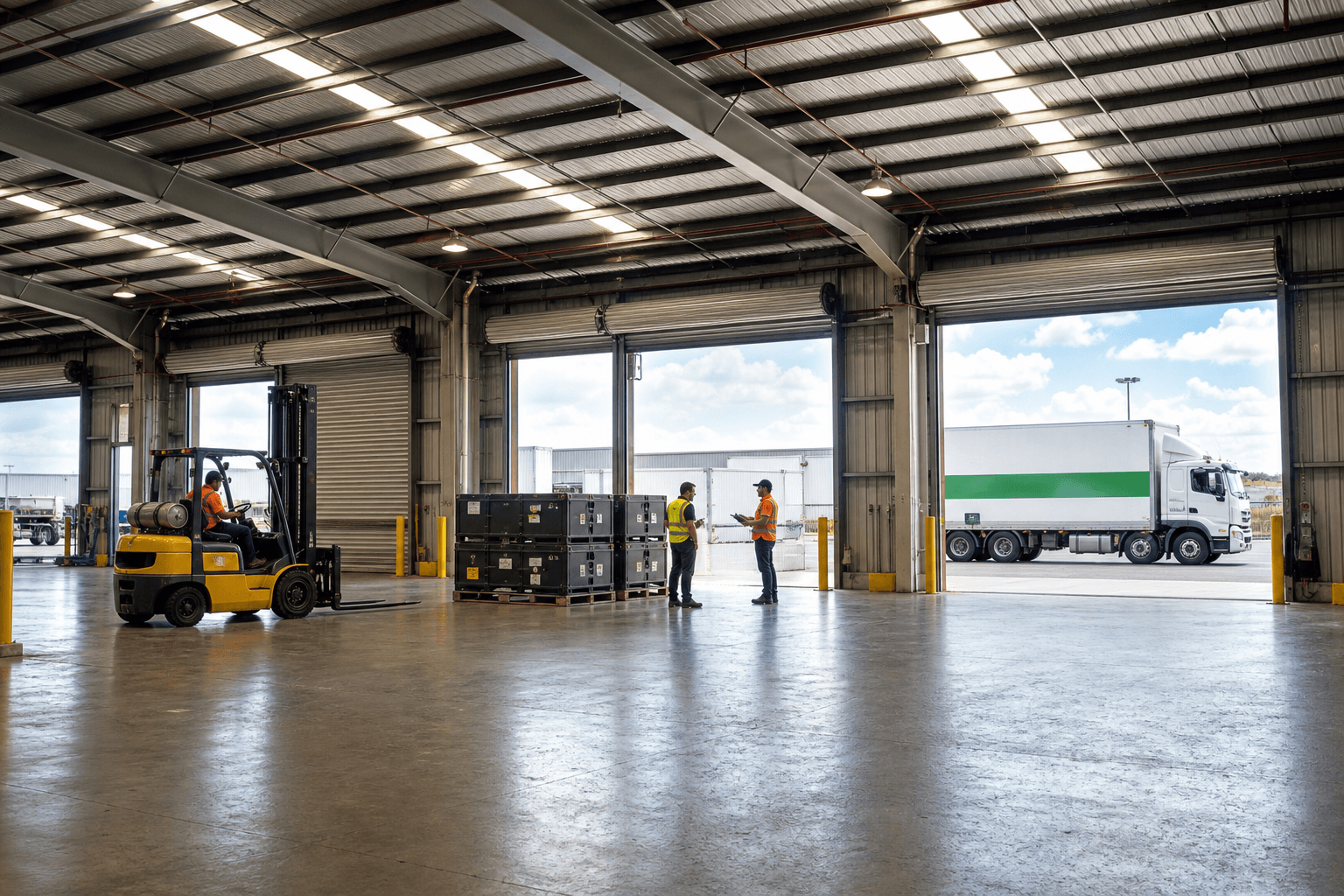
What's consistent across the sector is the insurer response. Underwriters are increasingly asking carriers to demonstrate active monitoring and incident response capability — not just insurance cover — as a condition of favourable terms. That's pushing security technology from a nice-to-have into something closer to a baseline expectation for operators tendering for high-value freight contracts, particularly where the customer is a pharmaceutical manufacturer, electronics distributor, or government-adjacent supply chain with its own compliance obligations.
How We Approach Cargo Security for High-Value Freight
Most of the mid-market carriers and 3PLs we work with don't have a security problem because they lack cameras or GPS — they have one because that data sits in three or four disconnected systems, nobody's watching it in real time, and the alerts that do fire get buried in email. Our starting point is always an ai readiness assessment: a two-to-four week engagement where we map what telematics, dispatch, and depot data you already have, what's missing, and whether an anomaly detection layer can sit on top of your existing TMS without a forklift upgrade of your core systems.
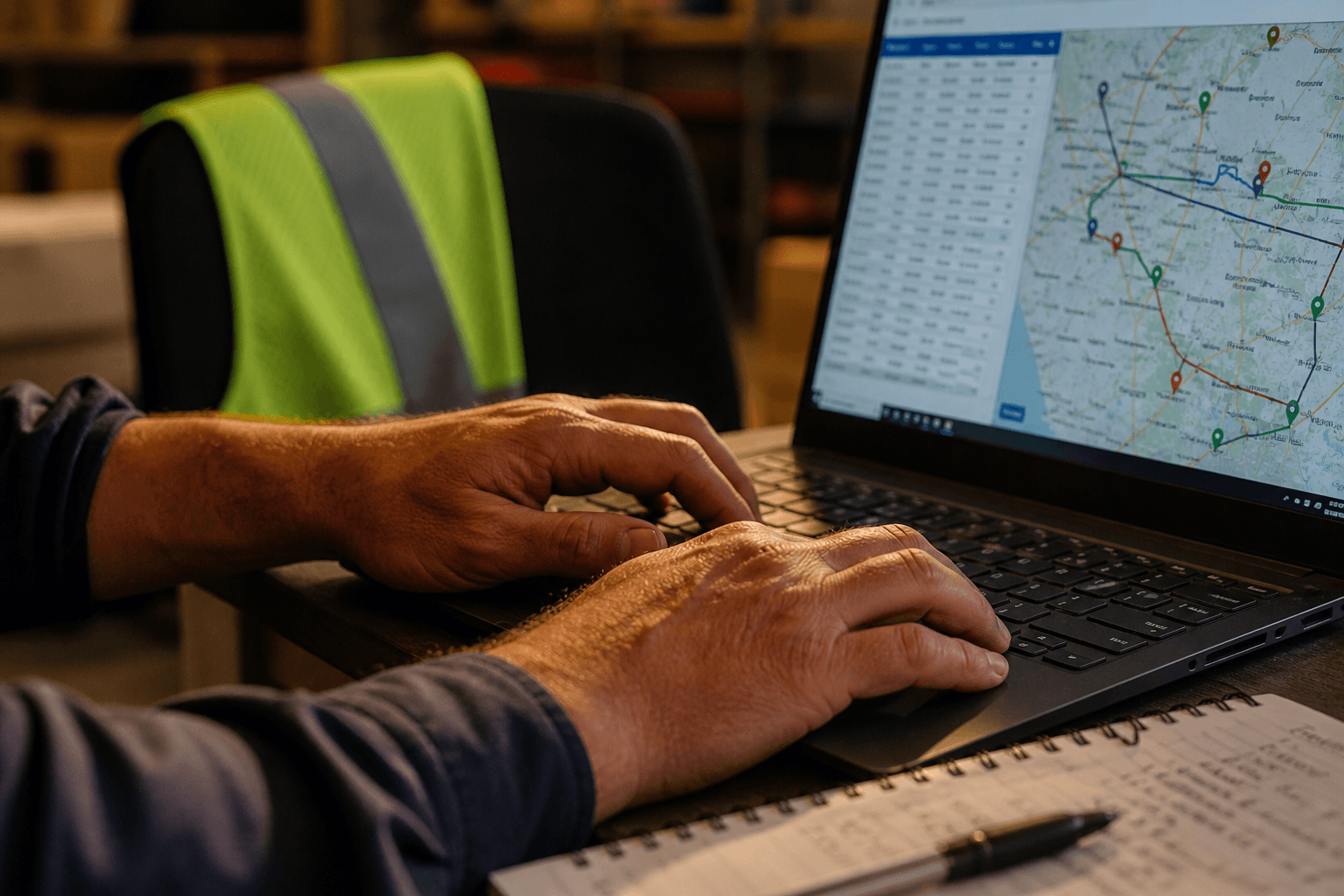
From there, the build work is deliberately narrow. Rather than a generic "AI security platform," we configure detection models around the specific freight, routes, and depots that carry the exposure — a cold chain fleet running pharmaceuticals between Melbourne and regional Victoria looks nothing like a last-mile courier network in Western Sydney, and the model needs to reflect that. This is the same philosophy we apply to route optimisation work: the system has to match how your business actually runs, not how a software vendor assumes a generic freight operation runs.
What This Means for Insurance, Compliance and Your Next Steps
For operations managers, the practical outcome is fewer false alarms and faster response when something genuinely looks wrong. For finance and compliance teams, it's an auditable trail of monitoring activity that can support insurance renewal conversations and, increasingly, sits alongside broader reporting obligations — many of the same carriers building out cargo security capability are also working through AASB S2 and Scope 3 emissions reporting requirements, and the data discipline required for one tends to support the other. If your business already has an emissions reporting project underway, it's worth having the same conversation about security monitoring, since both usually expose the same gaps in data quality and system integration.
Cargo theft prevention isn't a one-off technology purchase — it's an ongoing capability that needs tuning as routes, customers, and risk profiles change. That's why most of our cargo security and anomaly detection work moves from an initial module build into an ongoing managed service, where we keep models current as your freight mix shifts.
If you're carrying high-value freight and your current monitoring relies on a dispatcher's gut feel or a weekly incident report, it's worth having a straightforward conversation about what's feasible with the systems you already have. Browse more insights on how AI in logistics is being applied across Australian freight and warehousing, or get in touch to talk through where cargo security fits into your broader technology roadmap.
Zero Footprint
The Zero Footprint team — AI modernisation for Australian logistics.