AI Receptionist for 3PL Warehouses: What You Need to Know
AI receptionist solutions are gaining traction in Australian 3PL warehouses and distribution centres — handling driver check-ins, customer enquiries, and after-hours calls without adding headcount. But a front-desk point solution is not an AI strategy. Here's what to consider before you invest, and how it fits into a broader operational picture.
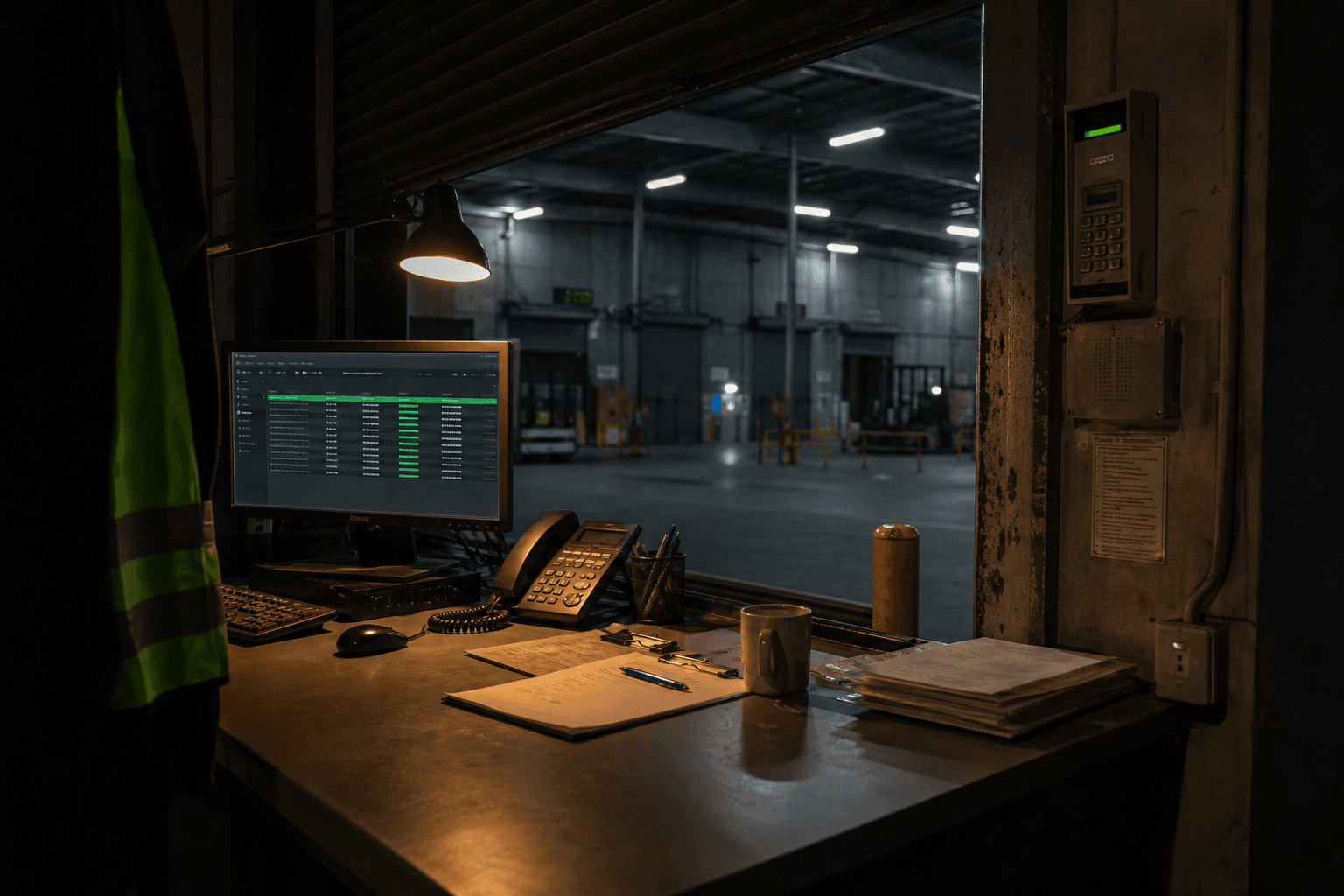
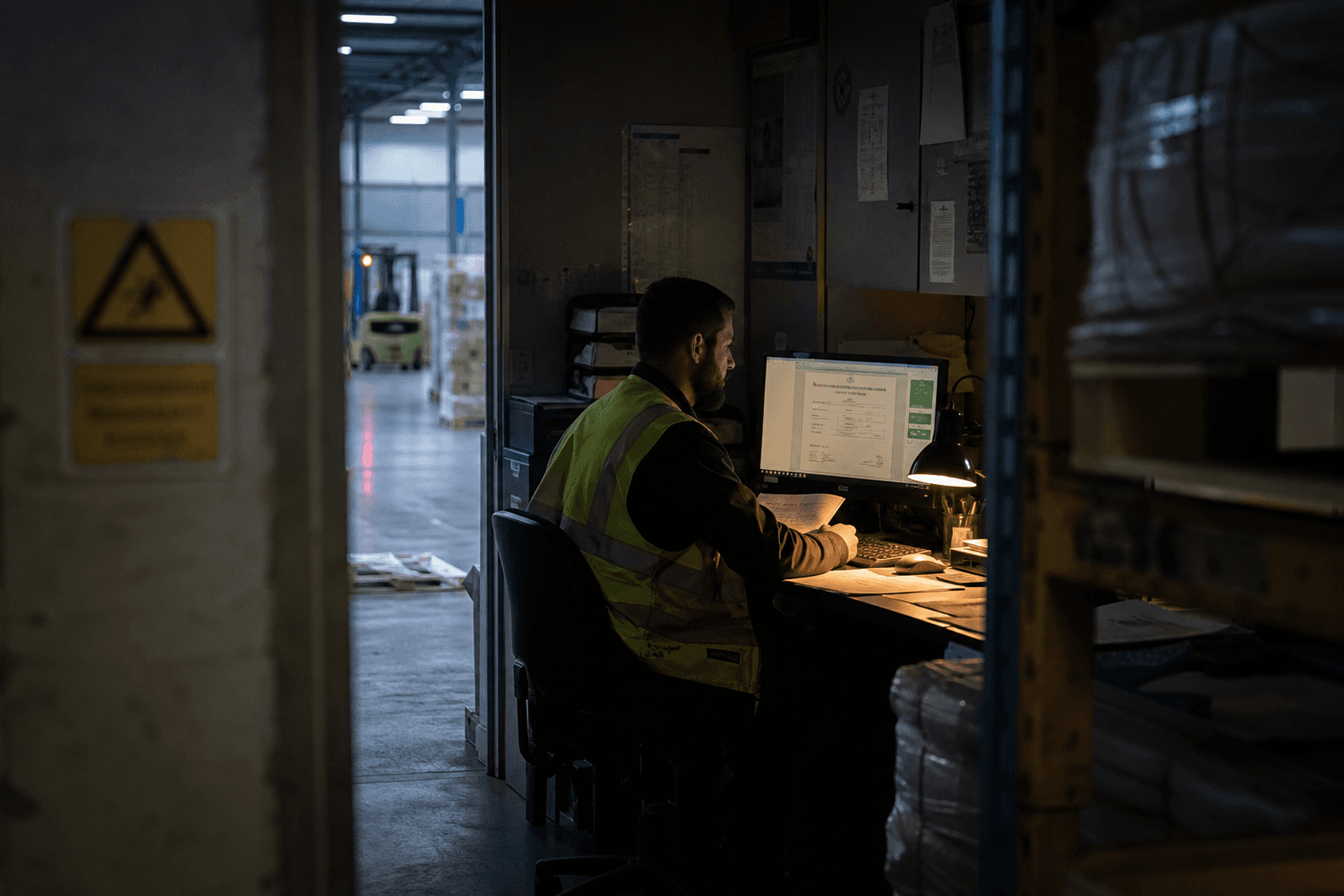
Running a busy 3PL warehouse means your front desk — whether physical or virtual — never really stops. Drivers roll in at odd hours, customers call with booking enquiries, and your team is already stretched across the dock, the yard, and the warehouse floor. AI receptionist solutions promise to take some of that pressure off. But are they the right fit for a 3PL environment, and how do they slot into a broader digital transformation logistics Australia strategy?
This article breaks down what AI receptionist technology actually does in a warehouse context, what to consider before you invest, and how it connects to the wider operational picture.
What Is an AI Receptionist for a Warehouse?
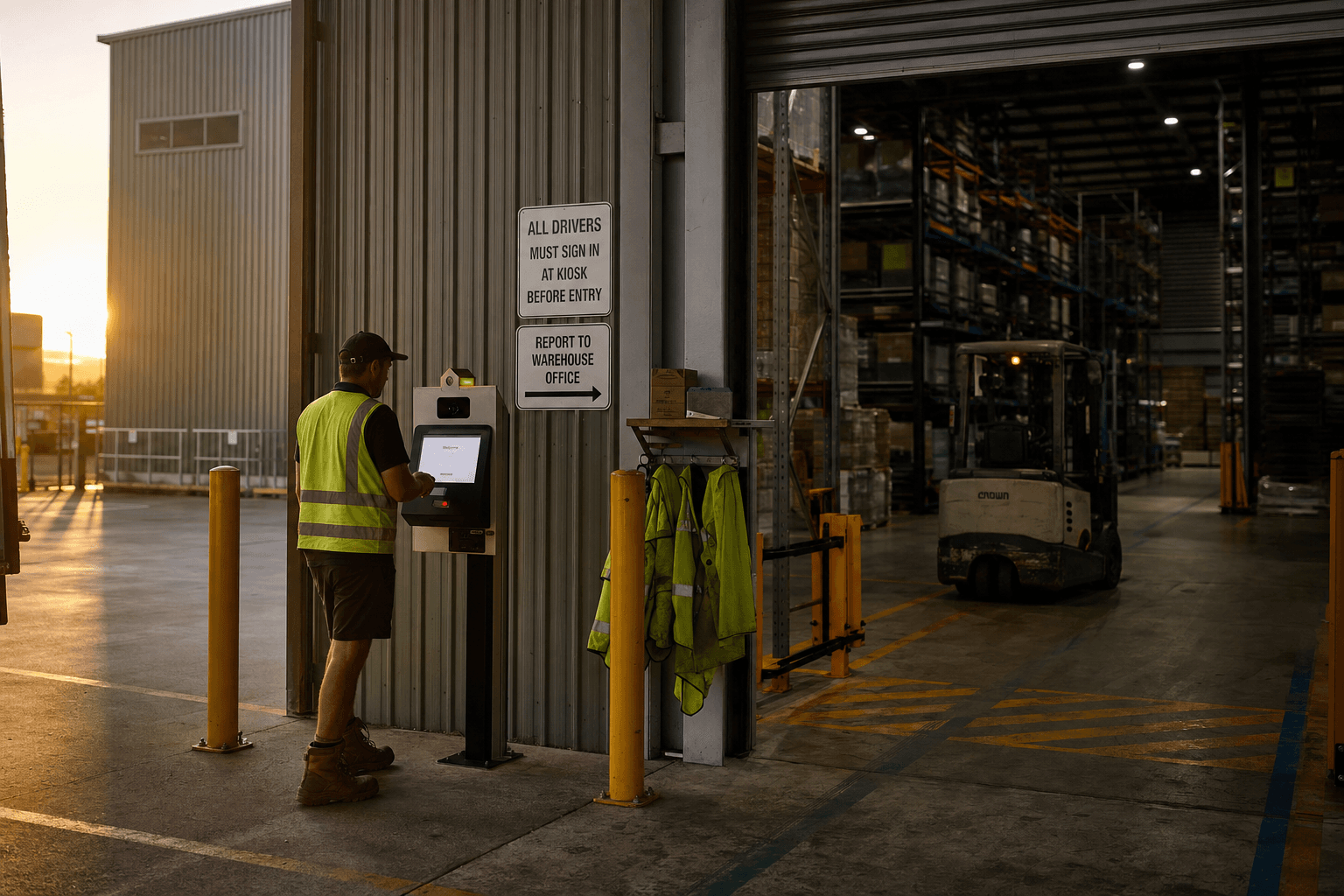
An AI receptionist is an automated system — typically voice-based, chat-based, or a combination — that handles inbound enquiries, visitor check-ins, and routine communications without requiring a human operator. In a 3PL or distribution centre context, this can mean automated call routing for customer enquiries, self-service check-in for drivers and contractors, after-hours handling of booking requests, and escalation to on-call staff when something genuinely needs a human.
The core idea is straightforward: automate the repetitive, high-volume interactions so your team can focus on the work that actually requires judgement.
Why 3PLs and Distribution Centres Are Looking at This
3PL operators face a specific set of front-desk challenges that general-purpose AI receptionist tools are not always designed for.
High visitor volume, variable timing. Carrier check-ins don't follow a nine-to-five pattern. A driver showing up at 5:30am for a pallet collection shouldn't need to wait for someone to manually log them in. Self-service kiosk or voice check-in solutions can handle this without adding headcount.
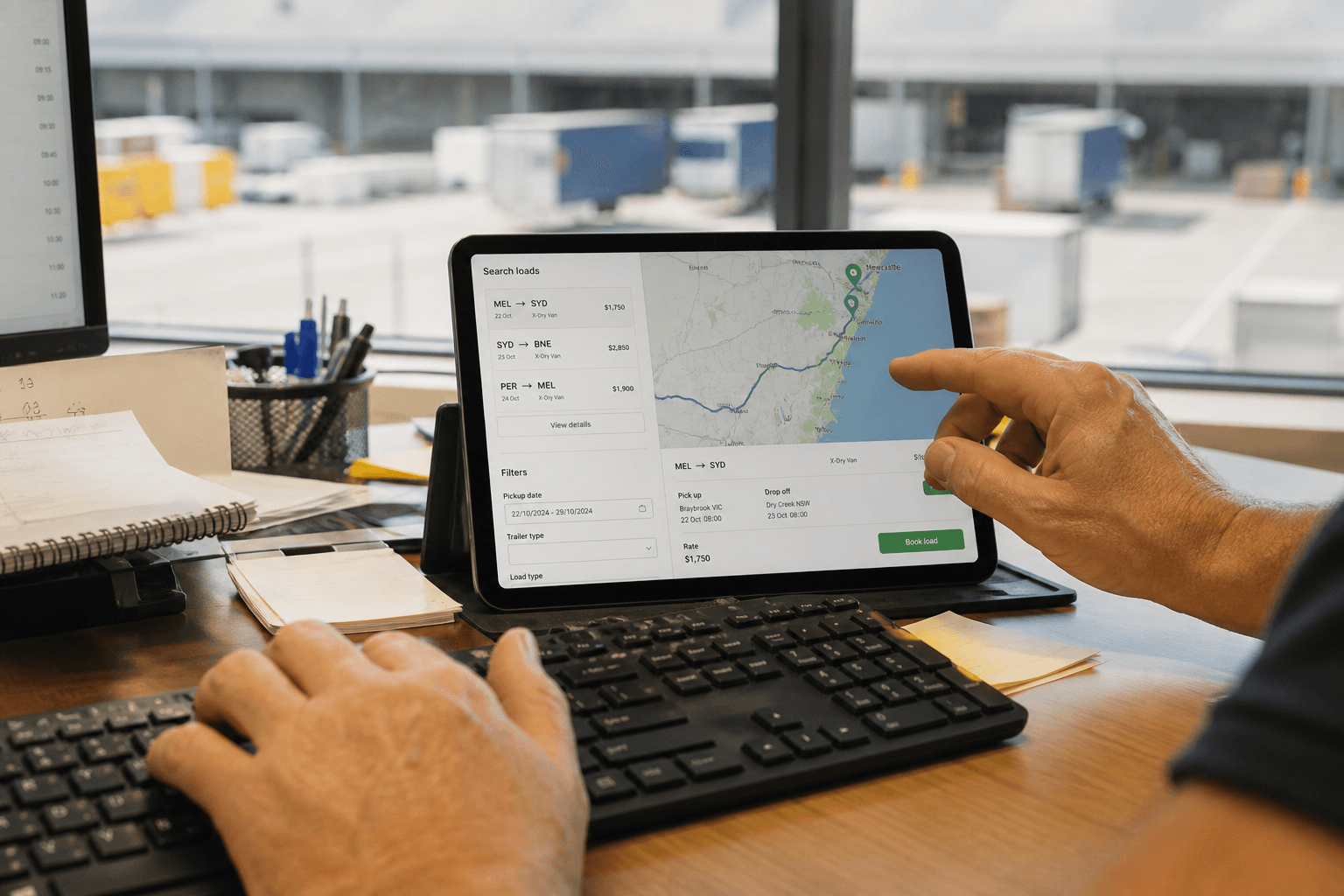
Customer enquiry load. 3PLs often field a steady stream of inbound calls from shippers asking about stock status, delivery ETAs, or booking slots. Many of these enquiries are repetitive and could be handled by an AI layer connected to your WMS or TMS.
Compliance and site access. Distribution centres often have safety induction requirements, contractor management obligations, and insurance verification processes for site visitors. An AI-assisted visitor management system can enforce these consistently — something a busy human receptionist under pressure may not always manage.
After-hours operations. Warehouses that run evening or weekend shifts still need to handle calls and enquiries. An AI receptionist can triage these without overnight admin staff.
What to Evaluate When Comparing Solutions
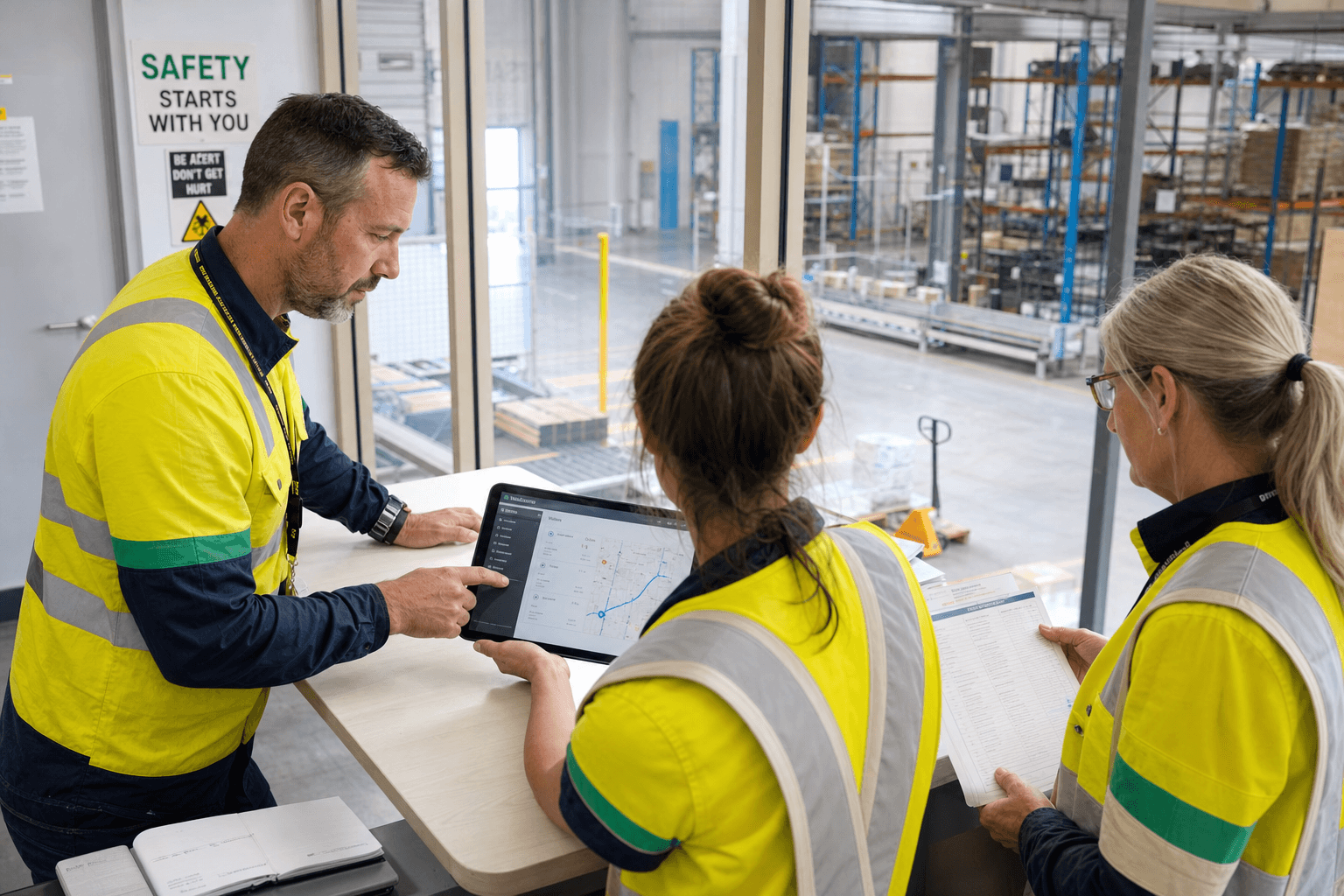
The Australian market includes a growing number of visitor management and AI receptionist platforms. When evaluating options for a 3PL or warehouse environment, consider the following dimensions:
| Capability | What to Look For |
|---|---|
| WMS / TMS integration | Can the system pull booking or stock data in real time? |
| Visitor compliance workflows | Does it support inductions, contractor checks, and access control? |
| Voice vs. chat vs. kiosk | Which channel matches how your visitors and callers actually behave? |
| After-hours escalation | Can it route urgent issues to on-call staff reliably? |
| Australian data sovereignty | Is data stored locally, and does it meet your client contract requirements? |
| Configurability | Can workflows be adjusted without a vendor engagement each time? |
The right answer will depend on your specific operation — a cold chain facility with strict visitor protocols has different requirements than a general-purpose 3PL running e-commerce fulfilment.
Is an AI Receptionist an AI Strategy?
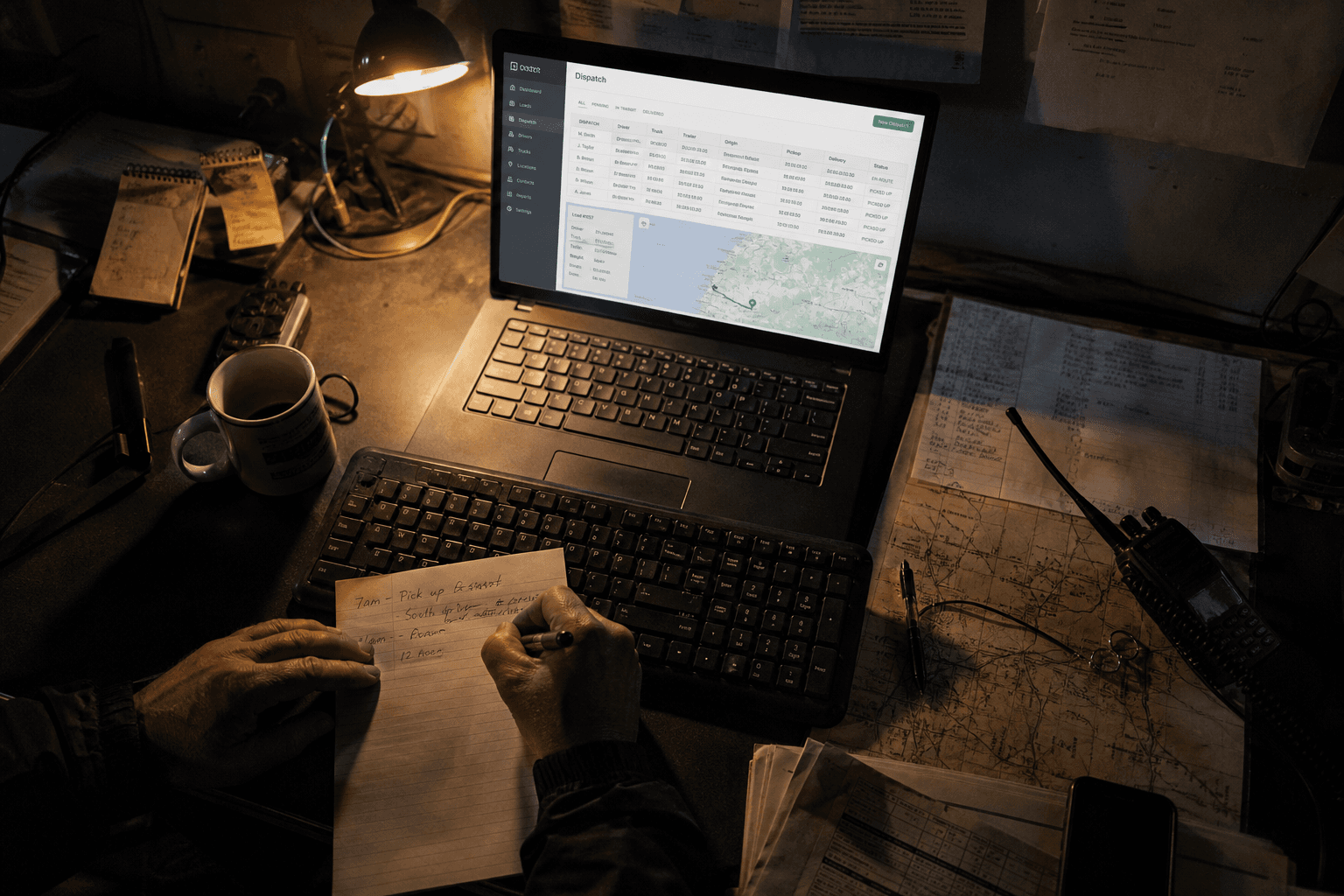
This is worth stating plainly: an AI receptionist is a point solution. It solves a specific set of front-desk and visitor management problems. It is not, on its own, a digital transformation. A warehouse that installs an AI receptionist but still manages dispatch via spreadsheet and reconciles PODs manually has addressed one narrow problem while leaving significant operational inefficiency on the table.
The more valuable question for most 3PL operators is: where does the AI receptionist fit within a broader AI readiness assessment of your operations? Front-desk automation is a relatively low-risk starting point, but it should connect to a wider view of where automation can drive the most meaningful return — whether that is document intelligence for processing inbound freight documents, route optimisation for outbound delivery, or emissions tracking for AASB S2 compliance.
Practical Considerations Before You Deploy
Your data needs to be accessible. An AI receptionist that can answer "what time is my delivery slot?" is only useful if it can actually query your booking system. If your WMS is a legacy system with no API layer, you may need integration work before the AI layer can be useful.
Your team needs to trust it. Dock supervisors and warehouse managers will route around a system they don't trust. Involve the people who interact with visitors and callers in the configuration and testing process. A system that misdirects a driver or gives a customer wrong information will lose credibility fast.
Start with a defined scope. Pick one or two specific workflows — driver check-in or after-hours call triage, for example — and run a contained pilot. Measure what matters: time saved, error rate, staff satisfaction. Expand from there.
Plan for the edge cases. AI receptionist systems handle routine interactions well. The question is what happens when something unusual comes up. Make sure escalation paths are clear and tested before you go live.
How This Fits Into a Broader AI Approach
For 3PL operators thinking about where to start with AI, front-desk and visitor management automation is a reasonable entry point. The risk is relatively low, the problem is concrete, and the benefit — freeing up staff time and enforcing site compliance consistently — is easy to quantify.
But it is worth doing this in the context of a broader assessment of your operations. The Australian 3PL and warehousing sector is moving quickly on digital transformation, and operators who invest in isolated point solutions without a coherent technology strategy often find themselves running a patchwork of systems that don't talk to each other.
If you are exploring where AI receptionist fits alongside other operational improvements — from document intelligence to warehouse throughput — our AI Readiness Assessment is designed to give you a clear picture of where the highest-value opportunities are in your specific operation, before you commit to any individual tool.
For more on how AI is being applied across logistics and warehousing in Australia, explore our insights.
If you're evaluating AI receptionist or visitor management solutions for your 3PL or distribution centre and want an independent view on how it fits your broader operations, get in touch. We're happy to talk through your specific situation without any obligation.
Zero Footprint
The Zero Footprint team — AI modernisation for Australian logistics.