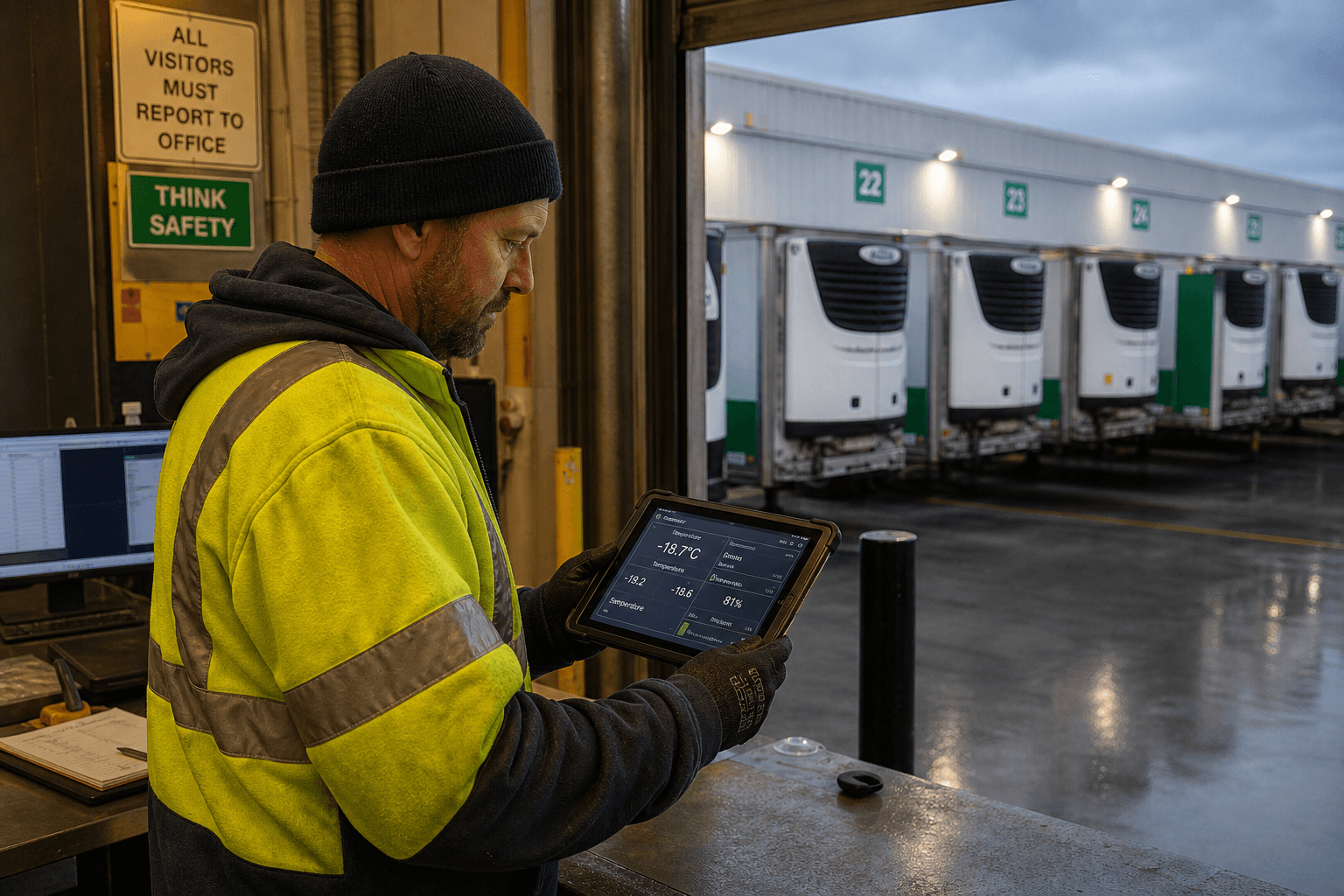
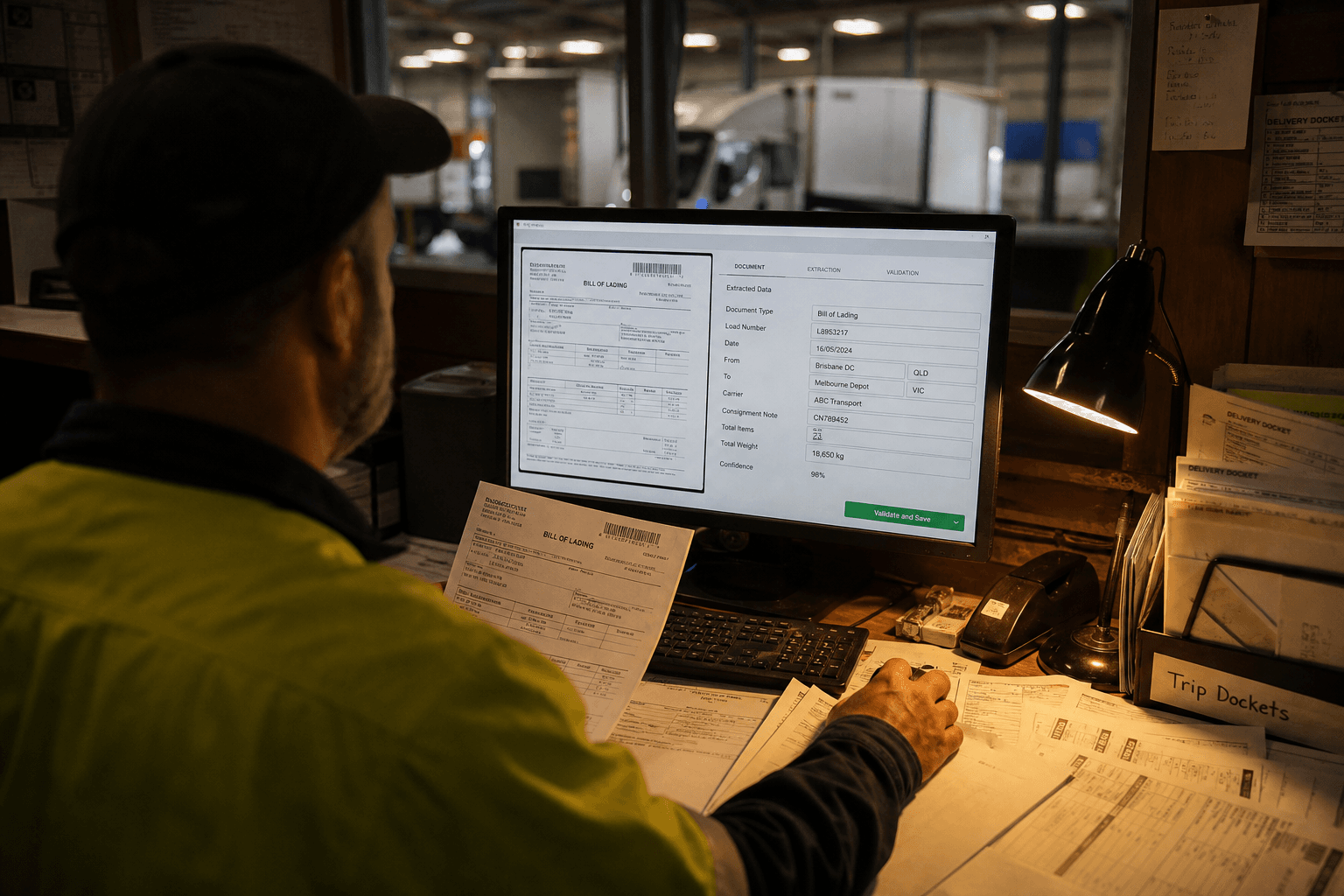
AI Workforce Scheduling for Warehouse Labour Efficiency
Most Australian warehouse operators still schedule labour with spreadsheets and text messages, creating overtime blowouts, missed SLAs, and compliance exposure. AI-driven scheduling fixes the root cause — mismatched supply and demand — without requiring a full WMS or TMS replacement.
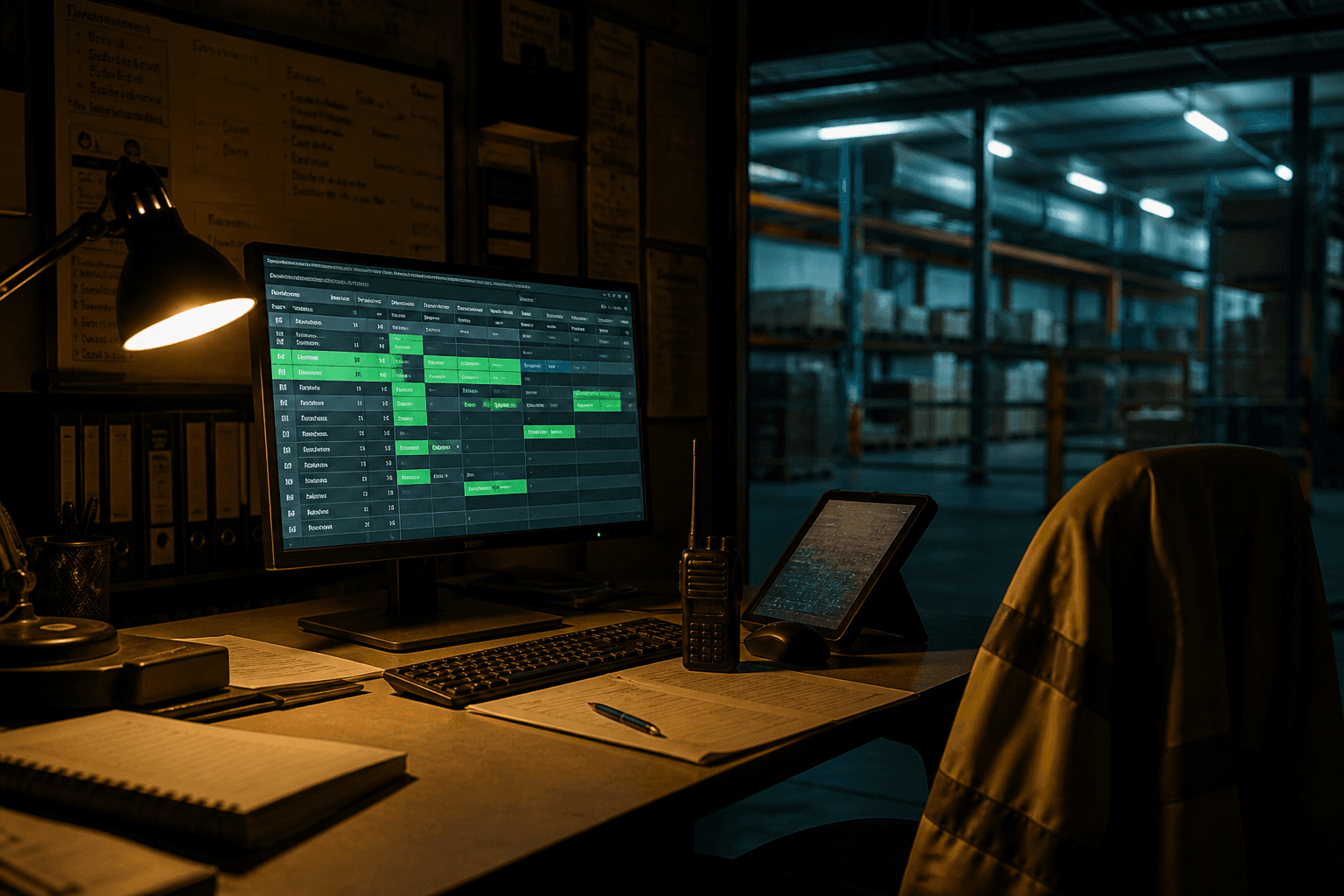
Warehouse labour is typically the single largest variable cost in warehousing and last-mile operations. Yet most Australian logistics operators still run scheduling through spreadsheets, paper rosters, or basic shared calendars — a setup that creates last-minute staffing gaps, overtime blowouts, and compliance exposure. AI workforce scheduling, one of the more practical applications of AI in logistics, offers a targeted fix without requiring a full system replacement.
What Is AI Workforce Scheduling for Warehouses?
AI workforce scheduling is the use of demand forecasting and historical availability data to recommend optimal shift allocations for pick-and-pack teams, dock labour, and driver rosters. It's a narrower application than route optimisation or predictive maintenance, but it sits within the same broader category of operational AI in logistics — using data to match resources to demand rather than relying on manual judgement alone.
Why Is Warehouse Labour Scheduling Still Manual in Australia?
Most mid-market warehouse operators haven't automated scheduling because their core systems — legacy WMS, basic rostering tools, or none at all — were never built for it, and replacing them feels like a bigger project than the problem warrants. The result is managers building rosters in spreadsheets, chasing shift swaps by text message, and reconciling timesheets by hand every fortnight.

This isn't a technology-maturity failure unique to any one operator — it reflects where most of the sector sits. Low-to-medium technology maturity, legacy systems five-plus years old, and little internal data capability are the norm rather than the exception across Victorian, NSW, and Queensland warehousing and 3PL operations. Scheduling is often the last thing to get attention because it's treated as an admin task rather than a cost lever.
How Does AI-Driven Rostering Reduce Overtime Costs?
Poor scheduling shows up as three direct labour efficiency problems: overtime and casual labour cost blowouts when shifts are understaffed, missed SLAs when pickers aren't available at peak volume, and higher staff turnover when workers have no visibility of their own roster. AI-driven scheduling addresses the root cause — mismatched supply and demand — rather than patching the symptoms after the fact.
Demand-based scheduling uses volume forecasts (inbound receipts, outbound order volume, seasonal peaks) to set staffing levels by shift, rather than relying on a manager's gut feel or a fixed weekly template. When staffing levels track actual throughput more closely, the need for last-minute overtime or emergency casual labour tends to drop, because the gap between planned and required labour is smaller to begin with. Industry benchmarks from workforce management providers consistently point to better shift-to-demand alignment as the primary lever here — the actual size of the gain depends heavily on how volatile your volumes are and how manual your current process is.
What Core Capabilities Should Warehouse Operators Look For?
The capabilities that drive labour efficiency gains are consistent across the category: centralised digital rostering, self-service availability and shift-swap tools, demand-based staffing models, and payroll integration. Each targets a specific point of manual effort and error in the current spreadsheet-based process.

| Capability | Spreadsheet / manual process | AI-assisted scheduling |
|---|---|---|
| Roster visibility | Static file, emailed or printed, often out of date | Centralised, real-time schedule accessible to all staff |
| Shift swaps | Manager-brokered via phone/text | Self-service availability and swap requests |
| Staffing levels | Set by fixed template or manager judgement | Set from volume forecasts and historical demand patterns |
| Timesheet reconciliation | Manual cross-check against rosters | Integrated with payroll, reducing manual reconciliation |
| Compliance checks | Manual review, error-prone | Built into the scheduling logic |
Standalone scheduling tools solve the rostering problem in isolation. Integrating scheduling data with your WMS, TMS, or payroll platform creates more value again — but flagging that shift data feeding into operational systems typically requires native integrations or custom development work, not just a subscription.
How Does Scheduling AI Handle Fair Work Act and Award Compliance?
Compliance is a non-trivial part of the labour efficiency picture in Australia. Scheduling logic needs to automatically enforce Fair Work Act minimum engagement periods, overtime and penalty rates under the relevant Modern Award — such as the Storage Services and Wholesale Award — and state-based fatigue and OHS obligations, rather than relying on a manager to remember and apply them manually.
Any scheduling platform used in an Australian warehouse or transport operation needs its compliance logic configured and kept current against the specific Award, enterprise agreement, and — for transport operations — NHVR fatigue rules that apply to your business. Award interpretation is genuinely complex: rates, loadings, and minimum engagement periods vary by classification and change with Fair Work Commission determinations. Configuration errors of this kind are a recurring theme in Fair Work Ombudsman compliance activity, regardless of which underlying system generated the roster.
For operators evaluating any scheduling tool, the practical question isn't where the platform originated or how established the vendor is — it's whether the compliance rules embedded in it have been configured and tested against your specific Award coverage, and who is accountable for keeping that configuration current as rates and rules change. This is the kind of detail we work through with clients during an ai readiness assessment, alongside broader questions about data quality and system fit.
Does This Require Replacing Our WMS or TMS?
No — AI workforce scheduling can be implemented as a targeted addition rather than a wholesale legacy system replacement project. In most engagements we run, scheduling sits alongside the existing WMS or TMS, with integration built to pull volume and shift data rather than requiring a rip-and-replace of core systems already doing their job. That's the same approach we take with other operational AI modules, whether that's route optimisation for fleet planning or emissions reporting for AASB S2 and Scope 3 obligations — start with the specific problem, integrate with what's already in place, and expand from there once the fundamentals are proven.
The right starting point depends on where your current scheduling pain is most acute — overtime cost, SLA misses, or compliance risk — and what data your existing systems can actually supply. That's typically the first thing worth assessing before committing to any platform or build.
If you want to see how this applies to your operation, read more insights on operational AI for Australian logistics, or get in touch to talk through where scheduling fits in your priorities.
Zero Footprint
The Zero Footprint team — AI modernisation for Australian logistics.