Building a Data Lake for Legacy Logistics Systems
Legacy TMS/WMS systems trap years of valuable logistics data in silos. This guide covers the practical architecture — CDC pipelines, schema evolution, data quality rules — for consolidating that data into a lake that can power reporting and AI.
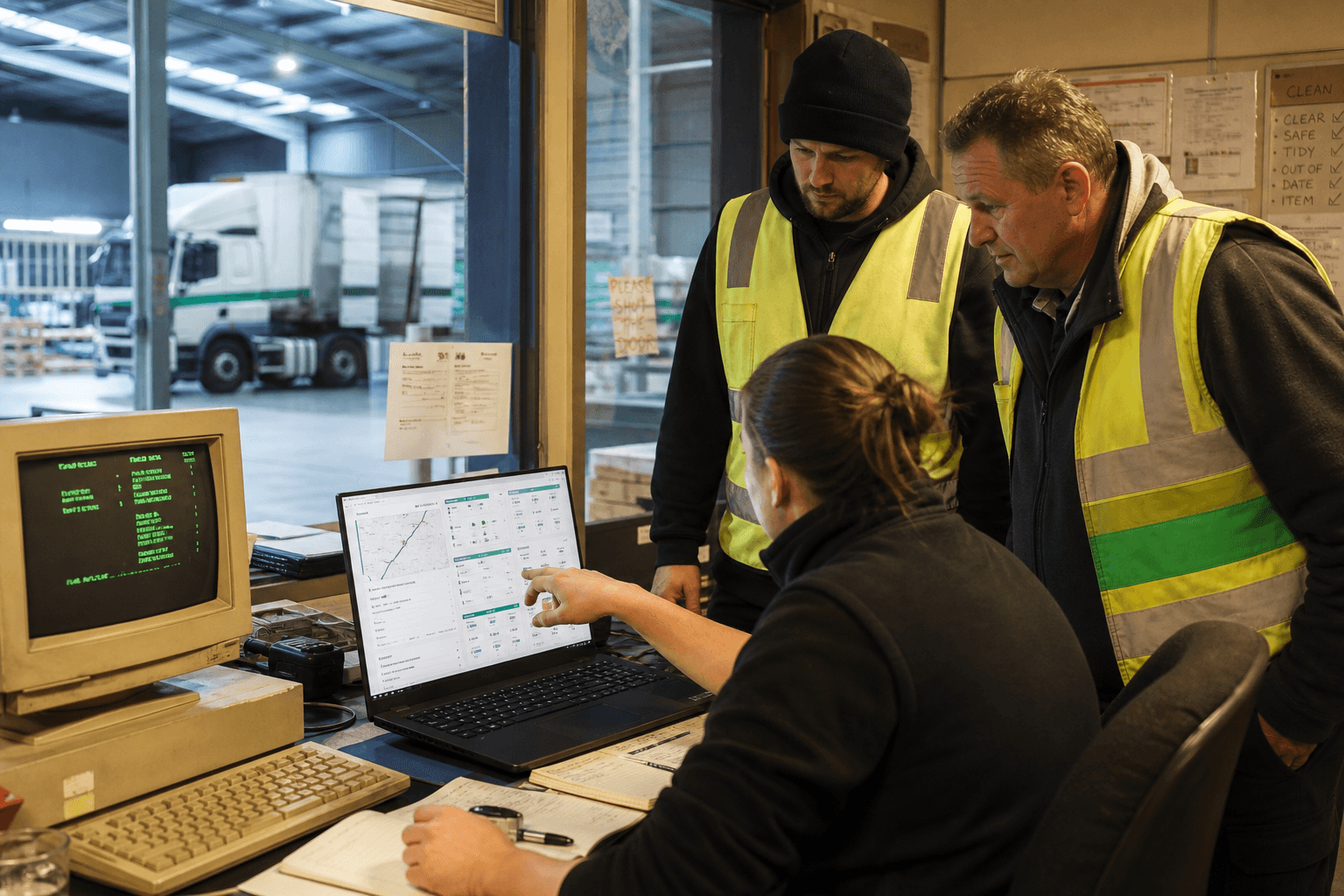
Most Australian mid-market logistics operators run TMS, WMS, and dispatch systems that were implemented well over a decade ago. These platforms hold years of valuable operational data — but that data is trapped in siloed databases, spreadsheets, and paper records that don't talk to each other. A data lake is a centralised repository that consolidates raw data from multiple source systems into one place, in its native format, so it can be queried, reported on, and used for analytics or AI without needing to touch the original systems. For operators sitting on ageing TMS/WMS platforms, building one is often the most practical route to modern reporting and AI capability — without the cost and risk of a full platform replacement.
This article covers the architecture building blocks involved: extracting data via change data capture (CDC), handling schema evolution across systems that were never designed to be integrated, applying data quality rules, and using the consolidated data foundation to enable AI and machine learning. Note upfront: this is a synthesis of practical patterns and general industry practice — it draws on what we see working for mid-market logistics operators, not a single prescriptive blueprint. Every legacy environment is different, and the right architecture depends on what systems you're running and what you're trying to achieve.
Why do legacy TMS/WMS systems need a data lake instead of a rip-and-replace?
Many mid-market operators run TMS/WMS platforms implemented in the 2010s or earlier that cannot easily integrate with modern APIs, cloud platforms, or data pipelines, and lack real-time reporting or analytics capability. A full platform replacement carries high switching costs, vendor lock-in risk, and significant budget strain — often more than a $20M–$500M revenue operator wants to absorb in one project. A data lake sits alongside the legacy system rather than replacing it, pulling usable data out via APIs, database connections, or document processing to feed modern analytics and reporting tools.
This augmentation approach is why data extraction and normalisation is typically the practical first step in any legacy system modernisation effort. You're not asking the business to migrate off a system that runs daily operations — you're asking it to also feed a parallel data layer that unlocks reporting and AI use cases the legacy system was never built to support.
What is CDC and why does it matter for consolidating logistics data?
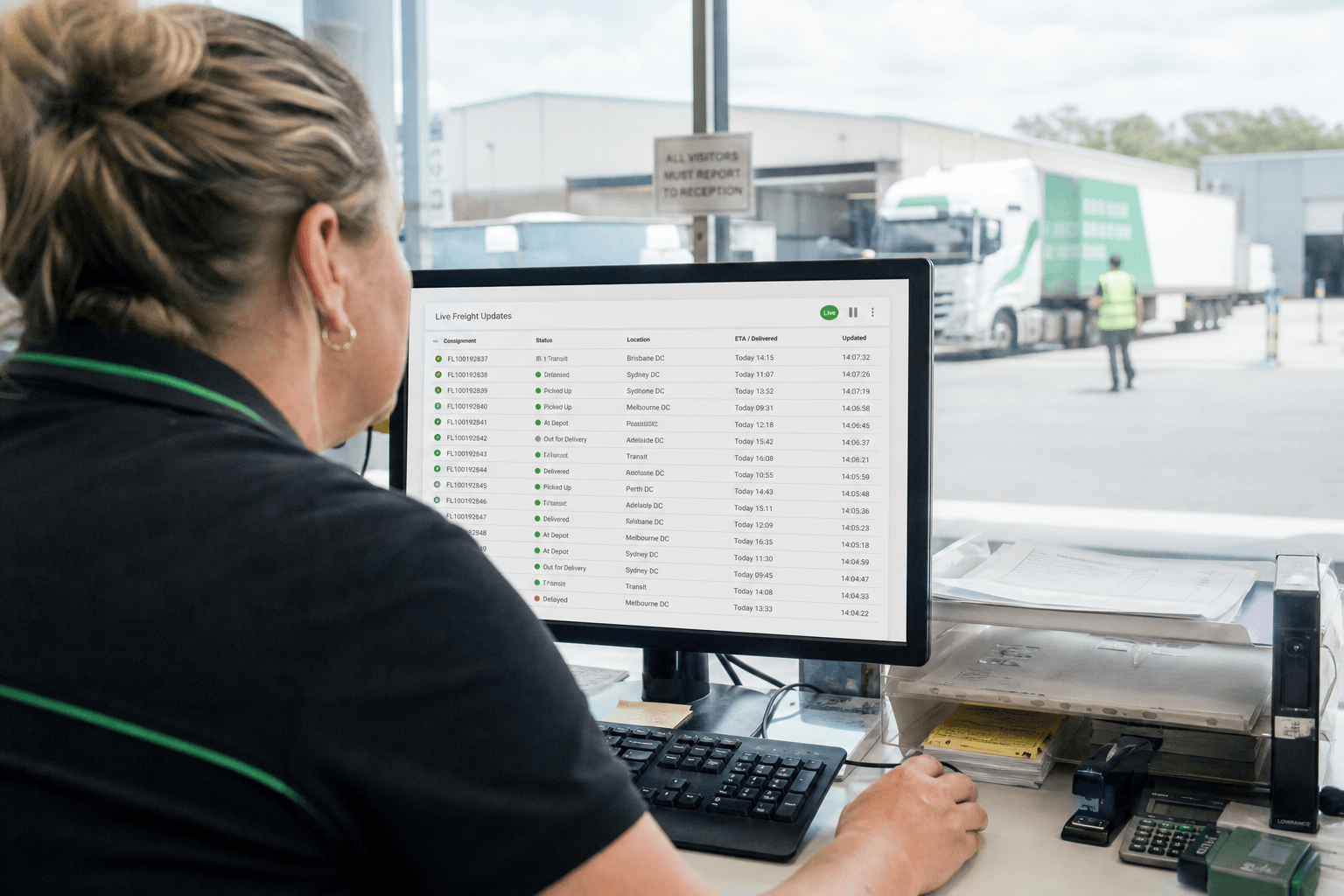
Change data capture (CDC) is a technique that identifies and captures changes made to data in a source system — new bookings, updated delivery statuses, amended freight rates — and streams those changes to a target system in near real time, rather than requiring full batch reloads. For logistics operators, this matters because dispatch, freight status, and inventory data change constantly throughout the day, and daily batch exports quickly become stale.
Most legacy TMS/WMS platforms weren't built with CDC in mind, so implementation usually depends on what access the source system allows:
| Extraction method | Typical use case | Real-time capability |
|---|---|---|
| Direct database log-based CDC | Systems with accessible database logs | Near real-time |
| API polling | Systems exposing modern or partial APIs | Periodic (minutes to hours) |
| Scheduled batch export | Legacy systems with no API or log access | Batch (daily/hourly) |
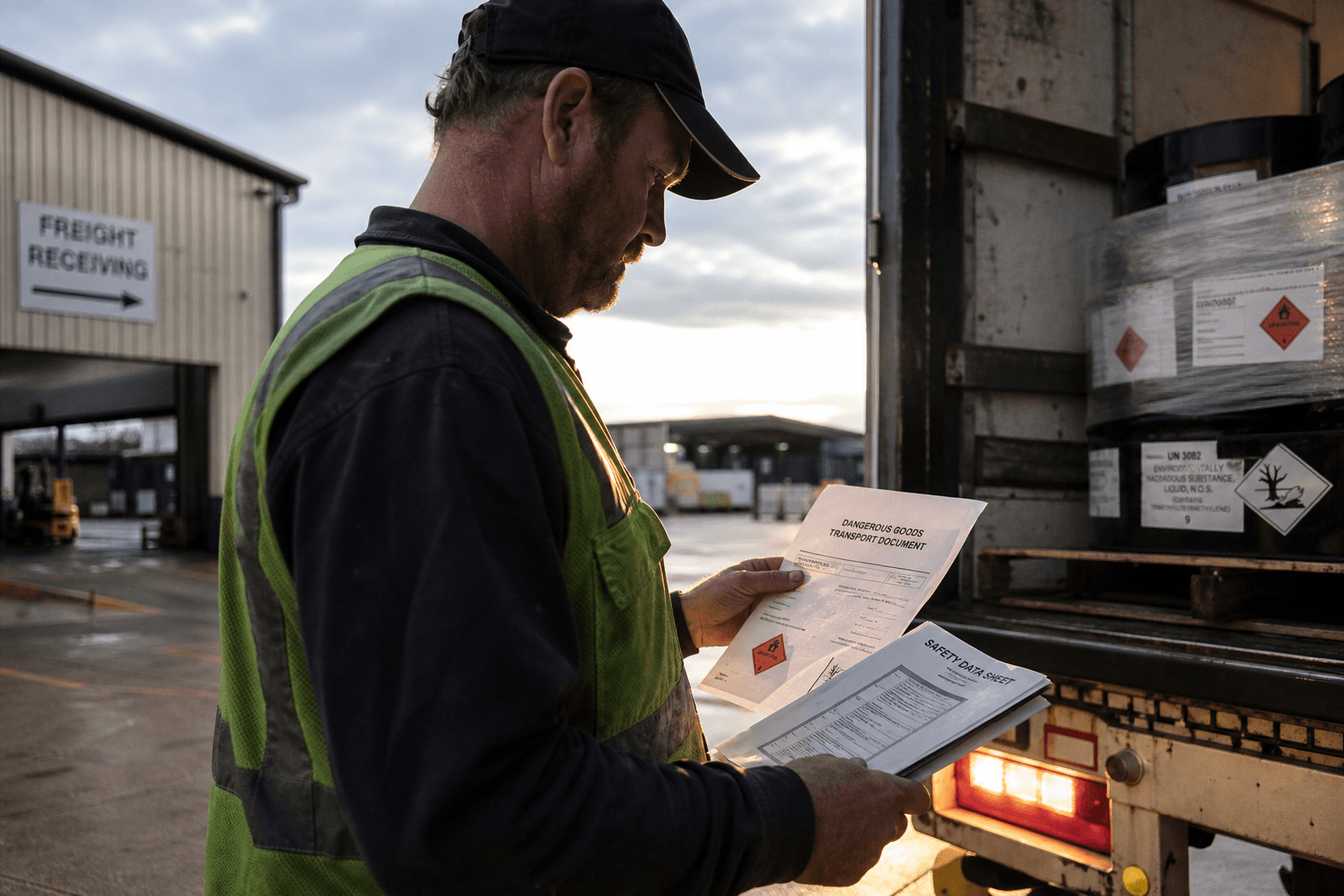
| Document processing (OCR/IDP) | Paper BOLs, manual PODs, faxed manifests | Batch, as documents arrive |
Where legacy systems have no API and no accessible logs, batch extraction or document intelligence processing for paper-based records is often the only viable option. The right mix usually varies by source system, and it's common for a single consolidation project to use two or three of these methods across different legacy platforms at once.
How do you handle schema evolution across multiple legacy systems?
Schema evolution is the process of managing changes to data structure over time — new fields, renamed columns, changed data types — without breaking downstream pipelines or reports. Legacy logistics systems from different vendors rarely use consistent field names, units, or formats for the same concept, so a data lake needs a schema strategy that can absorb both source-system inconsistency and future change.
In practice this means adopting a layered approach: raw data lands in the lake exactly as extracted from the source system, an intermediate layer standardises formats and naming conventions (converting weight units, aligning date formats, mapping status codes to a common taxonomy), and a curated layer presents clean, business-ready tables for reporting and AI. This staging keeps the raw data intact for audit and reprocessing while insulating downstream consumers — dashboards, AI models, reporting tools — from upstream schema changes.
What data quality rules should be applied before feeding AI models?
AI models are only as good as the underlying data, and many operators have inconsistent or incomplete records — missing POD timestamps, duplicate consignment entries, freight weights recorded in mixed units. Data quality rules are automated checks applied during the pipeline that flag, correct, or reject records failing defined standards (completeness, uniqueness, referential integrity, valid ranges) before that data reaches reporting or AI layers.

Common rules worth building in early include deduplication of consignment and shipment records across systems, validation of mandatory fields (origin, destination, weight, timestamps), range checks on fuel and distance data, and reconciliation logic where the same shipment appears in both TMS and WMS with conflicting details. Skipping this step is one of the more common reasons consolidation projects stall — the data lands, but nobody trusts it enough to act on it.
What can a consolidated data lake actually enable?
Once structured data is flowing reliably from legacy systems into a single source of operational truth, it opens up use cases that were previously impractical because the data was too fragmented to work with. These include predictive analytics such as demand forecasting and route optimisation, maintenance prediction, workflow automation, and — increasingly urgent for larger operators — emissions reporting.
For operators facing AASB S2 and Scope 3 reporting obligations, a consolidated data lake is often what makes accurate reporting possible in the first place: fuel, distance, and load data extracted from legacy systems can feed directly into emissions reporting processes, rather than relying on manual spreadsheet compilation and supplier self-reporting. AI tooling more broadly — document processing, anomaly detection, forecasting — is most valuable when it solves a specific, measurable operational problem, and a reliable data foundation is the prerequisite for all of it.
Should you build the whole thing at once?
No — treating data lake consolidation as a single, all-at-once project is one of the more common ways these initiatives stall. A staged roadmap that starts with one or two source systems, proves the extraction and quality pipeline works, and expands from there is more likely to deliver usable results than attempting to integrate every legacy platform simultaneously.
It's also worth underestimating neither the integration complexity of connecting to ageing systems nor the requirements of trading partners who may need EDI or API access to the same consolidated data. Scoping this properly upfront — what systems, what data, what's the first use case — saves significant rework later.
If you're exploring how to consolidate data from legacy TMS/WMS systems and want a clear-eyed view of what's realistic for your environment, an ai-readiness-assessment is a practical starting point — it maps your current systems, data quality, and integration options before any build work begins. You can also browse our insights for more on legacy system modernisation and AI in logistics, or get in touch to talk through your specific setup.
Zero Footprint
The Zero Footprint team — AI modernisation for Australian logistics.