Legacy TMS Modernisation Guide for Australian Logistics
Legacy TMS systems cost Australian logistics operators $200,000-300,000 annually through inefficiencies. This practical guide covers modernisation approaches, ROI measurement, and implementation strategies that actually work for Australian operations.
Legacy TMS Modernisation: A Practical Guide for Australian Logistics Operators
Your transport management system (TMS) handles everything from route planning to driver scheduling. When it's built on legacy infrastructure, it becomes a bottleneck that costs you money, time, and competitive advantage. Legacy system modernisation logistics isn't just about new software—it's about building systems that actually work with your existing operations.
Most Australian logistics operators run systems that are 10-15 years old, built when fuel was cheaper and customer expectations were lower. Today's reality demands real-time visibility, automated compliance reporting, and integration with multiple carriers and warehouse systems.
What Makes a TMS "Legacy"?
A legacy TMS is any transport management system that relies on outdated technology, requires manual workarounds, or can't integrate with modern logistics tools. These systems typically run on old databases, use desktop-only interfaces, and require IT specialists for basic changes.
Key indicators your TMS needs modernisation:
- Manual data entry for routine tasks
- No real-time tracking or visibility
- Can't integrate with new carriers or warehouse systems
- Requires phone calls or emails to get basic information
- Takes weeks to make simple configuration changes
- No mobile access for drivers or operations staff
The Real Cost of Delayed Modernisation
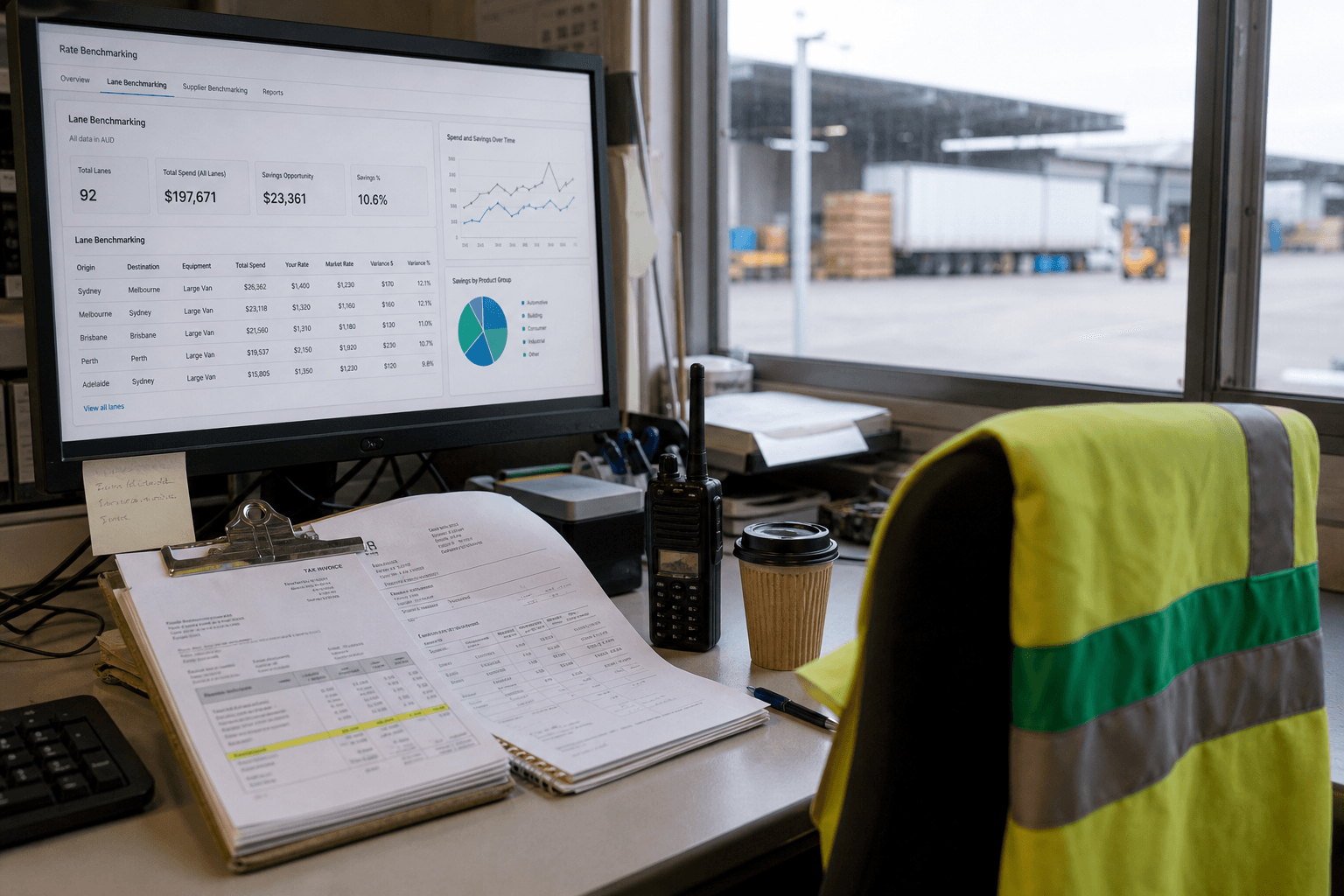
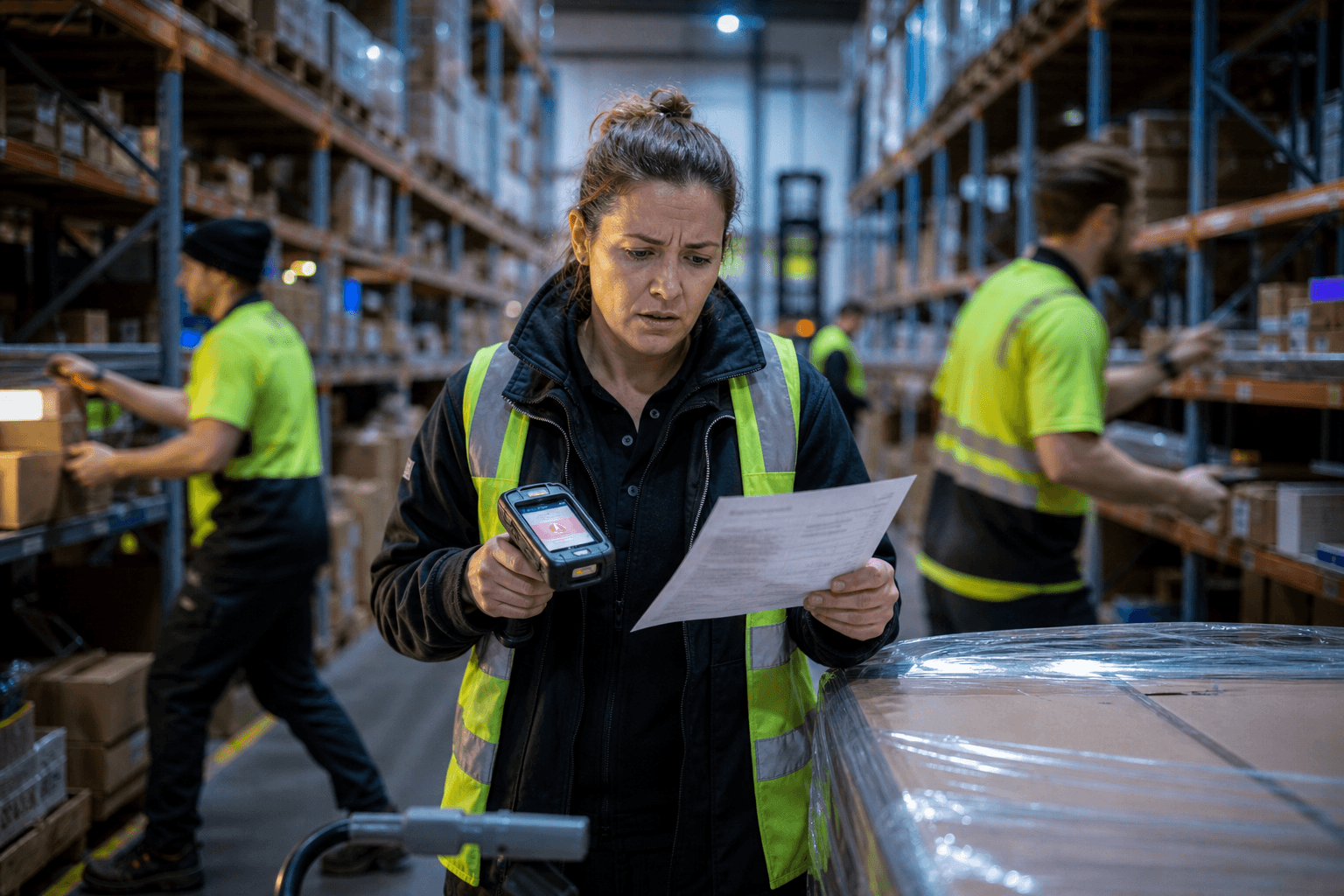
Australian logistics operators using legacy TMS lose an average of 15-20% operational efficiency compared to modernised competitors. This translates to real money: a mid-sized 3PL handling 500 shipments daily typically loses $200,000-300,000 annually through inefficiencies.
| Legacy TMS Impact | Annual Cost (500 shipments/day) |
|---|---|
| Manual route planning inefficiencies | $80,000-120,000 |
| Delayed compliance reporting | $40,000-60,000 |
| Poor carrier integration | $50,000-80,000 |
| Limited visibility causing customer issues | $30,000-40,000 |
| Total estimated annual loss | $200,000-300,000 |
Beyond direct costs, legacy systems create operational stress. Your team spends hours on tasks that should be automated, customer inquiries take longer to resolve, and you can't respond quickly to market changes.
How Does Modern TMS Technology Improve Operations?
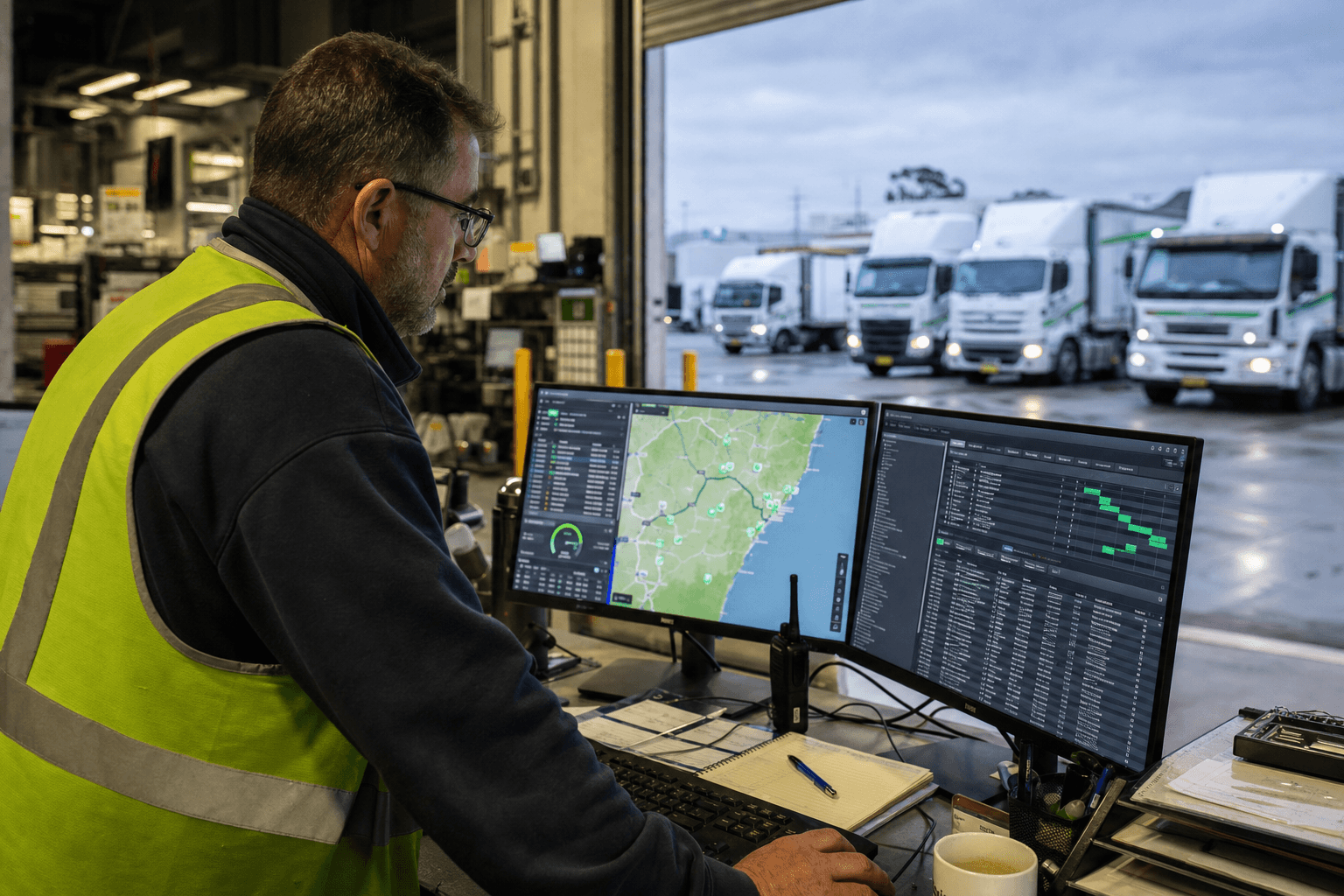
Modern TMS platforms use cloud infrastructure, API-first architecture, and AI-powered automation to eliminate manual bottlenecks. They integrate seamlessly with warehouse management systems, carrier platforms, and customer portals.
A modern TMS delivers measurable improvements:
- Route optimisation: AI algorithms reduce fuel costs by 8-12%
- Real-time visibility: Automatic tracking updates reduce customer inquiries by 40%
- Automated compliance: NGER reporting logistics becomes a background process
- Carrier integration: Direct API connections eliminate manual booking processes
- Mobile access: Drivers and operations staff work from anywhere
Modernisation Approaches: What Works in Australian Logistics
There are three main approaches to TMS modernisation, each suited to different operational requirements and risk tolerances.
Complete System Replacement
Complete replacement involves implementing an entirely new TMS and migrating all data and processes. This approach works best for operators with highly customised legacy systems that can't be upgraded incrementally.
Best for: Operations with complex legacy customisations, multiple system integrations, or systems over 15 years old.
Timeline: 6-12 months Risk level: High Typical cost: $150,000-500,000 for mid-sized operators
Phased Modernisation
Phased modernisation replaces system components gradually, maintaining operations while upgrading core functions. You might start with route optimisation, then add real-time tracking, then upgrade carrier integrations.
Best for: Operations that can't afford extended downtime or want to spread costs over time.
Timeline: 12-18 months Risk level: Medium Typical cost: $100,000-300,000 spread over phases
API-First Integration
API-first integration keeps your existing TMS but adds modern functionality through connected applications. Route optimisation AI, real-time tracking, and automated reporting run alongside your legacy system.
Best for: Operations with recent TMS investments or highly specialised workflows.
Timeline: 3-6 months Risk level: Low Typical cost: $50,000-150,000
AI in Logistics: Where It Actually Adds Value
AI in logistics delivers the biggest impact in three areas: route optimisation, demand forecasting, and exception management. These aren't theoretical benefits—they're measurable improvements you can track from day one.
Route optimisation AI considers real-time traffic, vehicle capacity, driver hours, and delivery windows simultaneously. Australian operators typically see 8-12% fuel cost reduction and 15-20% improvement in on-time deliveries.
Predictive maintenance uses vehicle telematics and historical data to prevent breakdowns. This is particularly valuable for operators running mixed fleets or covering long Australian routes.
Exception management AI identifies potential delays before they impact customers. Instead of reactive customer service, you're proactively managing issues.
Preparing Your Team for TMS Modernisation
Successful TMS modernisation depends more on change management than technical implementation. Your operations team needs to understand how new workflows improve their daily tasks, not just add more complexity.
Start with your power users: Identify team members who already push your current system to its limits. They understand operational pain points and can become modernisation champions.
Document current workflows: Map how tasks actually get done today, including workarounds and manual processes. This reveals which modernisation features deliver immediate value.
Plan for training: Budget 15-20% of implementation time for training. Modern TMS platforms are more intuitive, but your team needs time to adapt workflows.
Choosing the Right TMS Platform
The Australian logistics market has specific requirements that global TMS vendors don't always understand. Look for platforms that handle Australian compliance requirements, integrate with local carriers, and provide support in Australian business hours.
Essential features for Australian operators:
- NHVR compliance and Heavy Vehicle National Law integration
- Direct integration with major Australian carriers (Toll, StarTrack, TNT)
- Multi-currency support for international freight
- Australian address validation and postcode logic
- Local support team and implementation partners
Evaluation criteria:
- Integration capabilities: Can it connect to your existing warehouse, accounting, and carrier systems?
- Scalability: Will it handle your growth over the next 5 years?
- Total cost of ownership: Include licensing, implementation, training, and ongoing support
- Vendor stability: Are they financially stable with a track record in Australian logistics?
Implementation Timeline and Project Management
TMS modernisation projects succeed when they follow structured implementation phases with clear milestones and success criteria. Most Australian operators underestimate the time required for data migration and integration testing.
Typical 6-month implementation timeline:
Month 1: System configuration and basic integrations Month 2: Data migration and testing Month 3: Advanced integrations (carriers, warehouse systems) Month 4: User acceptance testing and training Month 5: Parallel running with legacy system Month 6: Full cutover and optimisation
Critical success factors:
- Executive sponsorship and clear project ownership
- Dedicated project team with operational expertise
- Regular milestone reviews with measurable success criteria
- Risk management plan for integration issues
Measuring ROI: What to Track Post-Implementation
TMS modernisation ROI comes from operational efficiency gains, not just technology features. Track metrics that directly impact your bottom line and customer satisfaction.
Primary ROI metrics:
- Fuel cost per kilometre: Should decrease 8-12% through route optimisation
- On-time delivery percentage: Target 95%+ compared to legacy system baseline
- Planning time per route: Should decrease 60-70% through automation
- Customer inquiry resolution time: Target 50% reduction through real-time visibility
Secondary efficiency metrics:
- Driver productivity (deliveries per day)
- Administrative time for compliance reporting
- Integration errors requiring manual intervention
- System uptime and performance
Most operators see positive ROI within 8-12 months, with full benefits realised by month 18.
Common Modernisation Pitfalls and How to Avoid Them
TMS modernisation projects fail when operators focus on technology features instead of operational outcomes. The most common mistakes are predictable and avoidable with proper planning.
Over-customisation: Resist the urge to replicate every legacy system workflow. Modern TMS platforms work best with standard processes that leverage built-in automation.
Inadequate integration planning: Map all your system integrations before implementation begins. Surprises during integration testing cause the biggest project delays.
Insufficient training investment: Your team needs time to adapt to new workflows. Rushed training leads to user resistance and suboptimal system utilisation.
Unrealistic timeline expectations: Complex TMS implementations take 6-12 months. Rushing the process increases risk and reduces benefits realisation.
Modern TMS platforms integrate with complementary systems to maximise operational efficiency. Our legacy modernisation services help operators transition from outdated systems without disrupting daily operations, while route optimisation solutions can immediately reduce fuel costs and delivery times during the modernisation process.
Getting Started: Your TMS Modernisation Assessment
Before evaluating TMS platforms, conduct an honest assessment of your current system's performance and limitations. This assessment guides your modernisation strategy and vendor selection.
Operational assessment questions:
- How much time does your team spend on manual data entry and system workarounds?
- What percentage of customer inquiries could be eliminated with better visibility?
- Which integrations cause the most operational friction?
- What compliance reporting tasks require manual intervention?
- How often do system limitations force suboptimal operational decisions?
Document specific pain points with dollar costs where possible. This creates a baseline for measuring modernisation success and justifies implementation investment.
Next steps:
- Audit your current TMS capabilities and limitations
- Calculate the cost of operational inefficiencies
- Define success criteria for modernisation outcomes
- Evaluate modernisation approaches based on your risk tolerance and budget
- Shortlist TMS vendors with Australian logistics experience
TMS modernisation isn't just about new technology—it's about building systems that support your business growth and operational excellence. The key is starting with clear objectives and choosing solutions that solve your actual problems, not theoretical ones.
Ready to evaluate your current TMS and explore modernisation options? Our team has helped dozens of Australian logistics operators transition from legacy systems while maintaining operational continuity. Get in touch to discuss your specific requirements and timeline.
Zero Footprint
The Zero Footprint team — AI modernisation for Australian logistics.