Australia's Logistics Labour Shortage: How AI Fills the Gap
Australia's logistics industry faces critical workforce shortages across drivers, warehouse staff, and skilled positions. AI automation helps companies maintain operations by maximising existing workforce productivity rather than expanding headcount.
Australia's Logistics Labour Shortage: How AI Fills the Gap
Australia's logistics industry faces a critical workforce challenge that's reshaping how companies operate. With driver shortages, warehouse staffing gaps, and an ageing workforce, AI automation has become essential for maintaining operational efficiency rather than just a competitive advantage.
The Scale of Australia's Logistics Labour Crisis
Australia's logistics labour shortage affects every aspect of the supply chain. Industry reports consistently highlight significant driver shortfalls projected through the next decade, while warehouse operators face considerable staff turnover challenges.
The shortage spans multiple areas:
- Driver positions: Heavy vehicle operators, delivery drivers, and interstate transport
- Warehouse roles: Pick/pack staff, forklift operators, and inventory coordinators
- Skilled positions: Logistics coordinators, dispatch managers, and maintenance technicians
- Administrative functions: Data entry, compliance reporting, and customer service
This labour gap costs Australian logistics companies through increased overtime, recruitment expenses, and operational delays. The Australian Bureau of Statistics data shows transport, postal and warehousing employment growing more slowly than demand, creating persistent staffing pressure across the sector.
How Driver Shortages Impact Operations
Driver shortages create immediate operational pressures for logistics operators. Companies report longer delivery windows, increased freight rates, and difficulty meeting customer service level agreements.
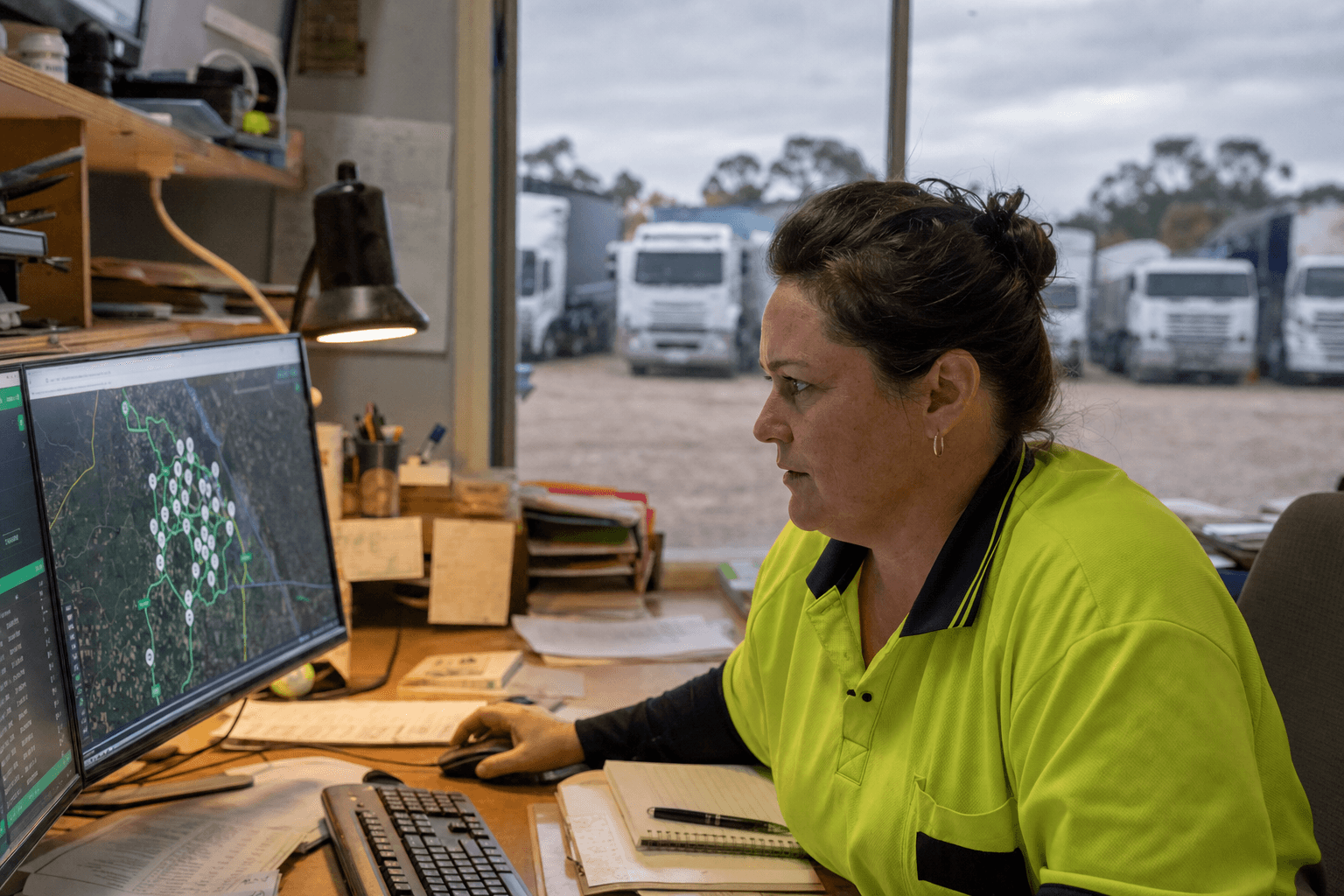
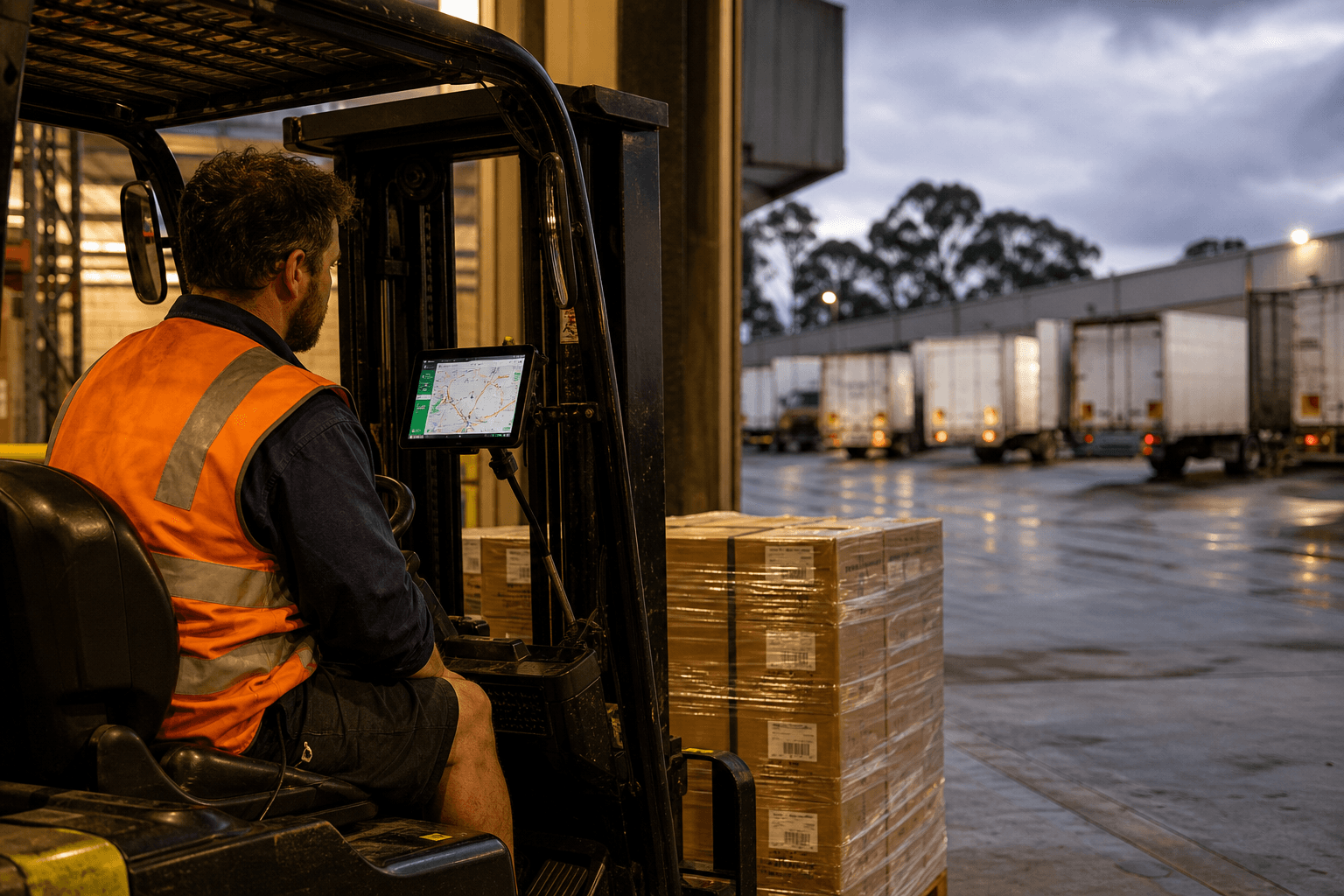
AI route optimisation directly addresses these challenges by maximising existing driver productivity. Instead of hiring additional drivers, companies can typically handle more deliveries with their current workforce through intelligent routing that reduces empty kilometres and consolidates stops.
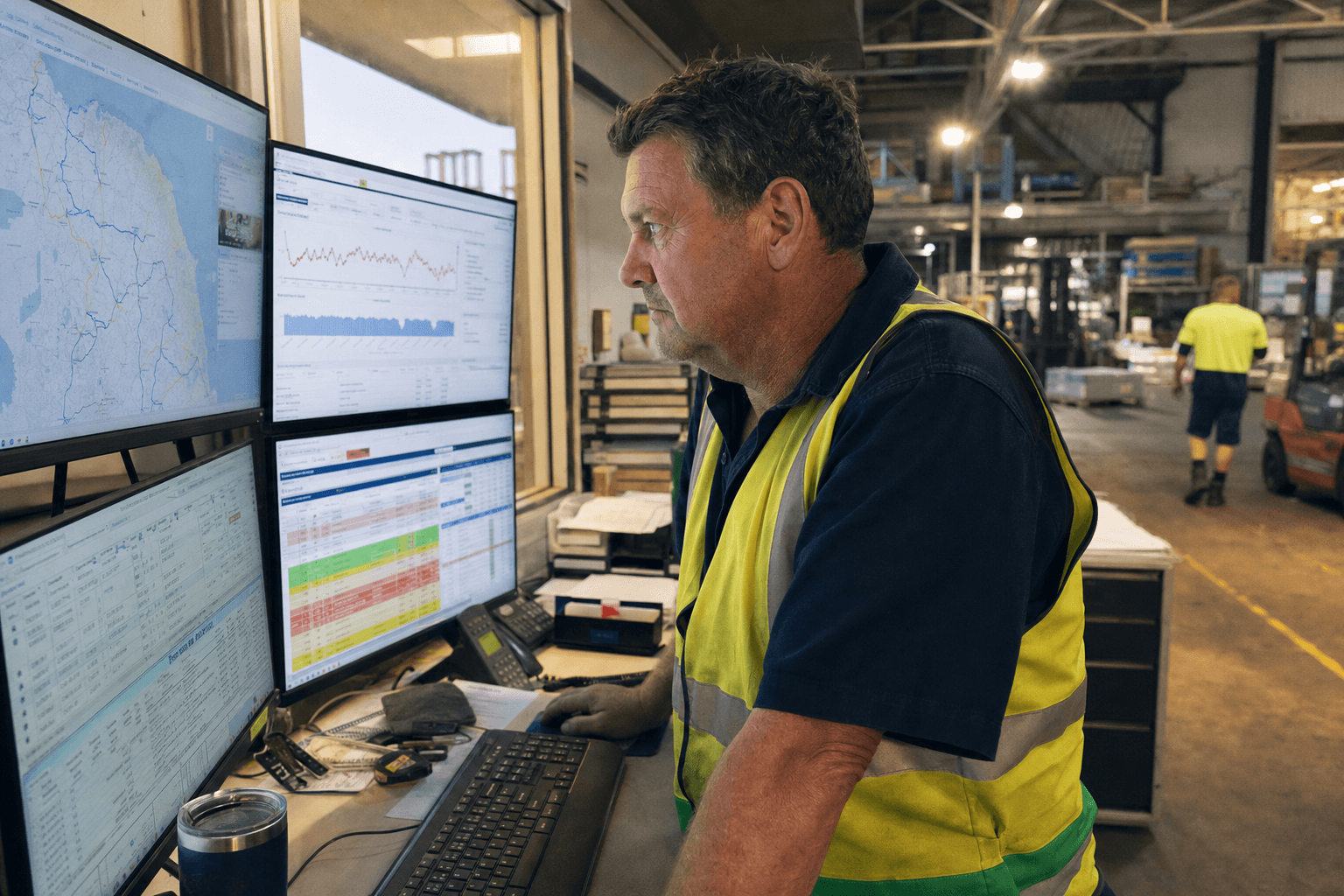
Automated dispatch systems also eliminate manual route planning time, allowing dispatchers to focus on exception handling rather than routine scheduling. This workforce augmentation approach helps smaller operators compete without expanding their driver headcount.
Warehouse Staffing Challenges and AI Solutions
Warehouse operations face unique staffing pressures from e-commerce growth and seasonal demand fluctuations. Peak periods often require substantial additional staff that's difficult to source and train effectively.
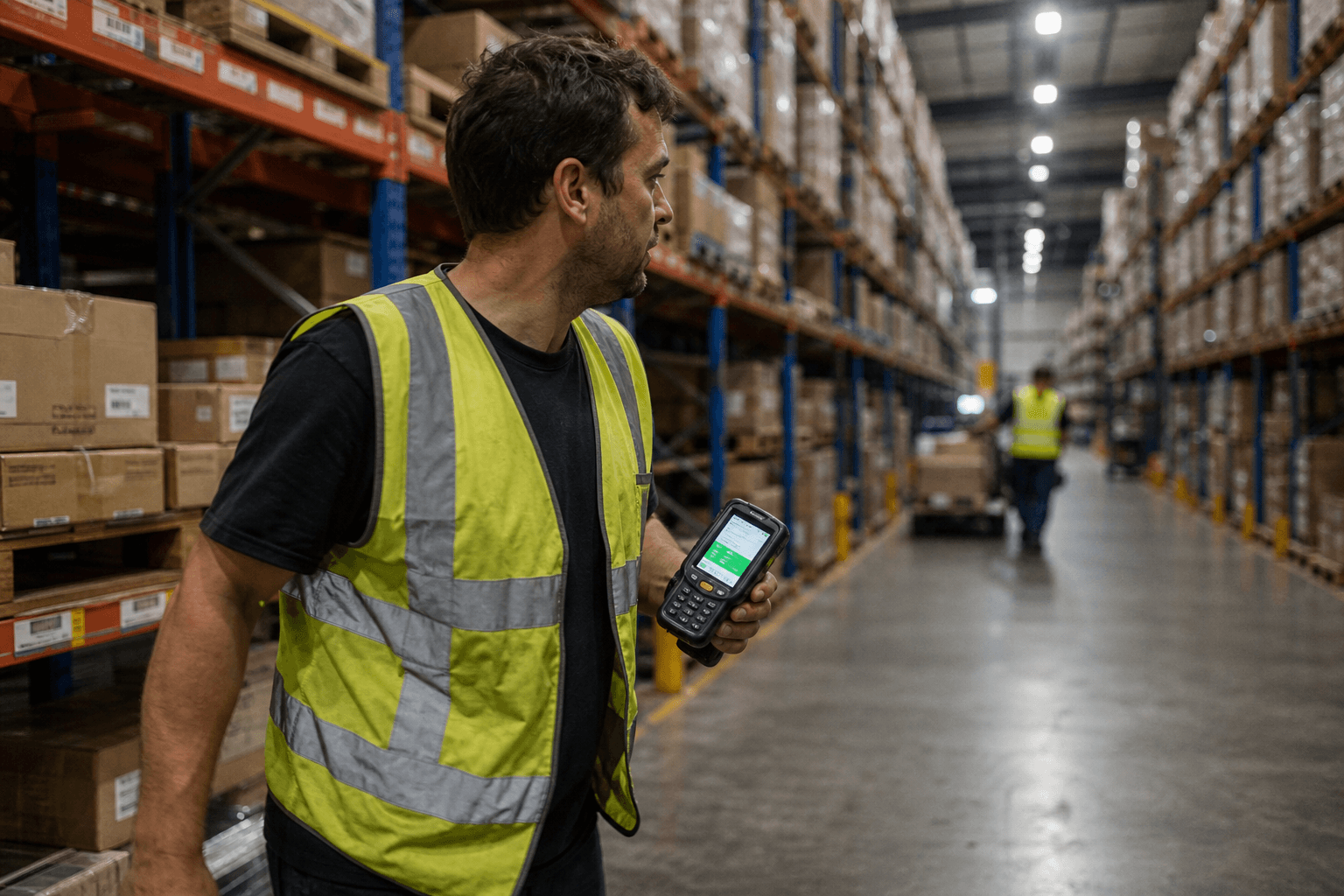
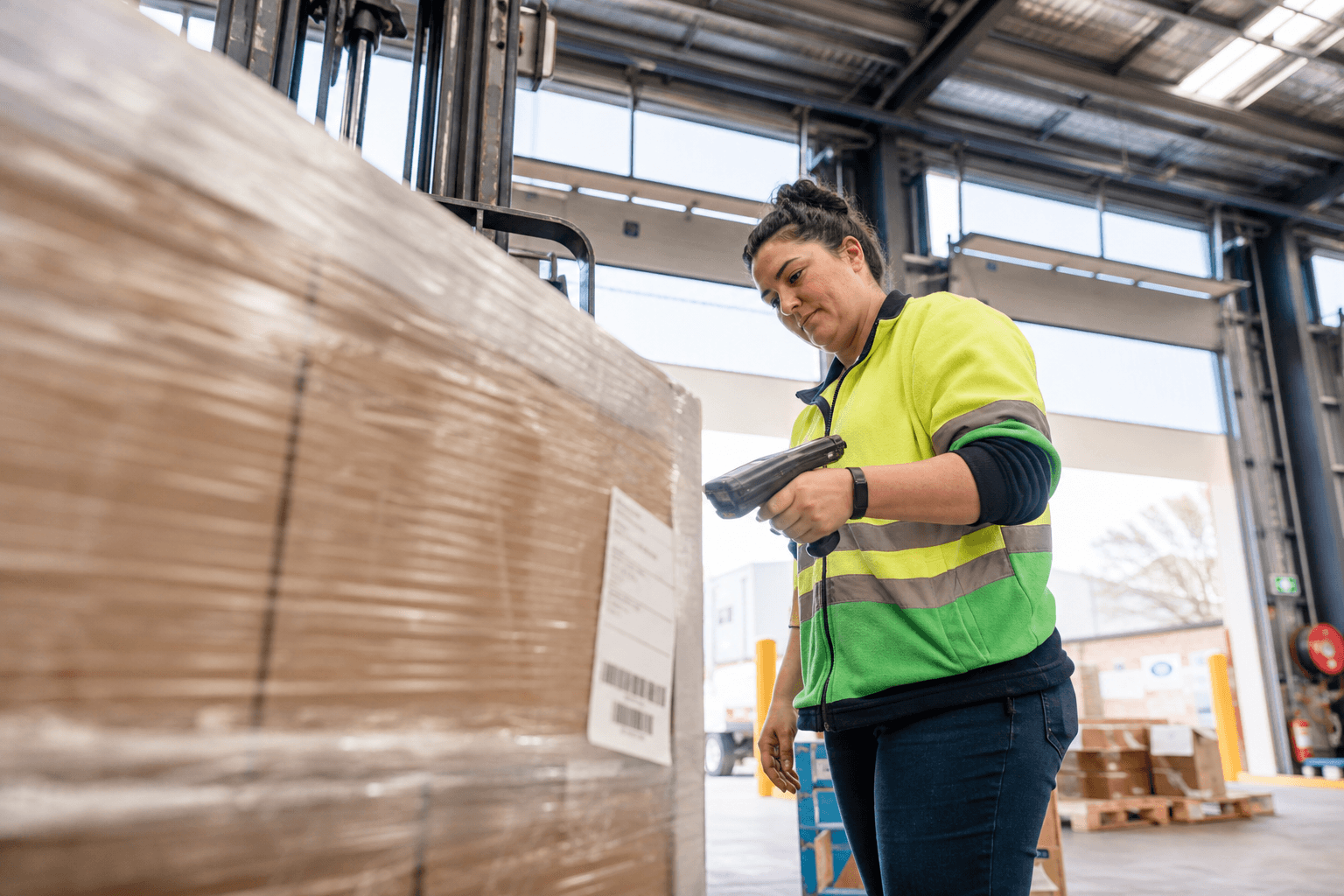
Pick and Pack Operations AI-powered warehouse management systems optimise pick paths and batch orders to reduce walking time and increase throughput per worker. Voice-directed picking and automated inventory tracking eliminate manual data entry, allowing existing staff to process more orders.
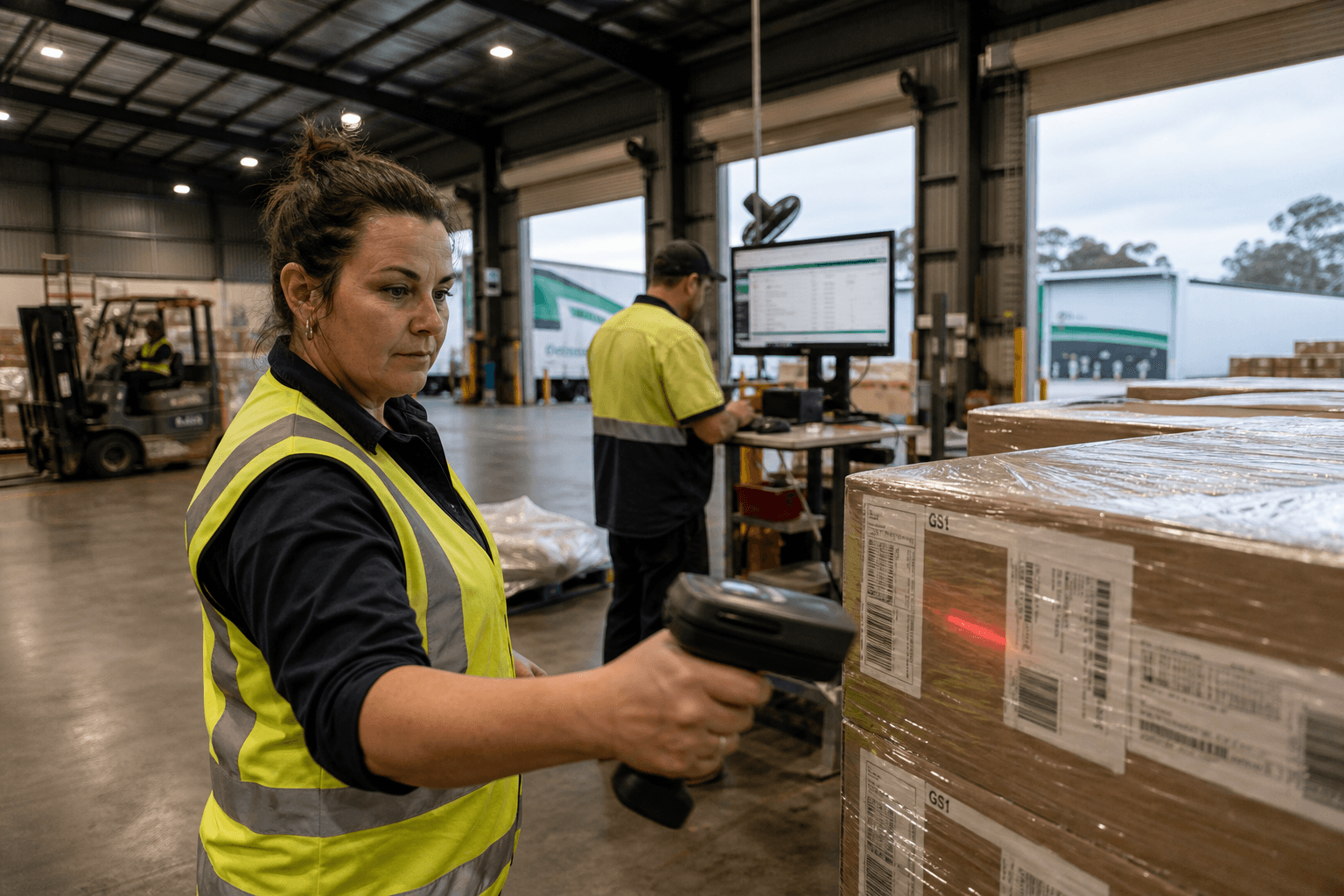
Inventory Management Document intelligence systems automate receiving processes by scanning delivery notes, purchase orders, and invoices. This reduces the manual data entry workload that typically requires dedicated administrative staff.
Quality Control Automated exception reporting identifies inventory discrepancies and delivery issues without manual auditing. This allows smaller teams to maintain accuracy standards across larger operations.
Skills Gap: Training AI vs Training People
The logistics industry struggles with an ageing workforce and limited technical skills among newer employees. Traditional training for warehouse management systems or transport management platforms can take weeks or months.
AI systems learn from existing operational patterns rather than requiring extensive user training. Route optimisation engines adapt to driver preferences and customer requirements automatically. Document processing systems improve accuracy through machine learning rather than manual rule updates.
This approach allows logistics operators to upgrade their capabilities without extensive retraining programs or hiring specialised technical staff. Our AI readiness assessment helps identify which processes can benefit most from automation.
Automation Adoption Across Australian Logistics
Australian logistics companies adopt AI automation at different rates depending on their size and operational complexity. Mid-market operators (50-500 employees) typically start with specific problem areas rather than comprehensive platforms.
Common Starting Points:
- Route optimisation for delivery fleets
- Automated invoice processing and reconciliation
- Exception-based inventory management
- Customer communication automation
Integration Approach: Successful implementations focus on augmenting existing workflows rather than replacing entire systems. This allows companies to maintain operational continuity while gradually reducing manual workloads.
Many operators begin with pilot programs that target their most pressing labour constraints before expanding to other operational areas.
Workforce Transition Strategies That Work
Effective AI implementation requires careful workforce transition planning. Australian logistics operators find success by positioning AI as a tool that eliminates repetitive tasks rather than replacing jobs.
Upskilling Existing Staff Dispatch coordinators become fleet optimisation specialists. Warehouse supervisors focus on exception handling and customer escalations. Administrative staff transition to data analysis and process improvement roles.
Retention Through Role Enhancement AI automation often makes logistics roles more engaging by removing mundane data entry and enabling staff to focus on problem-solving and customer service. This improves job satisfaction and reduces turnover in an industry known for high staff churn.
Gradual Implementation Phased rollouts allow teams to adapt to new workflows without overwhelming existing operations. Starting with pilot programs in specific areas builds confidence and demonstrates value before broader implementation.
Compliance and Reporting Automation
With AASB S2 reporting requirements approaching, logistics operators face additional administrative demands that strain existing workforce capacity. Emissions reporting automation helps companies meet compliance obligations without dedicating full-time staff to carbon accounting.
Automated systems capture fuel consumption, route data, and vehicle efficiency metrics to calculate Scope 1 and Scope 3 emissions. This eliminates manual data collection and reduces the administrative burden of sustainability reporting.
The Australian Context for AI in Logistics
Australia's unique geography and logistics challenges make AI particularly valuable for workforce optimisation. Long interstate routes benefit significantly from route optimisation that reduces driver fatigue and improves productivity. Urban congestion in Melbourne, Sydney, and Brisbane creates opportunities for AI-powered delivery timing optimisation.
Regional operators serving mining, agriculture, and remote communities can use AI to maximise the efficiency of limited driver resources across vast distances. This is especially important as regional areas face more acute labour shortages than metropolitan centres.
Making AI Work for Your Operation
Australian logistics operators succeed with AI when they focus on specific operational problems rather than broad technology adoption. Route optimisation addresses driver shortages. Document processing eliminates administrative bottlenecks. Automated reporting handles compliance requirements.
The key is understanding which workforce gaps AI can realistically fill and implementing solutions that integrate with existing operations. Start with your biggest labour constraint and measure results before expanding to other areas.
For companies ready to explore how AI can address their specific workforce challenges, our team helps Australian logistics operators identify the highest-impact opportunities. Get in touch to discuss how AI automation can help your operation do more with your existing workforce.
Zero Footprint
The Zero Footprint team — AI modernisation for Australian logistics.