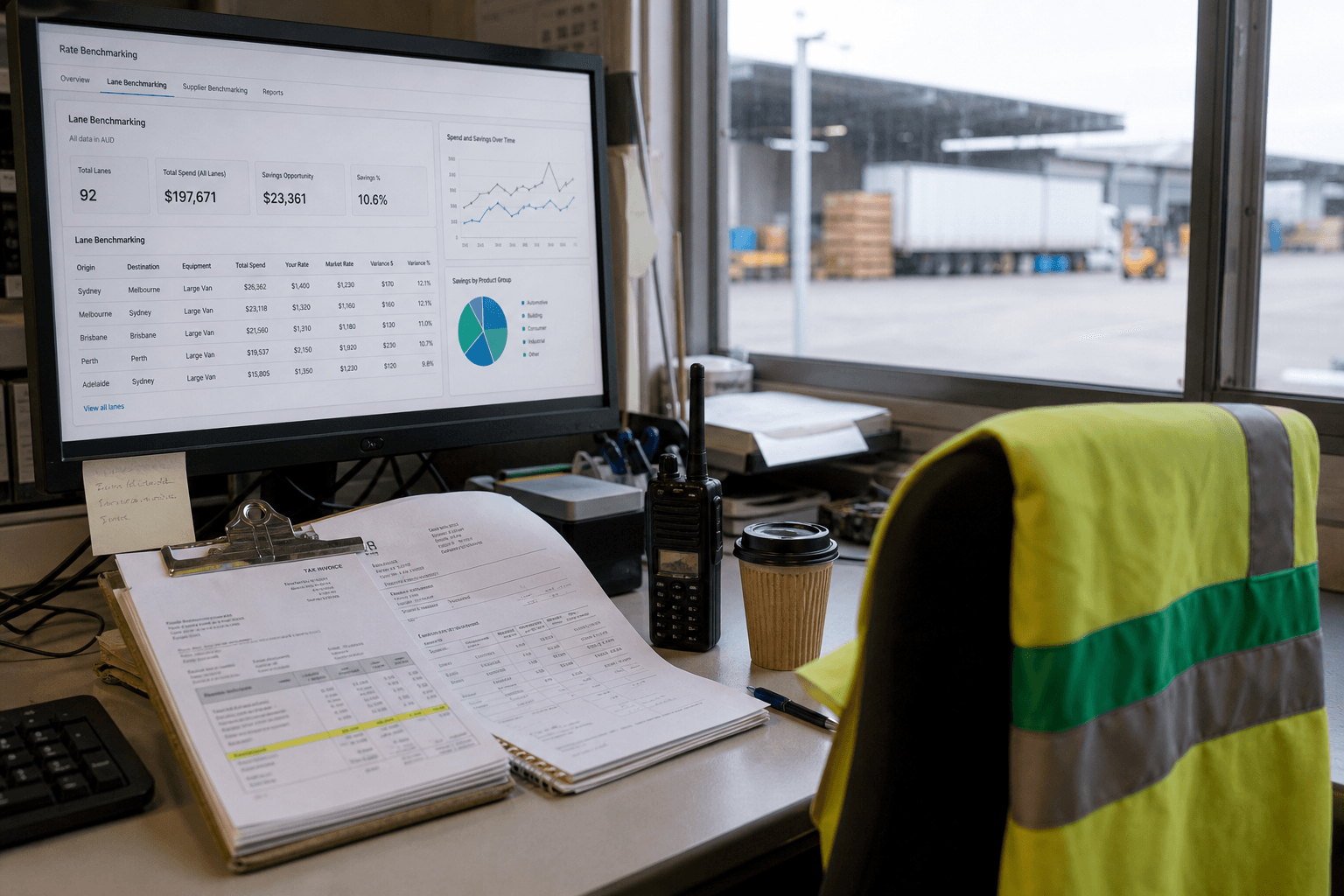
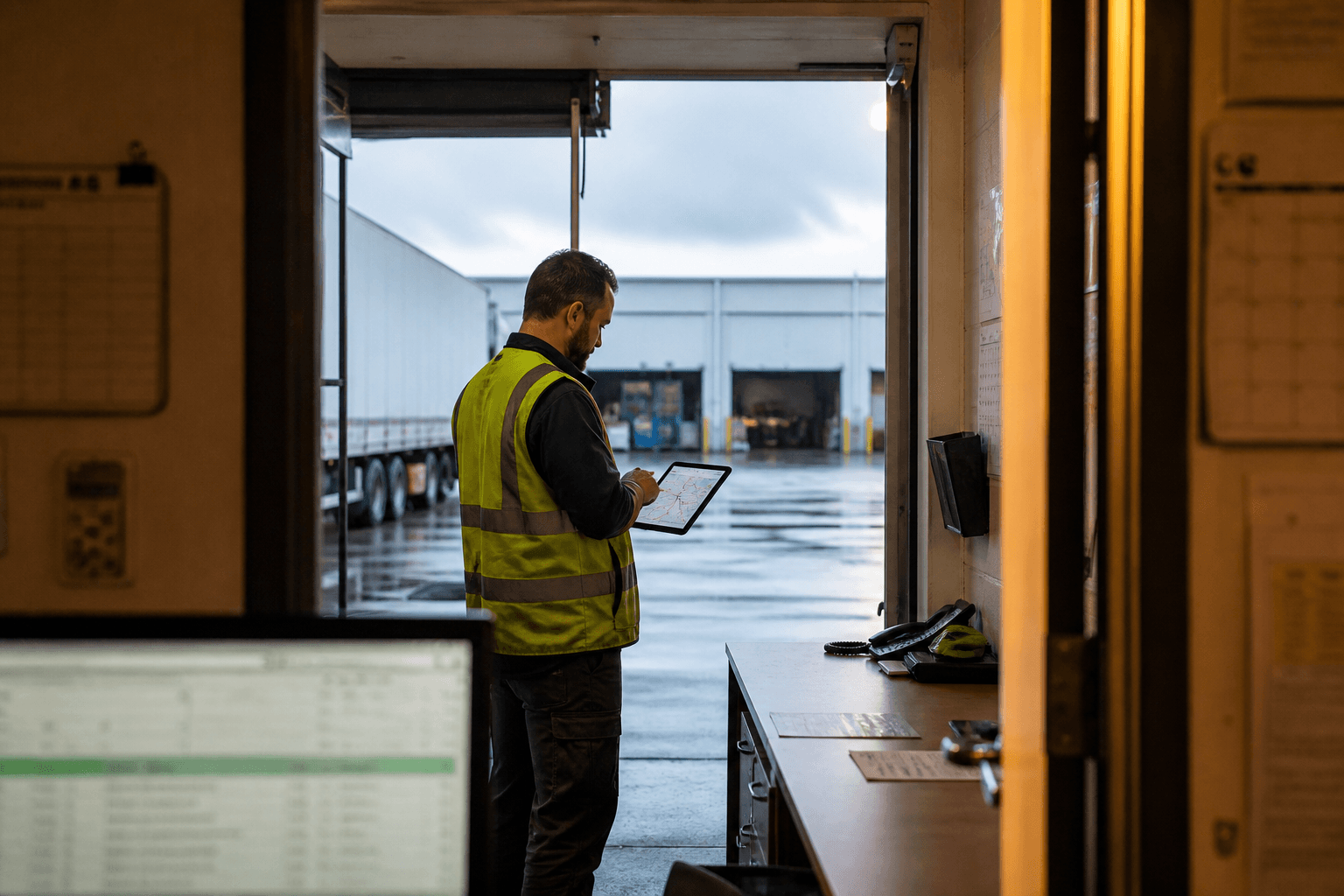
Supply Chain Digital Transformation: Melbourne Operations Guide
Melbourne logistics companies face unique challenges requiring systematic digital transformation. This practical guide shows operations managers how to implement technology that solves real problems and delivers measurable results.
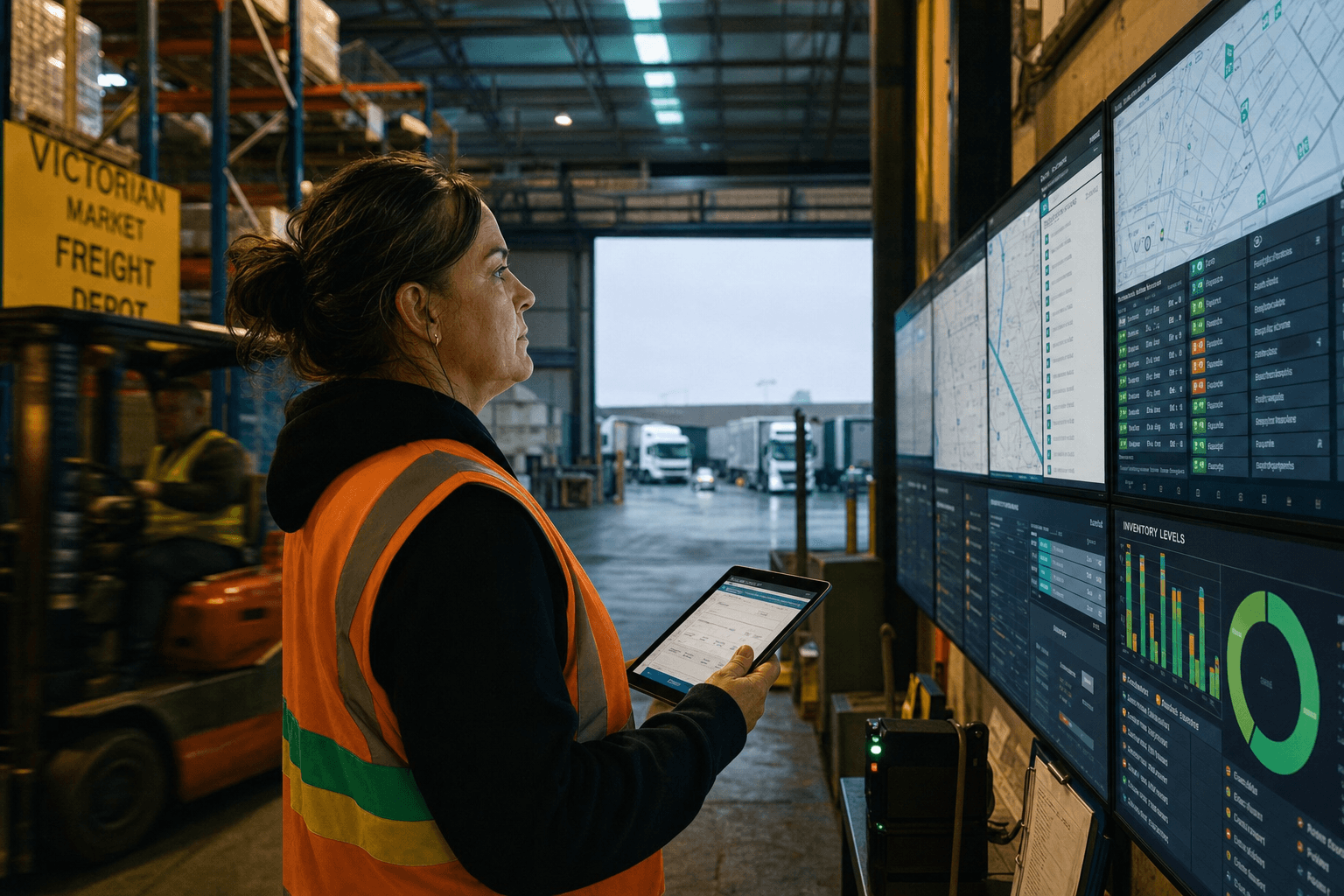
Supply Chain Digital Transformation in Melbourne: A Practical Guide for Operations Leaders
Melbourne's logistics sector is at a crossroads. Rising customer expectations, driver shortages, and volatile freight costs are forcing operations managers to reconsider how they run their supply chains. Digital transformation isn't about chasing the latest tech trends—it's about solving real operational problems with proven technology.
What is Supply Chain Digital Transformation?
Supply chain digital transformation is the strategic integration of digital technologies to improve operational efficiency, visibility, and customer service across logistics networks. For Melbourne-based operations, this means replacing manual processes with automated systems that provide real-time data and predictive insights.
The most successful transformations focus on three core areas: warehouse automation, transport optimisation, and demand forecasting. These aren't separate initiatives—they work together to create a more responsive, efficient supply chain.
Why Melbourne Logistics Companies Need Digital Transformation Now
Melbourne handles over 40% of Australia's container traffic through the Port of Melbourne, making it the nation's logistics hub. However, this position comes with unique challenges that digital transformation directly addresses.

Current Operational Challenges
Melbourne's logistics operators face several pressing issues:
- Port congestion: Average container dwell times increased 35% since 2020, creating downstream delays
- Driver shortage: Victoria needs an additional 8,000 truck drivers by 2025 according to the National Transport Commission
- Rising fuel costs: Diesel prices fluctuate 20-30% quarterly, making route planning unpredictable
- Customer expectations: Same-day delivery demands have grown 150% in metro Melbourne since 2021
These challenges require systematic solutions, not ad-hoc fixes. Digital transformation provides the framework to address multiple issues simultaneously.
The Cost of Inaction
Operations that delay digital transformation face mounting costs:
| Challenge | Monthly Cost Impact | Digital Solution |
|---|---|---|
| Manual route planning | $15,000-25,000 excess fuel | AI route optimisation |
| Inventory blind spots | $30,000-50,000 stock holding | Real-time tracking systems |
| Reactive maintenance | $20,000-40,000 downtime | Predictive maintenance |
| Paper-based processes | $10,000-15,000 admin overhead | Digital workflows |
How to Approach Digital Transformation: The Melbourne Context
Successful digital transformation requires understanding both global best practices and local operational realities. Melbourne's diverse industrial zones—from Dandenong South to Truganina—each present different implementation challenges.

Phase 1: Data Foundation
Before implementing any new technology, establish a solid data foundation. This means:
- Centralise operational data: Integrate warehouse management, transport management, and customer systems
- Standardise data formats: Ensure consistent data collection across all touchpoints
- Establish baseline metrics: Measure current performance before making changes
Most Melbourne operations have data scattered across multiple systems. A typical 3PL might use separate software for inventory, billing, and fleet management. The first step is connecting these systems to create a single source of truth.
Phase 2: Process Automation
Once data flows freely, automate repetitive tasks that consume valuable staff time:
Warehouse Operations:
- Automated picking lists based on order priority
- Real-time inventory updates across all channels
- Exception-based quality control alerts
Transport Management:
- Dynamic route optimisation considering traffic, fuel prices, and delivery windows
- Automated carrier selection based on cost and performance metrics
- Proactive customer notifications with accurate delivery times
Phase 3: Predictive Analytics
With automated processes in place, layer on predictive capabilities:
- Demand forecasting: Predict inventory needs 2-4 weeks ahead with 85%+ accuracy
- Maintenance scheduling: Prevent breakdowns through predictive maintenance
- Capacity planning: Anticipate staffing and equipment needs during peak periods
Technology Solutions That Work for Melbourne Operations
Not all digital transformation technologies are created equal. Melbourne operations need solutions that handle Australia's unique challenges: long distances, seasonal demand fluctuations, and complex regulatory requirements.
Warehouse Management Systems (WMS)
Modern WMS platforms integrate with Australia's EDI standards and provide real-time visibility across multiple sites. Key features for Melbourne operations include:
- Integration with Australian customs systems (ICS)
- Support for dangerous goods handling (Australian Dangerous Goods Code)
- Multi-temperature zone management for fresh produce
- Labour management modules that comply with Australian industrial relations requirements
Transport Management Systems (TMS)
TMS platforms designed for Australian conditions understand local regulations and operational constraints:
- NHVR compliance for heavy vehicle routes
- Chain of responsibility (CoR) documentation
- Integration with fuel card systems for accurate cost tracking
- Real-time traffic data from VicRoads and local councils
AI and Machine Learning Applications
AI applications show the strongest ROI when applied to specific logistics problems:
Route Optimisation: AI algorithms consider Melbourne's traffic patterns, school zones, and construction schedules to create optimal delivery routes. Operators typically see 15-25% fuel savings within the first quarter.
Inventory Optimisation: Machine learning models analyse seasonal trends, promotional impacts, and external factors (weather, events) to predict demand more accurately than traditional forecasting methods.
Predictive Maintenance: IoT sensors combined with machine learning predict equipment failures 2-4 weeks before they occur, reducing unplanned downtime by 40-60%.
Measuring Digital Transformation Success
Digital transformation success must be measured against business outcomes, not technology adoption rates. Melbourne operations should track:
Financial Metrics
- Cost per delivery: Target 10-20% reduction in first 12 months
- Inventory turnover: Aim for 15-25% improvement
- Labour productivity: Measure orders processed per FTE
- Customer acquisition cost: Track impact of improved service levels
Operational Metrics
- On-time delivery performance: Target 95%+ consistent delivery performance
- Order accuracy: Achieve 99.5%+ pick accuracy
- Inventory accuracy: Maintain 99%+ stock accuracy
- Equipment utilisation: Improve asset utilisation by 20-30%
Customer Experience Metrics
- Net Promoter Score (NPS): Track customer satisfaction improvements
- Delivery lead times: Reduce standard lead times by 20-40%
- Complaint resolution time: Faster issue resolution through better visibility
Common Implementation Pitfalls to Avoid
Melbourne operations often make predictable mistakes during digital transformation. Learning from these common pitfalls saves time and money.
Technology-First Thinking
The biggest mistake is choosing technology before understanding the problem. Start with business challenges, then identify appropriate solutions. A new WMS won't fix poor inventory management processes—it will just digitise the chaos.
Underestimating Change Management
Technical implementation is often easier than getting staff to adopt new processes. Plan for:
- Comprehensive training programs
- Clear communication about benefits
- Gradual rollout phases
- Ongoing support and feedback mechanisms
Ignoring Integration Requirements
New systems must integrate with existing operations. Before selecting any technology, map out:
- Current system interfaces
- Data migration requirements
- Training and support needs
- Backup and disaster recovery plans
Melbourne operations managers looking to modernise their supply chains should start with foundational assessments before jumping into technology solutions. Our AI readiness assessment helps identify which systems and processes are ready for digital transformation, while route optimisation can deliver immediate fuel savings and improved delivery times. For companies dealing with legacy systems that can't keep pace with modern demands, legacy modernisation provides a structured approach to upgrading critical infrastructure without disrupting daily operations.
Getting Started with Digital Transformation in Melbourne
Successful digital transformation doesn't require massive upfront investment. Start with pilot projects that deliver quick wins and build momentum for larger initiatives.
Recommended First Steps
- Conduct a digital maturity assessment: Understand current capabilities and identify priority areas
- Map critical business processes: Document how work actually gets done, not how you think it should
- Identify quick wins: Focus on high-impact, low-complexity improvements first
- Build internal capabilities: Train key staff on new technologies and processes
- Establish success metrics: Define measurable outcomes before implementation begins
Working with Melbourne-Based Implementation Partners
Choose implementation partners who understand Australian logistics requirements and local market conditions. Look for partners with:
- Proven experience with Australian carriers and 3PLs
- Understanding of local regulations (NHVR, dangerous goods, CoR)
- Reference sites in Melbourne's industrial zones
- Ongoing support capabilities, not just implementation services
Digital transformation in Melbourne's logistics sector isn't about adopting every new technology—it's about systematically improving operations through targeted technology investments. The operations that succeed focus on solving real problems with proven solutions, then build from there.
The window for competitive advantage through digital transformation is closing. Melbourne operations that act now will be better positioned for future growth, while those that delay will find themselves playing catch-up in an increasingly competitive market.
Ready to transform your Melbourne supply chain operations? Our team works with logistics companies across Melbourne to implement practical digital solutions that solve real operational problems. Contact us to discuss your specific challenges and develop a transformation roadmap that fits your business needs and budget.