AI-Enabled Systems Integration in Logistics M&A
Logistics mergers rarely fail because of the deal terms — they stall because two TMS/WMS systems, two sets of compliance data, and two versions of operational truth don't line up. Here's how AI can reconcile that data faster than a full platform migration.

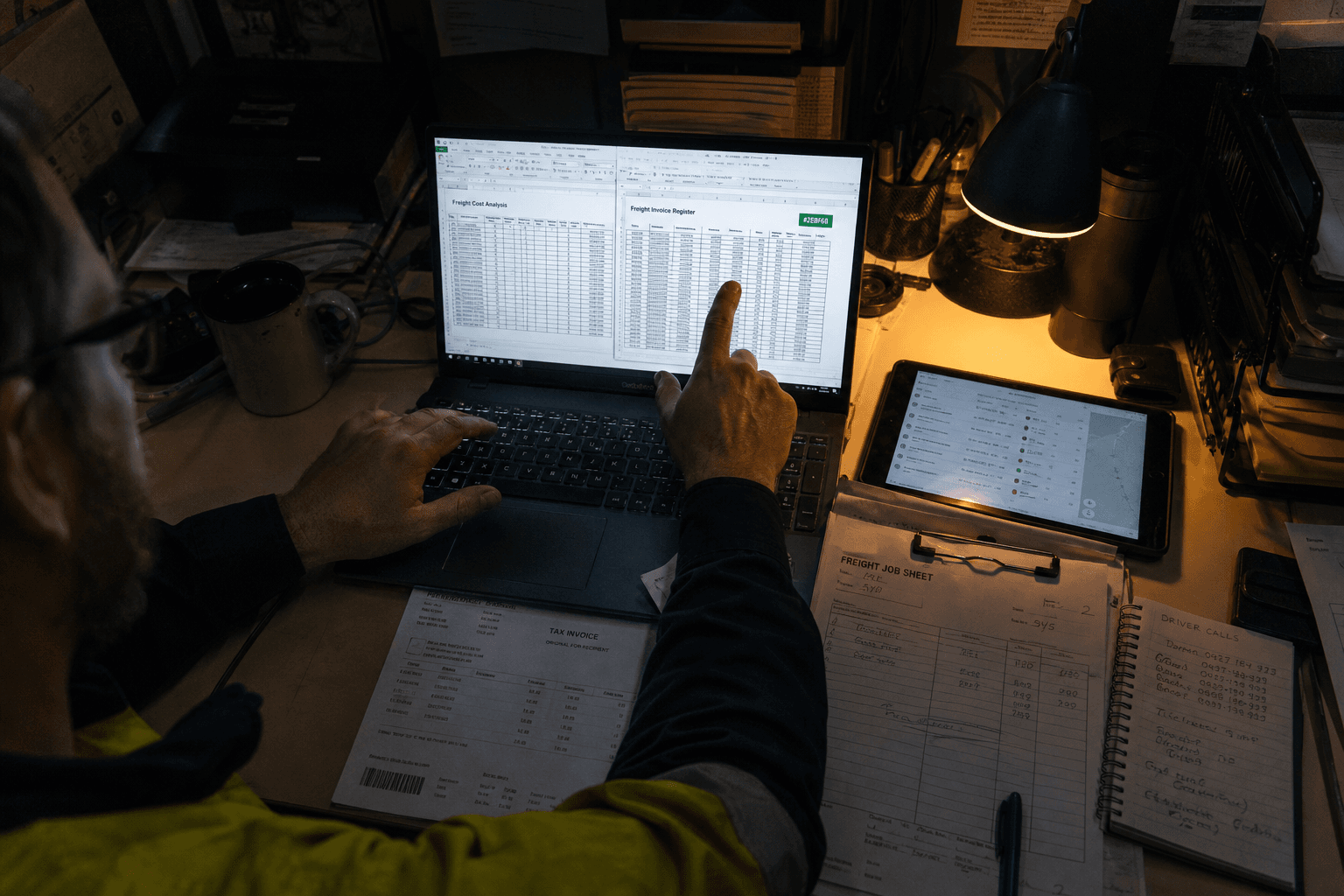
When two logistics operators merge, the deal announcement is the easy part. The hard part is what happens next: two transport management systems, two warehouse management systems, two sets of rostering rules, and two versions of the truth about how many trucks are actually on the road. AI-enabled systems integration is the use of AI to extract, normalise, and reconcile data across merged operational systems without forcing an immediate full platform replacement. For acquirers and target companies in road freight, 3PL, and warehousing, getting this right in the first 90–180 days post-merger often determines whether the deal delivers the synergies it was priced on.
This guide is written for operations and finance leaders navigating a logistics merger or acquisition — whether you're the acquirer trying to get visibility into a newly acquired fleet, or a target company preparing your systems for due diligence.
What Makes Logistics M&A Integration Different From Other Sectors?
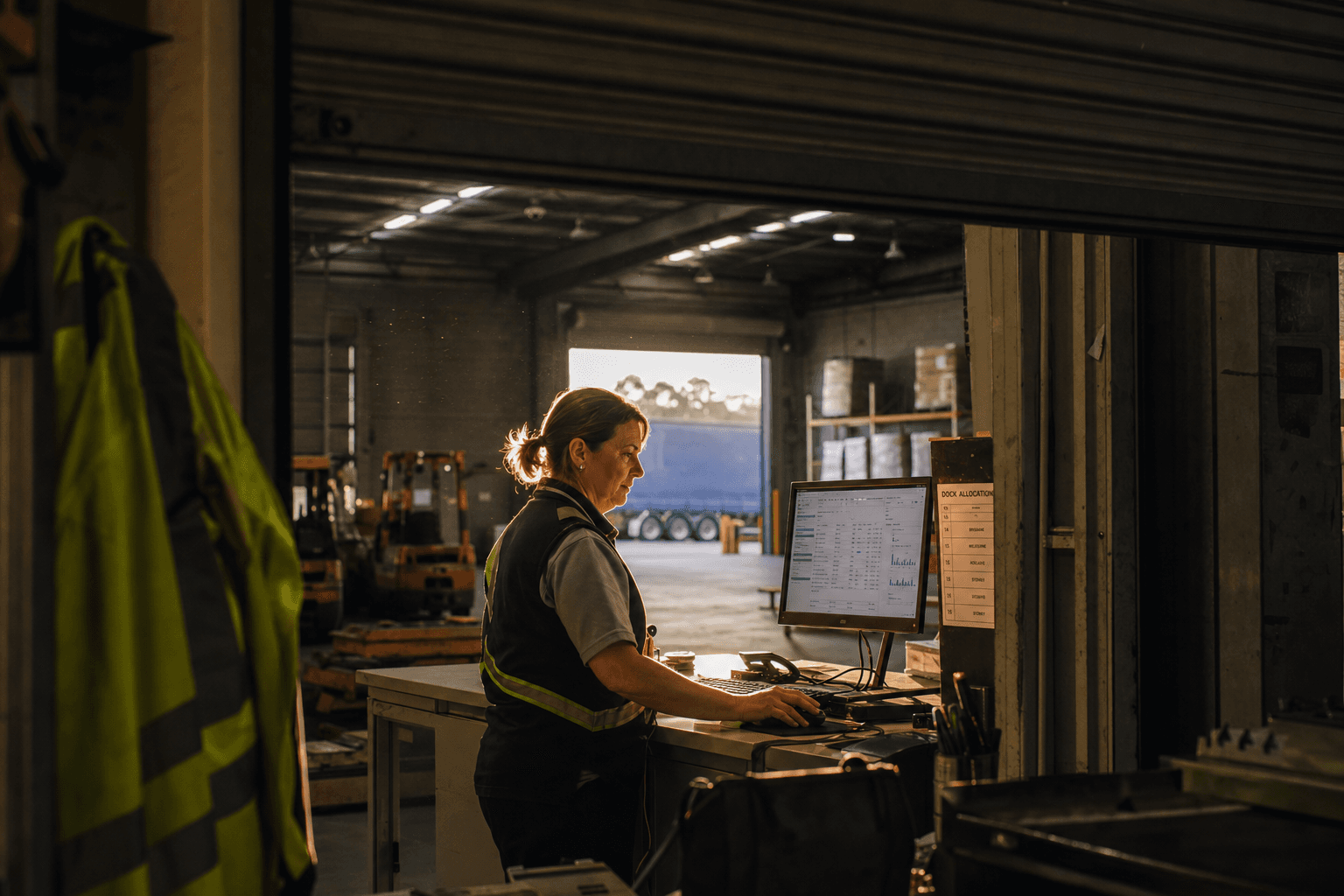
Logistics M&A integration is harder than in most sectors because operational data — freight movements, dock schedules, driver rosters, fuel and compliance records — is time-sensitive and safety-critical, not just financial. Unlike a retail or professional services merger, you can't pause dispatch or warehouse operations while systems get sorted out. Trucks still need to run and orders still need to be picked while the back-end integration happens in parallel.
Why Do Merged Logistics Operators End Up Running Multiple TMS/WMS Platforms?
Most merged logistics entities end up running two or more transport and warehouse management platforms side by side, often implemented more than five years apart, with incompatible data formats and limited API access. This is a known problem in legacy TMS/WMS environments generally, not just in M&A — but a merger compresses the timeline in which it needs to be solved. Vendor lock-in, custom integrations built over years, and inconsistent product/customer coding across the two businesses all add friction. Forcing an immediate consolidation onto a single platform is expensive and carries real disruption risk, particularly during the first few months when customer relationships and driver goodwill are most fragile.
Can AI Reconcile TMS/WMS Data Without a Full Platform Migration?
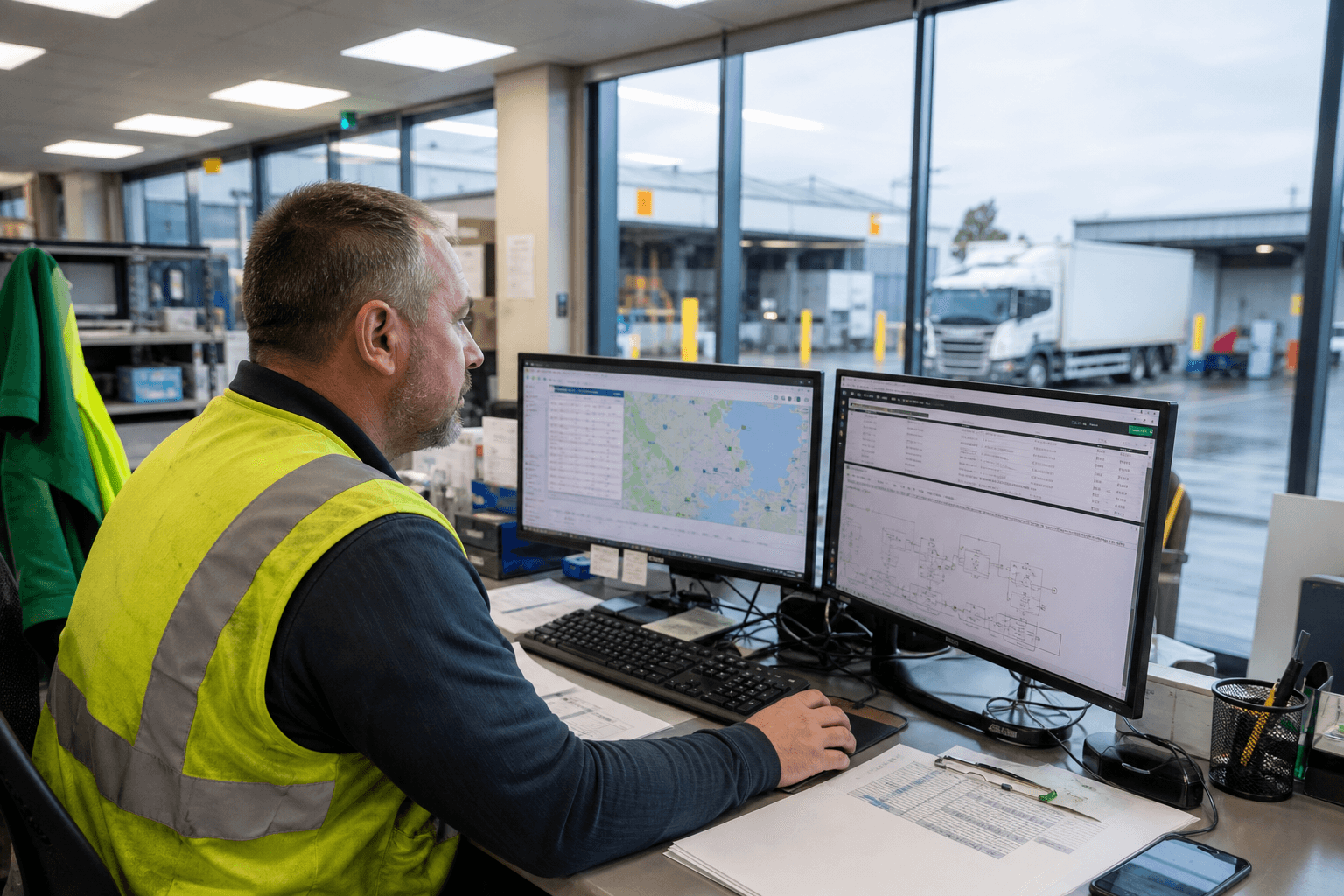
Yes — AI can be layered on top of the surviving legacy systems from both merging entities to extract, normalise, and reconcile data without requiring either side to migrate immediately. This typically involves pulling structured data via APIs, database connections, or intelligent document processing, then building a combined view across the historical data of both operations. This "augment rather than replace" approach is generally faster to value and lower risk than a full platform migration, because it doesn't require either business to stop using the systems their teams already know while integration work is underway.

In practice, this is where document-intelligence tools do a lot of the heavy lifting — reconciling proof-of-delivery formats, invoice line items, and freight documentation that were never designed to talk to each other across two separate businesses.
How Does Staged Digital Transformation Apply to M&A Integration?
Post-merger system consolidation is best treated as a staged digital transformation process rather than a single project: legacy data extraction, system integration across TMS/WMS/ERP, EDI automation with shared trading partners, and consolidation into a single source of truth. Trying to do all of this at once — replatforming everything in month one — is where most integration timelines and budgets blow out. A staged approach lets the combined business start reporting on unified data early, while deeper platform decisions are made deliberately rather than under deal-close pressure.
Anomaly detection is particularly useful in this phase — surfacing billing discrepancies, duplicate customer accounts, or compliance gaps between the two entities that wouldn't show up until an audit or a customer dispute forces the issue.
What About Harmonising Reporting Across the Merged Entity?
Acquirers increasingly need consolidated Scope 3 and emissions reporting across the merged fleet almost immediately, particularly if either business is approaching AASB S2 climate disclosure obligations. Two operators with different fuel tracking methods, different NGER reporting histories, and different vehicle telematics setups can't simply add their numbers together — the underlying data needs reconciling first. This is a natural extension of the same data harmonisation work required for TMS/WMS integration, and it's worth tackling in the same phase rather than as a separate later project. Our emissions-reporting work with logistics operators often starts from exactly this kind of fragmented, multi-source dataset.
What About Workforce and Compliance Integration?
Combining rosters, shift systems, and labour-compliance rules across two merged workforces is a common friction point, particularly given Fair Work Act and National Heavy Vehicle Regulator (NHVR) obligations that must be enforced consistently across the newly combined entity. AI-assisted scheduling tools can help harmonise combined rostering data and flag compliance gaps, though this is generally a narrower application than the broader operational AI used for freight and warehouse data reconciliation. It's still worth resourcing early, since inconsistent fatigue management or award interpretation across two merged businesses is a genuine compliance exposure, not just an administrative headache.
Full Platform Replacement vs AI-Augmented Integration
| Consideration | Full Platform Replacement | AI-Augmented Integration |
|---|---|---|
| Time to unified reporting | Slower — typically requires full migration first | Faster — data can be reconciled while legacy systems stay live |
| Operational disruption risk | Higher — dispatch and warehouse teams retrain on new systems | Lower — existing systems and workflows remain in use |
| Upfront cost | Higher — new licensing, implementation, training | Lower initially — layered on existing infrastructure |
| Long-term platform simplicity | Higher — single system going forward | Lower — legacy systems remain until a later decision is made |
| Suitability during active integration | Riskier in the first 6–12 months post-merger | Generally better suited to the immediate post-merger window |
Neither approach is universally correct — the right sequencing depends on contract terms with existing TMS/WMS vendors, the scale of the merged fleet, and how quickly the acquirer needs consolidated reporting for the board or for compliance purposes.
Where Should Acquirers and Target Companies Start?
The most useful starting point is an honest assessment of what data actually exists in each system, in what format, and how reliable it is — before committing to either a migration timeline or an integration architecture. This is precisely what our ai-readiness-assessment is built for: a structured review of your existing TMS, WMS, and reporting systems that identifies where AI-augmented reconciliation can deliver a unified operational view without disrupting the business mid-integration. It's also a useful exercise for target companies preparing for due diligence, since it surfaces the same data gaps a prospective acquirer will eventually find anyway.
For operators further along, integrated route and fleet visibility across a newly combined network is often the first tangible win — see our work on route-optimisation for how this applies once data from both sides of a merger is reconciled. You can find more on related topics over on our insights.
If you're navigating a logistics merger or acquisition and need to get a clear, fast picture of what you're actually integrating, get in touch — we can help you work out where AI can accelerate the process and where it can't.
Zero Footprint
The Zero Footprint team — AI modernisation for Australian logistics.