AI-Enabled Systems Integration During Logistics M&A
Logistics mergers create a specific, urgent problem: two TMS/WMS platforms, two sets of data, and a deal timeline that won't wait for a full system migration. Here's how AI can accelerate reconciliation, harmonise reporting, and surface operational gaps during post-merger integration.
When two logistics operators merge, the deal team celebrates on signing day — and then someone has to make two transport management systems, two warehouse management systems, and two sets of reporting talk to each other. This is where a lot of logistics M&A value gets lost or delayed, and it's an area where AI tooling can genuinely shorten the timeline without forcing a risky, big-bang platform replacement.
This guide is written for acquirers and target companies navigating post-merger systems integration in road freight, 3PL, warehousing, and freight forwarding businesses. It draws on what we know works for standalone legacy system modernisation and AI deployment in logistics — applied to the specific pressures of an M&A timeline.
What Happens to TMS and WMS Systems During a Logistics Merger?
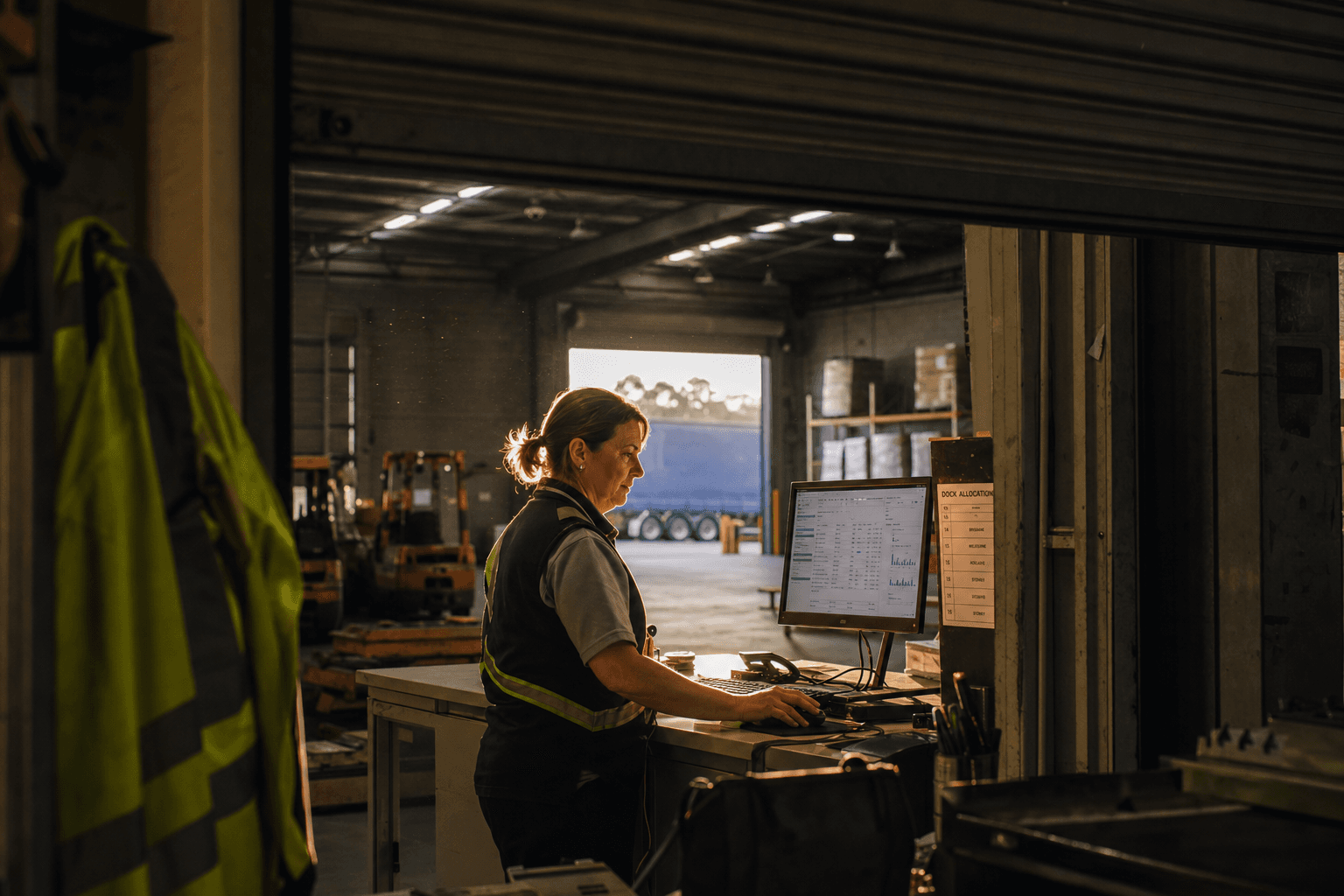
In most logistics mergers, the acquirer inherits a second (often older) transport management system (TMS) and warehouse management system (WMS) running in parallel with its own. Systems integration is the work of connecting these platforms — and any linked ERP or customer-facing tools — so data flows without manual re-entry, and consolidating operational data into a single source of truth. Left undone, this shows up fast: double-handled bookings, mismatched customer rate cards, and finance teams reconciling two general ledgers by hand.
Why Is TMS/WMS Data Reconciliation Hard During M&A?
Data reconciliation is difficult during M&A because the two entities almost never define the same operational event the same way — a "delivered" status, a billing unit, or a driver shift boundary can mean different things in each system. Add legacy platforms implemented five or more years ago, often with limited APIs and no cloud migration path, and you get proprietary data formats that resist straightforward mapping. This friction is well documented in standalone legacy system contexts, and it compounds when you're trying to reconcile two of them under deal-timeline pressure.
The practical result is that finance, compliance, and operations teams often spend the first several months post-close manually cross-checking freight bills, POD records, and customer contracts rather than running the combined business.
How Can AI Accelerate Data Reconciliation and Harmonised Reporting?
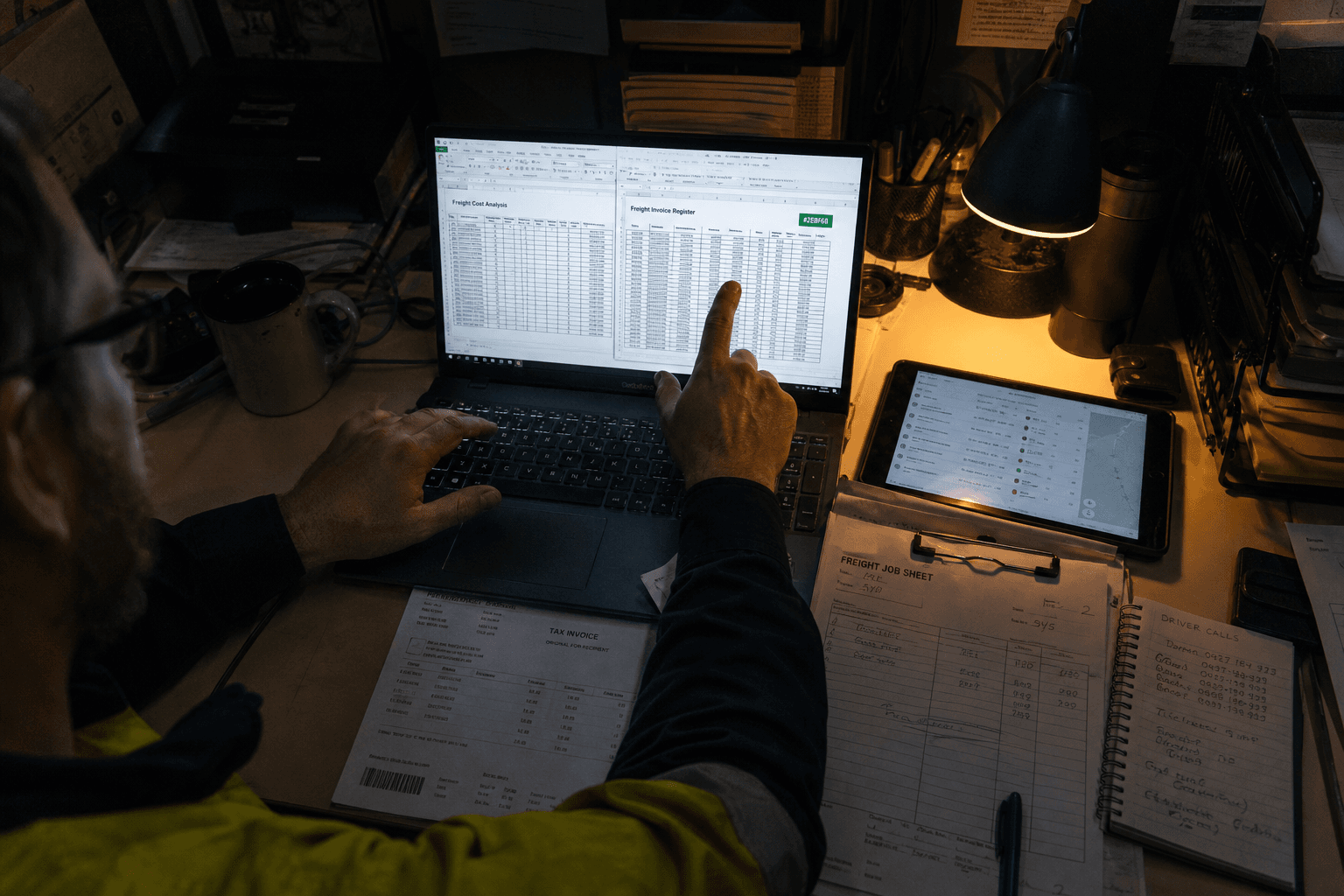
AI can accelerate reconciliation by automating the data extraction, normalisation, and anomaly-detection work that would otherwise take analysts weeks to do manually across two disparate systems. Intelligent document processing tools can extract structured data from freight documents, bills of lading, and invoices from both entities' formats simultaneously, feeding a common data model rather than requiring either side to migrate first. Anomaly detection models are particularly useful in M&A because they're built to flag exactly what integration teams need to find: billing discrepancies, duplicate customer records, and process differences between the merging entities that wouldn't be obvious from a manual sample review.

Our document-intelligence approach is built around this kind of extraction-and-normalisation problem, and it's directly applicable to reconciling freight documentation across two legacy platforms without waiting for a full system consolidation.
Harmonised reporting — a single set of KPIs, a single emissions baseline, a single customer service dashboard — depends on this reconciled data existing somewhere. Attempting to harmonise reporting before the underlying data is cleaned tends to produce numbers nobody trusts, which is a bigger problem than having no combined report at all.
What Operational Gaps Does AI Surface During Integration?
Running anomaly detection and predictive analytics across combined datasets during integration routinely surfaces operational gaps that due diligence didn't catch — underutilised fleet capacity in one entity, warehouse throughput bottlenecks, or route inefficiencies that only become visible once both networks' data sit side by side. Demand forecasting models applied to the combined book of business can also reveal whether the target's capacity assumptions match the acquirer's, which matters directly for integration planning and headcount decisions.
This is also the point where compliance gaps tend to surface — particularly around emissions data, which is increasingly relevant given AASB S2 reporting requirements now applying to larger Australian entities and flowing down through supply chains as Scope 3 reporting obligations from customers. If the target company has never had a systematic approach to Scope 3 emissions logistics data, an acquirer with its own AASB S2 obligations inherits that gap on day one. Our emissions-reporting work is designed to establish an auditable baseline quickly in exactly this kind of scenario.
Should You Replace Legacy Systems or Layer AI on Top?
For most logistics mergers, layering AI tooling on top of existing legacy TMS/WMS platforms is faster to value, lower risk, and more affordable than forcing a full platform migration in the first 12–18 months post-close. A full replacement project run under integration deadline pressure carries real execution risk — vendor selection, data migration, and staff retraining all compete for the same limited operational bandwidth as everything else the deal requires.
| Approach | Full platform migration | AI layered on existing systems |
|---|---|---|
| Time to first value | Slower — typically a multi-year program | Faster — targeted use cases can go live in weeks to months |
| Risk during integration | Higher — adds a major change project on top of the merger itself | Lower — works with what's already running |
| Upfront cost | Higher | Generally lower, scalable by use case |
| Long-term system debt | Reduced once complete | Legacy constraints remain until eventually addressed |
| Best suited to | Post-integration, once operations have stabilised | The 12–24 month integration window itself |
This isn't an argument against ever consolidating onto a single platform — most acquirers eventually do. It's an argument for sequencing: use AI to extract value and stabilise operations first, then make the platform consolidation decision once you actually understand the combined business.
What About Workforce and Scheduling Integration?
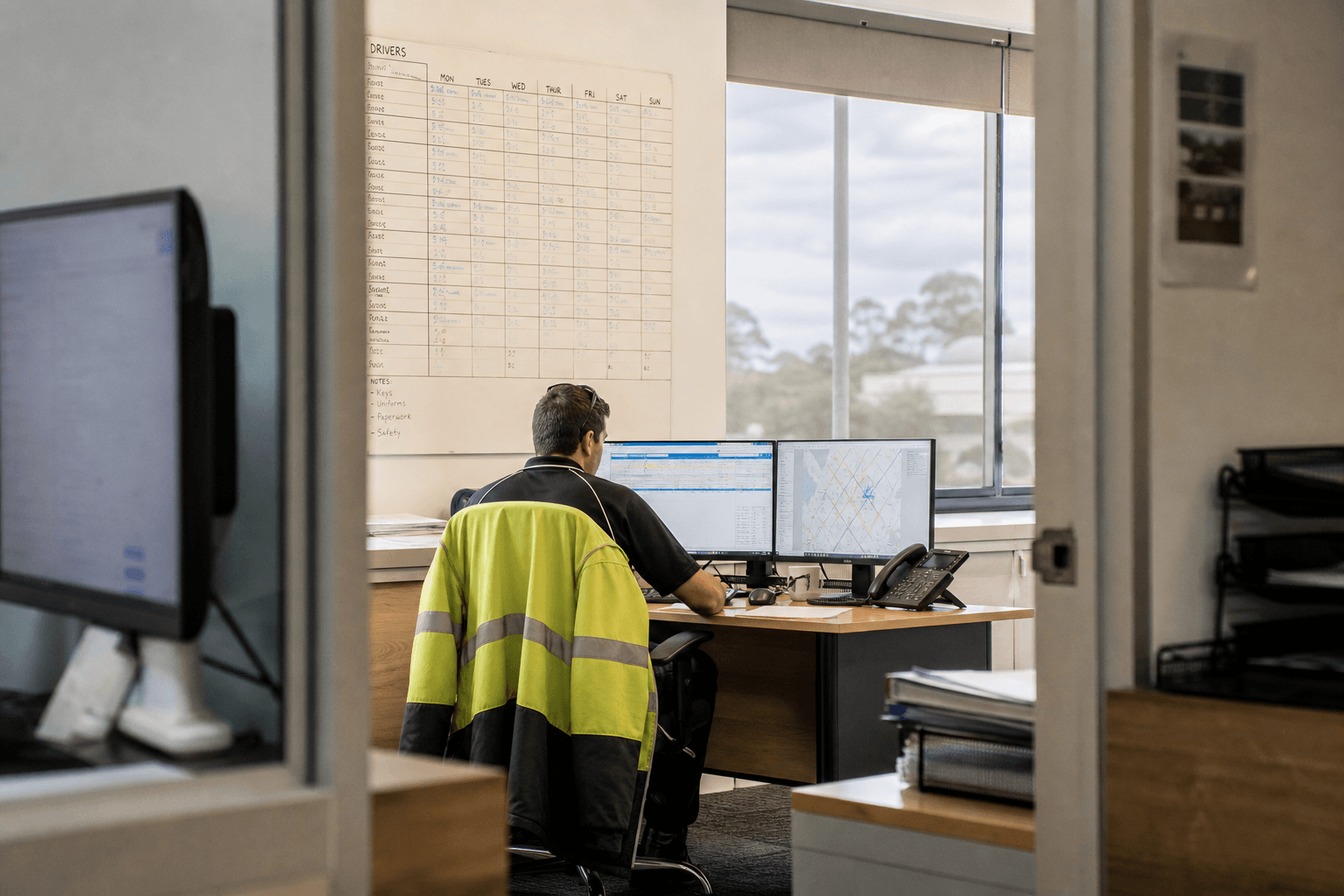
Combining driver rosters, hours-of-service compliance data, and shift scheduling across two previously separate entities is another integration workstream that gets underestimated. Integrating scheduling data with TMS/WMS and route planning tools creates more operational value than running them separately, but it requires either native system integrations or custom development — neither of which happens automatically just because two companies signed a merger agreement. This is worth scoping explicitly during due diligence rather than discovering it as a surprise in month three.
A Practical Roadmap for Post-Merger Systems Integration
A workable integration roadmap treats systems consolidation as a staged operational change program, not a single technology project. Based on what generally works in standalone legacy modernisation, a sensible sequence looks like this:
- Assess before you build. Understand what data exists in each system, how clean it is, and where the biggest reconciliation gaps sit before committing to a tooling approach. This is the core purpose of an ai-readiness-assessment — it gives you a clear-eyed view of integration complexity before you spend on it.
- Start with one contained, high-value problem. Reconciling freight billing or harmonising a single compliance report is a better first project than attempting to unify every system at once.
- Extract and normalise data before harmonising reporting. Don't publish combined KPIs until the underlying numbers have been through a reconciliation and anomaly-detection pass.
- Address route and warehouse efficiency once data is trustworthy. Tools like route-optimisation are most valuable once you have a reconciled, combined view of the network — not before.
- Revisit full platform consolidation later, deliberately. Once operations have stabilised and you understand where the real friction sits, decide whether a single TMS/WMS platform is worth the investment.
Worth noting: this is an area where published guidance specific to logistics M&A integration is genuinely thin — most available material addresses standalone digital transformation or AI adoption, not the compressed timelines and dual-system realities of a merger. Treat any roadmap, including this one, as a starting framework to be tested against your specific deal structure and data, not a fixed formula.
For more on the underlying systems and AI concepts referenced here, see our insights.
If you're navigating a logistics merger or acquisition and need to get a clear, fast picture of what's happening across two sets of TMS/WMS data, we can help. Book a conversation with our team about what a contained, well-sequenced integration approach could look like for your deal.
Zero Footprint
The Zero Footprint team — AI modernisation for Australian logistics.