AI Load Balancing for Multi-Site 3PL Warehouse Networks
Most AI in logistics content covers single-site throughput or site selection — but for 3PLs already running multiple warehouses, the real problem is often imbalance between sites. Here's how AI can dynamically reallocate inbound volume, labour and inventory across an existing network.
What is AI load balancing across a multi-site warehouse network?
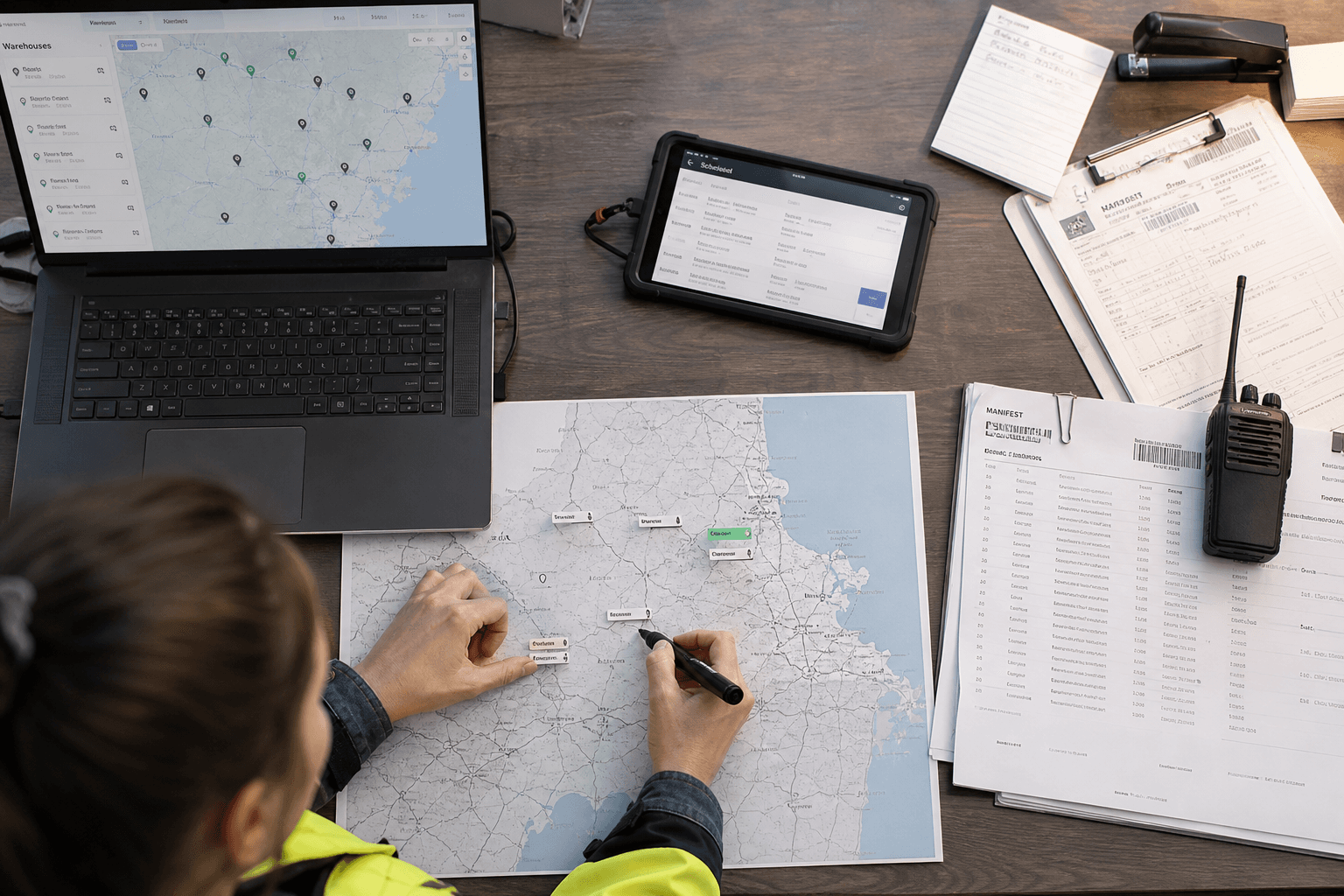
AI load balancing across a multi-site warehouse network is the use of predictive and real-time data to shift inbound volume, labour and inventory between facilities so no single site is overwhelmed while others sit idle. Unlike single-site throughput tools, it operates at the network level — treating a 3PL's warehouses as one connected system rather than isolated operations competing for the same customer demand.
Most AI in logistics content focuses on two things: picking the right warehouse location, or speeding up operations inside one building. There's a third problem that gets far less attention — what happens when you already run three, five or ten sites and volume doesn't arrive evenly across them. A peak-season surge might flood your Western Sydney facility while your Dandenong site runs under capacity. A labour shortage at one DC might force overtime there while a nearby site has spare pick-and-pack hours. This is a coordination problem, not a site-selection or single-site efficiency problem, and it's where network-level AI earns its keep.
Why do multi-site 3PL networks need network-level balancing instead of single-site optimisation?
Single-site optimisation improves how one warehouse runs; network-level balancing decides which warehouse should be running the work in the first place. For 3PLs operating multiple DCs, demand volatility, labour availability and inbound freight timing rarely align neatly by site, which means static allocation rules — built around historical volume splits or fixed customer-to-warehouse mapping — leave capacity stranded in one location while another strains.
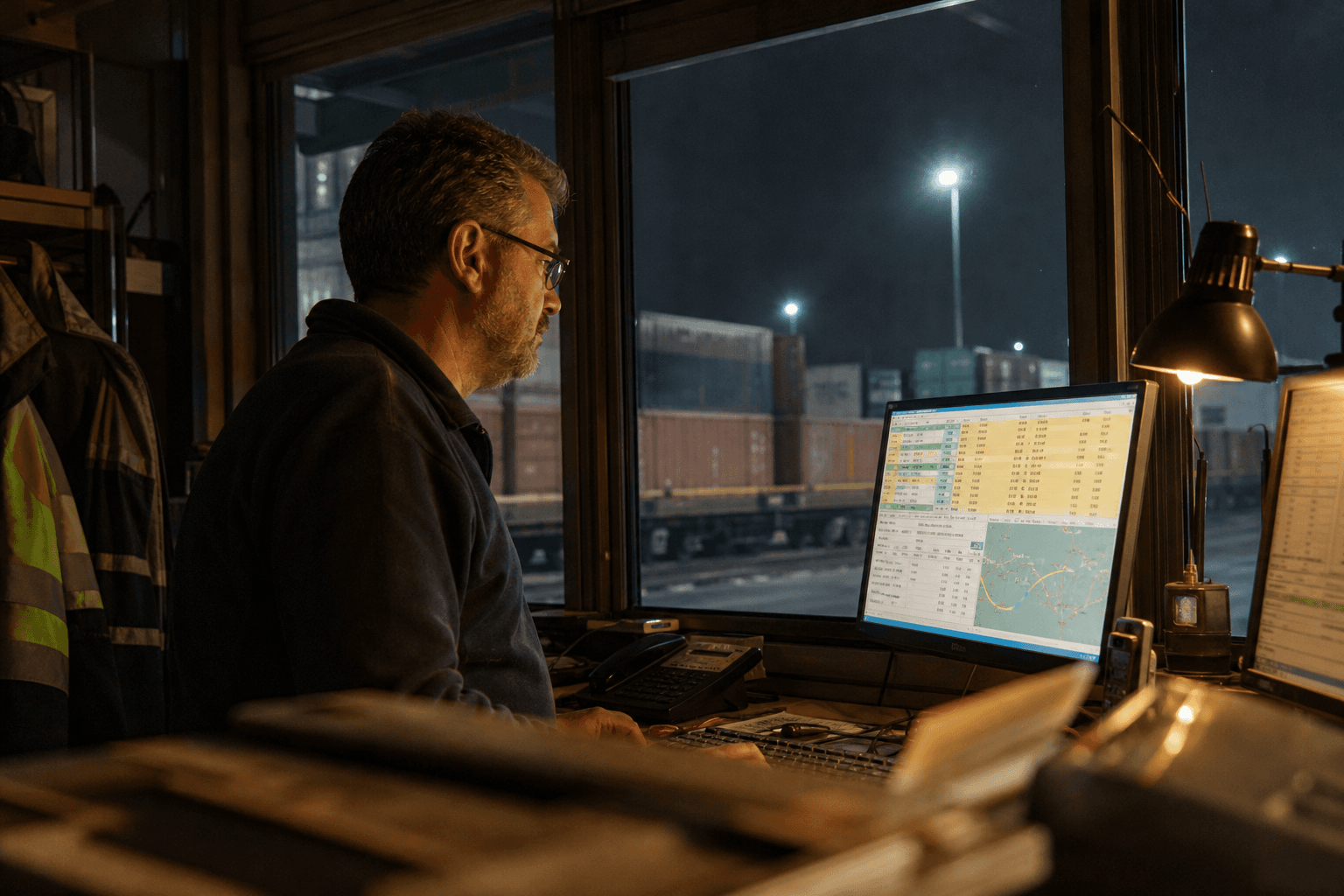
Many mid-market Australian 3PLs still allocate inbound volume and labour manually, using spreadsheets, email-based dispatch instructions, or allocation rules set up years ago when the network looked different. These rules rarely get revisited once a new site opens or a customer's order profile shifts. The result is a familiar pattern: one DC consistently running hot with overtime and missed SLAs, another consistently under-utilised, and no shared visibility between them to correct it in real time.
How does AI dynamically reallocate inbound volume, labour and inventory?
AI reallocates these three resources by continuously comparing real-time capacity signals across every site against incoming demand, then recommending (or automatically triggering) shifts before a bottleneck forms rather than after it's already caused a delay. This requires integrating data that typically sits in separate, siloed systems — WMS, TMS, labour rosters, and inbound booking or EDI feeds.
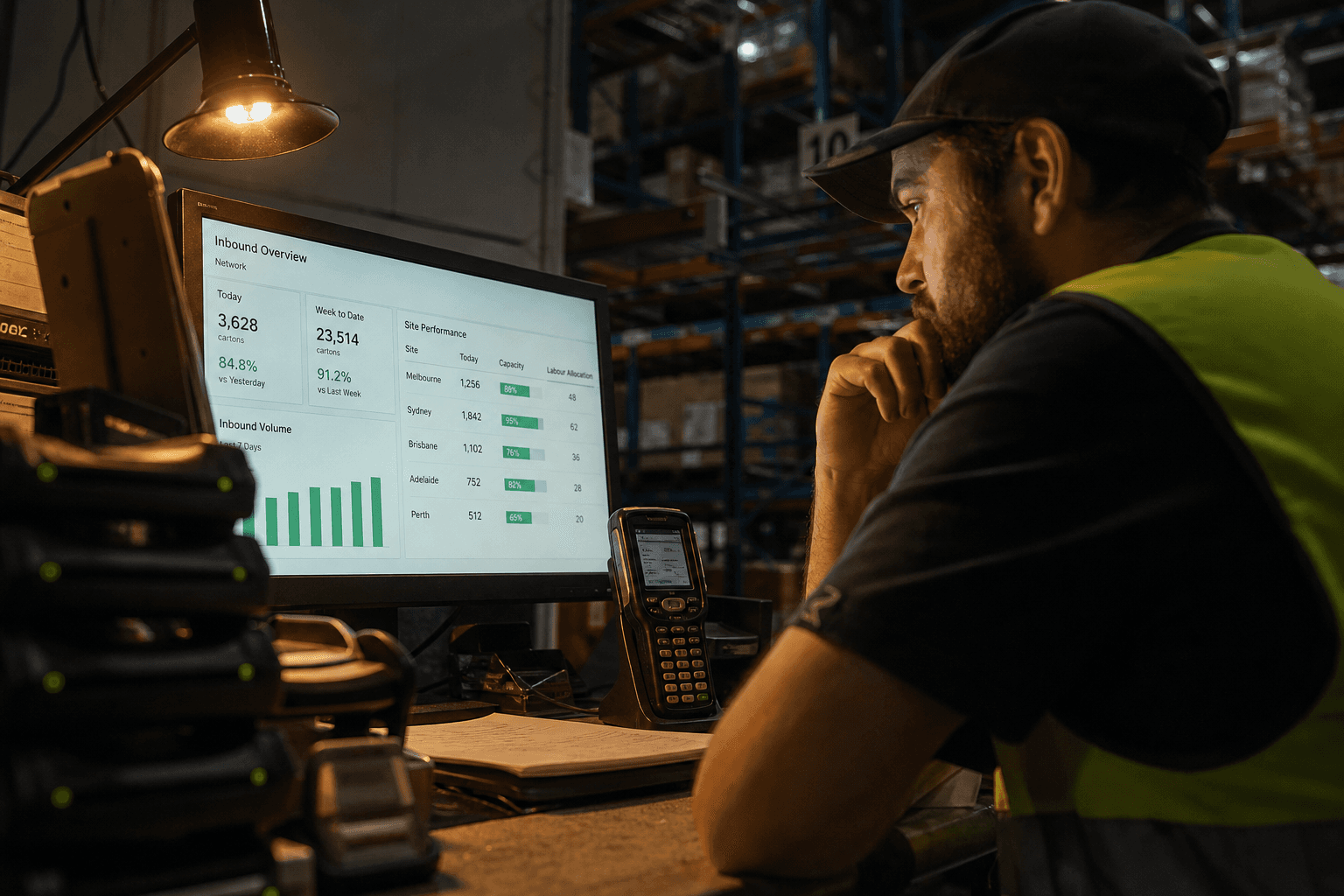
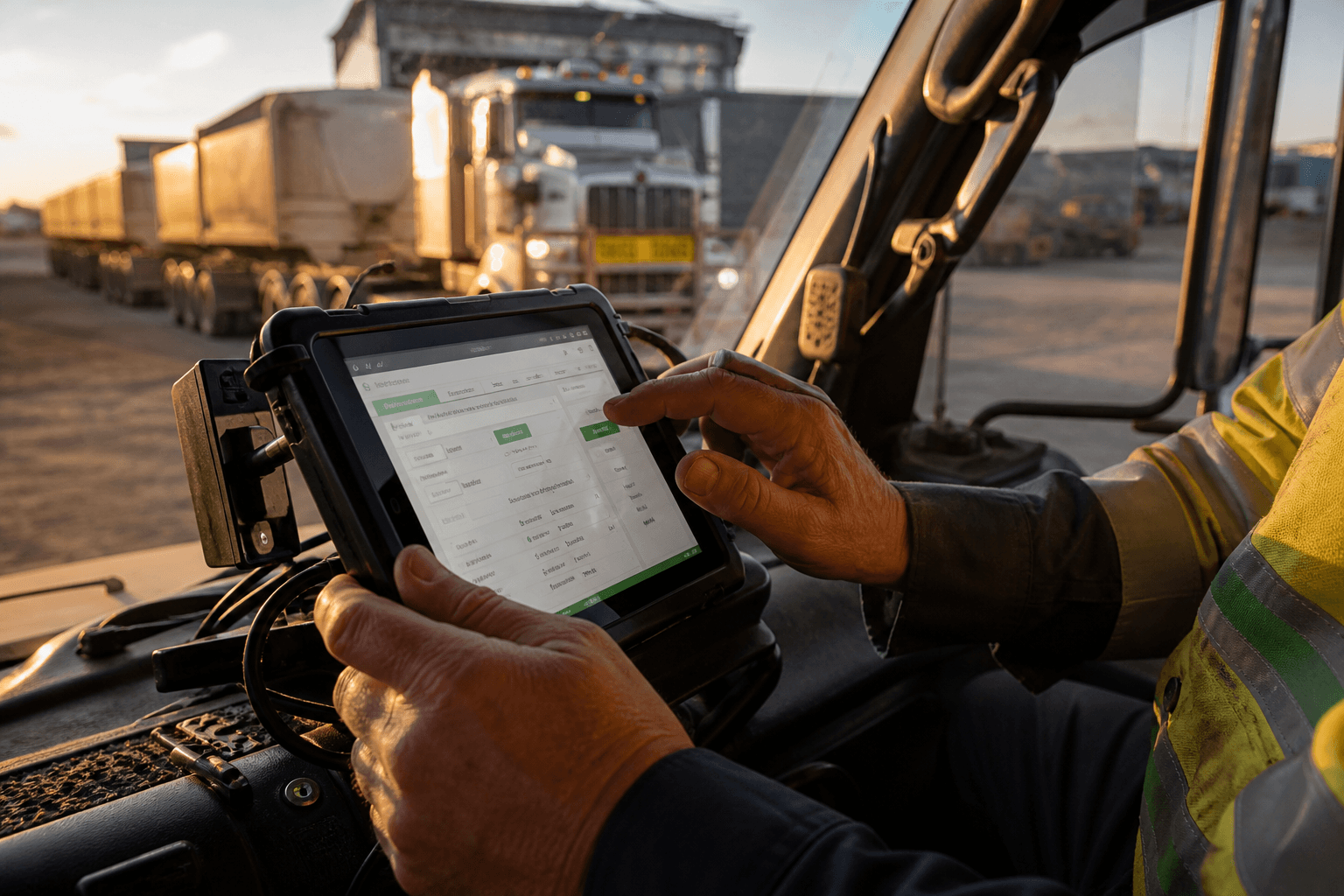
Inbound volume. Rather than routing every inbound shipment to a fixed destination DC, the system weighs current dock and floor capacity, labour availability, and downstream delivery lanes at each site, then recommends which facility should receive a given inbound booking. This is particularly relevant where inbound documentation — ASNs, purchase orders, carrier manifests — arrives in inconsistent formats; extracting that data reliably is a prerequisite for making the reallocation decision in time, which is why document intelligence capability often needs to be in place before network balancing can work.
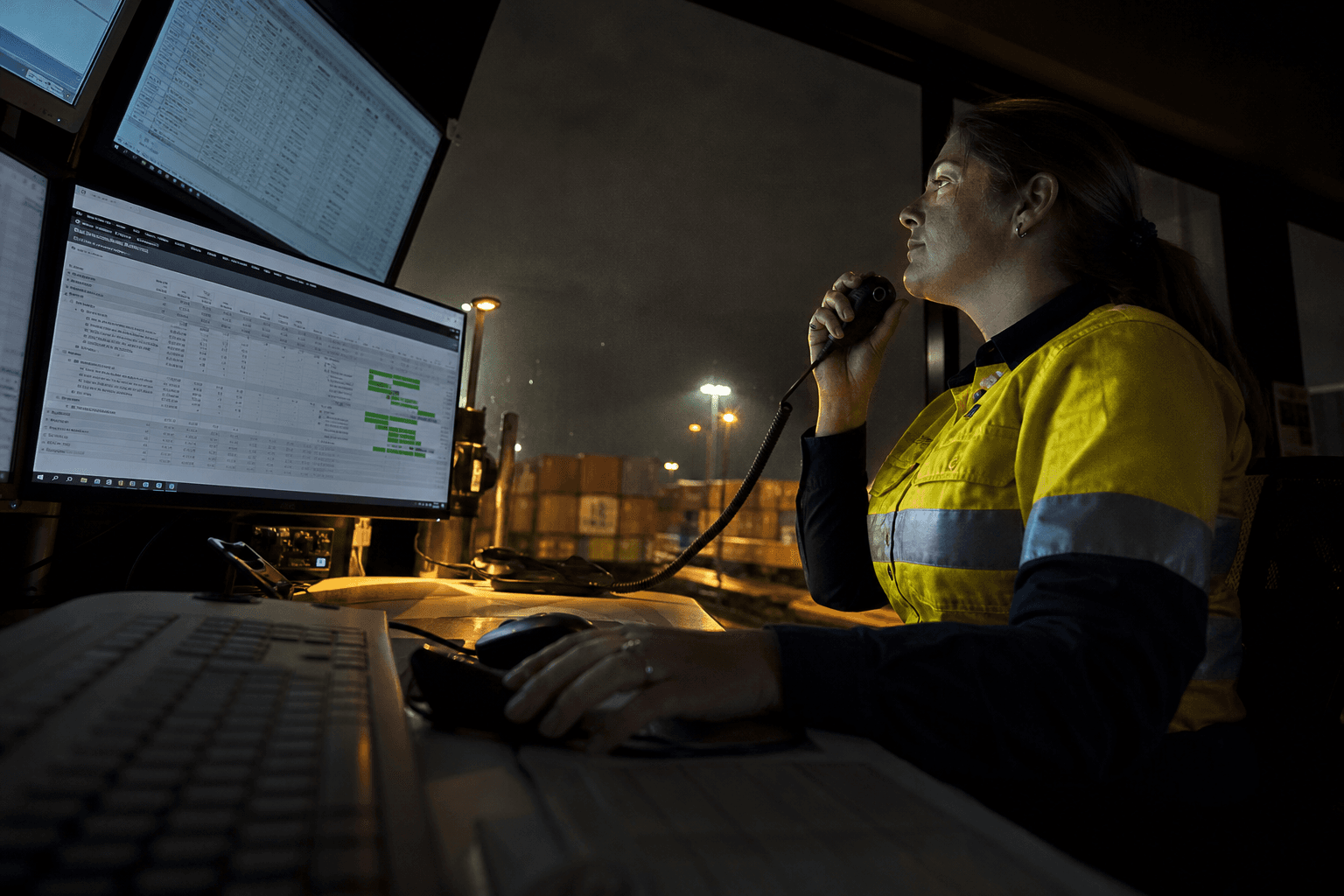
Labour. Rosters and shift plans can be modelled against predicted inbound and outbound volume per site, flagging where a site is likely to be short-staffed for a given shift and where a neighbouring site has spare capacity that could be redeployed — whether that's a physical transfer of casual staff or a reallocation of overtime budget.
Inventory. For 3PLs holding shared or pooled stock across sites, AI can recommend inventory redistribution ahead of anticipated regional demand spikes, reducing the chance that one DC stocks out while another carries excess of the same SKU.
How is this different from single-site throughput tools or site-selection models?
Single-site throughput tools answer "how do we move faster inside this building," and site-selection models answer "where should our next facility be." Network load balancing answers a different question: "given the sites we already have, how should today's volume, labour and inventory be distributed between them right now." It's an operational, ongoing decision layer sitting above both.
| Approach | Scope | Decision made | Typical trigger |
|---|---|---|---|
| Single-site throughput optimisation | One warehouse | Pick path, slotting, dock scheduling | Daily/shift-level operations |
| Site-selection modelling | Network design | Where to build or lease next | Strategic, infrequent (annual/multi-year) |
| AI network load balancing | Multiple active sites | Which site handles this volume/labour/stock, right now | Continuous, real-time or near-real-time |
This distinction matters because 3PLs often invest in warehouse automation Australia-wide at the single-site level — better slotting, automated pick, improved WMS integration — without addressing the network-level imbalance that's actually driving overtime costs and missed SLAs across the group.
What data and systems does this require?
Network-level balancing depends on having visibility that most legacy multi-site 3PL setups don't currently have — a shared, near-real-time view of capacity, labour and inventory across every site, not just within each one. Legacy TMS and WMS platforms (particularly those five or more years old) were typically built and configured for single-site operation, so getting a network-wide view often means integrating data that currently lives in disconnected systems rather than replacing those systems outright.
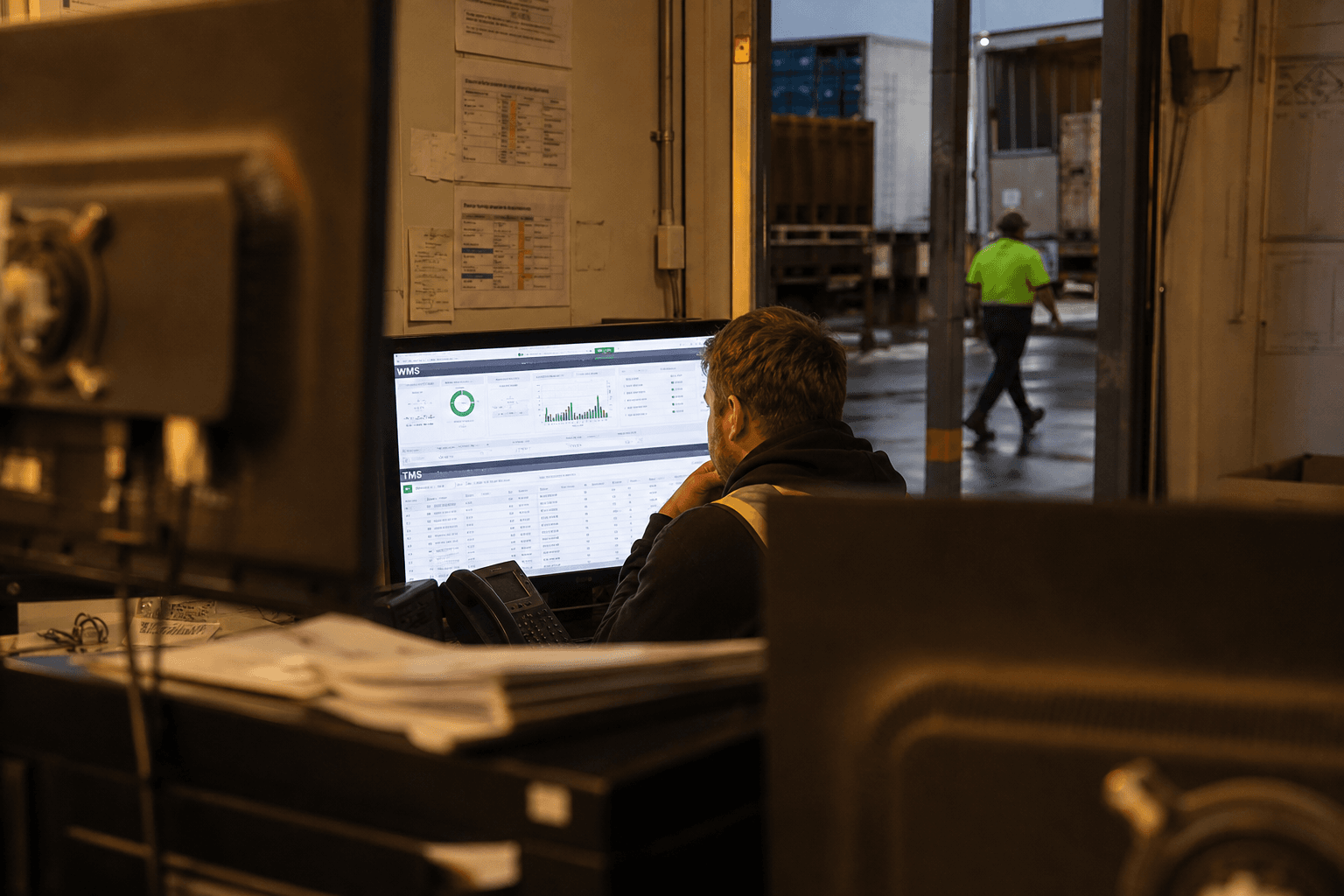
In practice this usually means: a consistent way of capturing and normalising inbound documentation across sites (manifests, ASNs, PODs), connected visibility into labour rosters and shift capacity per site, and a feedback loop from outbound delivery performance back into the allocation decision — which is also where route optimisation data becomes relevant, since the delivery lane a site services affects whether reallocating inbound volume to it actually improves overall network performance.
How should a 3PL get started with network-level AI balancing?
The starting point isn't a platform purchase — it's an honest assessment of what data your existing systems can currently expose, and where the gaps are between sites. Most 3PLs discover that the biggest barrier isn't the AI model itself, it's that inbound documentation, labour data and inventory records aren't structured consistently enough across sites to feed a shared decision layer yet.
An AI readiness assessment is designed to answer that question directly — mapping what data exists, where it lives, what's missing, and what a realistic, staged path to network-level balancing looks like for your specific warehouse footprint. For most mid-market 3PLs, this is a more productive first step than evaluating software platforms in the abstract, because it clarifies whether the constraint is technology, data, or process before any build decision gets made.
For more on how we approach these engagements, see our insights.
If you're running a multi-site warehouse network and want a clearer view of where volume, labour or inventory imbalance is costing you, get in touch — we can talk through what a readiness assessment would look like for your network.
Zero Footprint
The Zero Footprint team — AI modernisation for Australian logistics.