AI-Driven Peak Season Capacity Planning for Freight Operators
Peak season doesn't have to mean reactive scrambling for casual labour, subcontractor capacity and fleet allocation. Here's how Australian freight operators can combine demand forecasting, AI-assisted scheduling and route optimisation to plan ahead — within Fair Work and NHVR compliance limits.
Every Australian freight operator knows the pattern: volumes climb through November, spike hard around Black Friday and Christmas, and then plateau again in February. What varies is how well the business copes with it. AI-driven peak season capacity planning gives operators a way to forecast those surges and staff, subcontract and allocate fleet against them ahead of time — rather than scrambling week to week once the volume has already landed.
This article looks at how forecasting, scheduling and route optimisation combine to support peak planning, and where the compliance guardrails still apply even when demand is high.
What Is Peak Season Capacity Planning for Freight Operators?
Peak season capacity planning is the process of matching labour, subcontractor and vehicle capacity to expected surges in freight volume — typically driven by retail peaks like Black Friday, Christmas and end-of-financial-year clearance. Done well, it means casual labour is booked, subcontractor agreements are confirmed, and fleet allocation is set before the volume hits, not after dispatch boards are already overloaded.
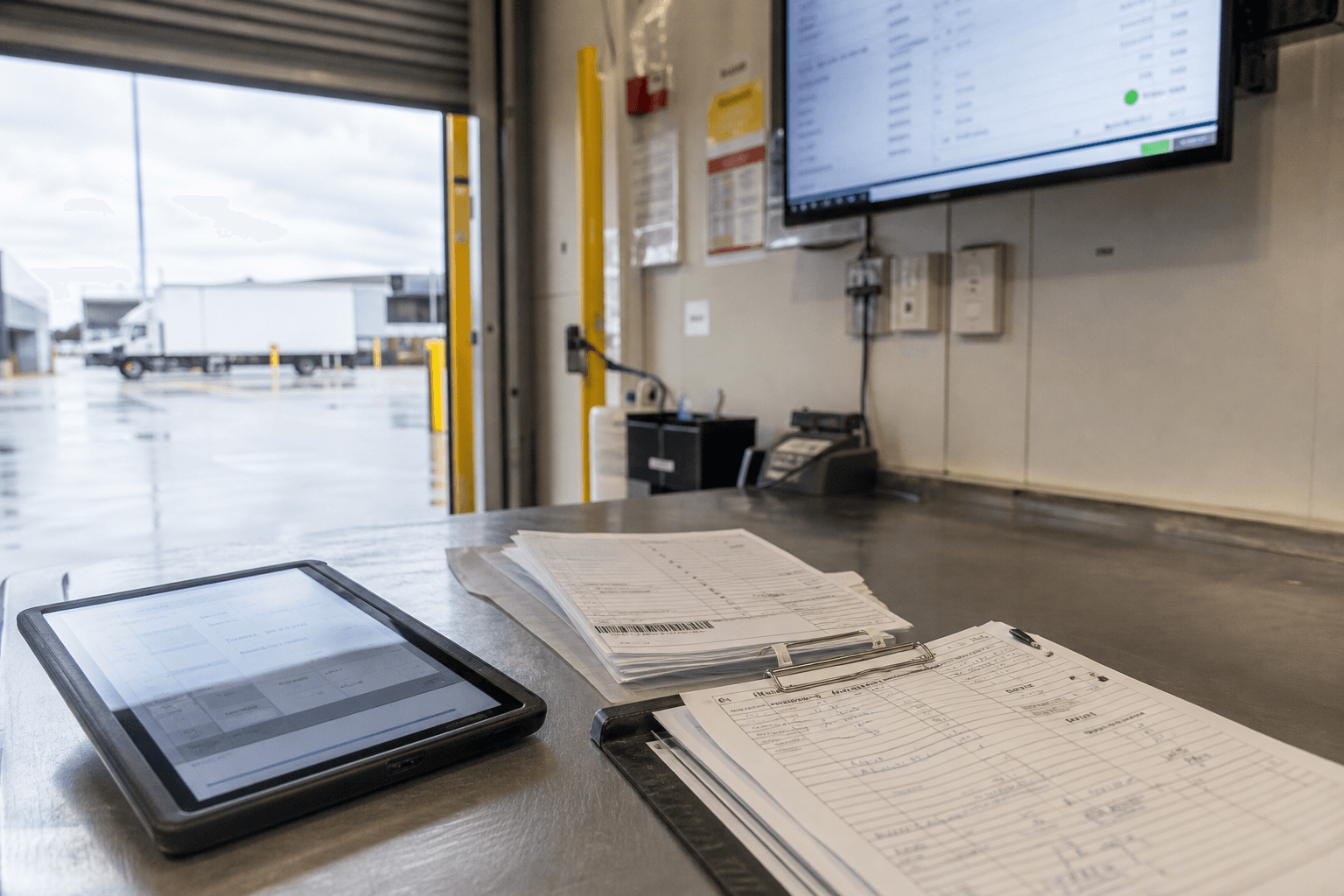
For most mid-market carriers and 3PLs, this planning still happens manually — a mix of spreadsheets, historical gut-feel, and phone calls to labour hire agencies in the weeks before peak. It works, but it's reactive by design, and it tends to break under variability the operator hasn't seen before.
Why Do Australian Freight Operators Struggle With Peak Season Surges?
Operators struggle with peak season because demand forecasting, labour booking and fleet allocation are usually handled as separate, disconnected decisions rather than one planning process. A warehouse manager might book casual labour based on last year's roster, while dispatch allocates subcontractor capacity based on whoever answers the phone first — with no shared view of expected volume.
The result is a familiar cycle: under-resourced shifts early in peak, expensive last-minute labour hire mid-peak, and underutilised fleet once the surge passes. None of this is unique to any one operator — it's a structural gap between the data a business already holds (historical order volumes, customer forecasts, seasonal patterns) and the operational decisions that data should be informing.
How Does AI Forecast Peak Season Demand?
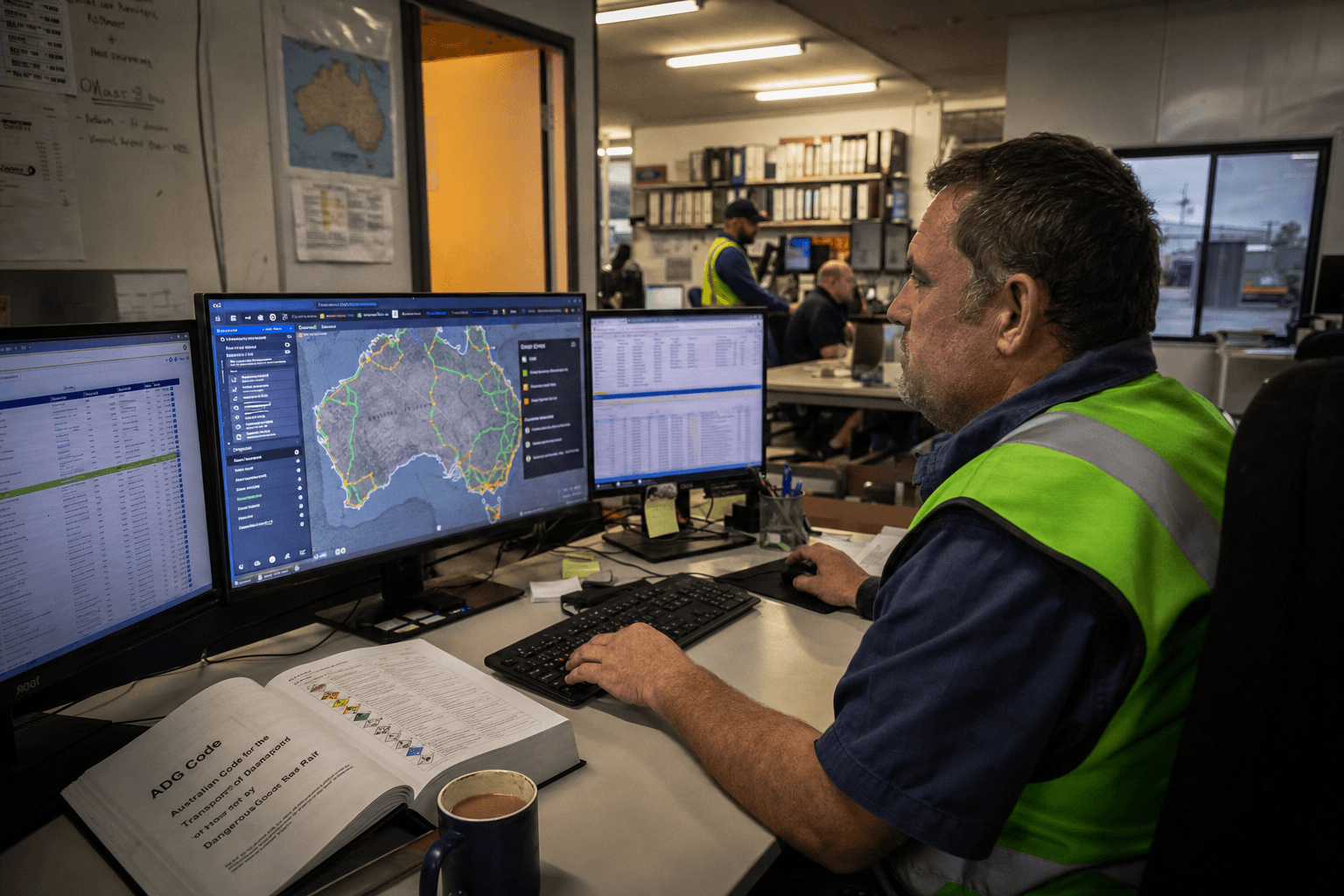
Demand forecasting is the AI application that predicts future freight volumes from historical patterns, customer order signals and seasonal trends, giving operators a volume estimate to plan against instead of relying on last year's numbers alone. This sits within a broader toolkit of AI applications for logistics that also includes route optimisation and exception management, once an operator's underlying data is in reasonable shape.

The forecasting output itself isn't the end goal — it's an input. A volume forecast for the first week of December is only useful if it flows into a decision about how many pickers to roster, how many subcontracted runs to book, and how many of the operator's own vehicles to hold in reserve. That's where scheduling and fleet allocation come in.
How Can AI Help Plan Casual Labour and Subcontractor Capacity?
AI-assisted workforce scheduling uses historical volume data or forecasts to suggest staffing levels by shift, which is the core mechanic behind labour-based capacity planning. Instead of a warehouse supervisor manually working out how many casuals to book for the second week of peak, the scheduling system can suggest a staffing level based on the forecasted volume for that period — and adjust as the forecast updates closer to the date.
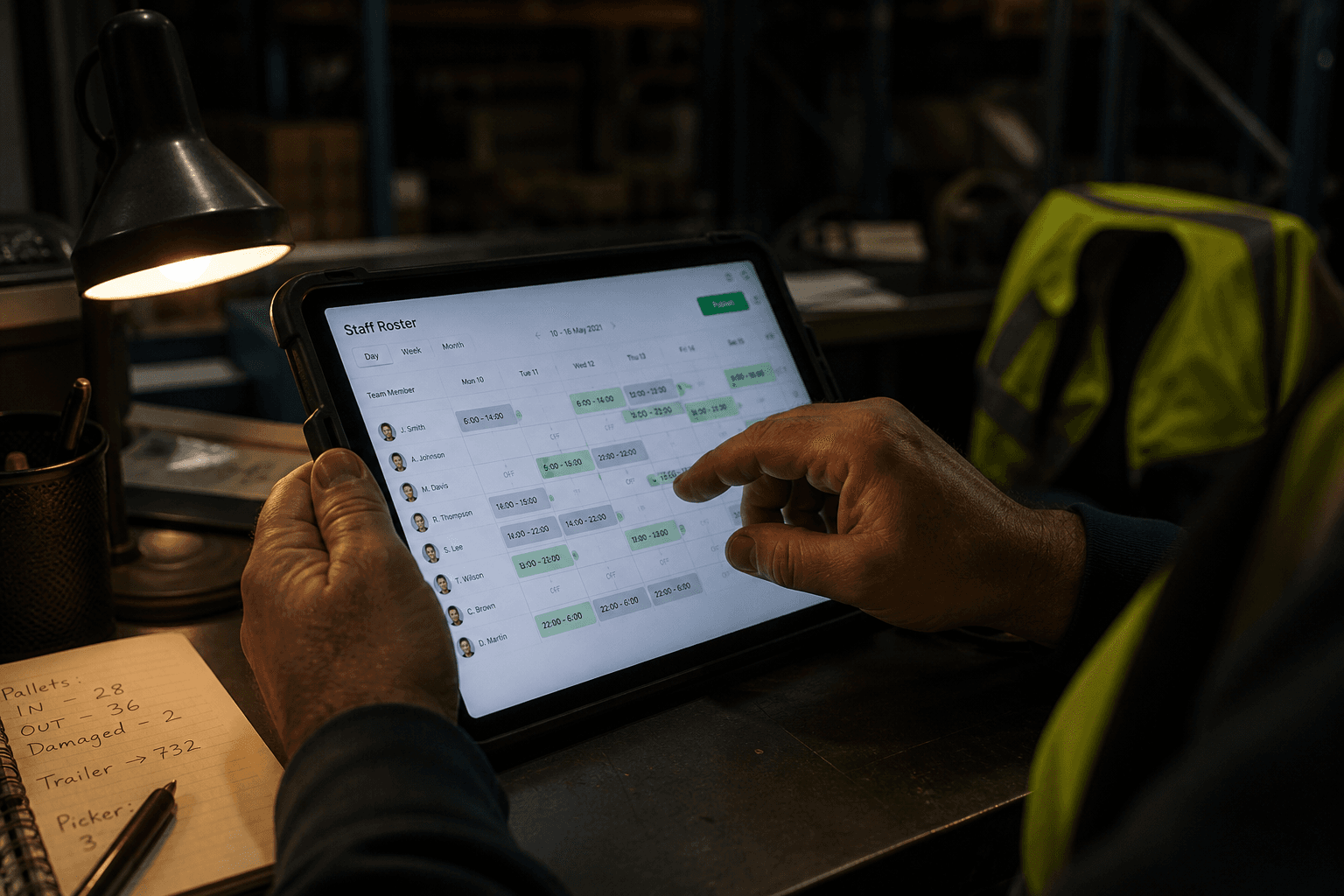
The same logic extends to subcontractor capacity. If forecasted volume for a given lane exceeds what the operator's own fleet can absorb, that gap can be flagged early enough to lock in subcontractor agreements at reasonable rates — rather than sourcing capacity reactively at peak-week premiums. Labour is typically the largest variable cost in warehousing and last-mile operations, which is exactly why getting this decision right before peak, rather than during it, matters financially as well as operationally.
How Does Fleet Allocation Fit Into Peak Season Planning?
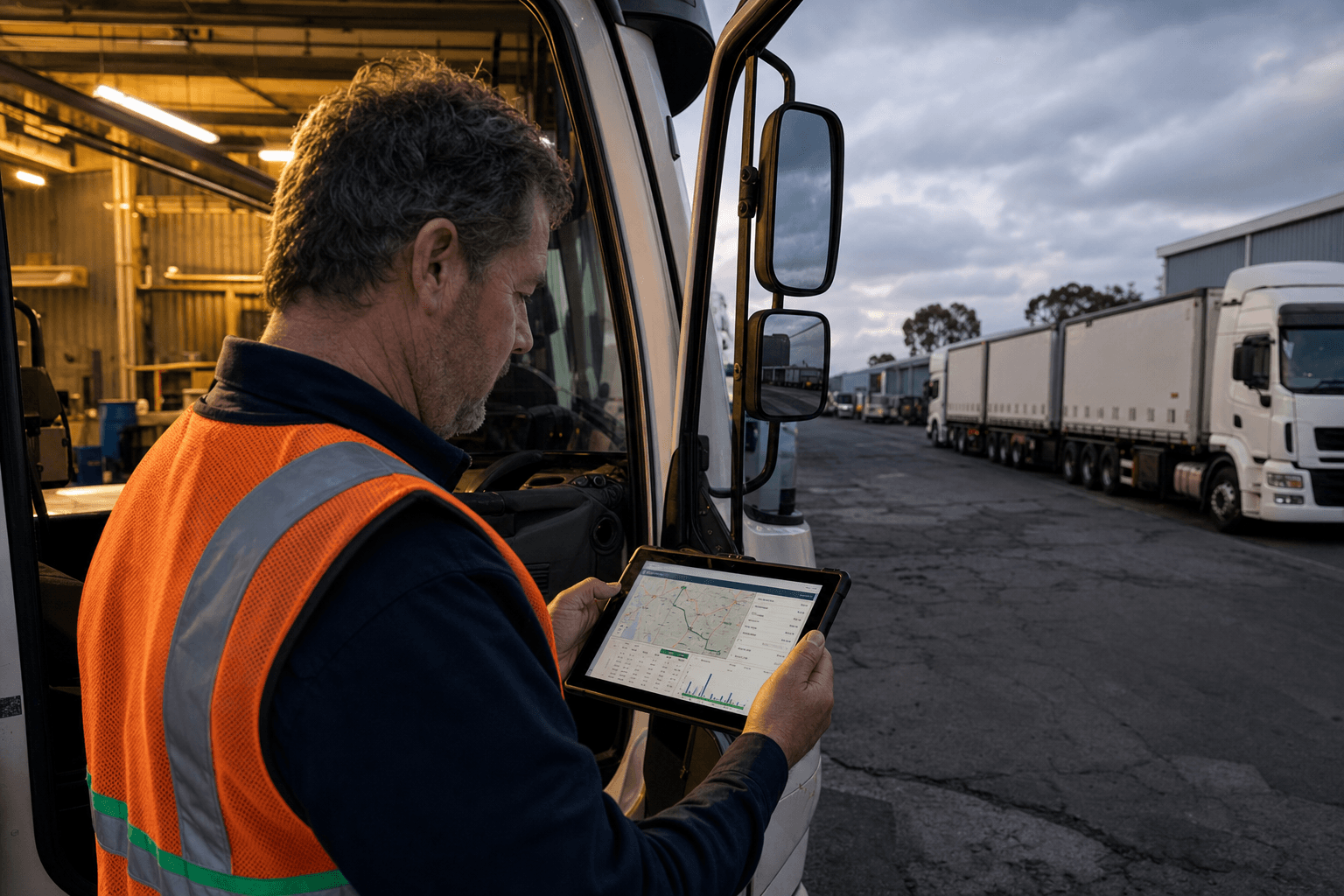
Fleet allocation during peak season is the process of assigning owned and subcontracted vehicles across routes and depots to match forecasted volume, ideally planned days or weeks ahead rather than adjusted on the day. Once demand forecasting and labour scheduling are in place, route optimisation becomes the mechanism for actually moving the resulting volume efficiently — sequencing stops, balancing loads across the available fleet, and minimising the empty running that tends to spike when operators are juggling casual drivers and unfamiliar subcontractor routes.
Operators exploring this often start by reviewing their existing dispatch and routing setup through a dedicated route optimisation engagement, since peak season is usually where the limitations of manual or spreadsheet-based routing show up most clearly.
Reactive vs AI-Driven Peak Planning: What's the Difference?
The table below compares the two approaches qualitatively — the point isn't that one is universally faster or cheaper, but that the underlying decision-making process is structurally different.
| Planning Element | Reactive (Manual) Approach | AI-Driven Approach |
|---|---|---|
| Demand visibility | Estimated from last year, adjusted by gut feel | Forecasted from historical and current order data |
| Casual labour booking | Booked as shortages appear during peak | Booked ahead based on forecasted staffing needs |
| Subcontractor capacity | Sourced reactively, often at premium rates | Contracted in advance against forecasted gaps |
| Fleet allocation | Adjusted daily as volume arrives | Planned ahead, refined as forecasts update |
| Data flow | Siloed across spreadsheets and phone calls | Feeds into existing TMS/WMS systems |
A genuine capacity-planning capability depends on that last row — scheduling and forecasting data flowing into the TMS or WMS the business already runs on, rather than sitting in a disconnected standalone tool that nobody checks during a busy peak week.
What Compliance Rules Still Apply During Peak Season?
Compliance obligations don't relax during peak season, and any AI-driven roster or capacity plan still has to respect them. That means Fair Work Act minimum engagement periods and overtime rules for casual and permanent staff, and National Heavy Vehicle Regulator (NHVR) work and rest hour limits for drivers, regardless of how urgent the volume surge is.
This is worth stating plainly because the pressure of peak season is exactly when these rules are most likely to be tested — a forecasting tool can suggest a staffing level, but it can't override a legislated rest break or minimum shift length. Any AI-assisted scheduling approach should be built to plan within those constraints, not around them.
Where Does Peak Season Planning Fit Into a Broader AI Strategy?
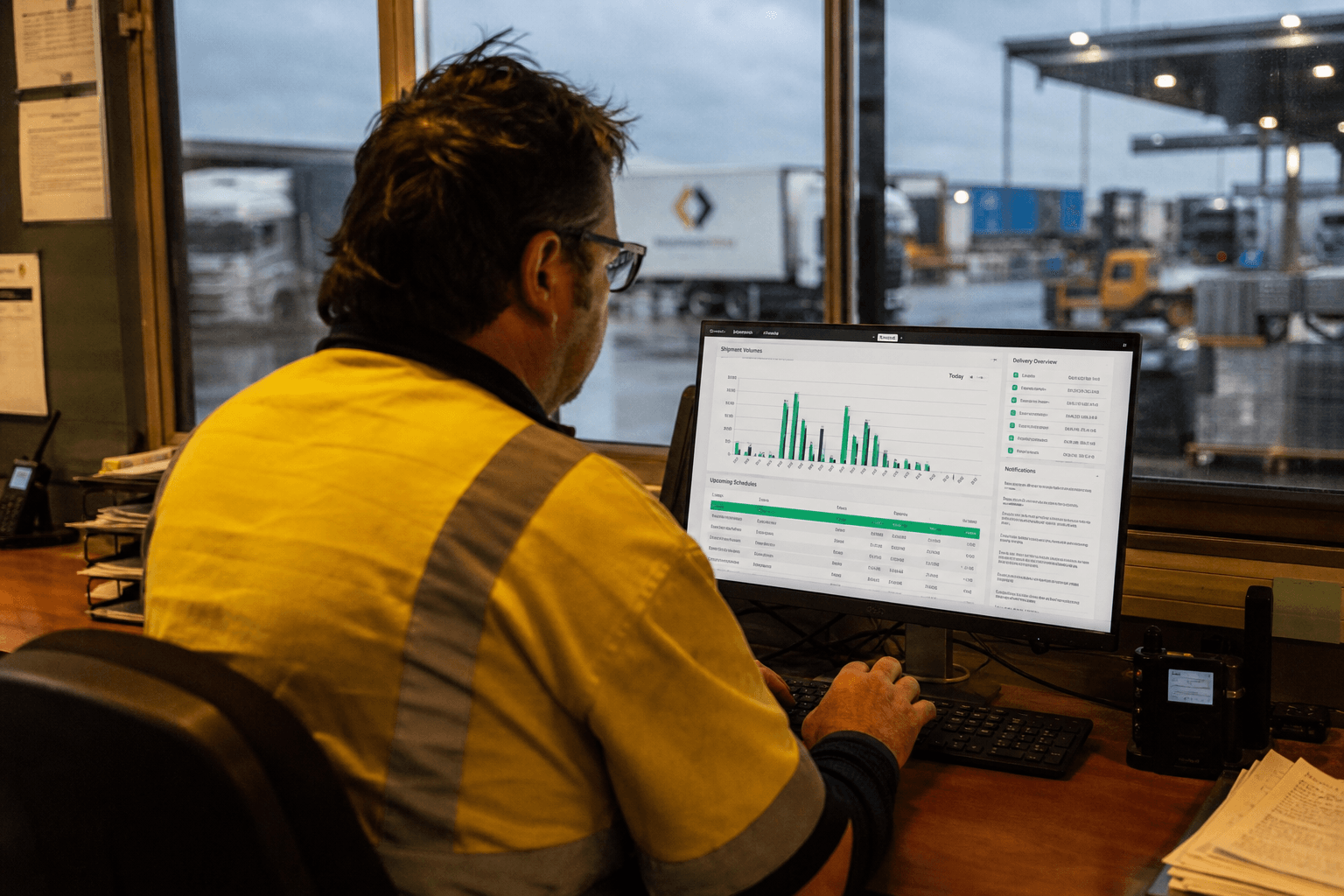
Peak season capacity planning isn't a standalone product most operators can buy off the shelf — it's the practical result of combining demand forecasting, AI-assisted scheduling and route optimisation, applied to a specific seasonal problem. Many of the analytics dashboards available to freight operators today are built for descriptive reporting — showing what happened last peak season — rather than predictive forecasting of what's coming next. That's a reasonable starting point, but it leaves a gap for operators who want to plan ahead of the surge rather than analyse it afterwards.
For operators without an internal data team, the more realistic path is usually to start with an honest assessment of what data already exists (order history, TMS/WMS records, past labour rosters) and where the gaps are before committing to a forecasting build. That's the kind of groundwork covered in an ai-readiness-assessment — identifying what's usable now and what needs work before peak season planning can be automated with any confidence.
If you're weighing up digital transformation logistics Australia priorities more broadly, peak season planning is often one of the clearest, most measurable places to start, because the cost of getting it wrong (emergency labour hire, missed SLAs, underutilised fleet) is visible every single year. You can find more on related topics, including workforce scheduling and route optimisation, over on our insights.
If you're exploring how AI in logistics could help your business plan for peak season rather than react to it, we can help — starting with an honest look at whether your current data and systems can support it.
Zero Footprint
The Zero Footprint team — AI modernisation for Australian logistics.