AI for Returns Processing: Turning Reverse Logistics into Value
Returns processing represents a significant cost centre for Australian logistics operators, but AI is transforming reverse logistics into value creation. Automated inspection, intelligent disposition routing, and predictive refurbishment decisions are helping warehouses maximise value recovery from returned goods.
AI for Returns Processing: Turning Reverse Logistics into Value
Returns processing represents one of the most challenging operational aspects for Australian e-commerce and retail logistics operations. Industry research indicates that returns rates continue climbing across most product categories, with some sectors experiencing significantly higher return volumes than traditional retail channels. Most warehouse operators treat returns as a cost centre, but AI is transforming reverse logistics into a value-creation opportunity through automated inspection, intelligent disposition routing, and predictive refurbishment decisions.
The Growing Returns Challenge in Australian E-commerce
E-commerce returns in Australia have experienced substantial growth in recent years, driven by "try before you buy" consumer behaviour and increasingly liberal return policies. The Australian Competition and Consumer Commission notes that online shopping complaints often relate to return policies and processing delays.
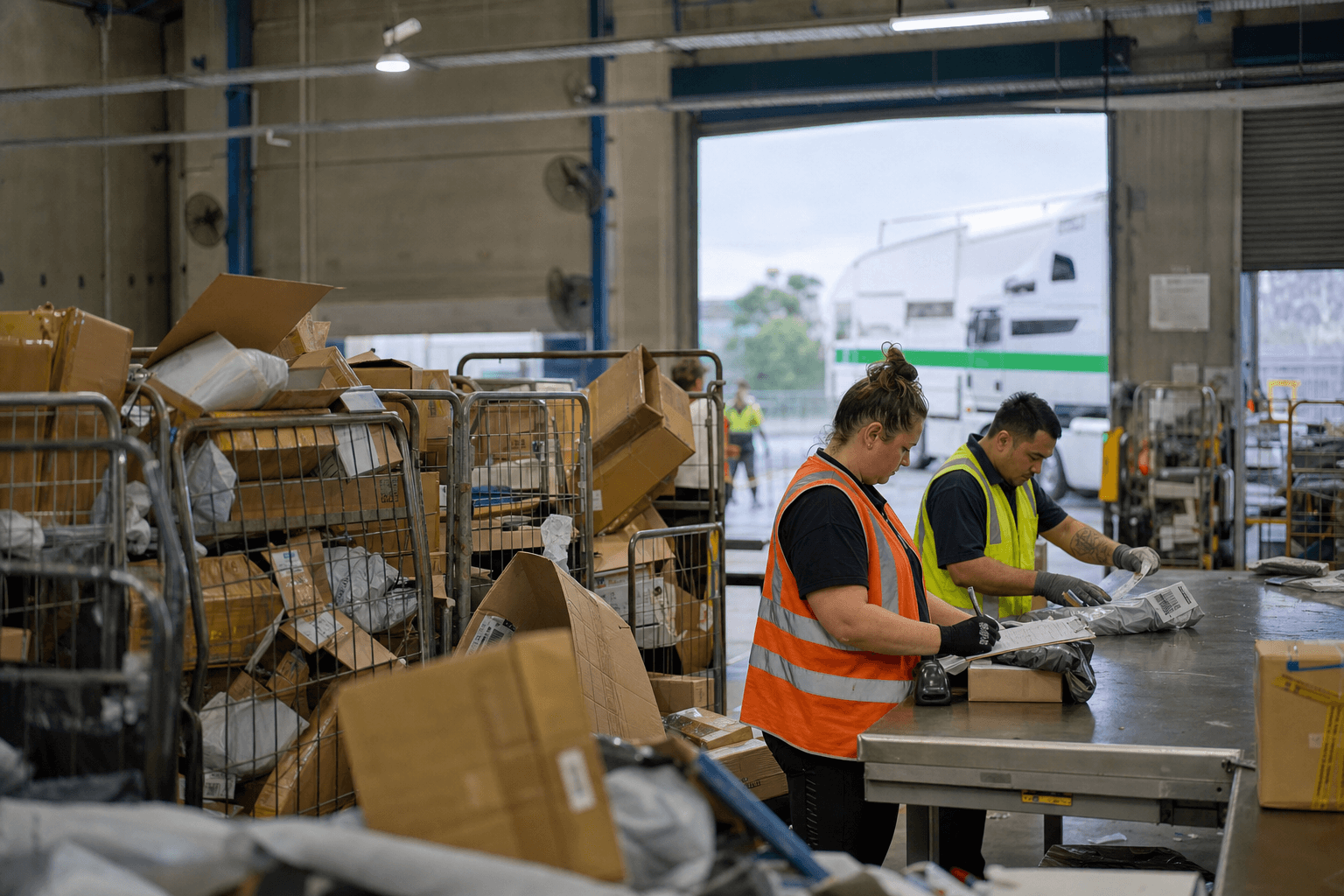
Traditional returns processing relies on manual inspection and experience-based decisions about whether to restock, refurbish, or dispose of returned items. This approach creates bottlenecks and inconsistent outcomes across different staff members and shifts.
The typical returns journey involves multiple touch points: customer initiation, carrier pickup, warehouse receipt, condition assessment, and final disposition. Each step adds cost and delays value recovery from returned goods. Manual processes struggle with the volume and complexity of modern returns flows, particularly during peak periods like post-Christmas returns.
Australian logistics operators report that a significant portion of returned items could theoretically be resold, yet many items are liquidated or disposed of due to processing inefficiencies and conservative decision-making. The challenge lies in accurately assessing condition and making economically sound disposition decisions at scale.
AI Applications in Returns Processing
Automated Visual Inspection

Computer vision systems can assess returned items faster and more consistently than human inspectors. AI models trained on product imagery can identify damage, wear patterns, missing components, and authenticity markers with increasing accuracy.
Machine learning algorithms classify condition severity using standardised grading criteria. This eliminates subjective assessment variations between different warehouse staff and creates audit trails for disposition decisions that satisfy compliance requirements.
Vision systems integrate with existing warehouse management systems, automatically updating inventory records based on inspection outcomes. The technology works particularly well for standardised products like electronics, appliances, and packaged goods where condition assessment follows predictable patterns.
For Australian operations, computer vision can adapt to local product variations and packaging standards, ensuring accurate assessment across different brands and suppliers commonly found in the Australian market.
Intelligent Disposition Routing
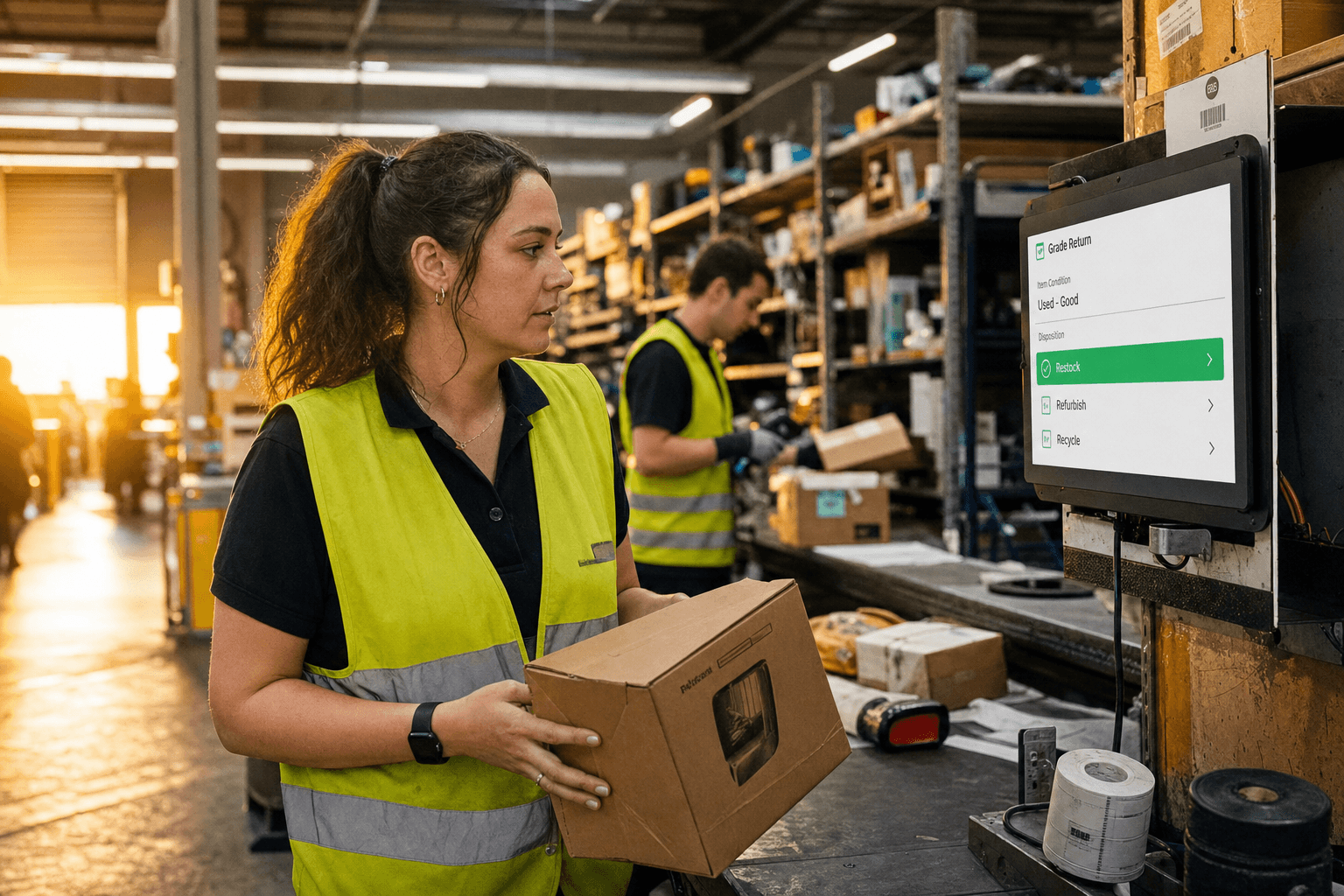
AI algorithms optimise disposition decisions by analysing multiple factors: item condition, market demand, refurbishment costs, and channel-specific pricing. The system evaluates different options—restocking, refurbishment, liquidation, or disposal—based on current market conditions.
Dynamic routing considers real-time market conditions, seasonal demand patterns, and inventory levels across different sales channels. This prevents overstocking refurbished items while maximising value recovery from returned goods.
Disposition intelligence learns from historical outcomes, improving decision accuracy over time. The system identifies which products are worth refurbishing and which channels generate the best returns on refurbished inventory, adapting to Australian market conditions and consumer preferences.
For multi-channel retailers, AI can route items to the most appropriate sales channel—whether that's primary e-commerce inventory, outlet stores, or third-party liquidation partners—based on condition and demand signals.
Predictive Refurbishment Decision-Making
Machine learning models predict refurbishment success rates and costs based on item condition, historical repair data, and technician availability. This prevents uneconomical refurbishment attempts that tie up resources without generating value.
Predictive algorithms identify patterns in product failures and return reasons, feeding insights back to procurement and quality teams. Understanding why specific products or batches generate returns helps prevent future issues and inform supplier discussions.
Refurbishment scheduling optimises technician workloads and parts inventory based on predicted repair requirements. This reduces turnaround times and improves resource utilisation in repair operations, particularly important given skilled technician shortages in many Australian markets.
The system can also predict which items are likely to be returned again after refurbishment, helping operators make better initial disposition decisions.
Returns Fraud Detection
AI systems detect suspicious return patterns by analysing customer behaviour, product usage indicators, and return timing. Machine learning models identify potential fraud attempts before they impact inventory or financials.
Pattern recognition algorithms flag customers with unusual return frequencies, late returns of damaged items, or attempts to return products purchased elsewhere. This protects margins while maintaining customer service for legitimate returns.
Fraud detection integrates with customer service systems, providing staff with risk scores and recommended actions for each return request. Automated scoring reduces manual review time while improving fraud prevention accuracy.
For Australian operators, fraud detection must comply with Privacy Act requirements while protecting against increasingly sophisticated return fraud schemes.
Implementation Approaches for Australian Logistics Operators
Start with High-Volume Categories
Focus initial AI deployment on product categories with the highest return volumes and standardised assessment criteria. Electronics, homewares, and packaged goods often provide clear opportunities for automated processing improvements.
Begin with disposition routing for items that currently default to liquidation. AI can identify which returned products are worth restocking or refurbishing, potentially improving value recovery rates from day one.
Pilot programs should target specific product lines or customer segments to prove value before scaling across the entire returns operation. This approach allows for learning and refinement without disrupting core operations.
Integration with Existing Systems
AI returns processing tools must integrate with existing warehouse management systems, customer service platforms, and financial reporting. API connectivity ensures data flows seamlessly between systems without manual data entry.
Many Australian operators use established WMS and ERP systems that require careful integration planning. Modern AI platforms offer pre-built connectors for popular systems used in the Australian market, reducing implementation complexity.
Cloud-based AI services provide scalable processing power without requiring significant infrastructure investment. This approach suits mid-market operators who want AI capabilities without internal technical resources or major capital expenditure.
Change Management and Training
Warehouse staff need training on AI-assisted inspection processes and disposition recommendations. Clear workflows ensure staff understand when to override AI decisions and how to provide feedback for model improvement.
Managers require dashboards showing returns processing performance, value recovery rates, and system accuracy metrics. Visibility into AI decision-making builds confidence and identifies areas for improvement.
Customer service teams need access to AI-generated condition reports and disposition reasoning to handle customer inquiries effectively. Integration with existing customer service tools ensures consistent communication.
Measuring Returns Processing Success
Key performance indicators for AI-enhanced returns processing include processing time reduction, value recovery improvement, and decision accuracy rates. Australian operators should establish baselines before implementation to measure improvement accurately.
Financial metrics matter most: cost per return processed, average value recovered per item, and overall returns processing margin. These metrics directly impact operational profitability and justify AI investment.
Operational metrics include inspection accuracy, disposition decision consistency, and processing throughput. These indicators help identify bottlenecks and optimisation opportunities as the system matures.
Customer satisfaction metrics should also be tracked, as faster, more accurate returns processing can become a competitive advantage in customer retention.
Technology Considerations for Australian Operations
Data residency requirements under Australian privacy legislation may influence cloud service selection for AI processing systems. Ensure chosen platforms can meet local compliance requirements while providing necessary performance.
Internet connectivity and latency considerations are particularly important for regional operations. Edge computing capabilities may be necessary for warehouses in areas with limited connectivity.
Scalability planning should account for seasonal variations common in Australian retail, including Boxing Day sales and back-to-school periods that generate significant return volumes.
Integration with Australian carrier systems and tracking capabilities ensures end-to-end visibility throughout the returns process.
Building Competitive Advantage
AI-enhanced returns processing creates competitive advantages through faster turnaround times, higher value recovery, and better customer experience. These capabilities can become key differentiators in tender processes and customer retention.
Data insights from returns processing can inform product development, supplier performance discussions, and customer service improvements. This intelligence has value beyond immediate returns operations.
Predictive capabilities help with inventory planning and demand forecasting, as returns patterns often indicate broader market trends and customer preferences.
For operators considering AI readiness assessment, returns processing often presents clear ROI opportunities with measurable outcomes. The technology addresses specific operational challenges while generating quantifiable value improvements.
Next Steps for Implementation
Successful AI implementation in returns processing requires careful planning, pilot testing, and gradual scaling. Start with high-impact, low-risk applications to build confidence and demonstrate value.
Consider engaging specialists who understand both AI technology and Australian logistics operations. This ensures implementations are practical, compliant, and designed for local market conditions.
For more insights on AI implementation in logistics operations, explore our blog for practical guidance and case studies from Australian operators.
Ready to explore how AI could transform your returns processing operations? Get in touch to discuss your specific challenges and opportunities.
Zero Footprint
The Zero Footprint team — AI modernisation for Australian logistics.