AI Route Optimisation for Australian Freight Operations
AI route optimisation helps Australian freight operators reduce fuel costs, improve delivery times, and maintain NHVR compliance across urban and regional networks. Modern systems process real-time data to generate optimal routes that traditional planning methods cannot match.
AI Route Optimisation for Australian Freight Operations
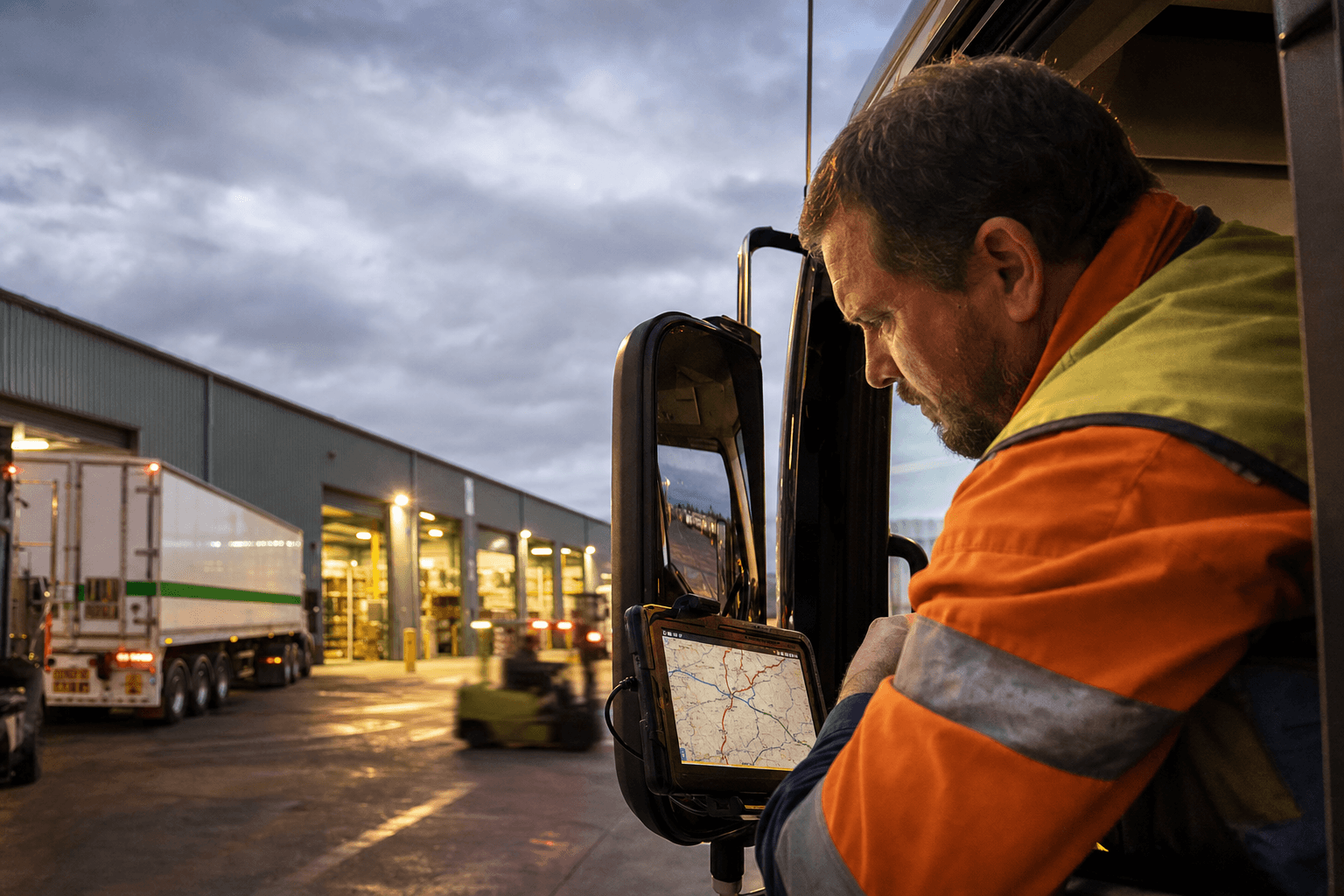
AI route optimisation Australia solutions help logistics operators reduce fuel costs, improve delivery times, and maintain NHVR compliance across challenging urban and regional networks. Modern systems process real-time traffic data, vehicle constraints, and customer requirements to generate optimal routes that traditional planning methods cannot match.
What Is AI Route Optimisation?
AI route optimisation is the application of machine learning algorithms to determine the most efficient paths for vehicle fleets, considering multiple constraints including traffic patterns, vehicle capacity, driver hours, and delivery windows. Unlike basic GPS routing, AI systems learn from historical data and adapt to changing conditions in real-time.
For Australian freight operators, this technology addresses unique challenges including vast distances between regional centres, NHVR Heavy Vehicle National Law compliance, and varying road restrictions across state boundaries.
How AI Route Optimisation Works in Australian Conditions
Australian freight operations face distinct challenges that generic route optimisation software often fails to address adequately.

Urban Delivery Networks
In cities like Melbourne and Sydney, AI systems must navigate complex delivery windows, parking restrictions, and congestion patterns that vary significantly by time of day. The algorithms process data including:
- Real-time traffic conditions from multiple sources
- Historical congestion patterns by suburb and time
- Delivery window constraints from major retailers
- Vehicle access restrictions in CBD areas
- Last-mile delivery preferences
Regional and Interstate Operations
Regional route optimisation presents different challenges, with AI systems managing:
- NHVR compliance for heavy vehicle movements
- Rest area availability along major freight corridors
- Seasonal road closures and weather patterns
- Fuel stop planning for extended routes
- Bridge and tunnel weight restrictions
NHVR Compliance and Route Planning
The Heavy Vehicle National Law requires operators to manage driver fatigue, vehicle weights, and route restrictions. AI route optimisation systems designed for Australian conditions integrate NHVR requirements directly into route calculations.
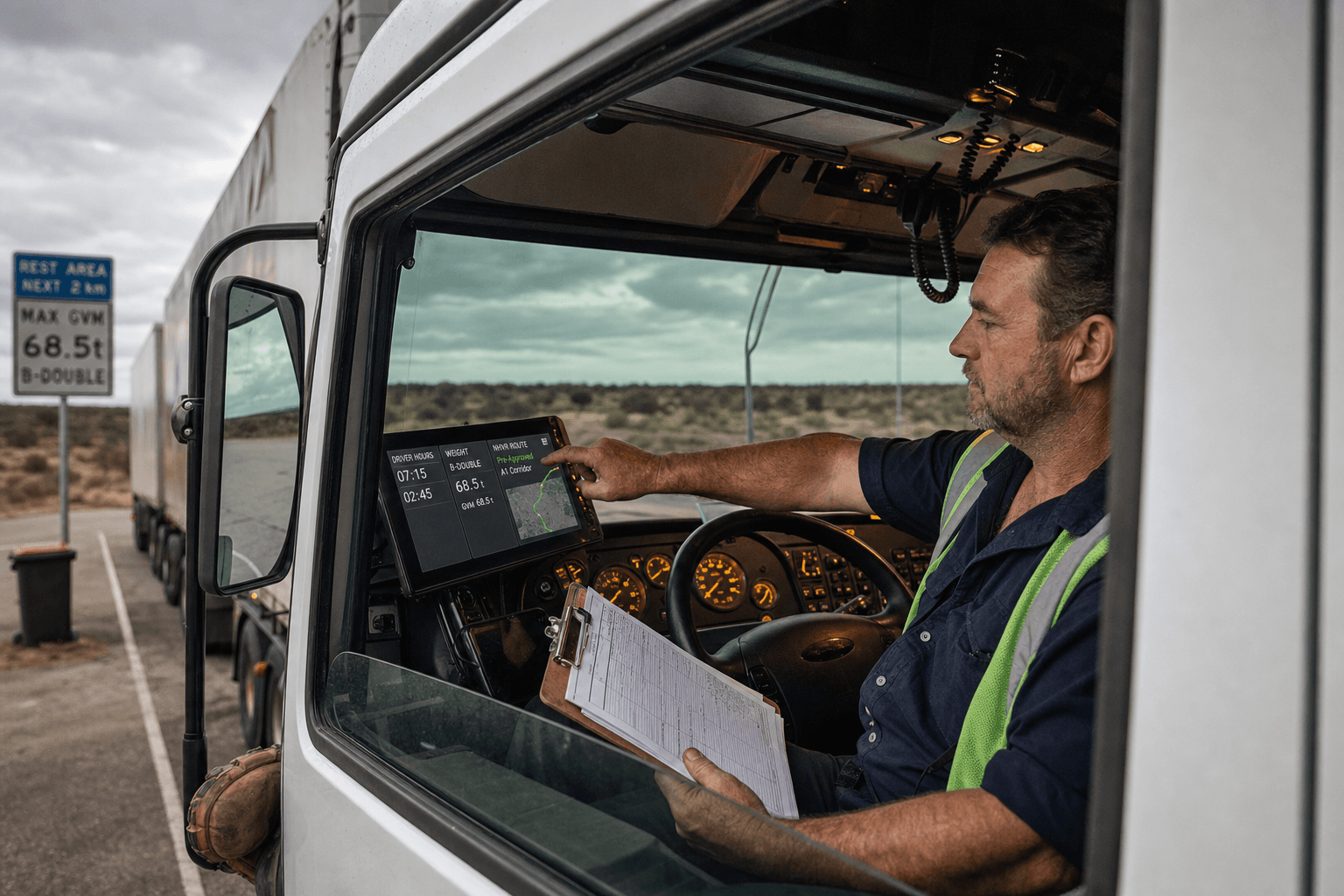
Compliance features include automated fatigue management scheduling, real-time weight distribution monitoring, and pre-approved route verification. This reduces the administrative burden on dispatchers while ensuring regulatory adherence.
Benefits for Australian Freight Operations
Australian logistics operators implementing AI route optimisation typically report several key improvements:
Fuel Cost Management
According to the Australian Trucking Association's Industry Intelligence Report, fuel represents approximately 30-35% of total operating costs for freight operators. AI route optimisation systems help reduce fuel consumption through more efficient path planning that considers real-time traffic conditions and vehicle-specific constraints.
Delivery Performance
Industry benchmarks suggest that operators using AI route optimisation see improvements in on-time delivery performance and customer satisfaction. The BITRE (Bureau of Infrastructure and Transport Research Economics) reports that delivery reliability is increasingly becoming a competitive differentiator in Australian freight markets.
Operational Efficiency
AI systems significantly reduce the time dispatchers spend on manual route planning. Many operators report that automated route generation allows staff to focus on exception handling and customer service rather than routine planning tasks.
Local AI Route Optimisation Providers
The Australian market includes both international platforms adapted for local conditions and purpose-built solutions designed specifically for Australian freight operations.
International Platforms
Major global providers offer Australia-specific configurations including local traffic data integration, NHVR compliance modules, and regional mapping data. However, these solutions often require significant customisation to handle uniquely Australian challenges.
Australian-Developed Solutions
Local providers understand the specific requirements of Australian freight operations, including state-by-state regulatory differences, regional weather patterns, and the economic realities of rural delivery networks. Zero Footprint works with mid-market logistics operators to implement AI solutions that address these specific challenges through our AI readiness assessment process.
Implementation Considerations for Australian Freight
Successful AI route optimisation implementation requires careful consideration of existing systems and operational processes.
Data Integration Requirements
AI systems require clean, consistent data feeds from existing transport management systems (TMS), including customer databases, vehicle specifications, and driver schedules. Many Australian operators using legacy systems find data preparation represents a significant portion of implementation effort.
Common data sources include:
- Customer order management systems
- Vehicle telematics and GPS tracking
- Driver scheduling and fatigue management
- Historical delivery performance records
- Traffic and weather data feeds
Staff Training and Change Management
Drivers and dispatchers accustomed to manual route planning need structured training programs. The most successful implementations include driver feedback loops that help refine AI recommendations based on real-world conditions.
Key training areas include:
- Understanding AI-generated route recommendations
- Using mobile interfaces for route updates
- Providing feedback on route performance
- Exception handling procedures
Performance Monitoring
Establish clear metrics before implementation, including baseline fuel consumption, delivery performance, and planning time requirements. Regular monitoring ensures the AI system continues delivering expected benefits as business conditions change.
Relevant KPIs typically include:
- Average fuel consumption per kilometre
- On-time delivery percentages
- Route planning time reduction
- Customer satisfaction scores
- Driver productivity measures
Integration with Transport Management Systems
AI route optimisation works best when integrated with existing TMS platforms rather than operating as standalone software. Integration enables:
- Automatic customer order import
- Real-time vehicle tracking data
- Driver communication systems
- Proof of delivery confirmation
- Billing and invoicing workflows
Many Australian logistics operators also benefit from document intelligence solutions that automate data entry from customer orders, reducing manual input errors that can compromise route optimisation effectiveness.
Cost-Benefit Analysis for Australian Operations
The business case for AI route optimisation typically focuses on quantifiable operational improvements rather than technology for its own sake.
Direct Cost Savings
Operators should evaluate several cost categories when considering AI route optimisation:
- Fuel costs: More efficient routing reduces total kilometres travelled and fuel consumption
- Labour costs: Automated planning reduces dispatcher workload and overtime requirements
- Vehicle maintenance: Optimised routes can reduce wear and tear on fleet vehicles
- Administrative overhead: Less time spent on manual planning and route adjustments
Competitive Advantages
Beyond direct cost savings, AI route optimisation can provide competitive advantages:
- Customer service: More reliable delivery windows and real-time updates
- Tender competitiveness: Ability to quote more accurate delivery times and costs
- Scalability: Systems that support business growth without proportional increases in planning staff
- Compliance: Automated NHVR compliance reduces regulatory risk
Regulatory Considerations
Australian freight operators must ensure AI route optimisation systems support regulatory compliance requirements.
Heavy Vehicle National Law Compliance
The HVNL requires operators to manage driver fatigue, vehicle weights, and approved routes. AI systems should integrate these requirements into route planning algorithms rather than treating compliance as a separate process.
Chain of Responsibility
Under Chain of Responsibility laws, all parties in the supply chain share responsibility for breaches. AI route optimisation systems should maintain audit trails showing how routes were planned and why specific decisions were made.
Environmental and Sustainability Benefits
With AASB S2 emissions reporting requirements approaching, many Australian logistics operators are seeking ways to measure and reduce their environmental impact. AI route optimisation supports sustainability goals through:
- Reduced fuel consumption and carbon emissions
- More efficient vehicle utilisation
- Data collection for emissions reporting requirements
- Support for electric vehicle route planning as fleets transition
Getting Started with AI Route Optimisation
For Australian freight operators considering AI route optimisation, the most effective approach is to start with a comprehensive assessment of current operations and technology readiness.
Key steps include:
- Current state analysis: Document existing routing processes, technology systems, and performance metrics
- Data audit: Assess the quality and accessibility of operational data required for AI systems
- Requirements definition: Identify specific operational challenges and compliance requirements
- Vendor evaluation: Compare solutions based on Australian market experience and regulatory compliance
- Pilot implementation: Start with a limited scope to validate benefits before full deployment
Zero Footprint's AI readiness assessment helps Australian logistics operators evaluate their current technology landscape and develop implementation roadmaps tailored to their specific operational requirements. Our approach focuses on practical solutions that integrate with existing systems and deliver measurable improvements in fuel efficiency, delivery performance, and regulatory compliance.
For more insights on logistics technology modernisation, explore our blog or get in touch to discuss your specific route optimisation requirements.
Zero Footprint
The Zero Footprint team — AI modernisation for Australian logistics.