Automating Driver Communication: Manual Calls to AI Updates
Australian logistics operations waste 3-4 hours daily on manual driver communication calls. AI-powered systems eliminate this by automatically sending route changes, compliance reminders, and ETA updates through voice, SMS, and app notifications.
Automating Driver Communication: From Manual Calls to AI-Powered Updates
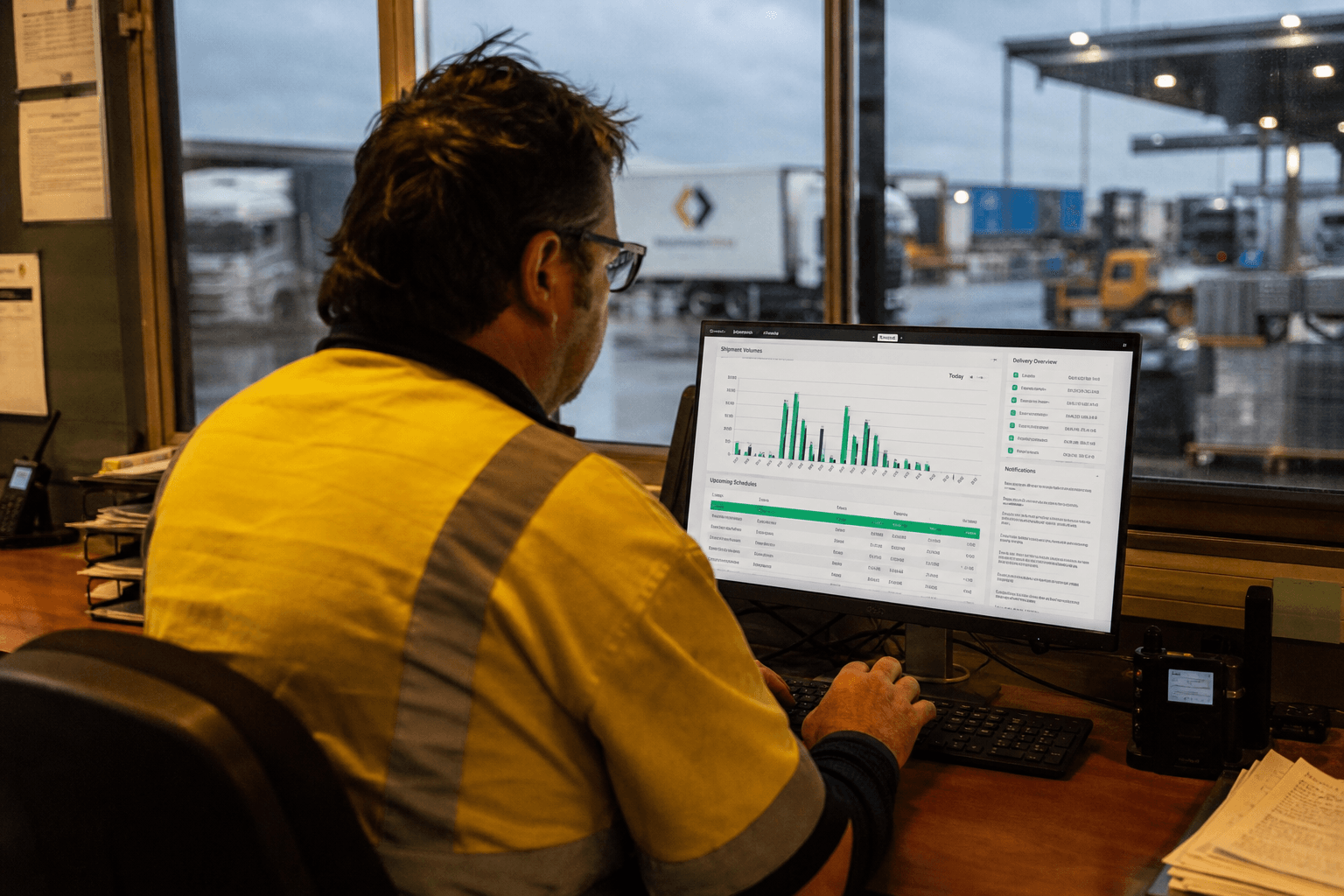
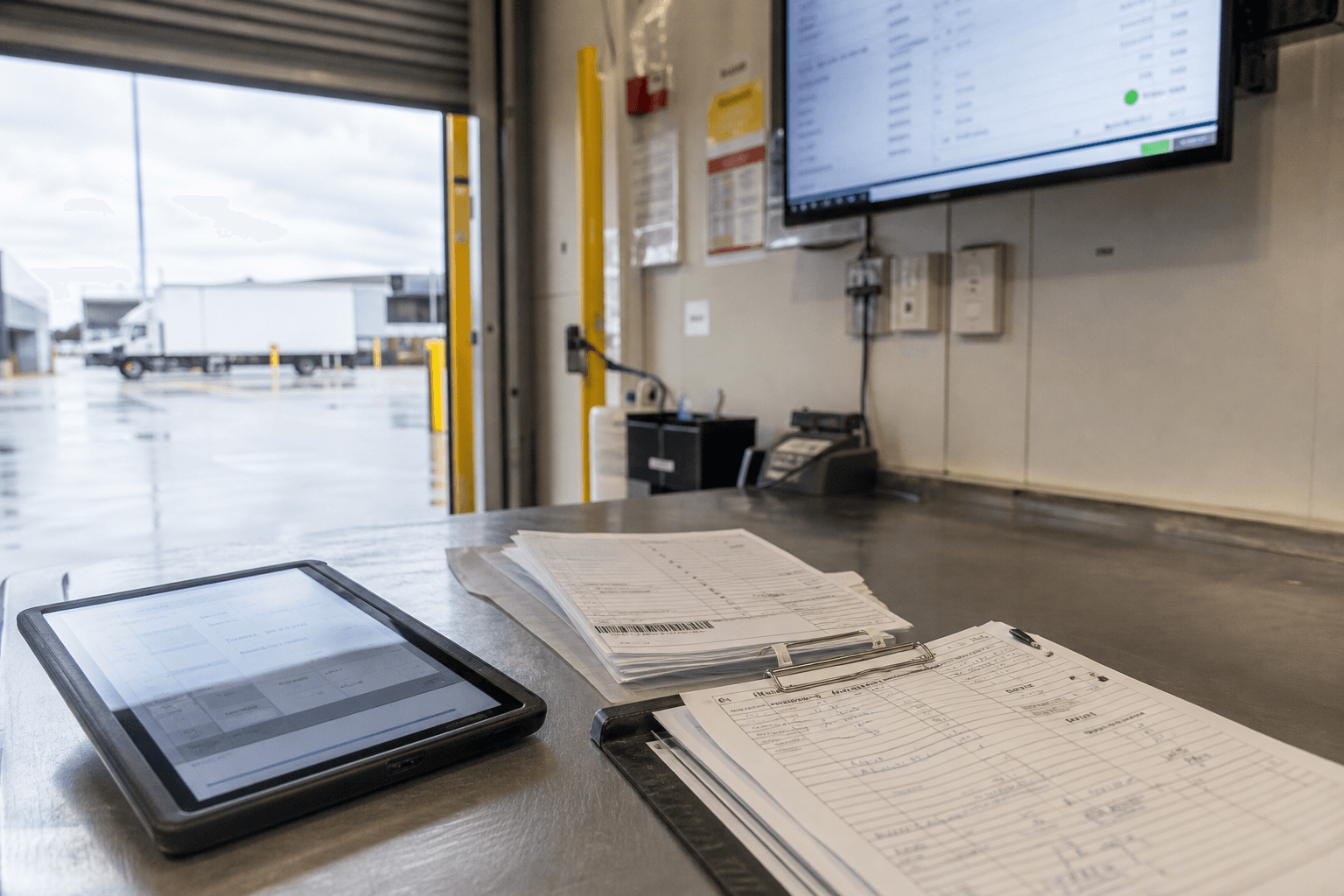
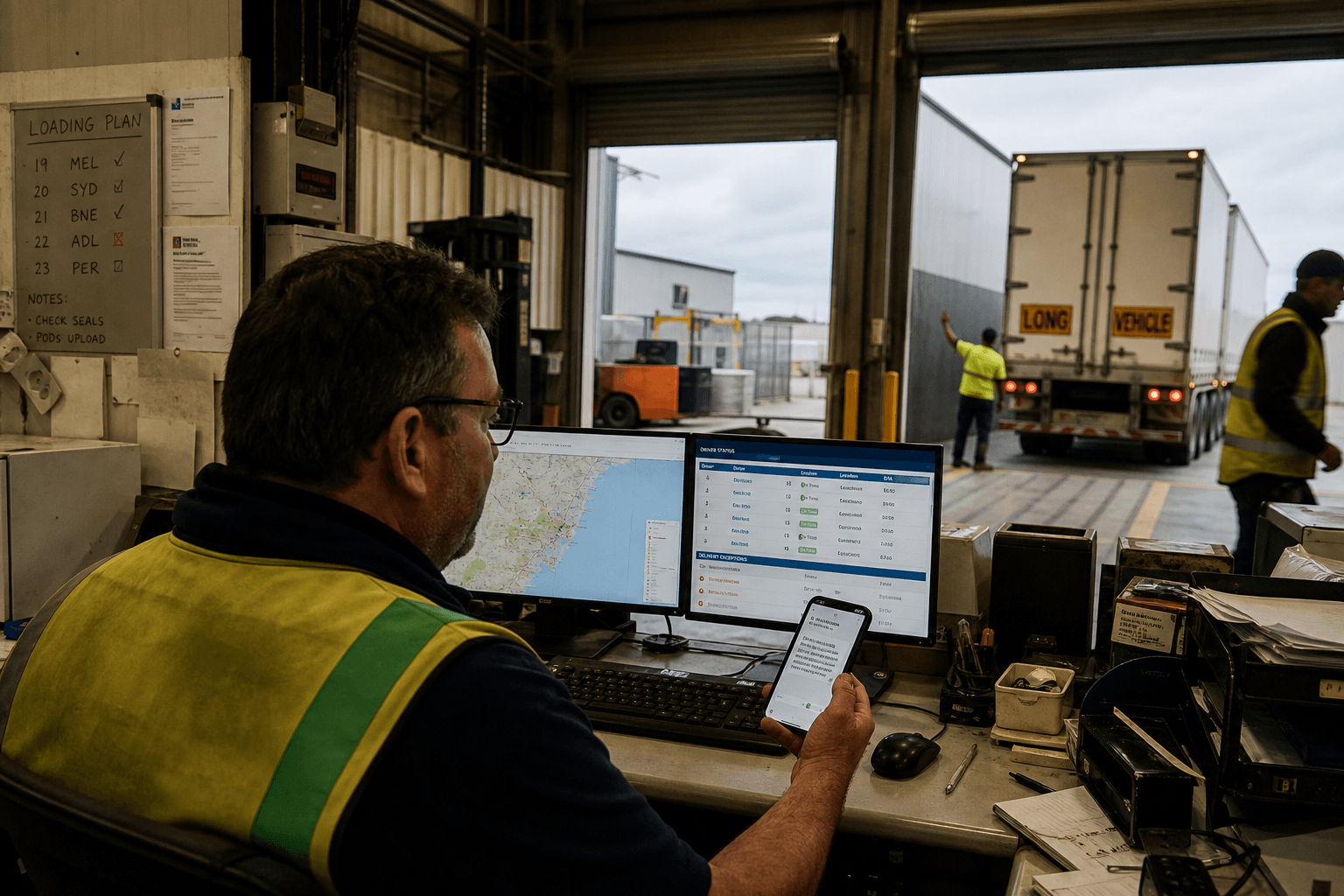
Australian logistics operations waste 3-4 hours daily on manual driver communication. Operations managers spend their mornings making dispatch calls, chasing down ETA updates, and calling drivers about route changes. Meanwhile, drivers miss critical compliance reminders and work with outdated information.
AI-powered driver communication systems eliminate these manual processes by automatically sending voice calls, SMS alerts, and app notifications based on real-time operational data. For mid-market carriers handling 20-50 vehicles, this translates to 15-20 hours saved per week and dramatically improved compliance tracking.
How AI Transforms Driver Communication
AI communication systems integrate directly with your existing TMS and dispatch software to monitor operational events in real-time. When a route change occurs, compliance deadline approaches, or ETA update is needed, the system automatically selects the appropriate communication method and sends targeted messages to affected drivers.
Unlike basic automated messaging, AI systems understand context. They know which drivers prefer voice calls versus SMS, adjust messaging based on fatigue status, and escalate critical messages when initial attempts go unanswered.
Traditional vs AI-Powered Communication
| Aspect | Manual Process | AI-Powered System |
|---|---|---|
| Route changes | Phone calls to each driver | Automatic SMS/app notifications |
| Compliance tracking | Spreadsheet reminders | Real-time fatigue monitoring alerts |
| ETA updates | Drivers call in periodically | Automatic customer notifications |
| Shift scheduling | Email or printed rosters | Push notifications with acceptance tracking |
| Emergency updates | Mass phone calls | Instant multi-channel alerts |
Route Change Alerts That Actually Work
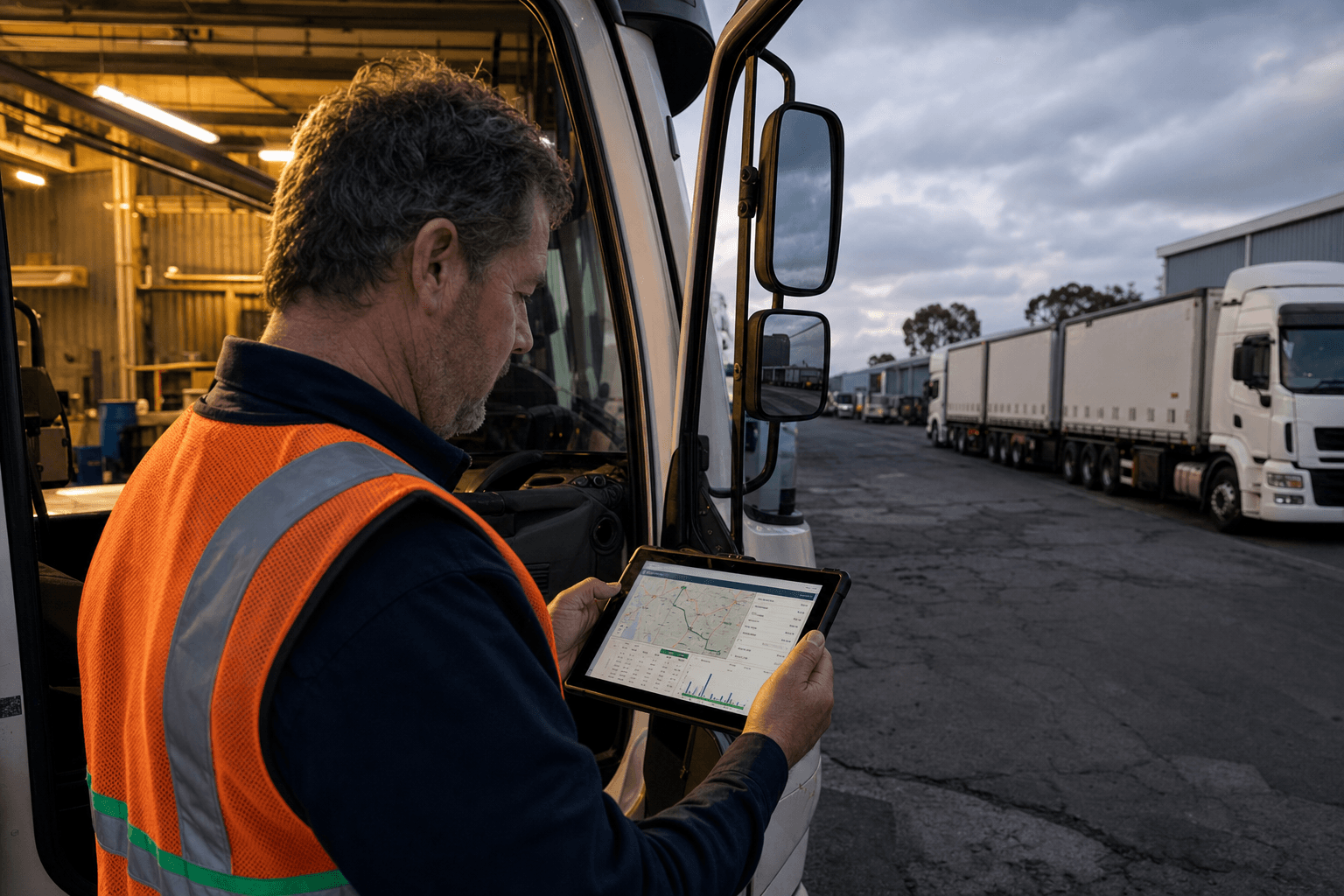
Route optimisation becomes meaningless if drivers don't receive timely updates. AI communication systems monitor your TMS for route changes and immediately notify affected drivers through their preferred channel.
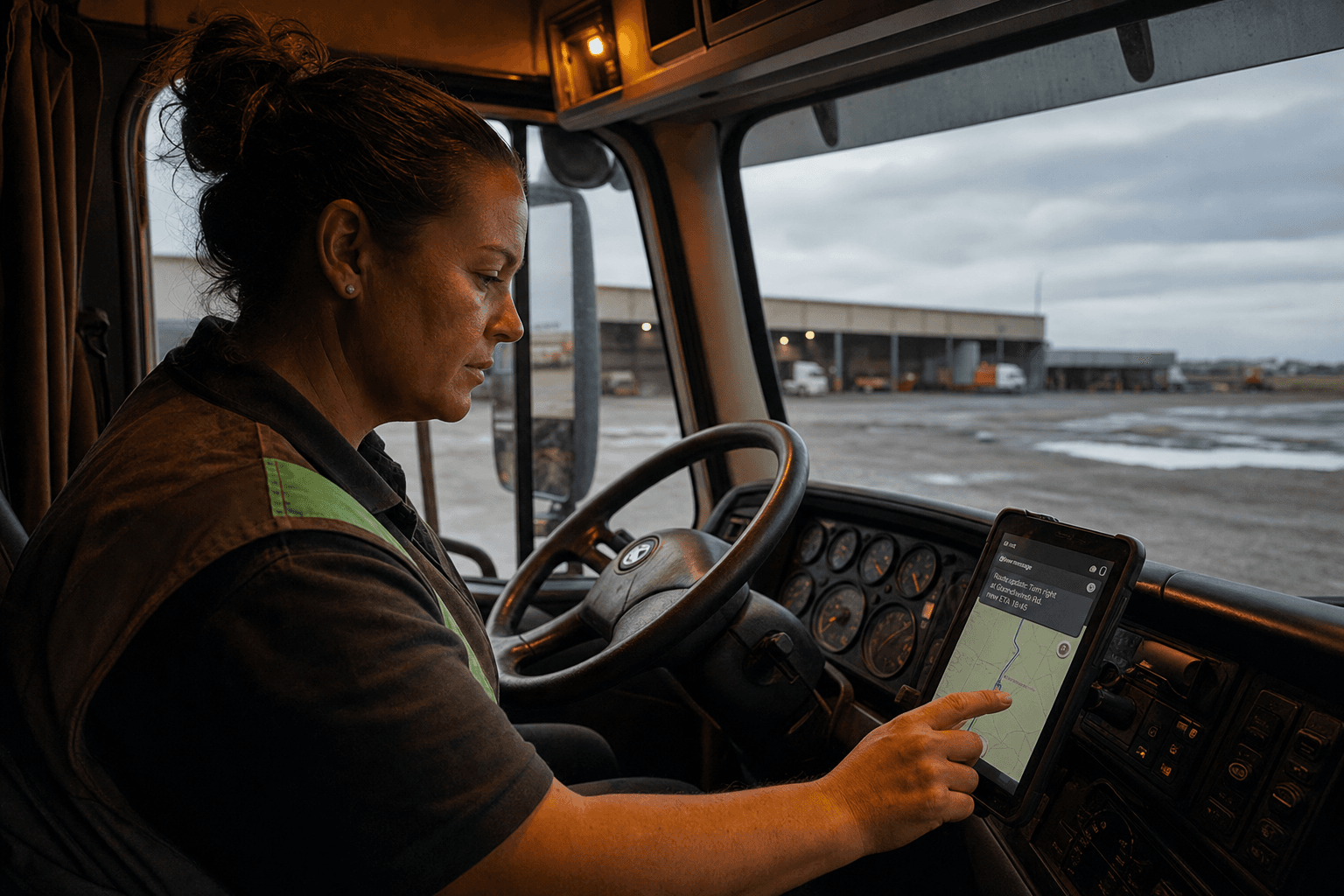
The system sends detailed route information including new pickup/delivery addresses, revised ETAs, and any special instructions. Drivers acknowledge receipt through the app, creating an audit trail that dispatch managers can monitor in real-time.
For urgent changes, the AI escalates through multiple channels—starting with app notifications, progressing to SMS, then voice calls if needed. This ensures critical updates reach drivers even in areas with poor mobile coverage.
Compliance Reminders on Autopilot
Chain of Responsibility compliance requires constant vigilance around driver fatigue, vehicle maintenance, and load documentation. AI systems monitor work time records and automatically send compliance reminders before violations occur.
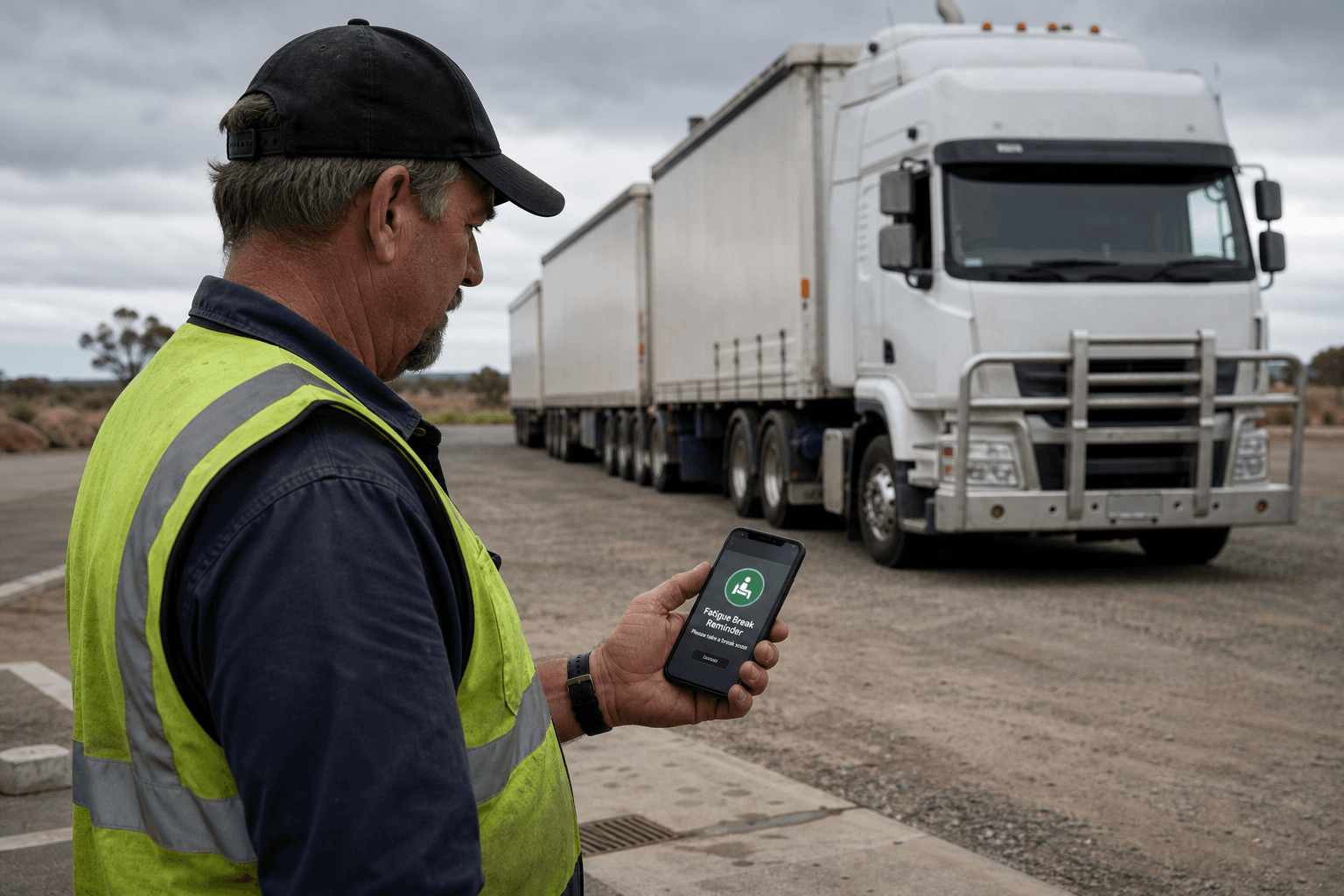
Fatigue Management Automation
The system tracks driving hours against NHVR regulations and sends graduated alerts:
- 30 minutes before break required: Gentle app notification
- 15 minutes before: SMS with rest area locations
- At limit: Voice call with mandatory rest instruction
Compliance managers receive dashboard alerts when drivers approach limits, with automatic incident reports if rules are breached.
Documentation Compliance
AI systems remind drivers about required documentation at critical points:
- Pre-trip vehicle inspection prompts
- Load securement photo requirements
- Temperature logging for cold chain deliveries
- Dangerous goods declaration confirmations
Smart Shift Scheduling and Acceptance
Manual shift scheduling creates confusion and no-shows. AI communication systems send shift notifications with built-in acceptance tracking, reducing scheduling conflicts by 70%.
Drivers receive shift notifications 24-48 hours in advance through their preferred channel. The message includes all relevant details—start time, vehicle assignment, route overview, and special requirements. Drivers confirm acceptance directly through SMS or app response.
For unfilled shifts, the system automatically escalates to available drivers based on proximity, qualifications, and availability preferences. This eliminates the morning scramble to cover no-shows.
Real-Time ETA Updates for Customer Service
Customers expect accurate delivery windows, but manual ETA updates consume valuable dispatch time. AI systems automatically calculate revised ETAs based on real-time traffic, weather, and driver progress data.
When delays occur, the system immediately notifies both customers and internal teams. Customer service receives structured delay notifications with revised delivery windows, while operations managers get summary reports showing impact across all routes.
TMS and Dispatch Integration Points
Successful AI communication requires seamless integration with existing logistics software. Most Australian TMS providers offer API connectivity for real-time data sharing.
Key Integration Requirements
Data synchronisation: Driver profiles, vehicle assignments, route plans, and compliance records must sync bidirectionally between your TMS and the AI communication platform.
Event triggers: The AI system needs access to operational events—route changes, compliance deadlines, vehicle breakdowns, customer requests—to trigger appropriate communications.
Reporting integration: Communication logs, response rates, and compliance tracking should feed back into your primary dispatch dashboard for unified reporting.
Implementation Considerations for Operations Managers
Deploying AI communication systems requires careful change management. Drivers who have worked with manual processes for years need clear training and ongoing support.
Driver Adoption Strategies
Start with voluntary participants who embrace technology. These early adopters become internal champions, demonstrating benefits to skeptical colleagues. Provide multiple communication channels during transition—drivers can still call dispatch while learning the new system.
Measuring Success
Operational metrics: Track dispatch call volume, response times to route changes, and compliance incident rates. Most operations see 60-80% reduction in manual communication within 90 days.
Driver satisfaction: Survey drivers about communication clarity and timeliness. AI systems typically improve satisfaction because drivers receive consistent, timely information.
Customer service impact: Monitor customer complaints about delivery communication and ETAs. Automated systems usually improve customer satisfaction scores by 20-30%.
Modern logistics operations are transforming through strategic communication automation that handles driver dispatching, compliance notifications, and real-time updates without manual intervention. These systems integrate seamlessly with existing fleet management platforms through legacy modernisation approaches that preserve your current workflows while adding intelligent automation capabilities.
Getting Started with AI Driver Communication
Begin with an assessment of your current communication pain points. Document how much time dispatch spends on manual calls, identify compliance gaps, and map integration requirements with your existing TMS.
Most successful implementations start with a pilot group of 5-10 drivers and core features like route change alerts and basic compliance reminders. This allows you to refine processes before rolling out to your entire fleet.
The key is choosing a system designed for Australian logistics operations—one that understands NHVR regulations, integrates with local TMS providers, and provides local support during implementation.
Ready to eliminate manual dispatch calls and improve driver compliance? Let's discuss how AI communication systems can transform your operations while integrating seamlessly with your existing processes.
Ready to eliminate manual driver communication tasks and reduce operational overhead in your logistics operation? Contact our team to discuss how automated communication systems can streamline your daily dispatch processes and improve driver coordination across your fleet.
Zero Footprint
The Zero Footprint team — AI modernisation for Australian logistics.