Building Customer Self-Service Portals for Freight Operations
Customer self-service portals are becoming baseline expectations for Australian freight operators. Here's how AI enhances tracking, document retrieval, quoting, booking, claims and personalisation — and what needs to happen before you build one.
What is a customer self-service portal in freight?
A customer self-service portal is a secure, web-based platform that lets shippers and consignees track shipments, retrieve documents, request quotes, book freight, and lodge claims without calling a customer service line. For Australian carriers and 3PLs, portals have moved from a nice-to-have to a baseline expectation — particularly for customers who already work with digitally mature competitors.
The shift matters because customer expectations have changed. Shippers increasingly ask about EDI capability, real-time tracking, and API access before they'll even shortlist a carrier for tender. Losing a tender due to a technology gap is now a common trigger for logistics operators to invest in customer-facing digital infrastructure.
Why are freight customers demanding self-service now?
Freight customers want self-service because it removes friction from routine interactions — checking where a shipment is, finding a proof of delivery, or getting a quote shouldn't require a phone call and a wait. This expectation has been set by retail and courier experience, and it's now spilling into B2B freight relationships.
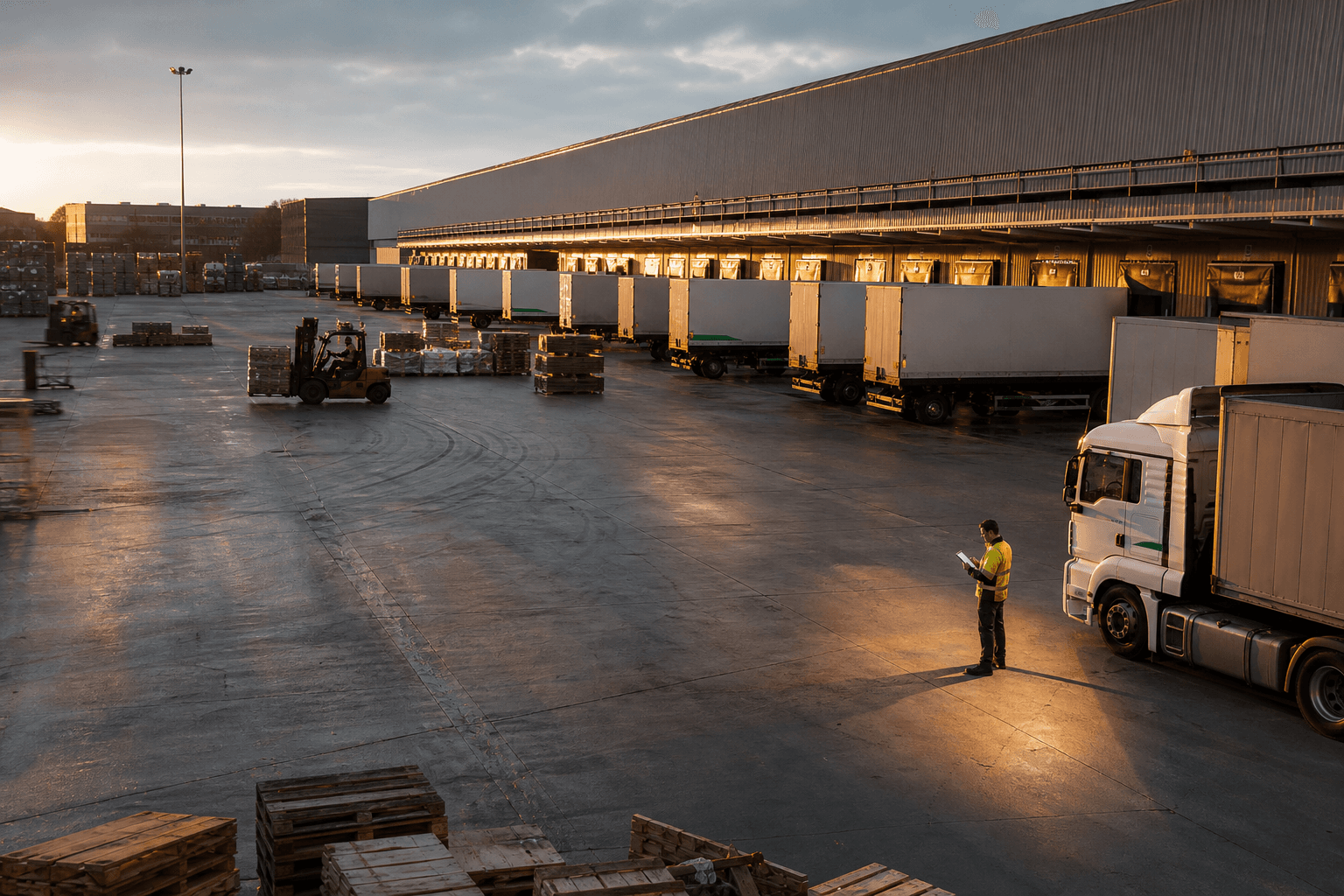
For operations teams, the pressure compounds. Every phone call about "where's my shipment" is time pulled away from dispatch, exception handling, and planning. A well-built portal absorbs that routine query volume, freeing staff for work that actually needs a human.
What core features do freight self-service portals need?
The core features of a freight self-service portal are shipment tracking, document retrieval, rate quoting, booking automation, and claims management. Each addresses a distinct customer touchpoint, and each benefits differently from AI capability layered on top of the base functionality.
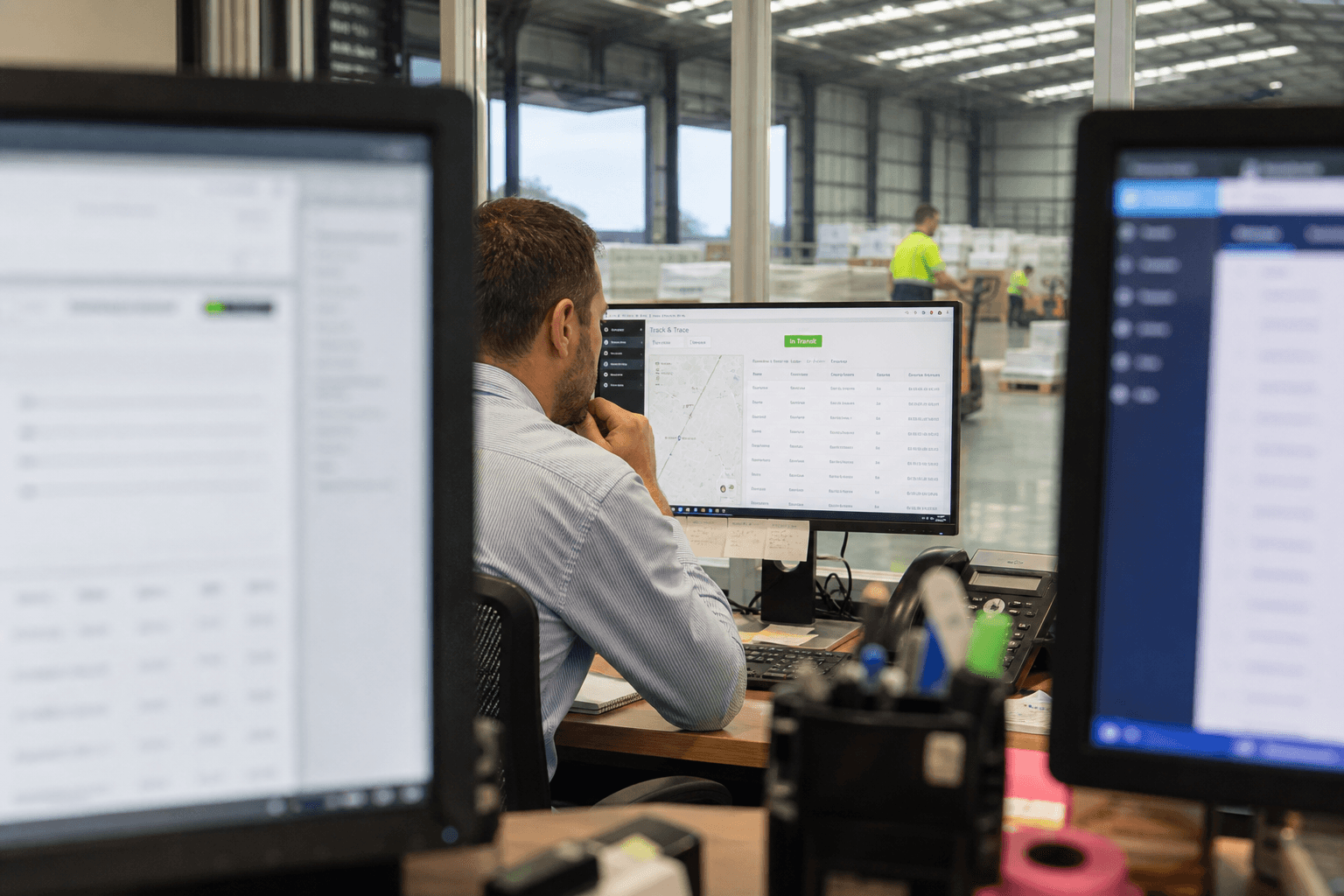
Shipment tracking gives customers real-time or near-real-time visibility into where their freight is, expected arrival, and any exceptions along the way. This is table stakes — the baseline most shippers now assume exists.
Document retrieval lets customers pull proof of delivery, bills of lading, customs paperwork, and invoices on demand, rather than emailing an ops inbox and waiting for someone to dig through a filing system or shared drive.
Rate quoting allows customers to get indicative or firm pricing for a lane without waiting on a sales rep, particularly valuable for repeat shippers with predictable freight patterns.
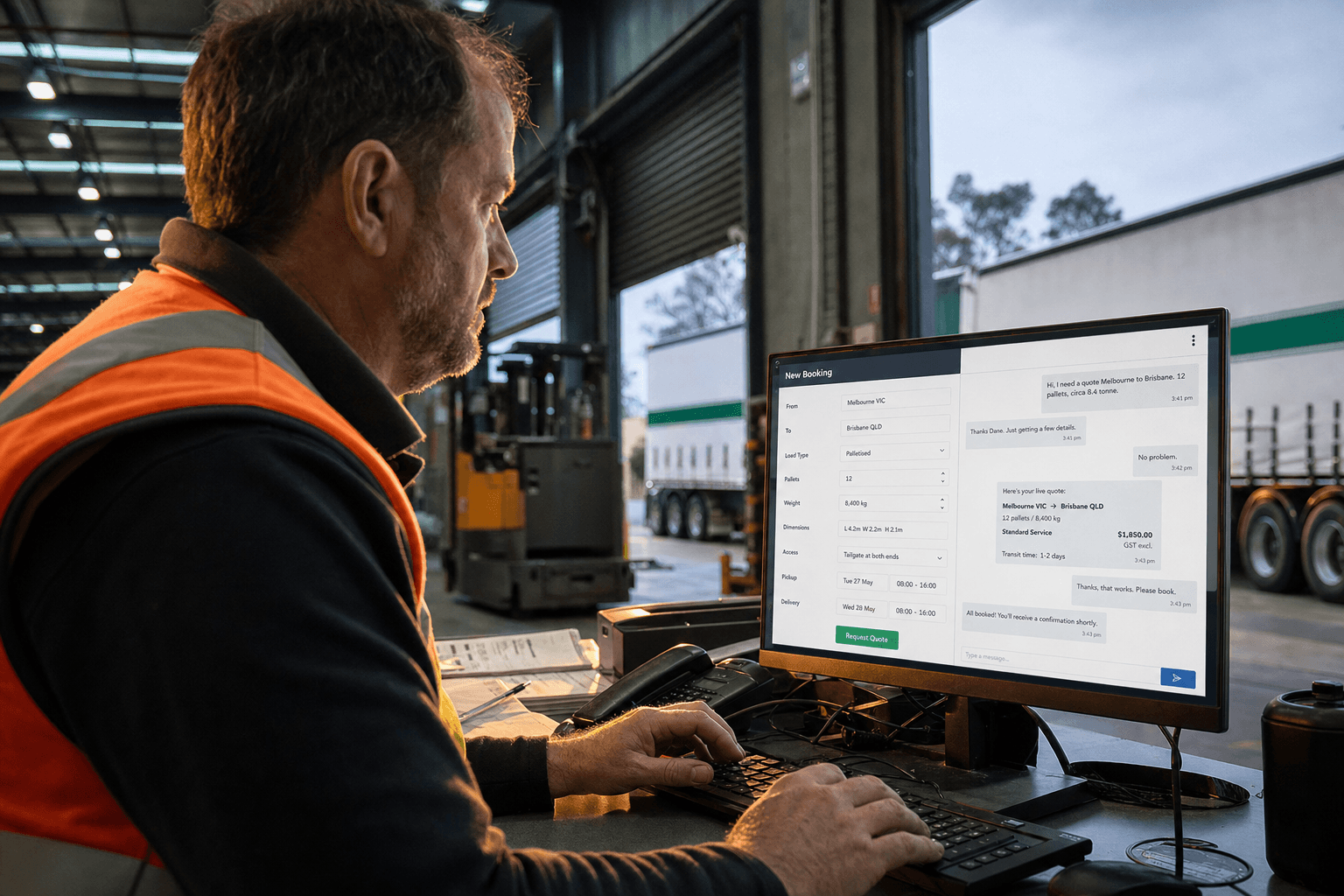
Booking automation turns a quote into a confirmed job — capturing pickup details, special handling instructions, and dock scheduling — without manual re-keying into a TMS.
Claims management gives customers a structured way to lodge and track cargo damage or loss claims, with visibility into status rather than chasing updates by phone.
How does AI enhance each of these portal features?
AI enhances self-service portals by adding prediction, extraction, and reasoning capability on top of the raw data these systems already hold — turning a static status page into something that can anticipate problems and answer questions in plain language. This is where portals move from "digital filing cabinet" to genuinely useful tool.
On tracking, AI models can flag shipments at risk of delay based on patterns in transit time, weather, or congestion data, so customers see a proactive alert rather than discovering a problem when the delivery doesn't arrive. On documents, document intelligence techniques — the automated extraction of structured data from PDFs, scanned BOLs, and customs paperwork — let a portal surface the right document instantly, even when it was filed inconsistently or arrived as an unstructured scan. Document intelligence is the use of machine learning to read, classify, and extract data from freight paperwork automatically, reducing reliance on manual re-keying or filing conventions.
On quoting, AI can incorporate historical lane performance and current capacity into a rate suggestion, rather than relying on a flat rate card. On booking, natural language interfaces can let a customer describe a shipment in plain terms and have the system populate the booking fields correctly. On claims, AI can pre-triage a claim by comparing photos, delivery scans, and exception notes against the original booking, giving the ops team a head start rather than starting from a blank case file.
How does personalisation based on customer behaviour work?
Personalisation means the portal adapts what it surfaces based on how each customer actually uses it — a high-frequency shipper on one lane sees quick-rebook options for that lane, while an occasional shipper sees a fuller quoting flow. This isn't about gimmicks; it's about reducing clicks for the behaviour patterns that already exist in the data.
Over time, behavioural data can also inform which customers are candidates for API integration versus portal-only use, and which are showing early signs of switching risk based on declining booking frequency or repeated support escalations — useful signals for account management, not just the portal itself.
What's the technical foundation needed before building a portal?
A self-service portal is only as good as the systems feeding it, and most legacy freight operators aren't there yet. Portals depend on transport management, warehouse management, ERP, and customer-facing systems being connected so data flows without manual re-entry, along with automated EDI integration with customers, carriers, and suppliers.
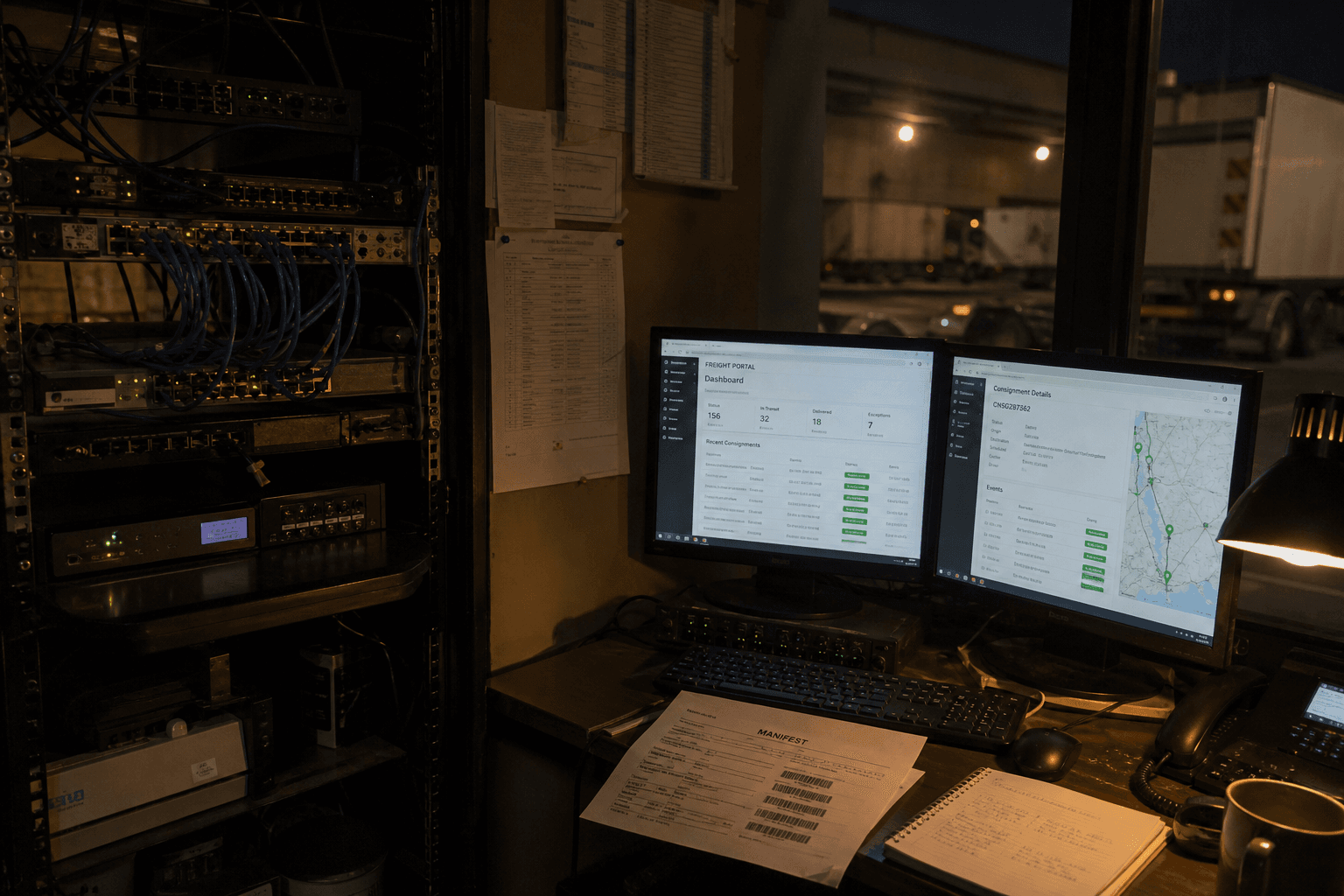
Without that integration layer, a portal becomes another manual data-entry point rather than a genuine efficiency gain — staff end up updating the portal by hand, which defeats the purpose. This is the unglamorous but essential groundwork of digital transformation for logistics businesses, and it's usually where an honest technology assessment needs to start.
Traditional portals vs AI-enhanced portals
| Capability | Traditional portal | AI-enhanced portal |
|---|---|---|
| Shipment tracking | Status updates at fixed checkpoints | Proactive delay alerts based on pattern analysis |
| Document retrieval | Manual upload, folder-based search | Automated extraction and instant retrieval |
| Rate quoting | Static rate card lookup | Context-aware quote incorporating lane history |
| Booking | Form-based manual entry | Natural language input, auto-populated fields |
| Claims | Manual form submission and email follow-up | Pre-triaged claims with supporting evidence matched automatically |
| Personalisation | Same interface for every user | Interface adapts to individual usage patterns |
These are qualitative differences based on capability, not guaranteed outcomes — the actual improvement any operator sees depends heavily on data quality and how well the underlying systems are integrated.
How should mid-market freight operators approach building one?
Most mid-market carriers and 3PLs shouldn't start by building a portal — they should start by understanding what their systems and data can actually support. A rushed portal build on top of fragmented TMS, WMS, and spreadsheet-based processes tends to disappoint customers rather than impress them.
A structured AI readiness assessment typically maps existing systems, data quality, and integration gaps before any portal design work begins — identifying whether the priority is EDI connectivity, document digitisation, or a phased rollout starting with tracking before adding quoting and claims. For operators also weighing route planning improvements alongside customer-facing tools, route optimisation is often a complementary investment that feeds richer, more accurate ETAs back into the same portal.
You can read more on related topics over at our insights.
Get started
If you're exploring what a customer self-service portal could look like for your freight or 3PL operation — and whether your current systems are ready for one — we can help. We start with an honest assessment of what your data and systems can support before recommending what to build.
Zero Footprint
The Zero Footprint team — AI modernisation for Australian logistics.