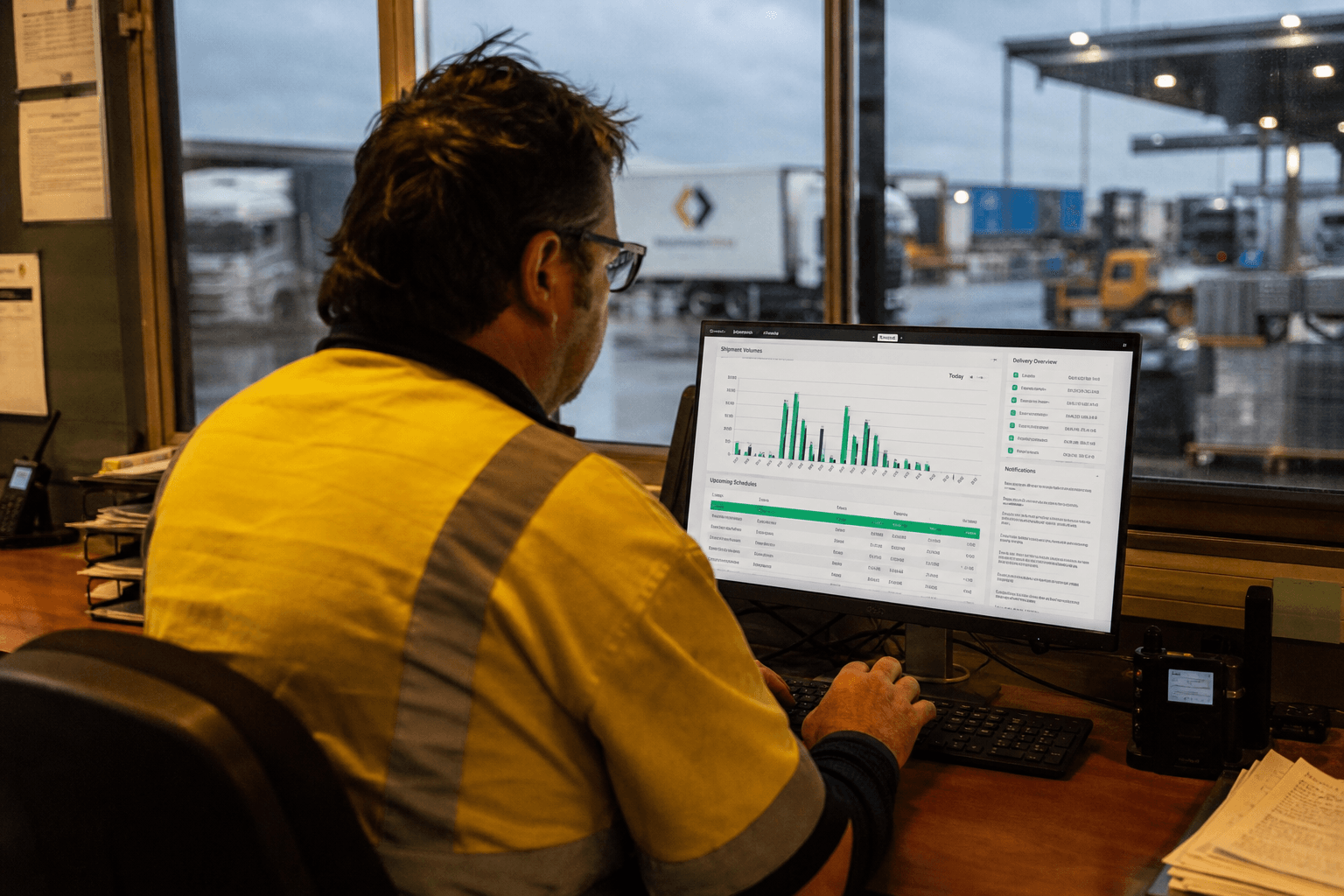
Demand-Driven Slotting: Using AI to Optimise Warehouse Storage
Demand-driven slotting uses AI to continuously optimise product placement based on real demand patterns, velocity data, and seasonal trends. This approach moves beyond static ABC analysis to create dynamic storage strategies that reduce pick times and maximise warehouse throughput.
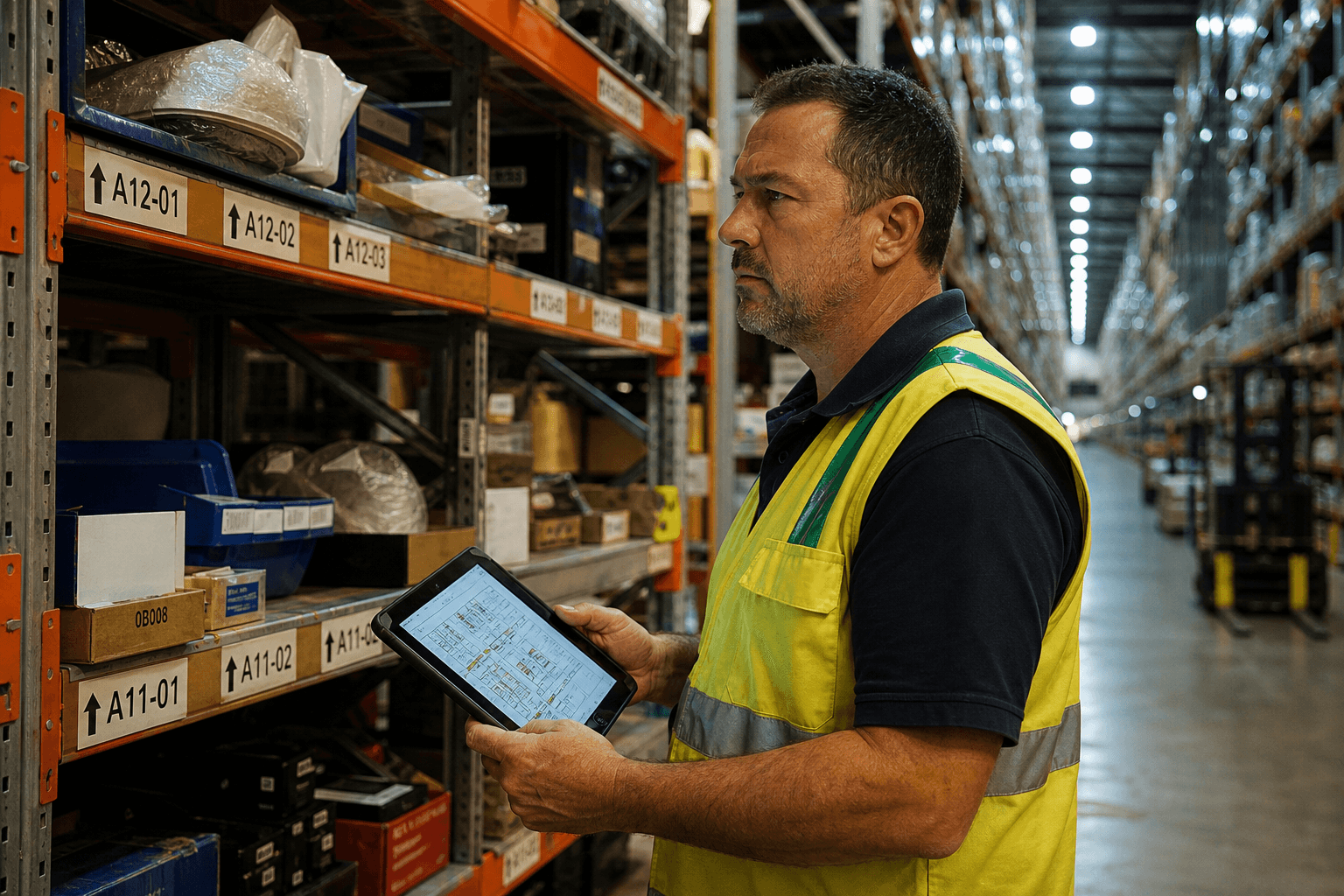
Demand-Driven Slotting: Using AI to Optimise Warehouse Storage
Demand-driven slotting uses AI to continuously optimise product placement based on real demand patterns, velocity data, and seasonal trends. This approach moves beyond static ABC analysis to create dynamic storage strategies that reduce pick times, improve ergonomics, and maximise warehouse throughput.
Traditional slotting relies on historical averages and manual adjustments. Demand-driven slotting leverages AI to predict where products should be placed based on forecasted demand, order patterns, and operational constraints. The result is faster picks, reduced travel time, and better space utilisation.
How AI Transforms Warehouse Slotting Decisions
AI-powered slotting systems analyse multiple data streams simultaneously — order history, seasonal patterns, supplier lead times, and current inventory levels. Unlike manual methods that update quarterly or annually, AI continuously recalculates optimal placement as demand patterns shift.
The system considers factors human planners might miss: which products are frequently ordered together, how seasonal demand affects pick zones, and whether high-velocity items are creating bottlenecks in narrow aisles. This comprehensive analysis drives placement decisions that optimise both individual picks and overall warehouse flow.
Velocity-Based Placement with Predictive Analytics
Velocity-based placement positions fast-moving items in easily accessible locations. AI enhances this by predicting future velocity rather than relying solely on historical data.
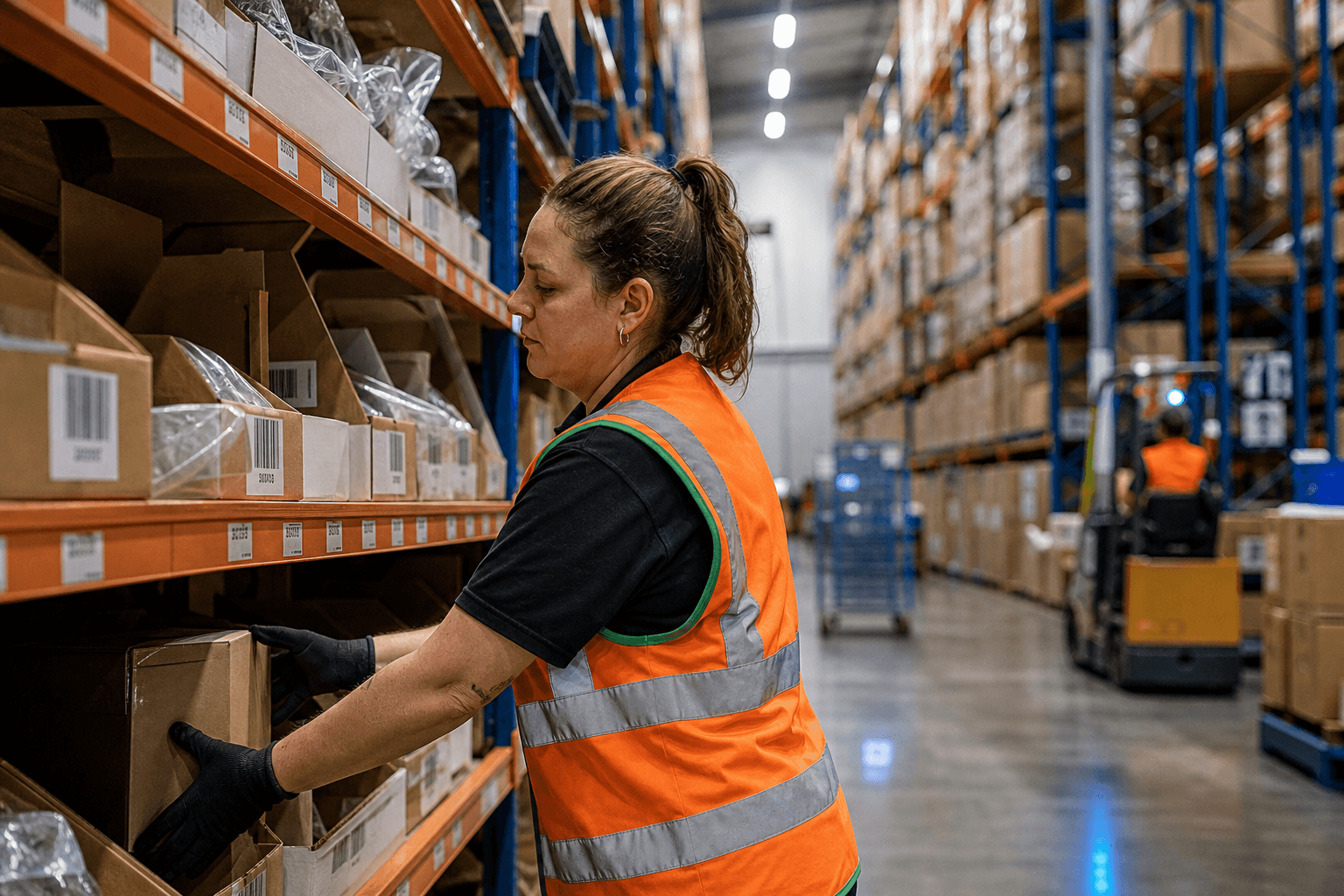
The system analyses order patterns, promotional calendars, and market trends to forecast which SKUs will become high-velocity items. Products approaching peak demand get moved to prime locations before the surge hits. Conversely, items with declining velocity are repositioned to make room for emerging fast-movers.
This predictive approach prevents the lag time typical of traditional ABC analysis, where products remain in suboptimal locations until the next quarterly review.
Seasonal Adjustment and Dynamic Reallocation
Seasonal demand creates significant challenges for warehouse operations. AI addresses this by continuously monitoring demand patterns and adjusting slot assignments as seasons change.
The system identifies seasonal patterns at the SKU level — not just category-wide trends. It recognises that some summer products peak in October (outdoor entertaining supplies) while others peak in February (air conditioning parts). This granular understanding drives precise timing for slot reassignments.
Dynamic reallocation occurs automatically based on demand forecasts. As summer approaches, pool chemicals move from back zones to pick faces. Winter clothing gets repositioned to lower-velocity areas as demand declines. This prevents seasonal bottlenecks and maintains consistent pick productivity year-round.
SKU Affinity Analysis for Zone Optimisation
SKU affinity analysis identifies products frequently ordered together and positions them in proximity to reduce pick path length. AI examines order patterns to detect these relationships beyond obvious product families.
The system might discover that a specific bolt size is often ordered with three different electrical components, or that certain spare parts frequently appear together despite being in different product categories. These insights drive zone assignments that reduce picker travel time.
Affinity analysis also considers order timing patterns. Products ordered together during busy periods get prioritised for close placement, while items that rarely coincide in peak-hour orders can be separated without impacting efficiency.
Ergonomic Constraints and Worker Safety Integration
Demand-driven slotting systems incorporate ergonomic constraints to protect workers while maintaining efficiency. AI balances demand-based placement with weight limits, reach requirements, and repetitive motion considerations.

Heavy items get assigned to optimal height zones — typically between knee and chest level — regardless of velocity. High-frequency picks are distributed across multiple zones to prevent repetitive strain injuries. The system also considers pick equipment constraints, ensuring high-velocity items remain accessible to reach trucks and order pickers.
Worker safety metrics integrate with slotting decisions. If injury data shows strain injuries in specific zones, the AI adjusts placement parameters to reduce repetitive motions in those areas while maintaining overall efficiency.
Integration with WMS Systems and Implementation
Successful demand-driven slotting requires seamless integration with existing warehouse management systems. The AI layer connects to WMS data feeds, pulling order history, inventory levels, and transaction records in real-time.
Implementation typically begins with data analysis to establish baseline patterns and identify improvement opportunities. The system then generates initial slotting recommendations, which get validated against current operations before deployment.
Ongoing integration involves automated slot change notifications to WMS systems, ensuring pick path updates and inventory location tracking remain synchronised. Most implementations include approval workflows, allowing warehouse managers to review major changes before execution.
Measuring Success and Continuous Improvement
Demand-driven slotting success is measured through pick productivity, travel time reduction, and inventory accuracy metrics. AI systems continuously monitor these KPIs and adjust algorithms accordingly.
Typical measurement frameworks include picks per hour, average travel distance per order, and slot change frequency. The system learns from performance data, refining placement algorithms based on actual results rather than theoretical models.
Continuous improvement occurs through machine learning feedback loops. As the system observes which placement decisions improve performance, it adjusts future recommendations to replicate successful patterns.
Implementation Considerations for Australian Warehouses
Australian warehouses face unique challenges including seasonal demand patterns that differ from Northern Hemisphere suppliers, extended supply chains affecting lead times, and diverse product mixes serving both urban and regional markets.
Demand-driven slotting systems must account for these factors when making placement decisions. Local seasonal patterns, supplier location impacts on replenishment timing, and regional demand variations all influence optimal slot assignments.
Successful implementation requires understanding how global demand patterns translate to Australian operations, ensuring the AI system receives training data that reflects local market conditions.
Warehouse slotting optimisation represents a significant opportunity for Australian logistics operators to improve efficiency while reducing operational costs. If you're exploring how AI can transform your warehouse operations, we can help assess your current slotting practices and identify improvement opportunities. Get in touch to discuss your specific requirements and learn more about our AI readiness assessment for warehouse operations.
Zero Footprint
The Zero Footprint team — AI modernisation for Australian logistics.