HVNL Reform Readiness: What It Means for AI Compliance
HVNL reform is shifting Heavy Vehicle National Law toward risk-based, data-intensive compliance. Here's what that means for operators still relying on spreadsheets and paper records, and how AI-assisted document intelligence can close the gap.
What Is HVNL Reform and Why Should Operators Care Now?
HVNL reform refers to the National Transport Commission's (NTC) ongoing program to modernise the Heavy Vehicle National Law, shifting it from a prescriptive, one-size-fits-all framework toward a more flexible, risk-based and technology-enabled compliance model. For operators, the practical impact is that record-keeping, reporting and evidence obligations are likely to look different — and in many cases, more data-intensive — than they do today.
The NTC has been consulting on reform tranches for several years, with industry feedback consistently pointing toward digital record-keeping, better data sharing between regulators and operators, and outcomes-based compliance rather than box-ticking. Details of implementation timing and specific clauses are still being finalised through the NTC's public consultation process (ntc.gov.au), so operators should treat this as a direction of travel rather than a fixed rulebook — but the direction is clear enough to start preparing.
For Australian carriers and 3PLs already juggling AASB S2 and Scope 3 emissions reporting obligations, this is another compliance workstream landing on the same desk. The common thread across all of it is data: who holds it, how it's captured, and whether it can be produced on demand in a form a regulator or auditor will accept.
How Is HVNL Reform Different From Current Chain of Responsibility Obligations?
Current chain of responsibility (CoR) and fatigue management rules are largely prescriptive — they tell you what records to keep and how often. Reform proposals being discussed shift emphasis toward demonstrating that your systems and processes actually manage risk, which means regulators may expect richer, more contextual evidence rather than a checklist of forms.
That's a meaningful distinction. Under a prescriptive regime, a spreadsheet or paper logbook can technically satisfy the letter of the law. Under an outcomes-based model, you need to show patterns over time — that fatigue risk is being actively managed, that vehicle standards are consistently met, that load and scheduling decisions reflect genuine safety management, not just after-the-fact paperwork. This is a different bar, and it's one that manual processes struggle to clear at scale.
For operators already running tight margins on road freight and distribution work, this isn't an abstract legal question. It's an operational one: can your current systems actually produce the evidence a reformed HVNL will expect, or are you relying on someone's memory and a filing cabinet?
Why Does Manual Record-Keeping Create Risk Under a Reformed HVNL?
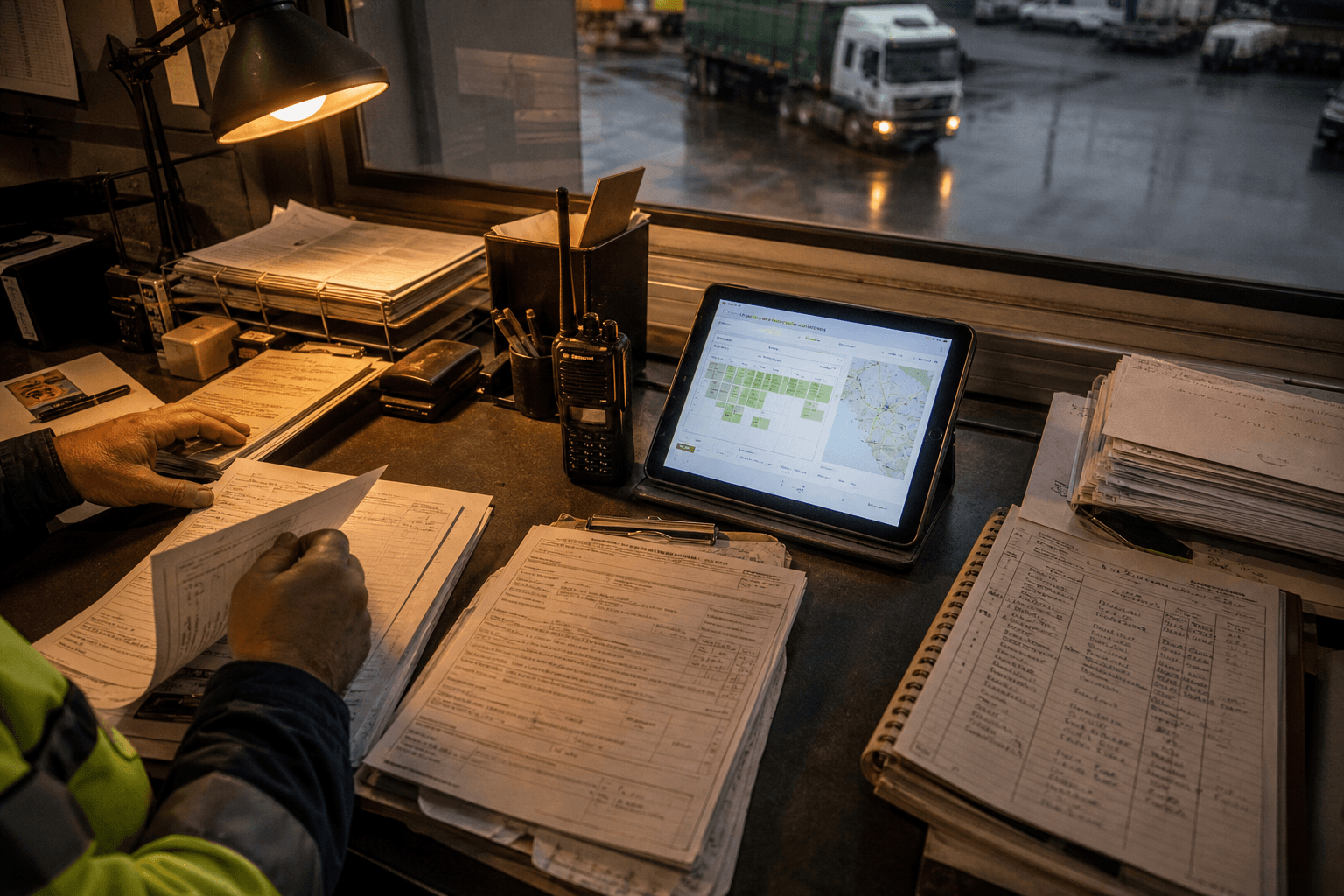
Manual record-keeping creates risk because it's slow to aggregate, prone to gaps, and hard to interrogate when a regulator or auditor asks for a defensible narrative of how risk was managed over months or years. Spreadsheets and email trails were never designed to answer questions like "show us the pattern of fatigue management decisions across this driver over the last six months" or "demonstrate that load restraint checks were consistently applied across this depot." They can store the data, but pulling a coherent, time-stamped, auditable story out of scattered files under time pressure is where most operators run into trouble.
This matters because the cost of a gap isn't just a fine. It's the time spent reconstructing records during an investigation, the reputational exposure with customers who are increasingly asking about digital capability as part of tender requirements, and the risk of losing contracts to competitors who can already produce clean, structured compliance data on request.
Industry benchmarks consistently point to document-heavy, paper-based processes as a drag on both compliance confidence and day-to-day throughput — not because the people running them are careless, but because the tools weren't built for the volume or the scrutiny now expected.
What Should Operators Do to Prepare for HVNL Reform?
You don't need to overhaul your entire tech stack before the NTC finalises reform details. What you do need is an honest picture of where your current record-keeping would hold up under scrutiny, and where it wouldn't.
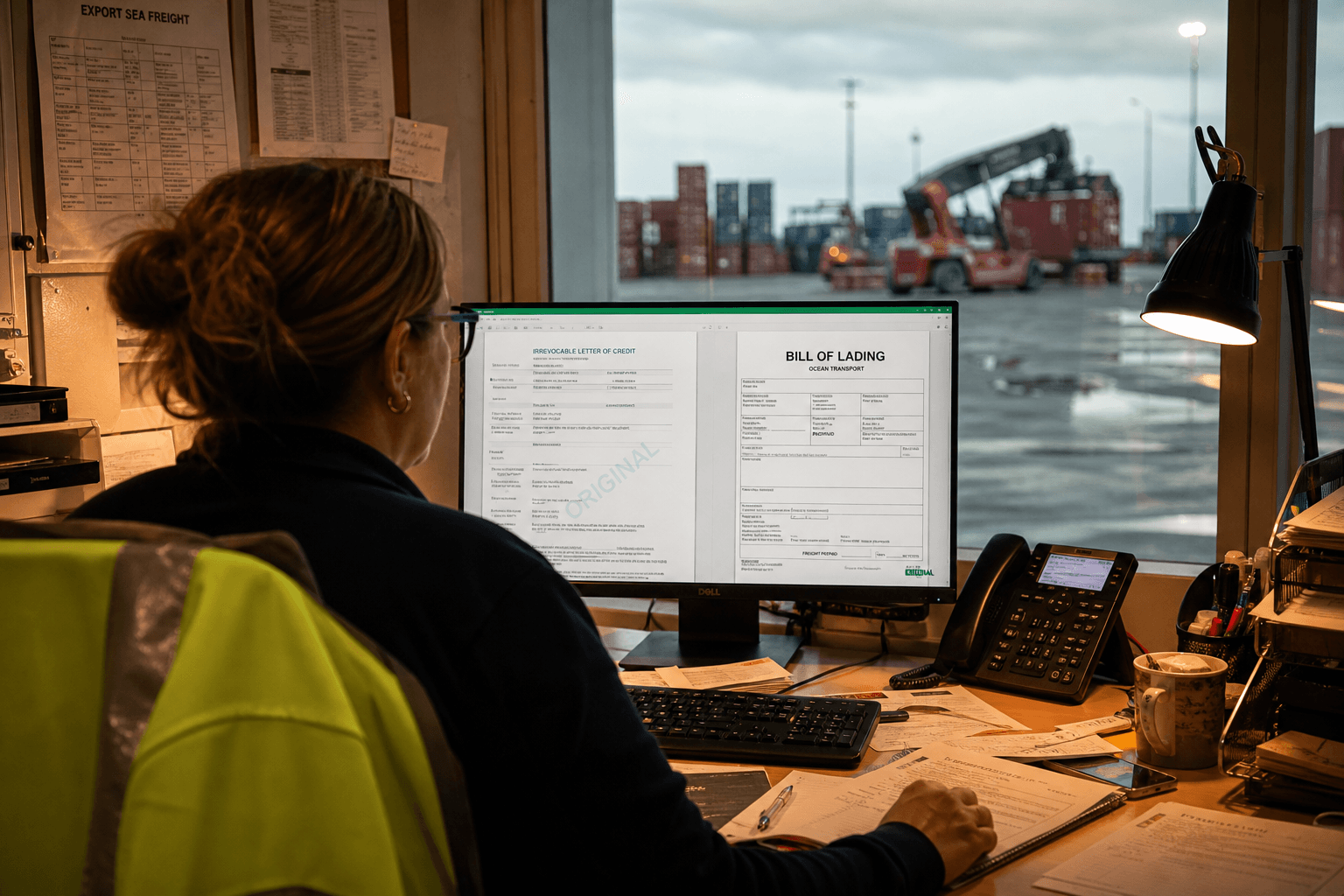
A practical starting point is auditing where fatigue, maintenance, load and scheduling data actually lives today — how much of it sits in disconnected spreadsheets, driver text messages, paper BOLs or legacy TMS modules that weren't designed to talk to each other. Legacy system modernisation in logistics doesn't have to mean ripping out your TMS. Often it means layering structured data capture and document intelligence on top of what you already run, so records that used to live in filing cabinets or inboxes become searchable, time-stamped and ready to produce on demand.
This is where AI in logistics earns its keep in a way that's genuinely practical rather than hype-driven. Document intelligence tools can extract and structure data from existing paper BOLs, maintenance logs and driver records without forcing a full platform replacement. The goal isn't a flashy dashboard — it's being able to answer a regulator's question in minutes instead of days, and having confidence in the answer because the underlying data trail is consistent.
If your business is also working through emissions reporting obligations under AASB S2, there's a natural overlap worth exploiting: the same disciplined approach to data capture, audit trails and evidence that supports HVNL compliance will also make Scope 3 emissions reporting more defensible. Building this capability once, rather than bolting on separate systems for each compliance regime, is generally the more sustainable path for mid-market carriers and 3PLs.
It's also worth looking at where compliance-driven data improvements create operational upside elsewhere — better fatigue and scheduling data often feeds directly into route optimisation and fleet utilisation decisions, turning a compliance cost centre into something that also improves on-time performance.
Getting Ready Without Overreacting
HVNL reform isn't finalised, and operators shouldn't make drastic, expensive changes based on speculation about clauses that haven't been confirmed. But the direction — more data, more scrutiny, less tolerance for manual gaps — is consistent enough across NTC consultation materials that waiting until the law changes is a risky strategy. The operators who'll handle this transition comfortably are the ones already tightening up their record-keeping and data capability now, for reasons that make sense regardless of the final reform text: fewer compliance headaches, stronger tender responses, and less time lost to manual admin.
If you're not sure how exposed your current processes are, an ai readiness assessment is a practical way to find out before reform timing is locked in. We also work with operators on emissions reporting and route optimisation where compliance data and operational efficiency overlap. For more on how AI applies to Australian logistics operations specifically, browse more insights on our blog.
If you'd like to talk through what HVNL reform readiness looks like for your business, get in touch — we're happy to help.
Zero Footprint
The Zero Footprint team — AI modernisation for Australian logistics.