Melbourne's Logistics AI Corridor: Tech Meets Freight Capital
Melbourne is the natural hub for logistics AI in Australia. Port of Melbourne, $1.8B in infrastructure investment, two major industry conferences, and government grants for innovation.
Why Melbourne
Melbourne is Australia's freight capital. Not by marketing — by geography, infrastructure, and volume.
Port of Melbourne handles more container trade than any other Australian port. 87% of its import containers travel less than 50 kilometres from the port — meaning the entire supply chain, from port to warehouse to last-mile delivery, is concentrated within a single metro area.
This concentration creates a unique environment for logistics technology. The operators, the infrastructure, the data, and the problems are all within driving distance.
The Western Logistics Corridor
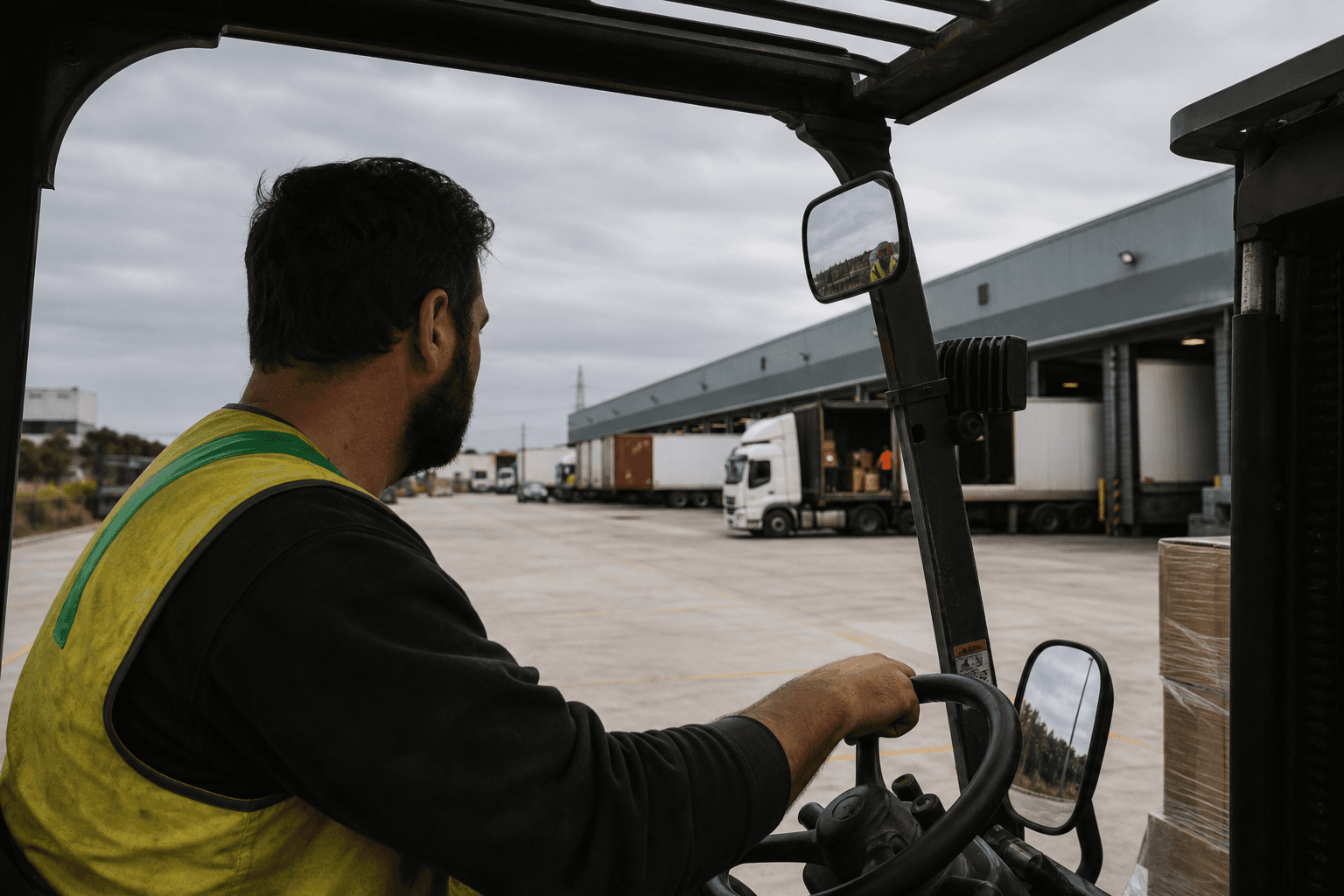
Melbourne's western suburbs — Truganina, Derrimut, Laverton, Altona — host the highest density of distribution centres in Victoria. This corridor is the physical heart of Victorian logistics:
- $36 billion Victorian freight sector
- Highest concentration of 3PL warehousing in the state
- Major distribution centres for national retail, FMCG, and e-commerce
- Direct access to port, rail, and interstate road freight corridors
For operators in this corridor, technology adoption isn't theoretical — it's a response to daily operational pressure: labour availability, traffic congestion, customer delivery expectations, and increasingly, emissions reporting requirements.
$1.8 Billion in Infrastructure Investment
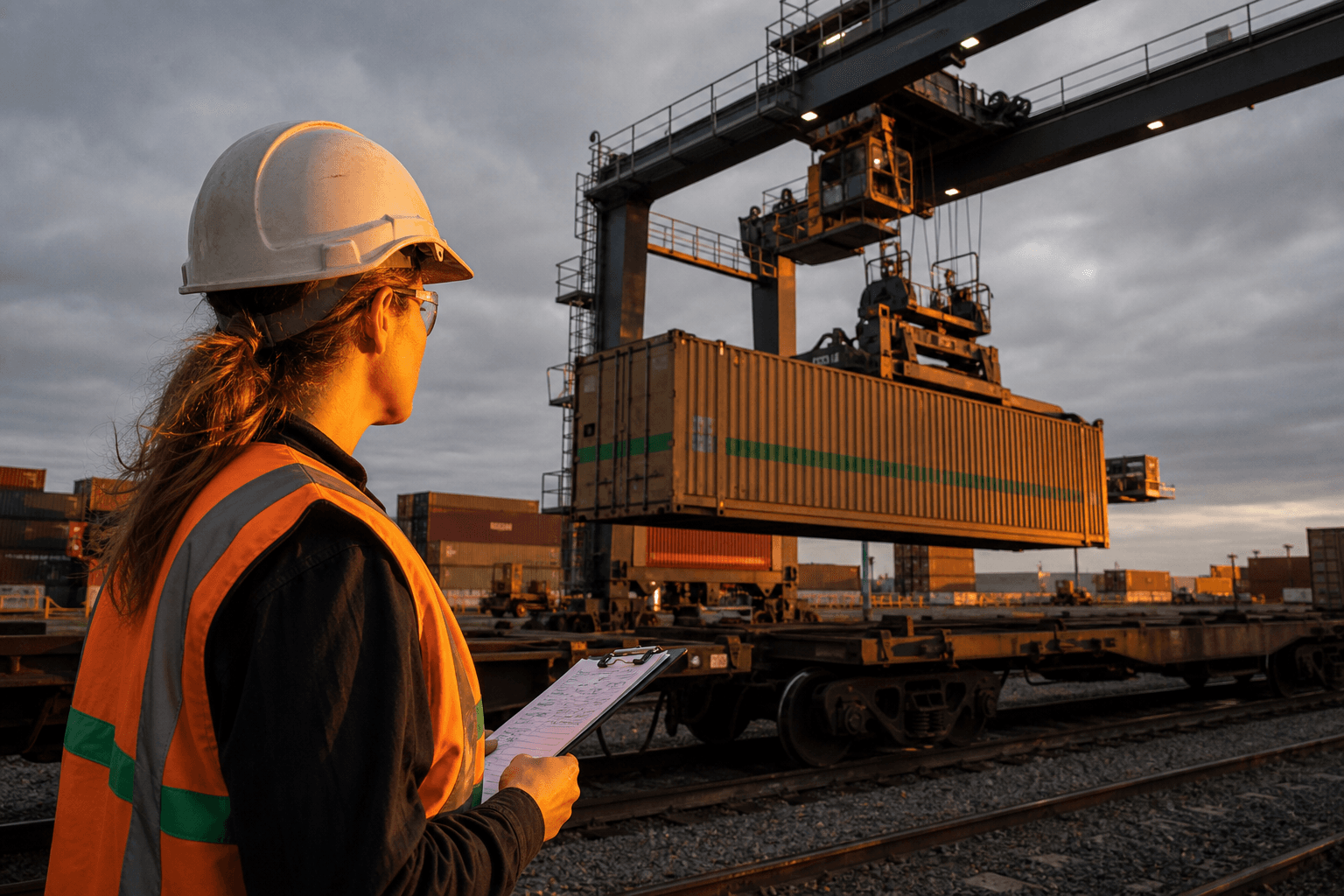
Melbourne's logistics infrastructure is being transformed by a pipeline of major projects:
| Project | Investment | What It Does |
|---|---|---|
| Port Rail Transformation | $125M | Shifts containers from road to rail at East Swanson Dock |
| Western Interstate Freight Terminal (WIFT) | $740M | New intermodal hub in Truganina connecting road and rail |
| OMR Rail South | $920M | Rail link connecting WIFT to the national network |
| Victorian Freight Sector Innovation Fund | $8M | Grants for low-emission tech and digital tools for logistics SMEs |
| Port of Melbourne 2055 Strategy | Long-term | 30-year infrastructure and technology roadmap |
Total committed investment: over $1.8 billion.
This infrastructure modernisation creates a pull effect for technology. Operators connecting to new intermodal terminals, rail corridors, and port systems need digital capability to match. Paper-based processes and legacy TMS platforms won't integrate with modern freight infrastructure.
2026 Industry Events
Melbourne hosts two major logistics industry events in 2026, both with AI and automation as key themes:
CeMAT Australia
June 23-25, Melbourne Convention & Exhibition Centre Focus: Intralogistics, robotics, warehouse automation, supply chain technology. CeMAT is where warehouse operators and 3PLs see new technology in action.
MEGATRANS
September 16-17, Melbourne Convention & Exhibition Centre Focus: Australia's largest integrated logistics event. AI, automation, emissions, and digital transformation are headline themes for 2026. MEGATRANS is where the industry's decision-makers gather.
Both events represent opportunities for logistics operators to see what's possible and for technology providers to demonstrate real-world applications.
Government Grants and Incentives
Multiple funding programs are available for Australian logistics operators investing in technology:
| Program | Funding | What It Supports |
|---|---|---|
| AI Adopt Program | $3-5M per grant | SME AI adoption — covers implementation costs |
| CRC-P Round 19 | Up to $3M | AI-focused industry research and development projects |
| Victorian Freight Sector Innovation Fund | $8M total | Low-emission technology and digital tools for Victorian logistics |
These programs can offset 30-50% of AI implementation costs for eligible operators. The AI Adopt Program specifically targets SMEs that need external partners to implement AI — the exact profile of a mid-market logistics operator working with a consultancy.
What We're Seeing on the Ground
Working with logistics operators across Melbourne, several trends are clear:
Emissions is the conversation starter. AASB S2 compliance is driving more initial inquiries than any other topic. Operators who weren't thinking about technology six months ago are now asking about automated emissions tracking because their customers are asking them.
Integration beats innovation. Most operators don't need cutting-edge AI. They need their existing systems to talk to each other. The highest-value first project is usually connecting the TMS to the WMS, not building a machine learning model.
Speed matters more than perfection. Operators facing contract deadlines or compliance timelines can't wait for a perfect solution. They need something working in weeks, not months. The operators who move fast and iterate are outperforming those who plan extensively and build slowly.
The mid-market is waking up. Two years ago, mid-market operators viewed AI as something for large enterprises. Today, they're seeing competitors win contracts with capabilities they can't match. The urgency is real and growing.
Melbourne's concentrated supply chain creates clear opportunities for AI implementation. From route optimisation that leverages the metro area's short freight distances to document intelligence systems that streamline port-to-warehouse operations, the technology applications are immediate and measurable. Companies looking to modernise their logistics operations can start with an AI readiness assessment to identify the highest-impact opportunities within their existing infrastructure.
Why This Matters
Melbourne's combination of concentrated logistics operations, major infrastructure investment, industry events, and government funding creates a unique window for technology adoption.
Operators who invest now benefit from:
- Grant funding that reduces implementation cost by 30-50%
- Infrastructure modernisation that demands digital capability
- Customer pressure that makes technology a commercial necessity
- Geographic concentration that makes on-site engagement practical
The window won't last forever. As more operators adopt technology, the competitive advantage shifts from "having it" to "having had it longer." The data, the models, and the operational improvements compound over time.
Zero Footprint
The Zero Footprint team — AI modernisation for Australian logistics.