Multilingual AI Tools for Warehouse and Driver Workforces
AI voice and chat tools can deliver safety briefings and shift instructions in multiple languages for warehouse and driver teams — a distinct problem from document translation. Here's a practical, no-hype look at how it works and what to check before adopting it.
What Is Multilingual AI Communication, and Why Does It Matter in Logistics?
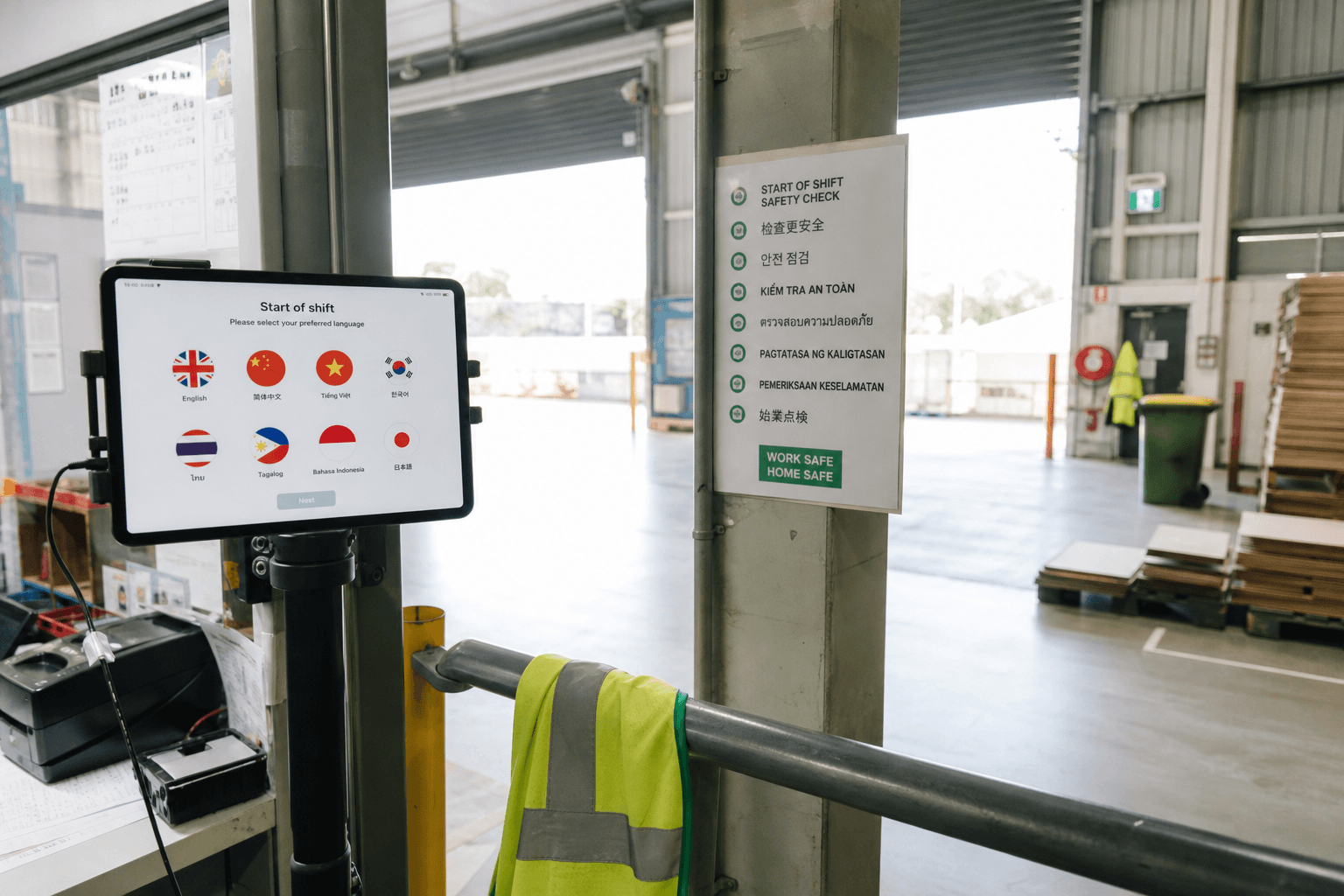
Multilingual AI communication tools use voice and chat technology to deliver safety briefings, onboarding material, and shift instructions in a worker's preferred language, in real time. For warehouses and driver fleets with diverse language backgrounds, this is distinct from document translation — it's about live, spoken or conversational instruction delivery, not converting a PDF from English to Vietnamese.
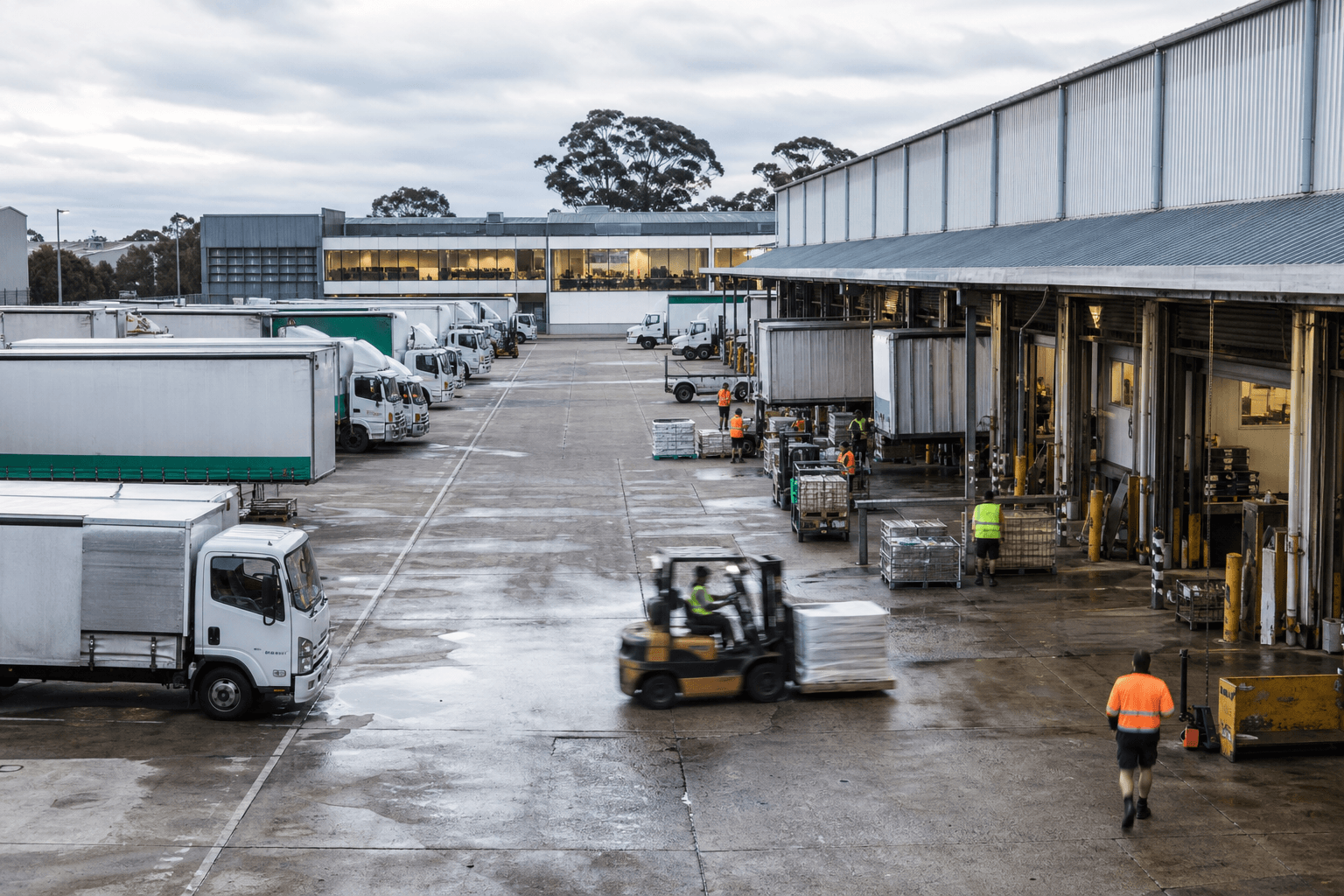
Australian warehousing, road freight, and 3PL operators routinely employ staff from non-English-speaking backgrounds, particularly in Melbourne, Western Sydney, and South East Queensland distribution hubs. Safe Work Australia's model Work Health and Safety laws require that safety information be understood by the people receiving it — not simply provided. If a forklift operator or driver can't follow a safety briefing in the language it's delivered in, the legal obligation to communicate clearly hasn't been met, regardless of whether a translated document exists somewhere in a folder.
How Is This Different From Document Translation?
Document translation converts static, written material — SOPs, induction packs, compliance forms — from one language to another, typically as a one-off or periodic task. Multilingual AI communication, by contrast, handles live or near-live spoken interaction: a dispatcher relaying a last-minute route change, a shift supervisor running a toolbox talk, or a driver asking a question about a delivery exception.
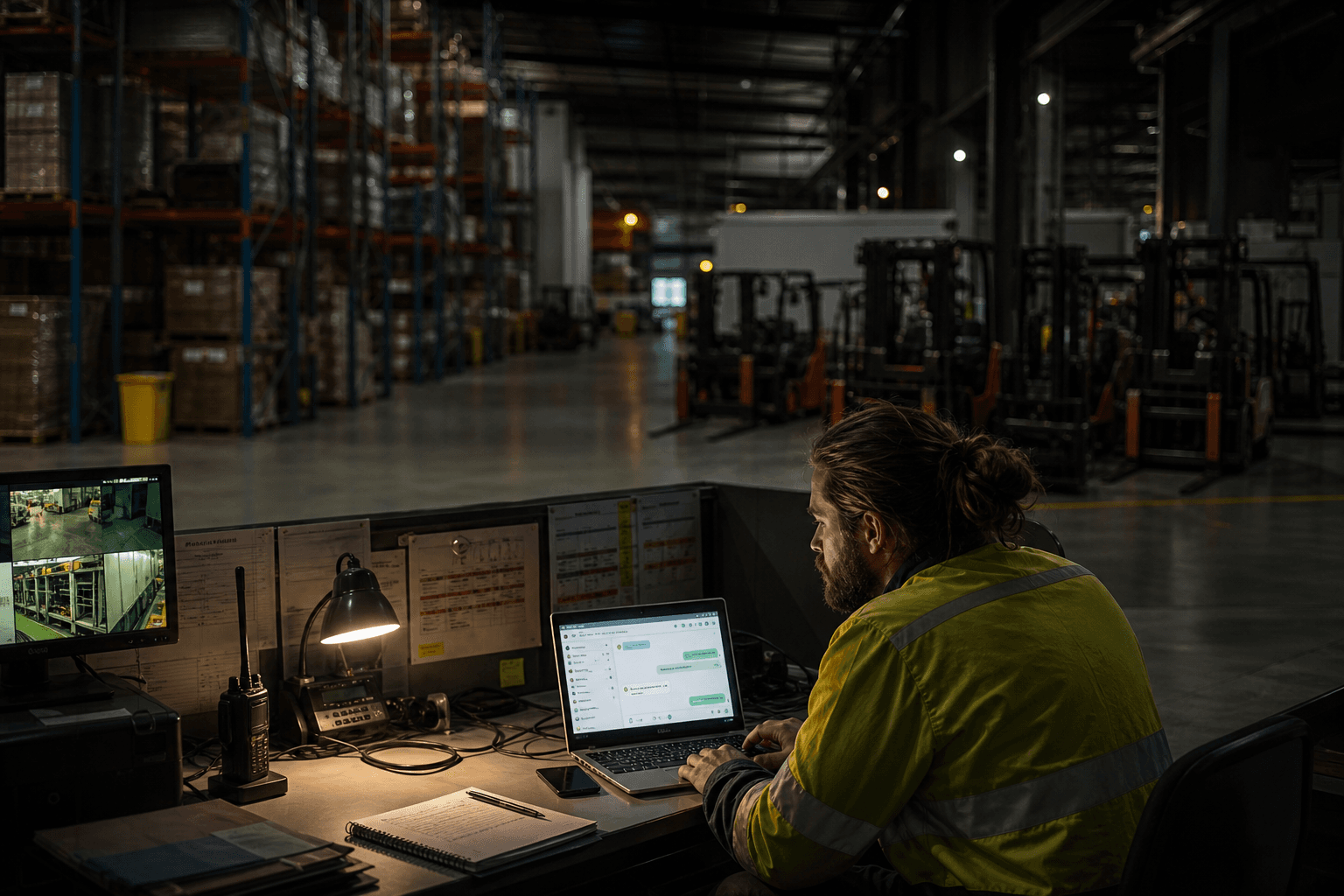
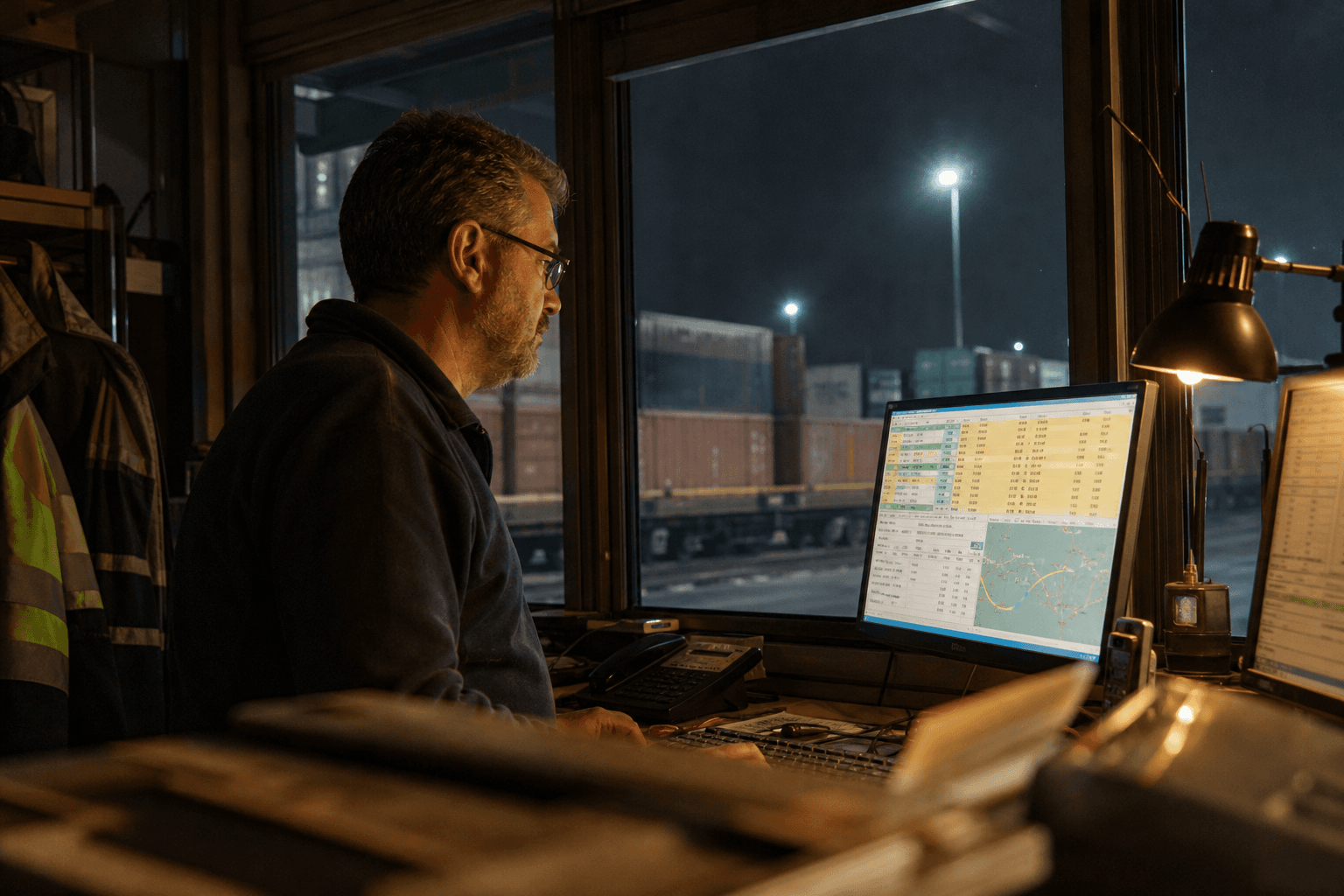
These are different problems with different tools. Document translation is largely solved by translation memory systems and, increasingly, large language model-based translation services — a use case that overlaps with document-intelligence work we do around extracting and processing freight paperwork. Communication tooling for the floor and the cab is a newer, less mature category: AI voice assistants, real-time speech translation, and chat-based shift instruction systems that need to work reliably in noisy warehouses, moving vehicles, and low-connectivity depots.
What Does an AI-Driven Multilingual Communication Setup Typically Involve?
A practical setup generally combines three elements: a speech-to-text and translation layer, a delivery channel (voice announcement, tablet, or driver app), and a feedback loop to confirm the message was understood. The goal isn't just translation accuracy — it's confirmed comprehension, which is what safety regulation actually requires.
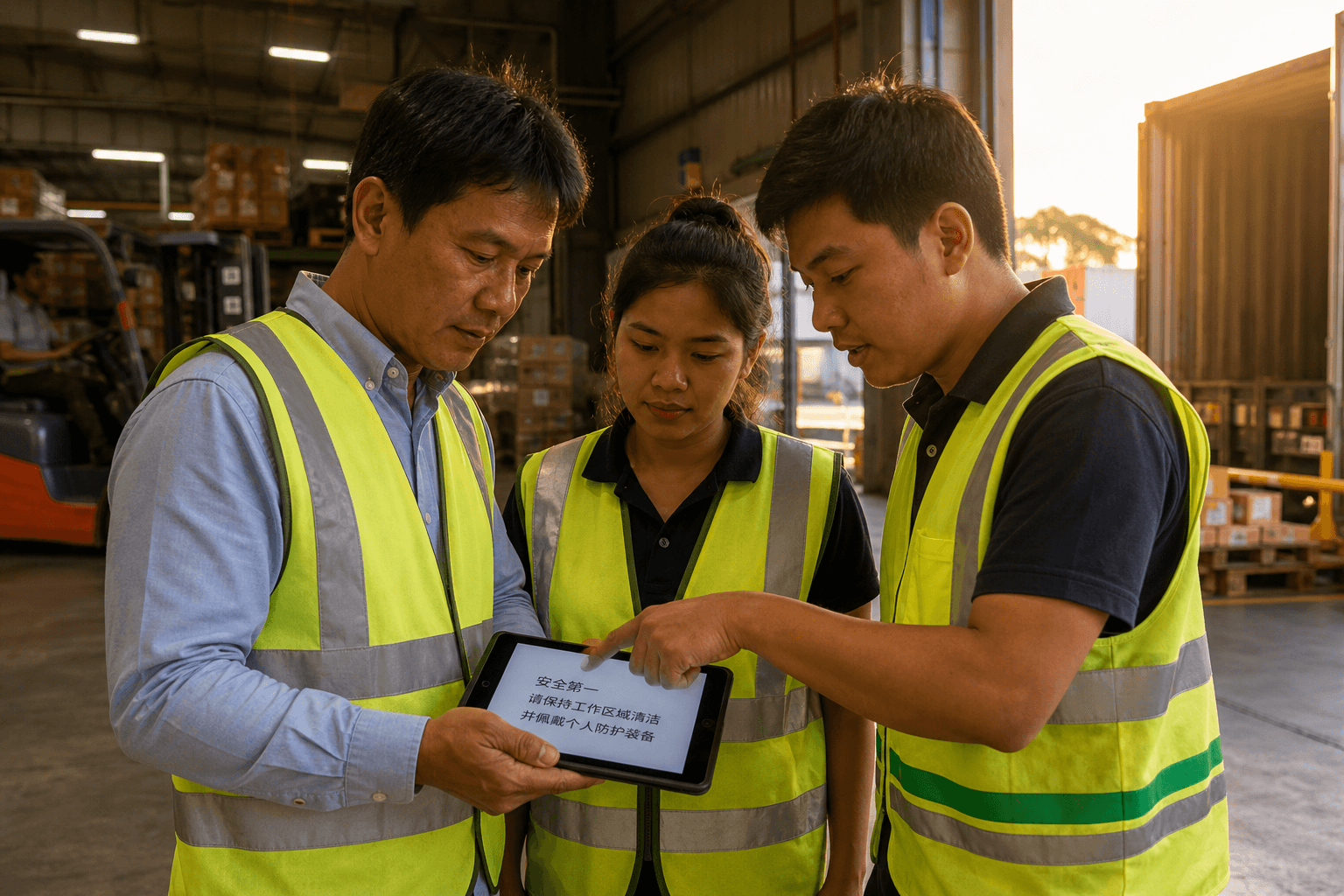
In a warehouse context, this might mean a supervisor speaking a toolbox talk once, with the system generating spoken or text output in each language represented on that shift. In a driver context, it might mean shift instructions or exception alerts delivered through an in-cab app that reads messages aloud in the driver's selected language, with a simple acknowledgement step built in.
Why Does Language Access Affect Turnover and Safety Outcomes?
Workers who don't fully understand rosters, instructions, or safety procedures are more likely to disengage, make errors, or leave. This mirrors a pattern already well documented in Australian logistics workforce management more broadly: poor visibility and poor communication both drive turnover, even when the underlying work itself is unchanged.
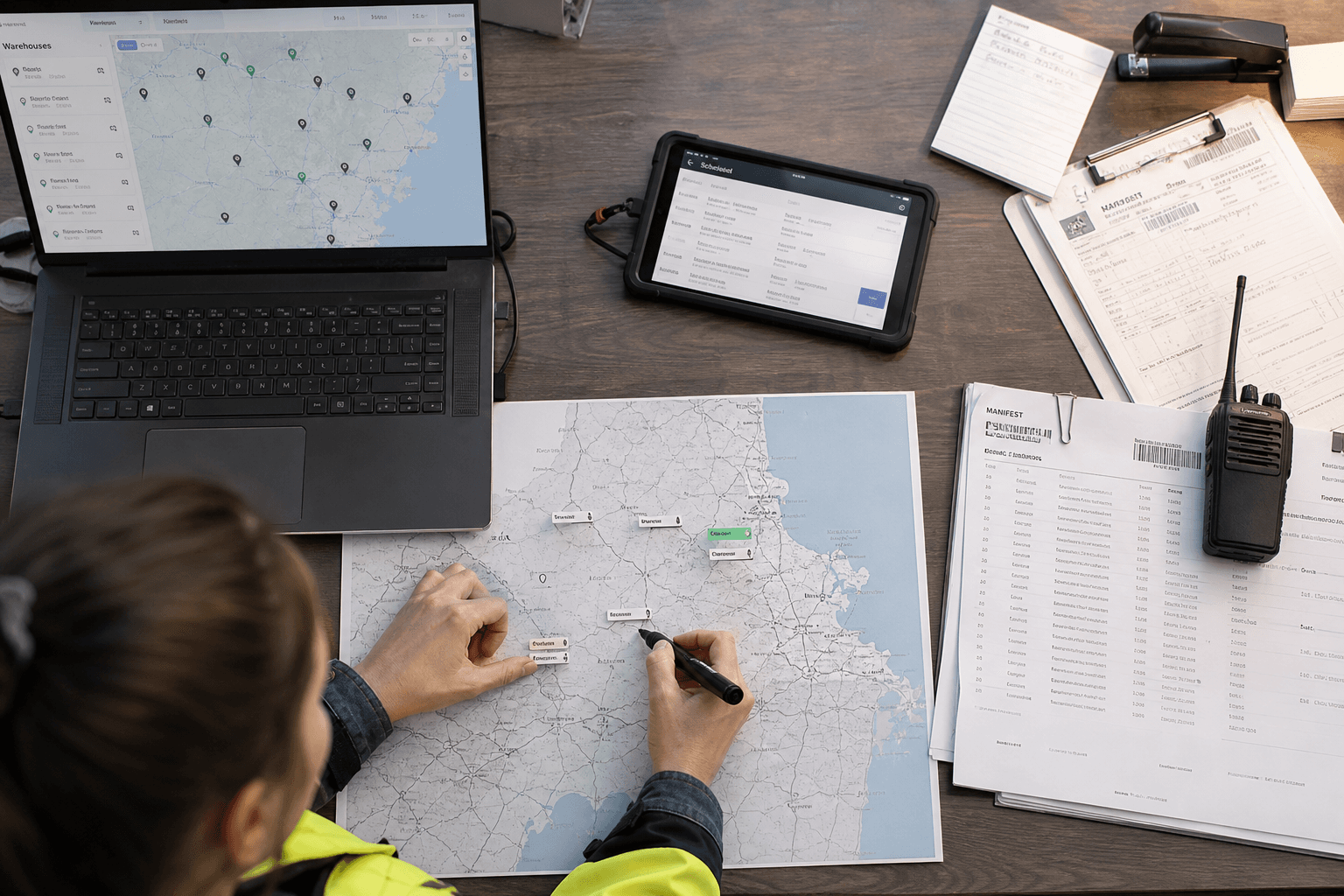
We've seen this dynamic in scheduling contexts too — our view on workforce scheduling in logistics covers how poor rostering visibility alone contributes to high staff turnover. Language barriers compound that problem. A worker who can see their roster but can't understand a shift-change notification is still operating with incomplete information, which creates the same operational risk from a different root cause.
How Do These Tools Compare to Existing Approaches?
Most Australian operators today rely on a mix of printed multilingual signage, bilingual team leaders acting as informal interpreters, and occasionally professional interpreting services for formal inductions. Each has trade-offs around cost, consistency, and how quickly information can be updated.
| Approach | Scalability across languages | Update speed | Consistency of message | Reliance on specific staff |
|---|---|---|---|---|
| Printed multilingual signage | Low — fixed at print time | Slow | High (static) | None |
| Bilingual staff as informal interpreters | Low-medium | Fast | Variable (depends on individual) | High |
| Professional interpreting services | Medium | Slow (booking required) | High | Low |
| AI voice/chat communication tools | Medium-high | Fast | High, if well configured | Low |
This is a qualitative comparison, not a ranking based on measured outcomes — the evidence base for AI communication tools in Australian warehouse and transport settings is still developing, and operators should treat vendor claims with the same scrutiny they'd apply to any new system.
What Should Operators Check Before Adopting These Tools?
Before introducing an AI communication tool, operators should confirm it can run reliably on the warehouse floor or in a moving vehicle, that it integrates with existing shift and dispatch systems rather than sitting alongside them, and that it meets the same WHS documentation obligations as any other safety communication method.
This includes checking data handling (where voice recordings and transcripts are stored), whether the tool works offline or on patchy regional connectivity, and whether it can be audited after an incident to show what instruction was actually given and in what language. These are the same due-diligence questions we'd apply to any AI system layered onto a legacy TMS or WMS environment, and they're a core part of what we cover in an AI readiness assessment — understanding what your current systems and data can actually support before committing budget to a new tool.
Where Does This Fit Into Broader Digital Transformation?
Multilingual communication tooling sits alongside — not instead of — the broader shift away from paper-based processes that most Australian logistics operators are working through. Once dispatch, scheduling, and compliance records move to digital systems, adding a language layer on top becomes more straightforward, because the instructions and data already exist in a structured, addressable form rather than on a printed sheet or in someone's head.
Operators still running manual, email-based dispatch or paper bill-of-lading processes will generally get more value from fixing those foundations first. Voice and chat tooling added on top of a fragmented, paper-heavy operation tends to become another disconnected point solution rather than a genuine fix. More on how to sequence that kind of modernisation is covered in our insights.
A Note on the Current State of This Category
It's worth being direct about this: multilingual AI communication for frontline logistics workforces is an emerging, not established, category in the Australian market. There isn't yet a substantial, independently verified body of evidence on outcomes specific to warehouse and driver settings here, and operators evaluating these tools should ask vendors for concrete references and pilot data rather than relying on general claims.
What is well established is the underlying obligation: Safe Work Australia's WHS framework requires that safety information be genuinely understood by the workforce, and the Fair Work Act's obligations around fair treatment extend to how clearly shift and employment information is communicated. How an operator chooses to meet that obligation — interpreters, bilingual supervisors, AI tooling, or some combination — is an operational decision that should be tested against your own workforce composition and site conditions.
If you're exploring how AI communication tools might fit alongside your existing scheduling, dispatch, or compliance systems, we can help assess what's realistic for your operation before you commit budget to a new platform.
Zero Footprint
The Zero Footprint team — AI modernisation for Australian logistics.