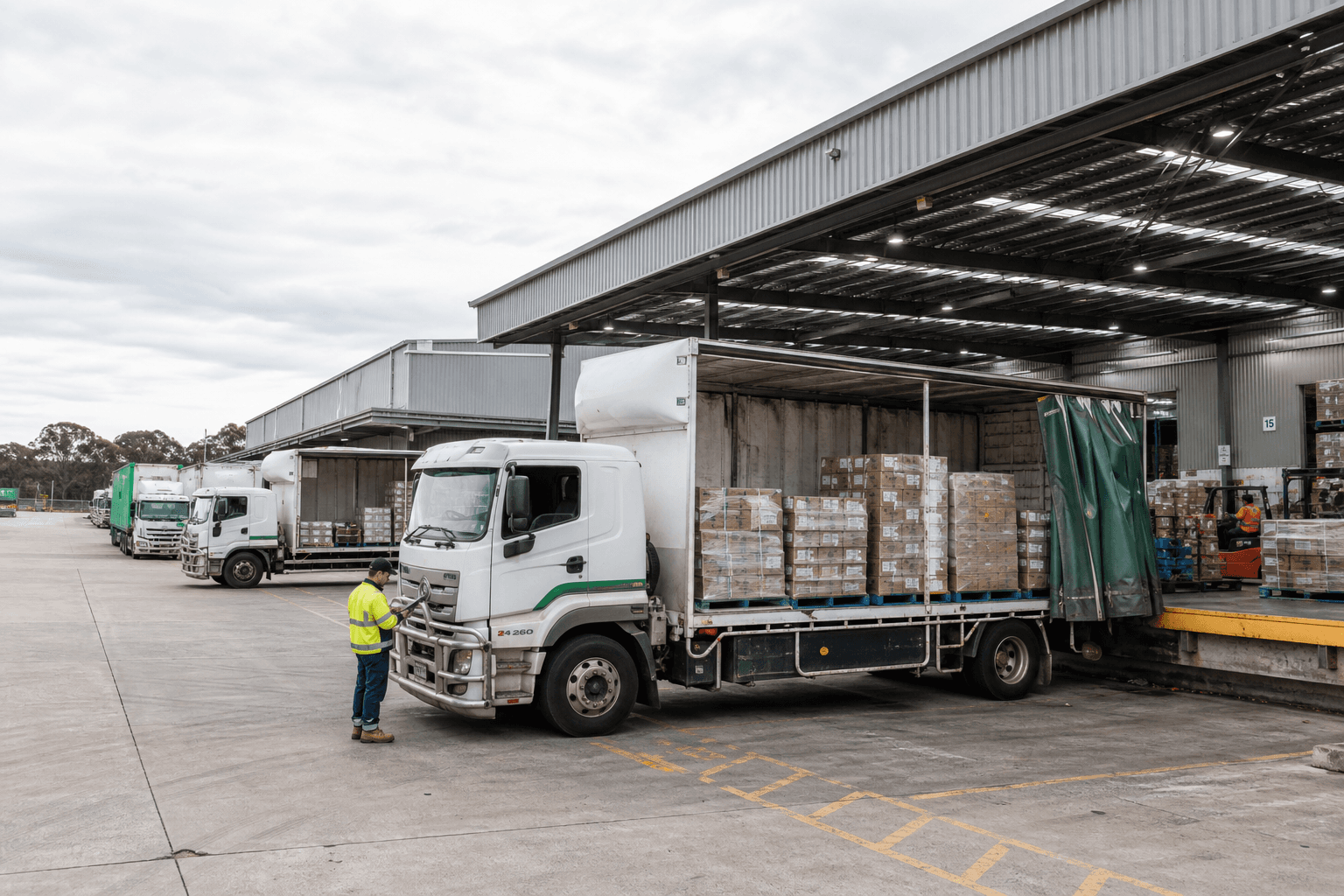
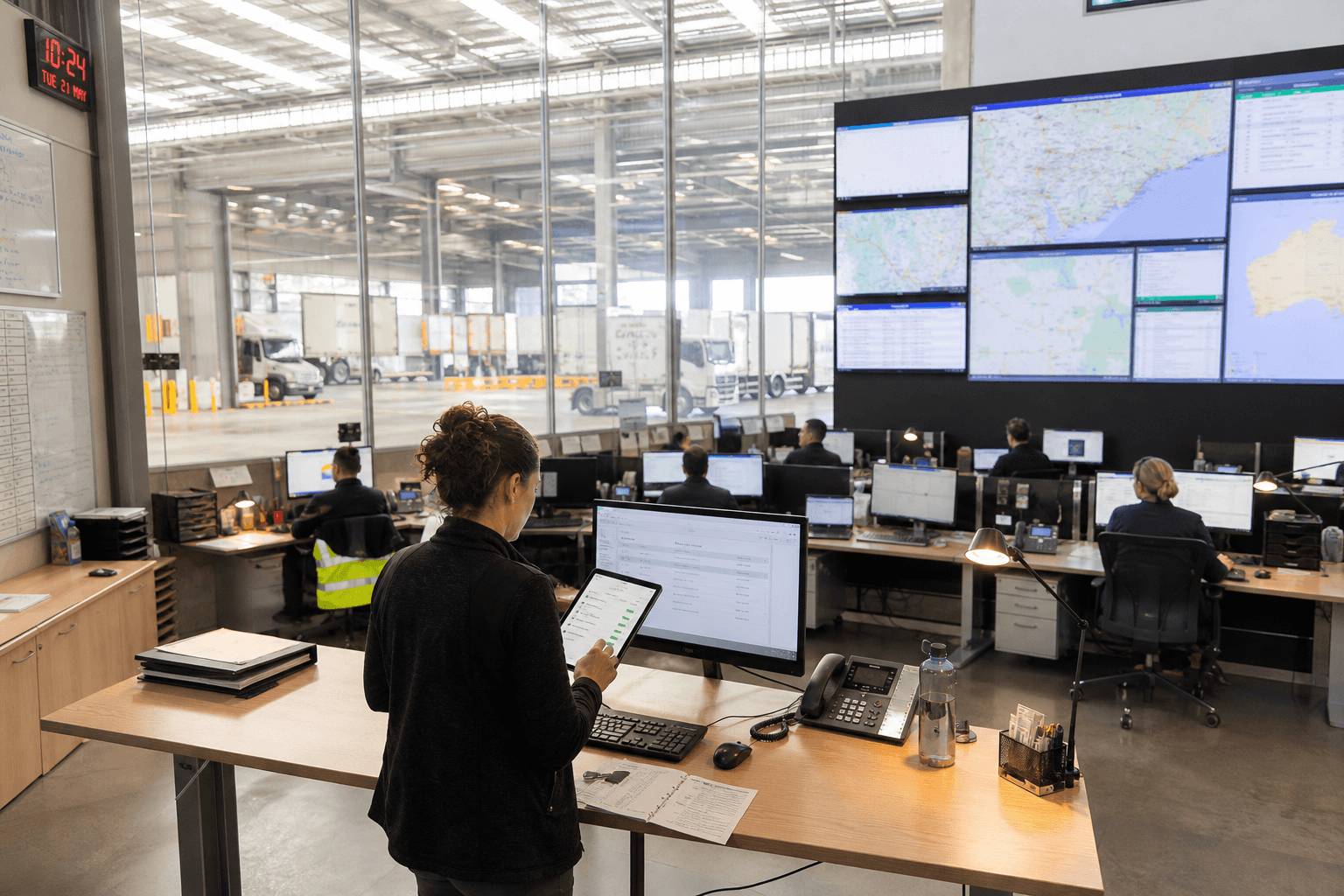
NHVR Accreditation Audits: AI Record-Keeping Guide
NHVR accreditation audits depend on consistent, traceable records — and manual filing systems are where most operators get caught out. Here's how AI-assisted document capture helps operations leaders prepare.

If you operate heavy vehicles in Australia, an NHVR accreditation audit is not a matter of if — it's a matter of when. Operators accredited under the National Heavy Vehicle Accreditation Scheme (NHVAS) are subject to periodic audits, and the quality of your records usually determines whether that audit is a formality or a stressful scramble. This guide looks at where AI-assisted documentation tools fit into getting audit-ready, and why manual record-keeping is increasingly a liability rather than a safe default.
What is NHVR accreditation and why does it come with record-keeping obligations?
The National Heavy Vehicle Regulator (NHVR) administers the Heavy Vehicle National Law (HVNL), which sets safety, mass, maintenance, and fatigue management obligations for heavy vehicle operators across most Australian states and territories. Operators who join NHVAS modules — such as Mass Management, Maintenance Management, or Fatigue Management — commit to keeping structured evidence that they are meeting those obligations, and NHVR (or an approved third-party auditor) periodically reviews that evidence to confirm accreditation remains valid.
Accreditation is a trust arrangement. In exchange for operating with mass or fatigue concessions, operators agree to maintain documented, auditable systems. If the paperwork doesn't hold up, accreditation can be suspended — which has knock-on effects for insurance, tender eligibility, and customer contracts that require proof of compliance.
What records do auditors actually expect to see?
Auditors expect consistent, dated, and traceable records covering driver hours of service, vehicle maintenance schedules, mass verification, and any corrective actions taken when something goes wrong. The exact evidence requirements vary by NHVAS module, but the common thread is traceability — a record that can be cross-checked against another record (for example, a driver's logged hours against a dispatch record).
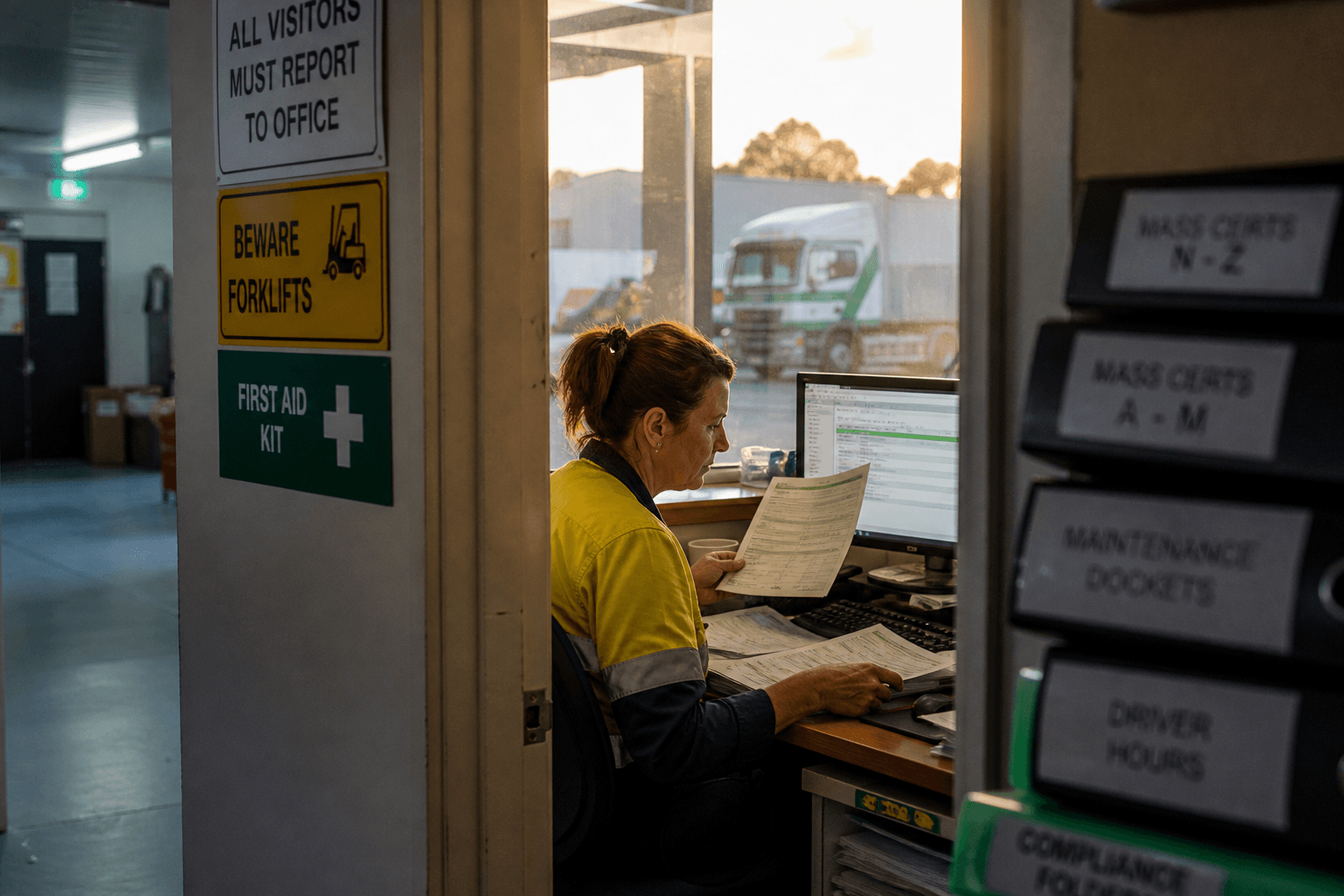
Driver hours-of-service records are a particular focus. Under the HVNL, drivers operate within regulated working and rest hour limits, and operators must keep records that demonstrate those limits are being enforced — not just that a policy exists on paper. This is a known compliance exposure point: if working-hour rules aren't enforced systematically, gaps show up quickly under audit scrutiny, and in some states, OHS-based fatigue management obligations layer on top of NHVR requirements for shift-based transport workers, adding another set of records an auditor may ask to see.
Why do manual record-keeping systems struggle under audit pressure?
Manual systems struggle because audits require cross-referenced consistency across months or years of records, and spreadsheets, paper logbooks, and email trails rarely hold that structure without heavy manual effort. A single missing signature, an unreconciled maintenance log, or a gap in driver hour records is often enough to trigger audit findings — even when the underlying compliance behaviour was sound.
The common failure mode isn't dishonesty. It's fragmentation. Maintenance records sit in one system, driver hours in another, mass records in a third, and nobody owns the job of reconciling them until an audit notice arrives. For operations leaders already stretched across dispatch, fleet, and customer service, that reconciliation work competes with everything else on the to-do list — and it usually loses.
How does AI-assisted record-keeping change audit preparation?
AI-assisted record-keeping is the use of tools that automatically capture, extract, organise, and cross-check compliance-relevant documents — such as driver logs, maintenance dockets, and mass certificates — so operators can produce consistent audit evidence on demand rather than reconstructing it manually. Document intelligence tools, specifically, can read scanned paperwork, extract structured data from it, and flag inconsistencies before an auditor does.
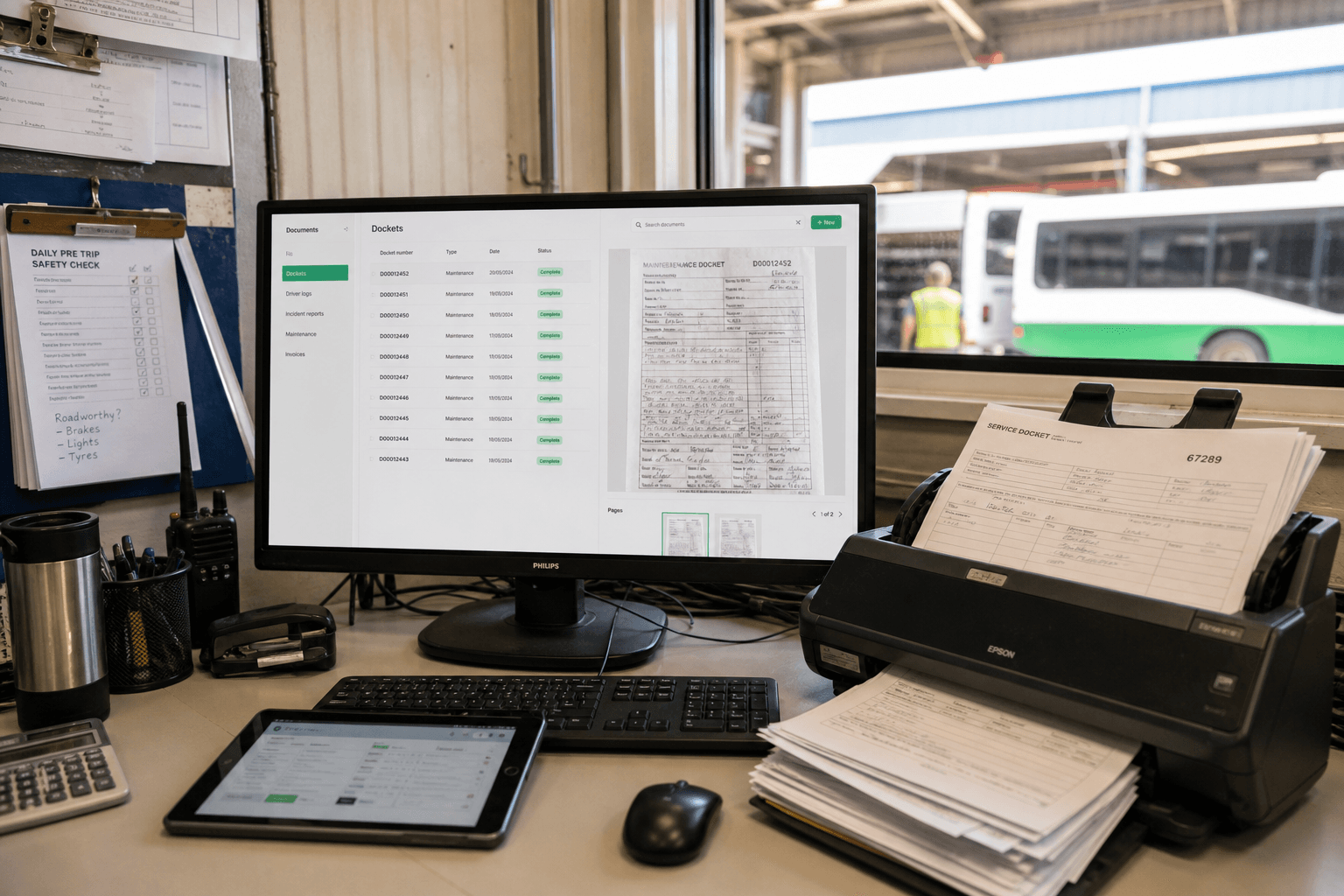
In practical terms, this looks like: optical character recognition pulling data from paper maintenance dockets into a structured log, automated matching of driver hour records against rostering data to catch discrepancies early, and a searchable audit trail that can produce the right evidence for a given date range within minutes rather than days. Our document-intelligence work with freight and warehouse operators focuses on exactly this kind of document capture and reconciliation problem.
Manual vs AI-assisted record-keeping: a practical comparison
| Audit requirement | Manual record-keeping | AI-assisted record-keeping |
|---|---|---|
| Driver hours-of-service traceability | Relies on individual logbooks and manual reconciliation | Automated cross-check against rostering and dispatch data |
| Maintenance evidence | Paper dockets filed by date or vehicle, searched manually | Scanned and indexed, searchable by vehicle, date, or fault |
| Consistency across months/years | Dependent on whoever filed the records at the time | Structured, consistent format regardless of who entered it |
| Time to produce audit evidence pack | Hours to days, depending on filing discipline | Minutes to hours, depending on system maturity |
| Error detection before audit | Typically found during or after the audit | Flagged proactively through automated checks |
This is a qualitative comparison, not a guarantee of specific time savings — the gains depend heavily on how fragmented your current systems are and how much historical data needs to be cleaned up first.
How does this connect to the broader compliance picture?
NHVR accreditation sits alongside a wider set of compliance pressures facing logistics operators, including AASB S2 emissions reporting obligations and insurance audit requirements that increasingly expect demonstrable, systematic record-keeping rather than ad hoc evidence. Insurers and large customers are asking the same underlying question NHVR auditors ask: can you prove, consistently, that your operation does what it says it does?
Operators who build AI-assisted documentation capability for NHVR purposes often find the same infrastructure — structured data capture, automated reconciliation, searchable records — pays off across these other compliance demands too, rather than needing a separate system for each regulator or customer requirement.
Where should operations leaders start?
Start by mapping your current record-keeping gaps against your specific NHVAS module requirements — Mass, Maintenance, or Fatigue — before investing in any tooling. An honest audit of where your records currently break down (missing signatures, inconsistent filing, unreconciled data) tells you exactly where AI-assisted capture and reconciliation will deliver the most value, and where the real risk sits ahead of your next NHVR review.
This is the kind of gap analysis we run as part of our ai-readiness-assessment — a structured review of your current documentation and data processes before recommending any specific tooling. You can also browse our insights for more on how AI is being applied across Australian logistics operations.
If you're facing an upcoming NHVR audit, an insurance review, or customer-driven compliance scrutiny and want a clear-eyed view of where your record-keeping stands, get in touch — we can talk through what's realistic for your operation.
Zero Footprint
The Zero Footprint team — AI modernisation for Australian logistics.