Insights
AI, logistics, and digital transformation for Australian operators.
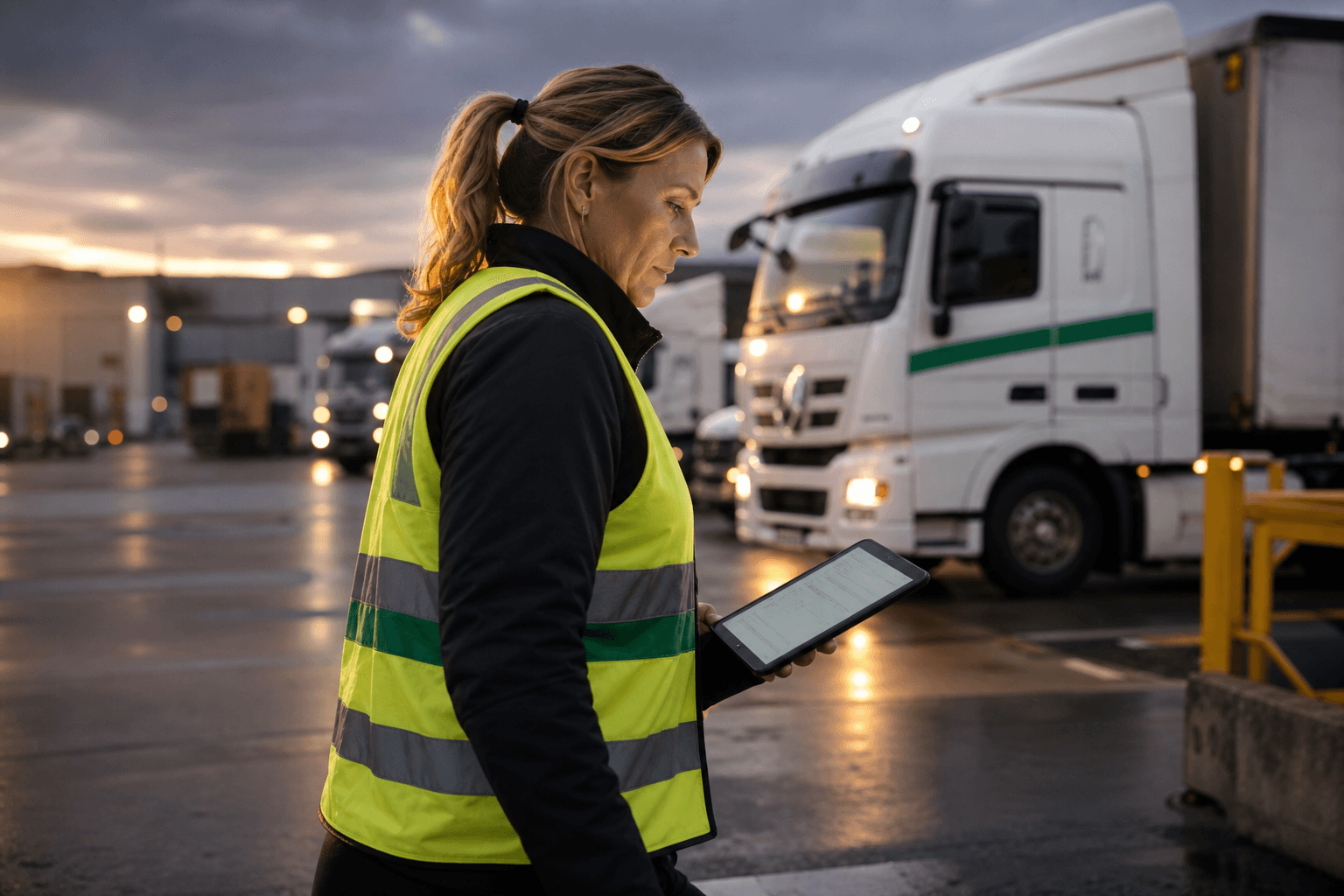
Using AI to Reduce Freight Costs: A Guide for Australian Carriers
AI-driven freight rate intelligence is becoming one of the clearest ways Australian carriers and 3PLs reduce cost-per-shipment. Here's how it works, what data it actually requires, and what has to happen first.
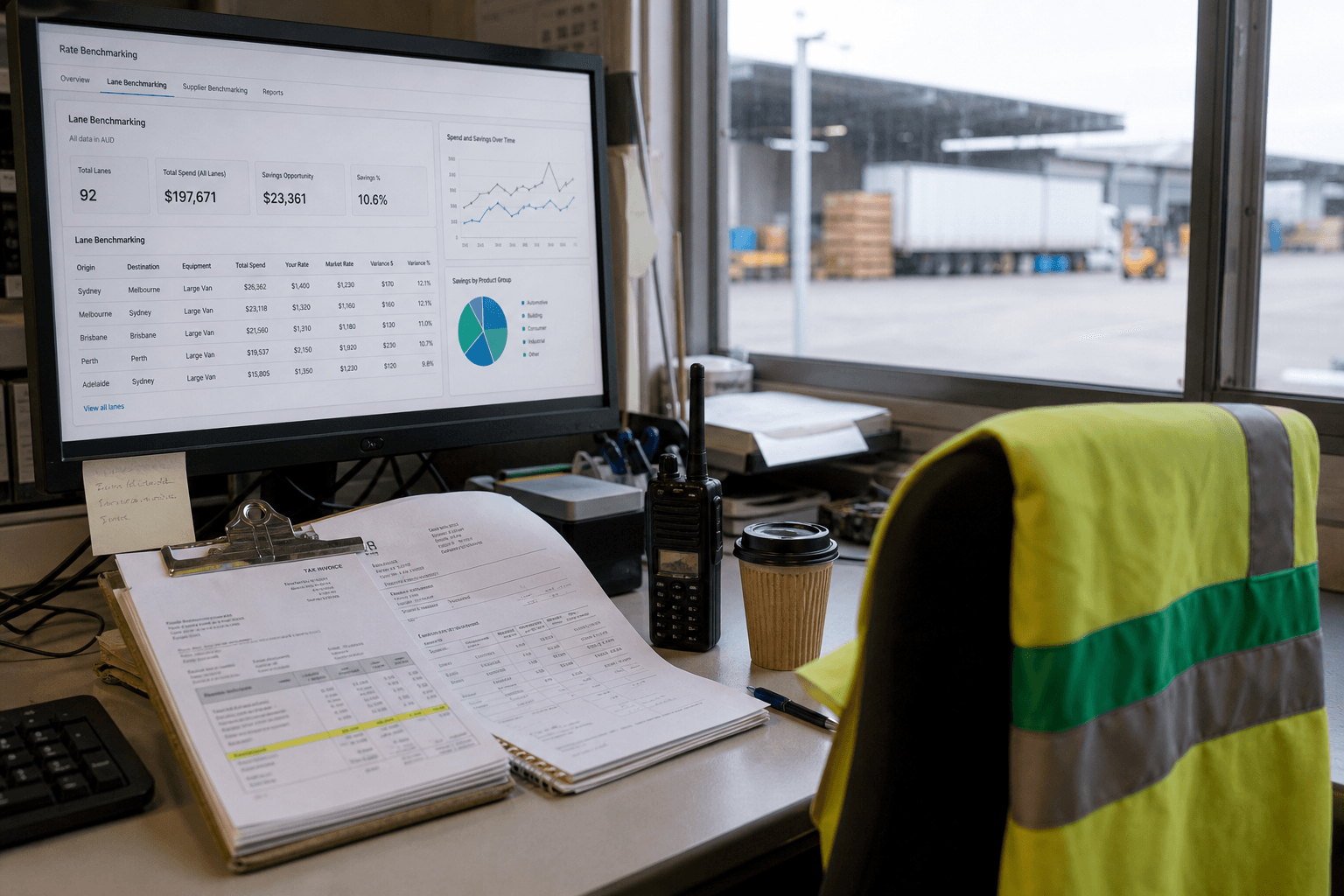
AI in Logistics: How AI Cuts Freight Cost for Australian Operators
AI reduces freight cost through four concrete mechanisms — dynamic pricing, anomaly detection, demand forecasting and negotiation support — but most commercial tools are calibrated for US freight data. Here's what that means for Australian carriers, 3PLs and warehouse operators, and what to fix first.
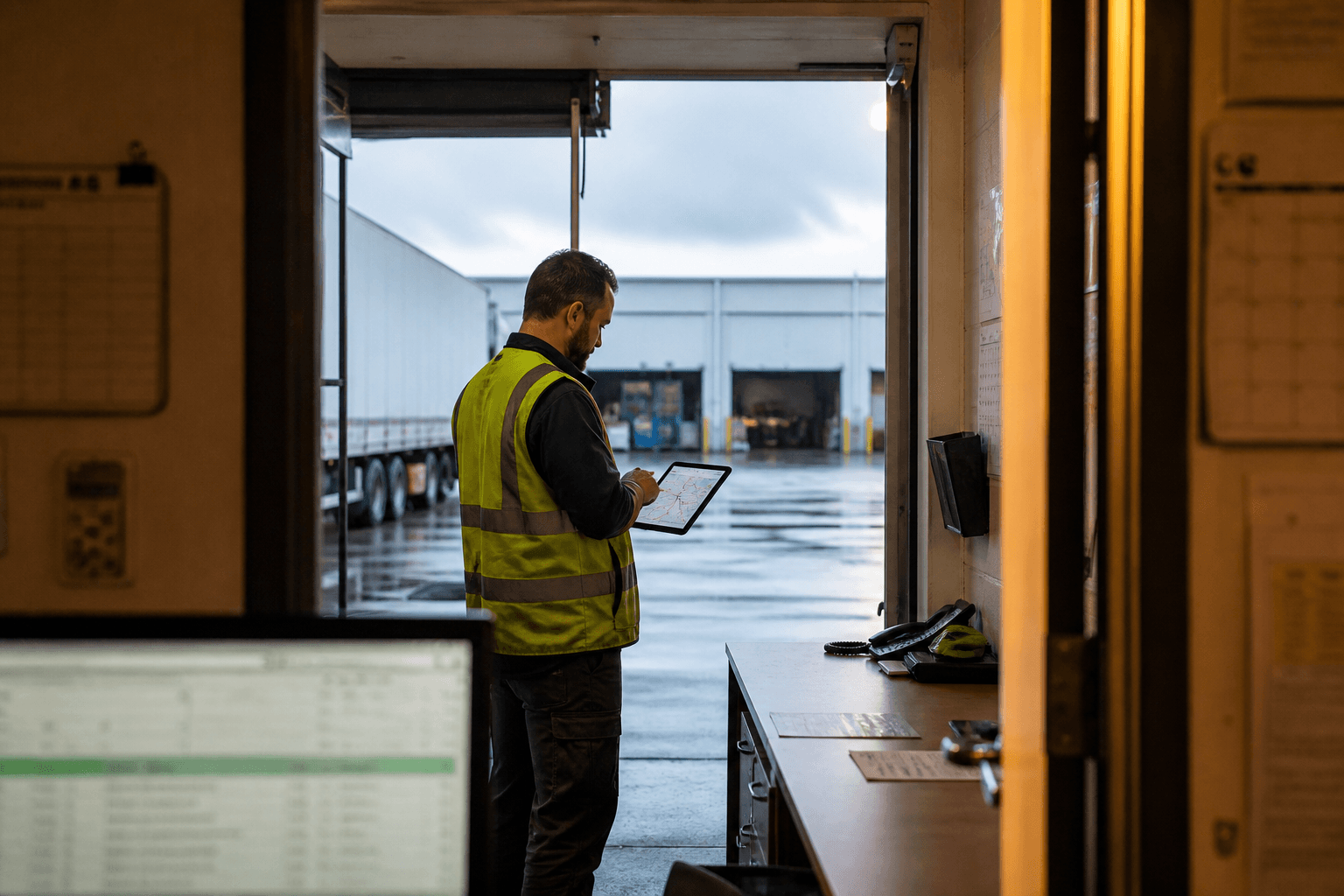
Proactive Exception Notification: AI-Driven Logistics Alerting
Proactive exception notification uses AI to flag freight delays, weather disruption, and capacity constraints before they escalate — but it only works once your TMS, WMS, and EDI data are properly integrated. Here's how the detection and mitigation pieces fit together.
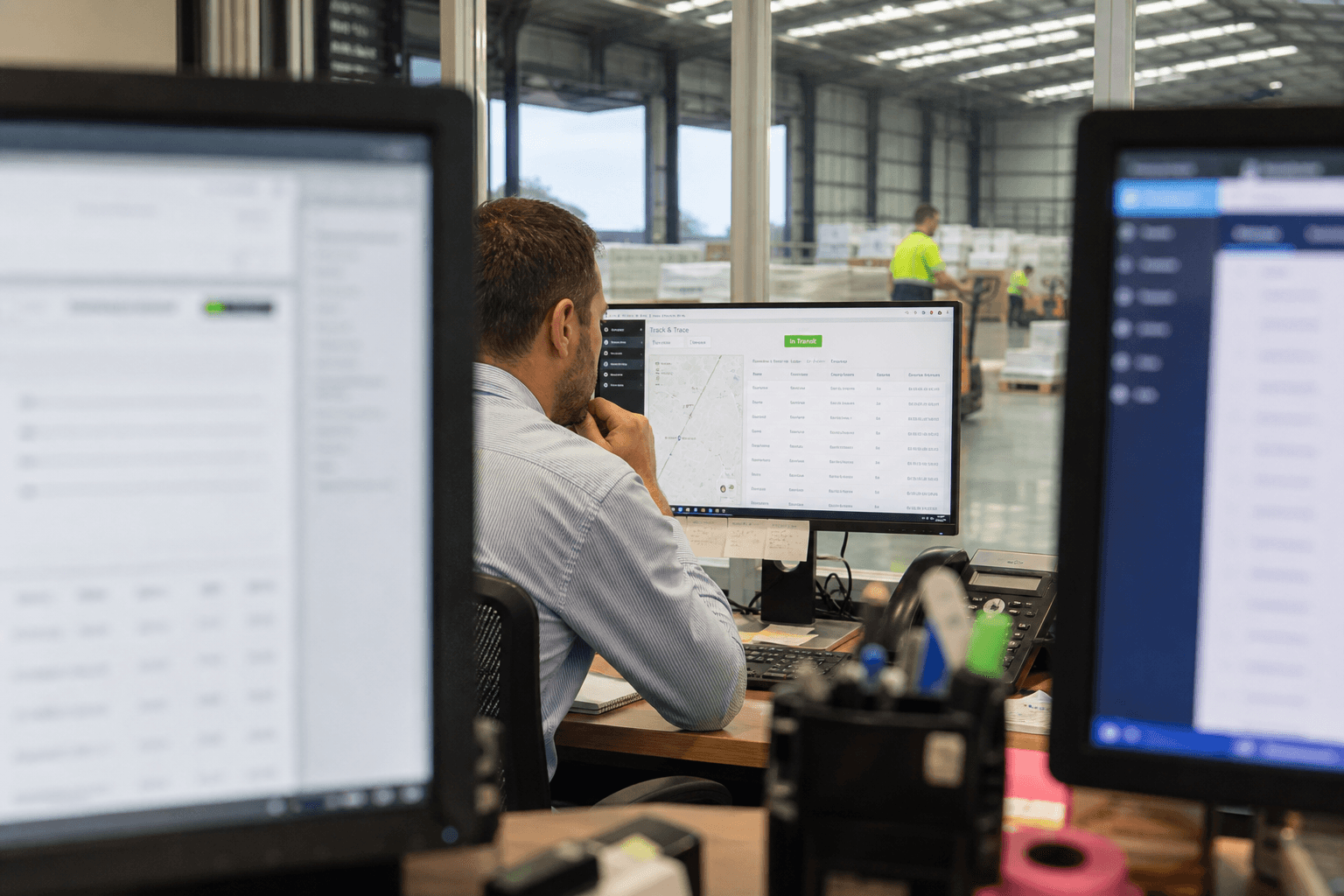
Building Customer Self-Service Portals for Freight Operations
Customer self-service portals are becoming baseline expectations for Australian freight operators. Here's how AI enhances tracking, document retrieval, quoting, booking, claims and personalisation — and what needs to happen before you build one.
Freight Visibility Standards: GS1 and the Push for Interoperability
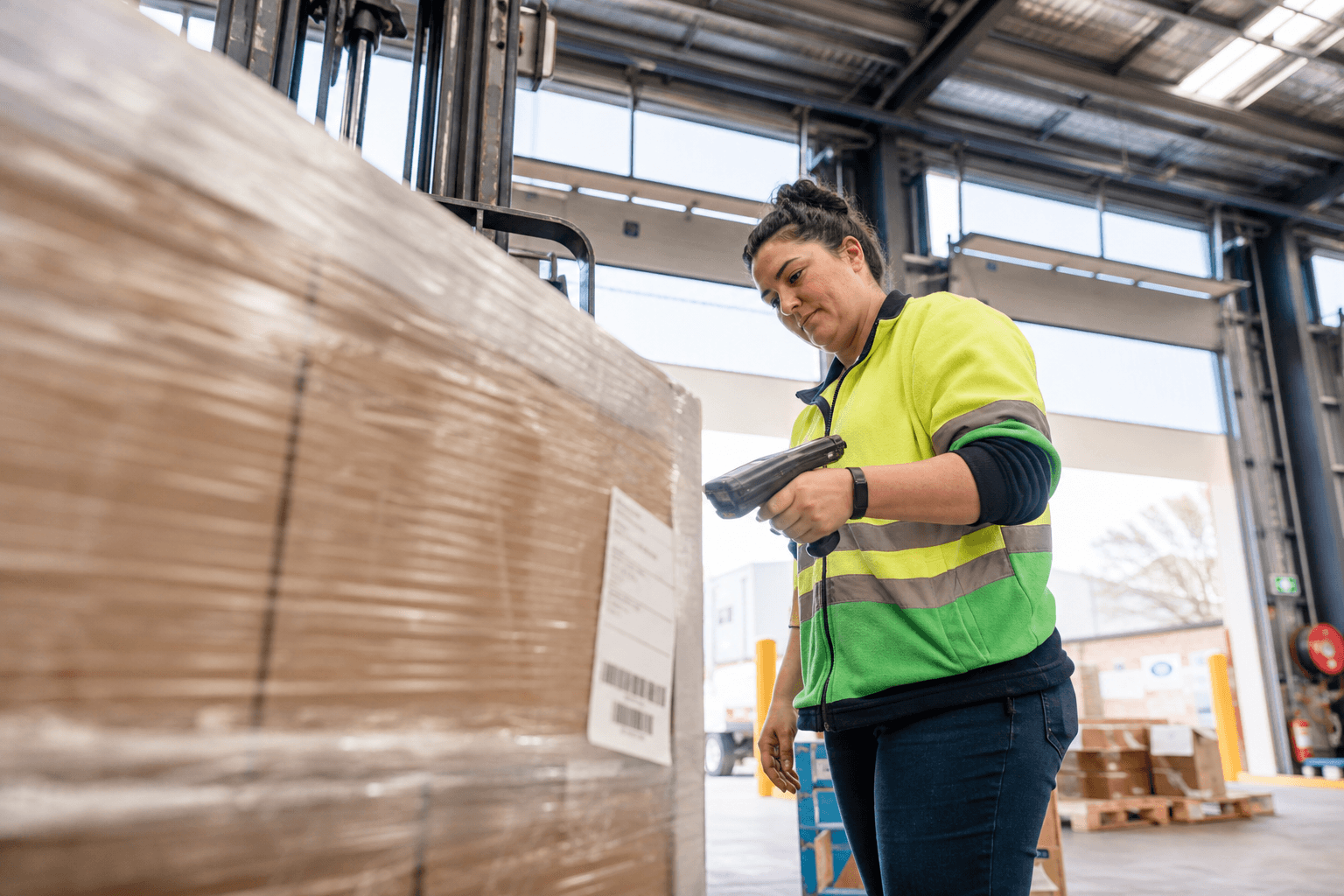
GS1 standards like EPCIS 2.0 and Digital Link promise a common language for freight visibility across supply chains — but for most Australian logistics operators, legacy TMS/WMS systems are the real barrier to interoperability, not the absence of a standard.
Building a Data Lake for Legacy Logistics Systems
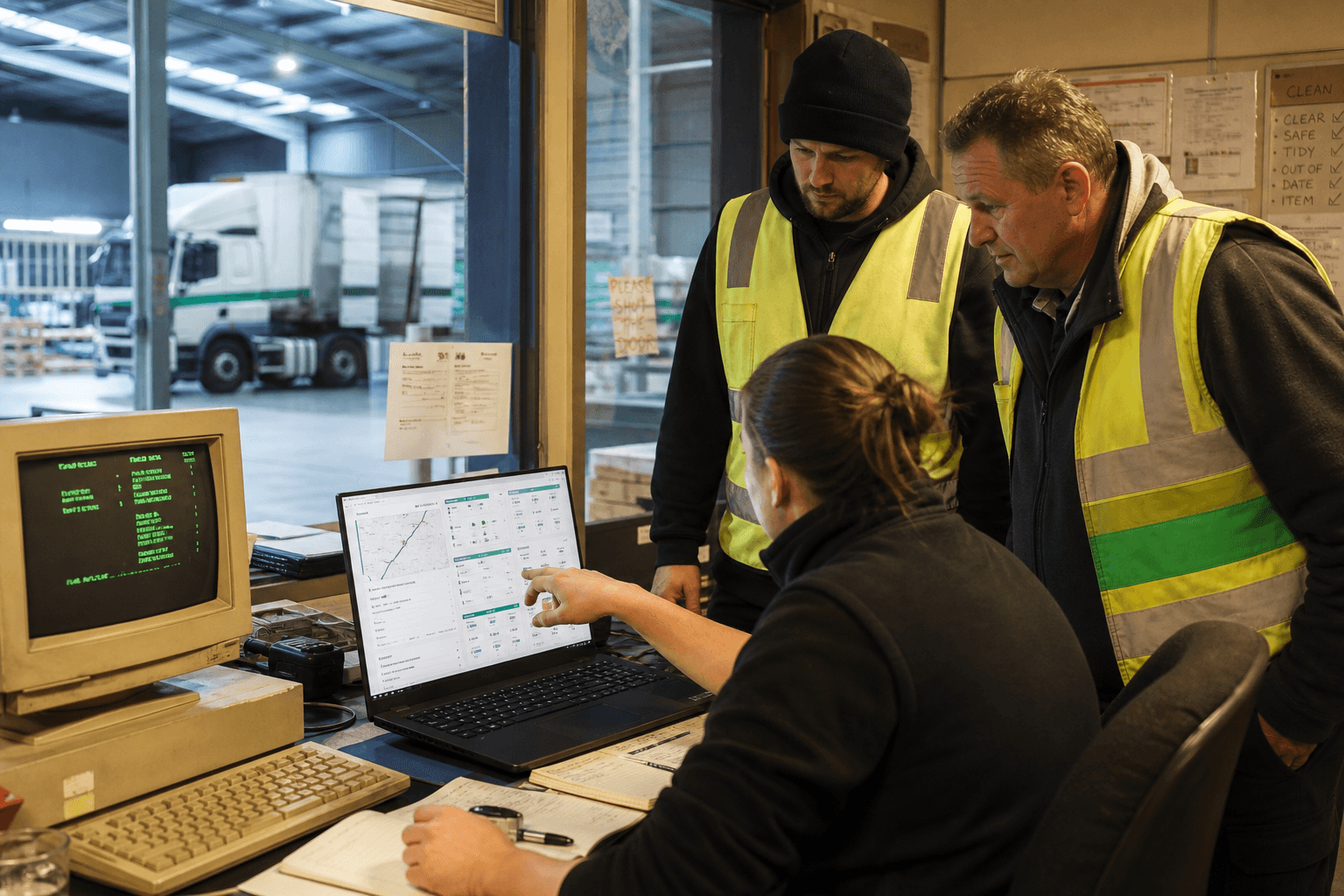
Legacy TMS/WMS systems trap years of valuable logistics data in silos. This guide covers the practical architecture — CDC pipelines, schema evolution, data quality rules — for consolidating that data into a lake that can power reporting and AI.
AI Classification of Dangerous Goods Documents in Australia
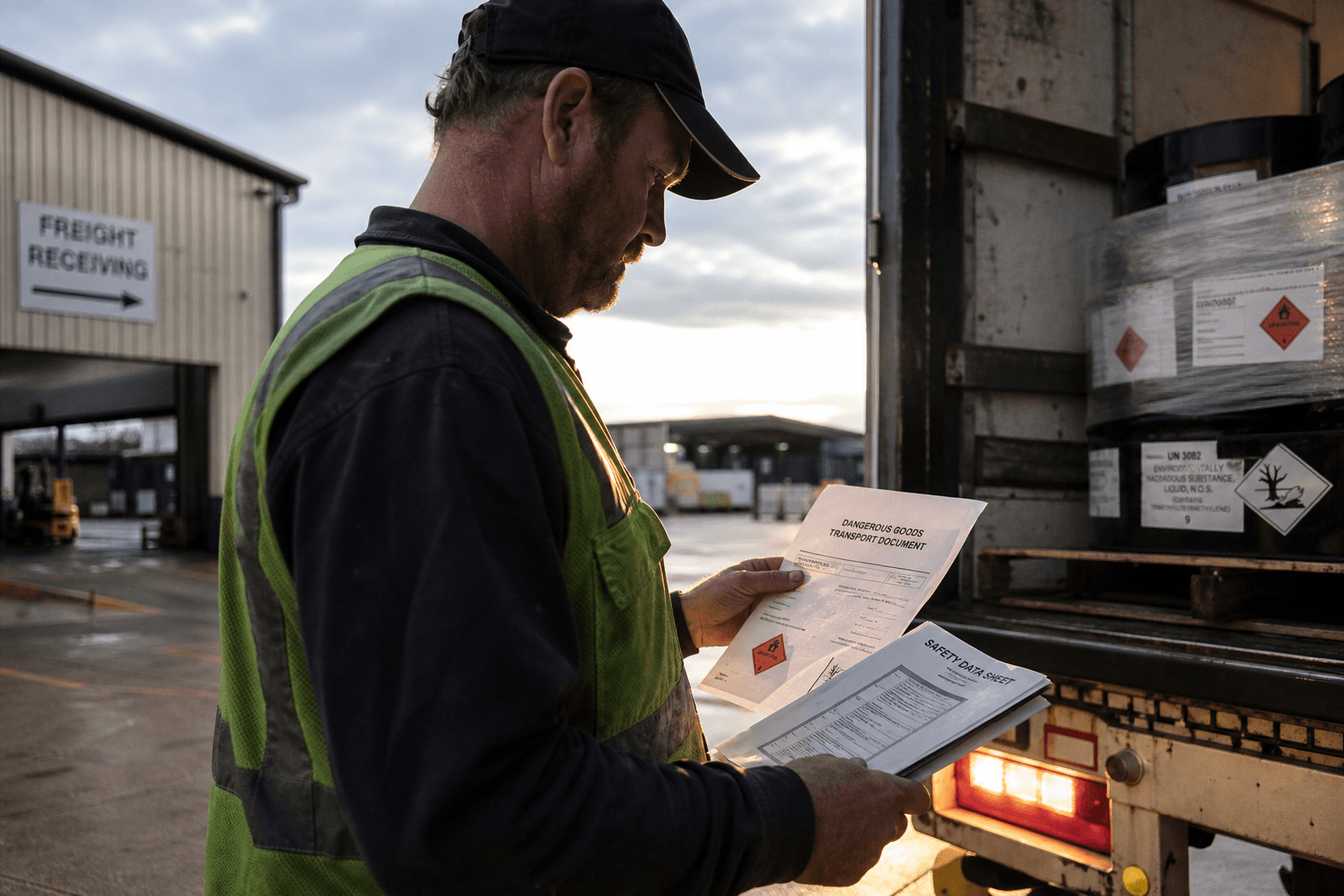
AI is increasingly used to extract UN numbers, parse safety data sheets, and validate dangerous goods documentation against the ADG and IMDG codes. Here's how it works and where it fits for Australian freight operators.
AI Phone Automation for Freight and 3PL Operations in Australia
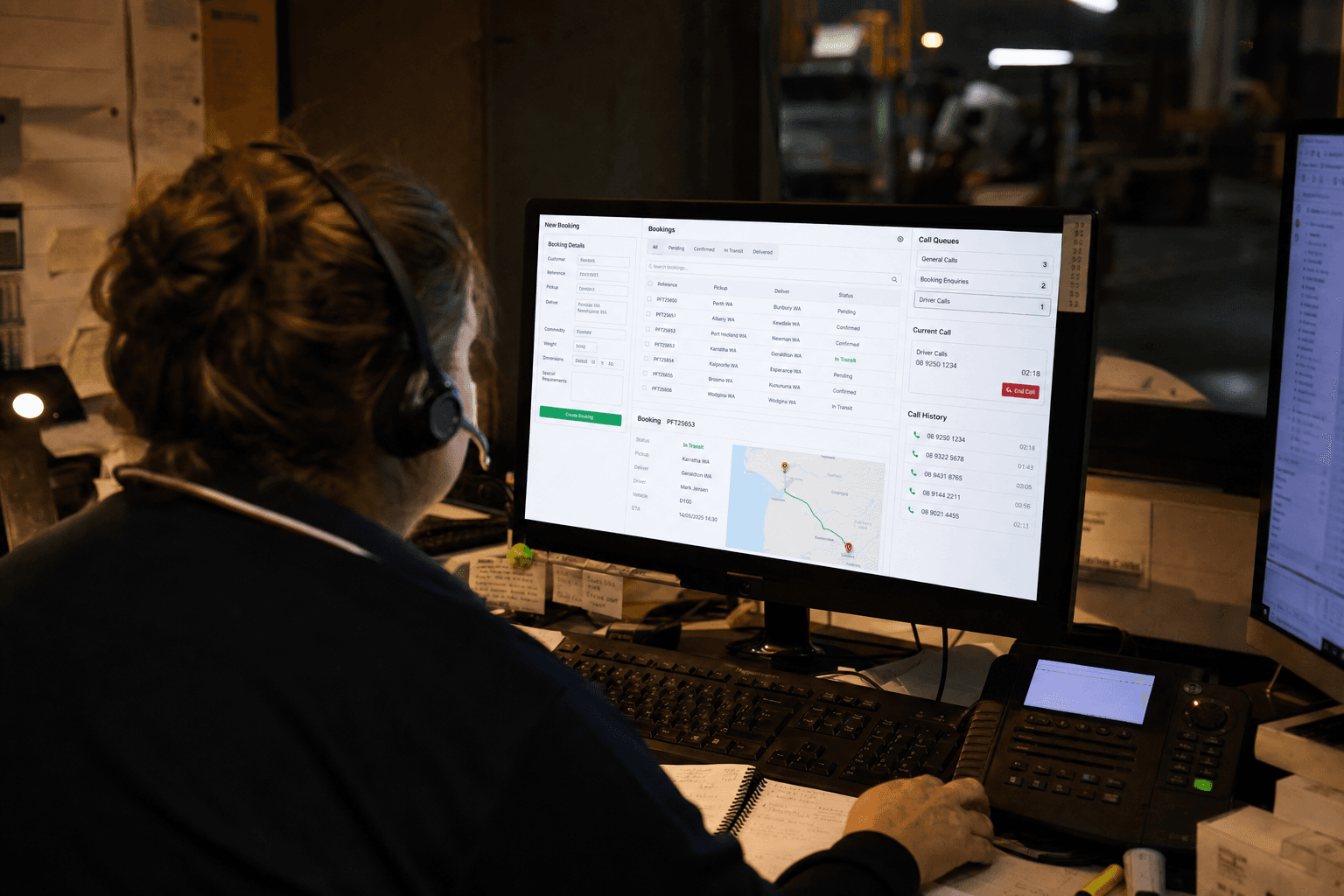
AI phone and chat agents can absorb after-hours calls, booking confirmations, and POD requests for Australian freight and 3PL operators — but only if they're connected to real operational data. Here's how logistics-specific implementations differ from generic answering services, and where they fit against your existing TMS and WMS.
AI Communication Automation for Australian Logistics Operators
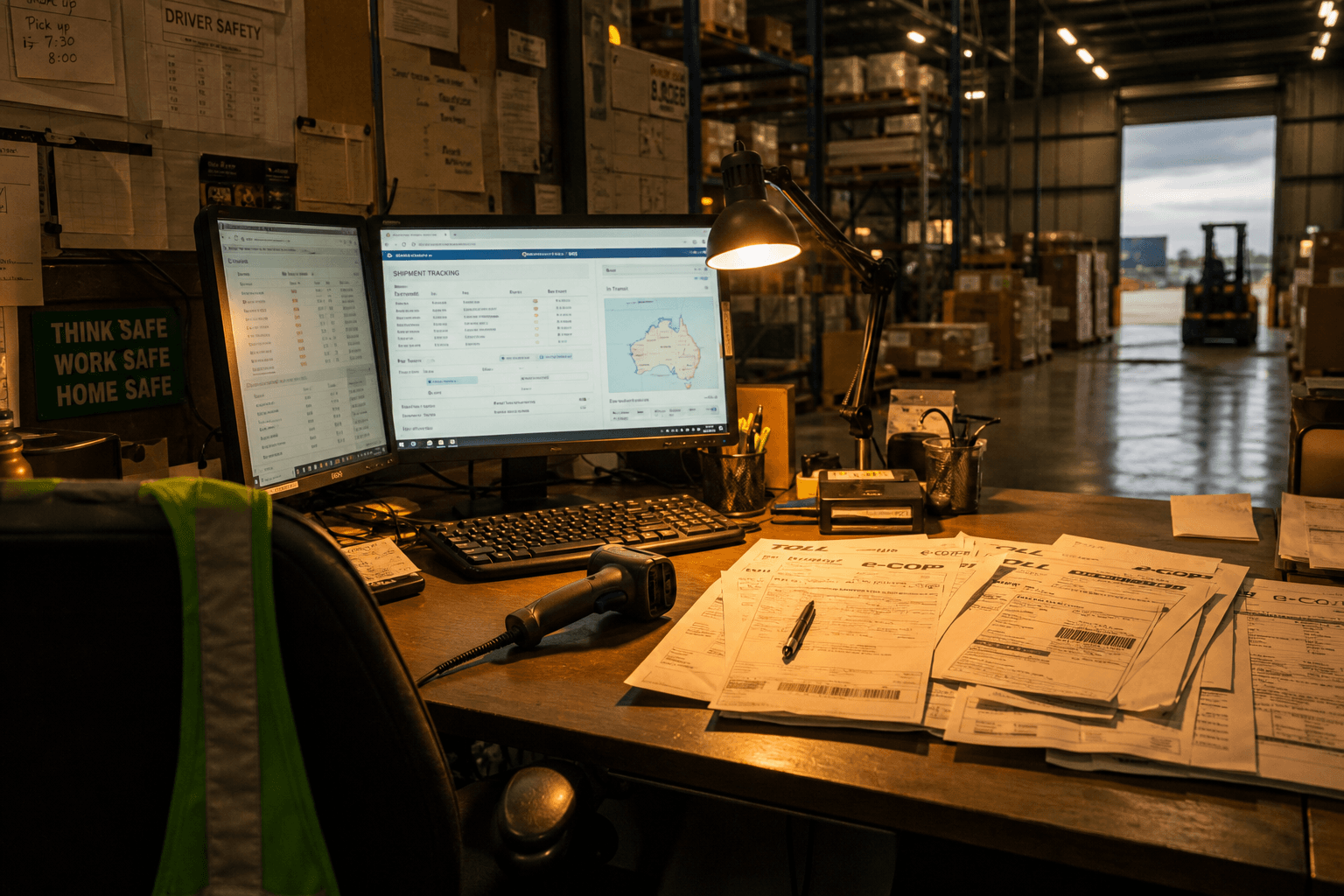
AI communication automation offers Australian logistics operators a practical path to reducing manual coordination effort — from customer shipment updates to document processing and exception alerts. This guide covers the real use cases, the constraints mid-market operators face, and how to approach implementation in a legacy system environment.