Insights
AI, logistics, and digital transformation for Australian operators.
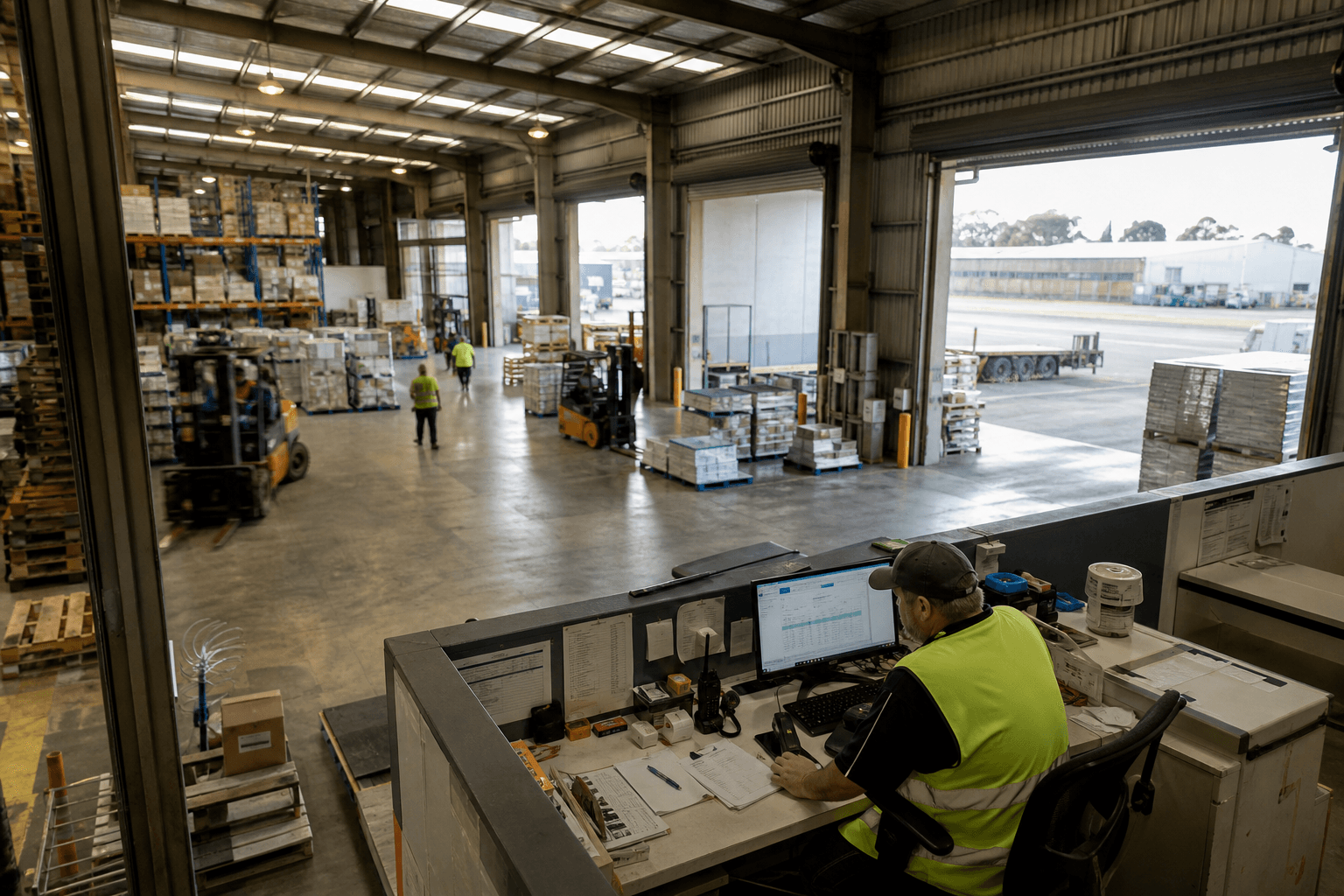
Cybersecurity Risk in AI-Enabled Logistics Systems
Connecting AI tools to legacy TMS/WMS platforms creates real cybersecurity exposure — this guide explains where the risk sits, what to ask vendors, and how to scope integrations safely.
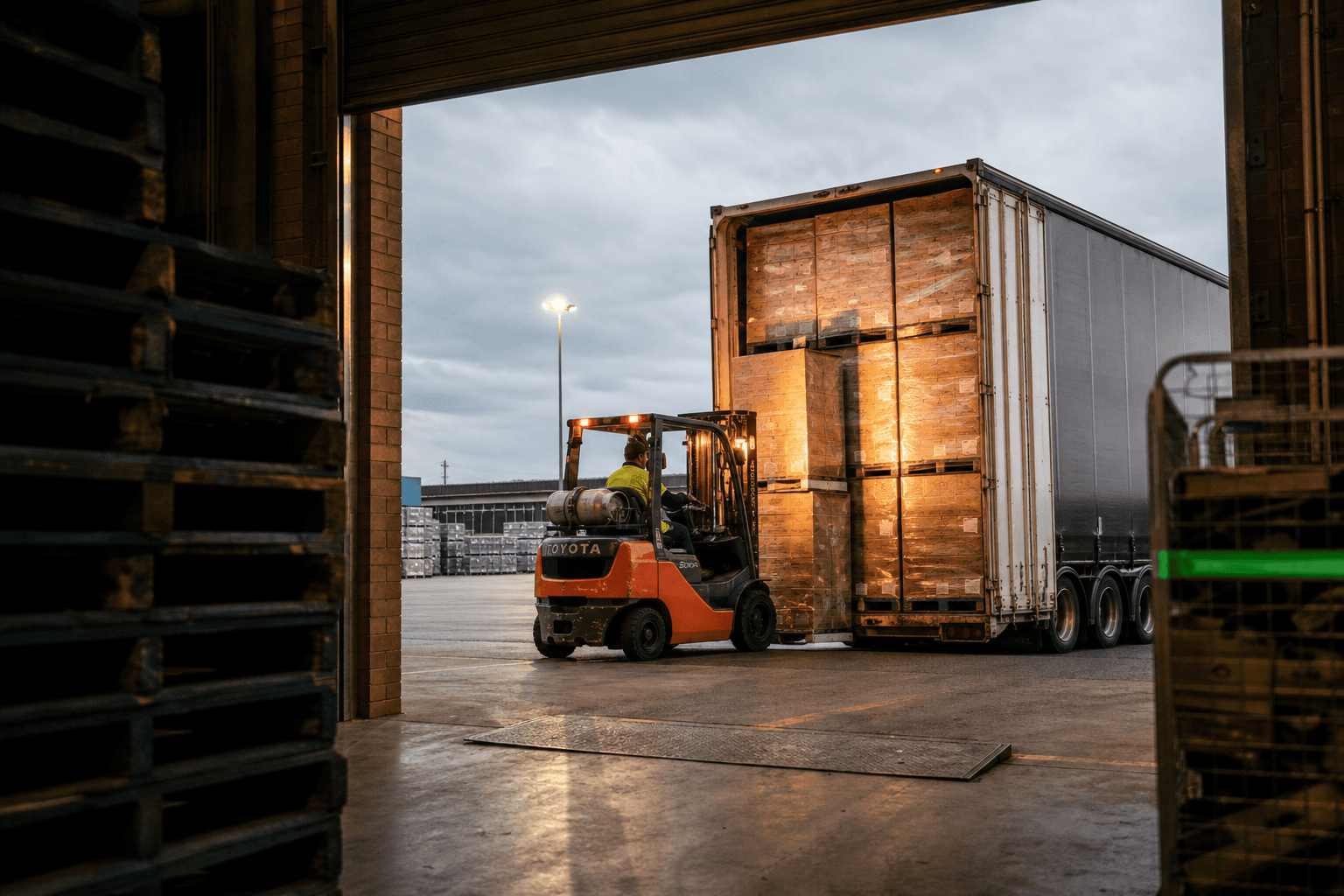
AI Load Planning and Cube Utilisation for Freight
AI load planning lifts trailer cube utilisation by optimising what goes on a vehicle — a distinct problem from route optimisation. Learn what data it needs, how it layers onto an existing TMS, and how it connects to Scope 3 emissions reporting.
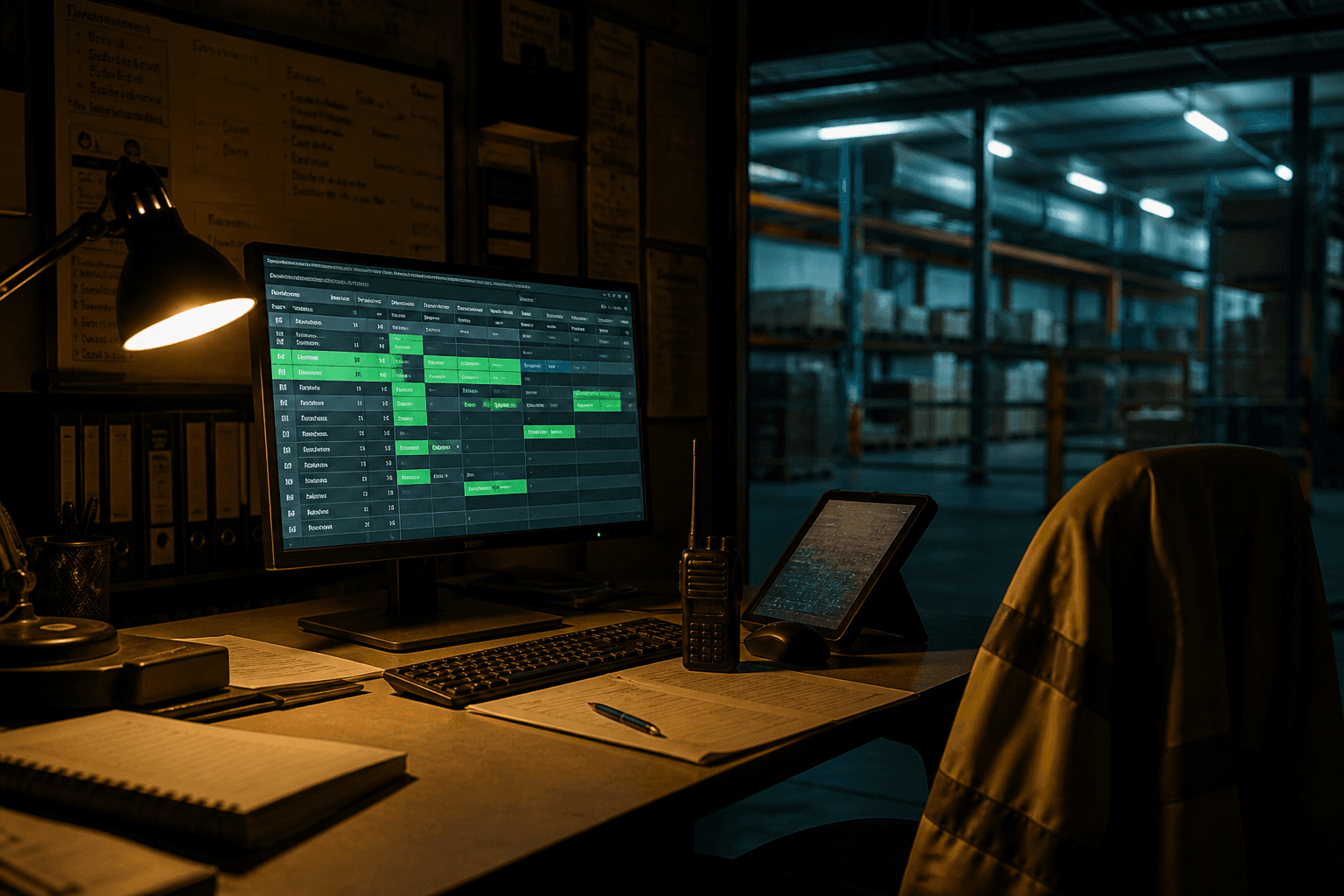
AI Workforce Scheduling for Warehouse Labour Efficiency
Most Australian warehouse operators still schedule labour with spreadsheets and text messages, creating overtime blowouts, missed SLAs, and compliance exposure. AI-driven scheduling fixes the root cause — mismatched supply and demand — without requiring a full WMS or TMS replacement.
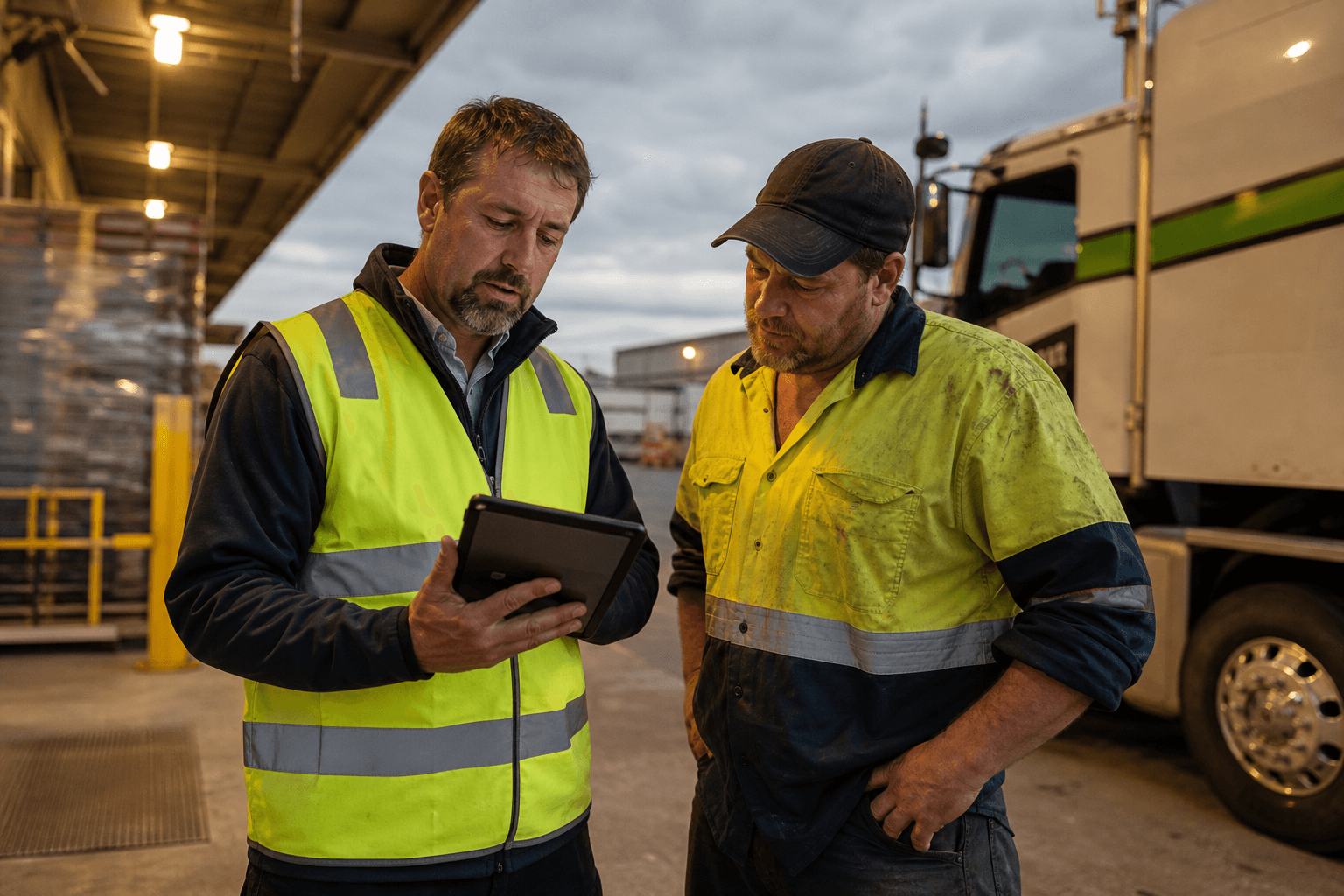
AI and Chain of Responsibility Compliance in Road Freight
AI can strengthen Chain of Responsibility record-keeping in road freight by structuring driver hour, vehicle check, and load data — but it doesn't replace the duty of care every party in the chain owes under the HVNL. Here's where AI genuinely fits, and what to check before you rely on any system.
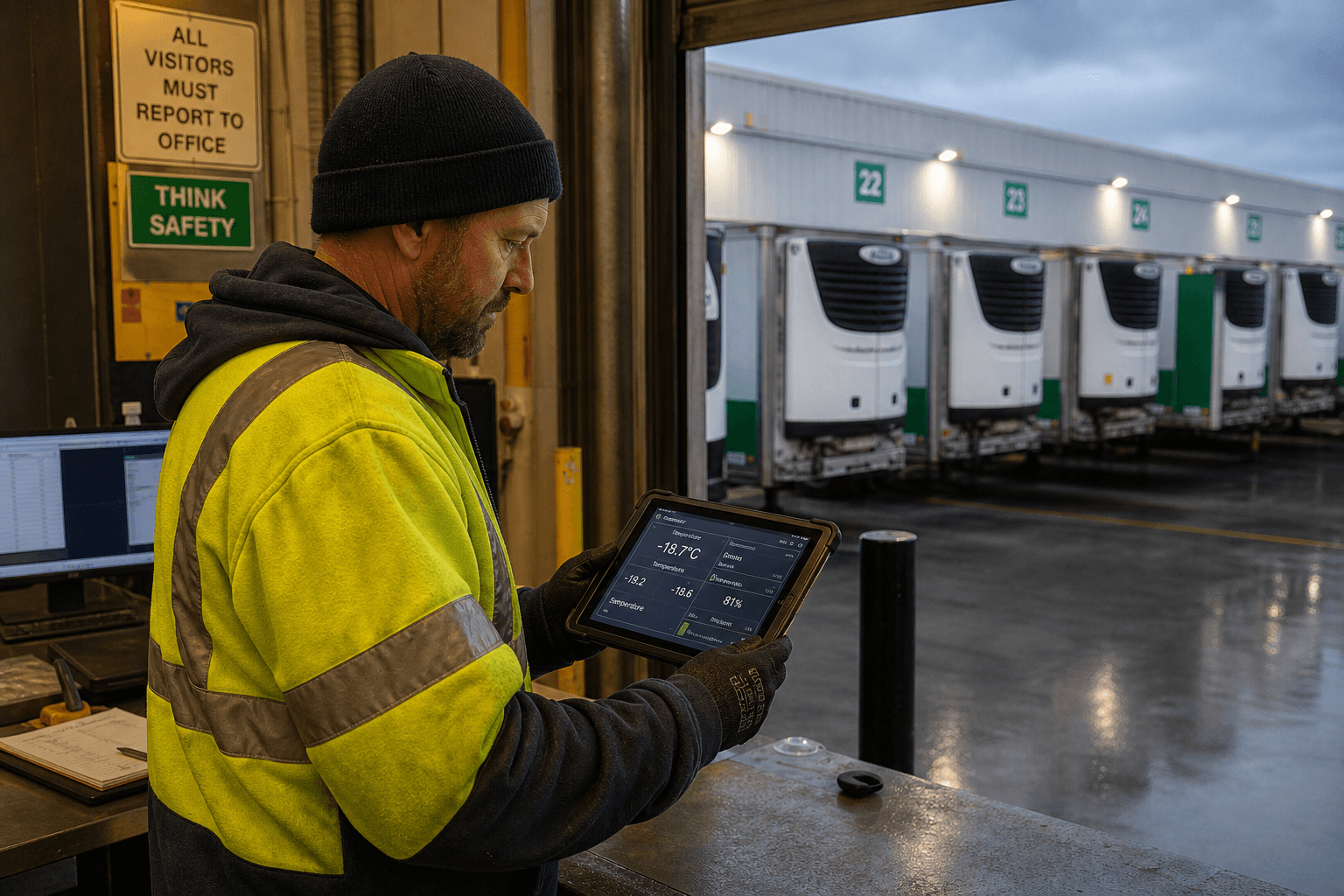
AI-Powered Cold Chain Monitoring for Australian Logistics
AI is increasingly layered onto existing cold chain sensors and telematics to catch temperature anomalies earlier and automate compliance documentation. Here's how it works for Australian refrigerated freight and cold storage operators.
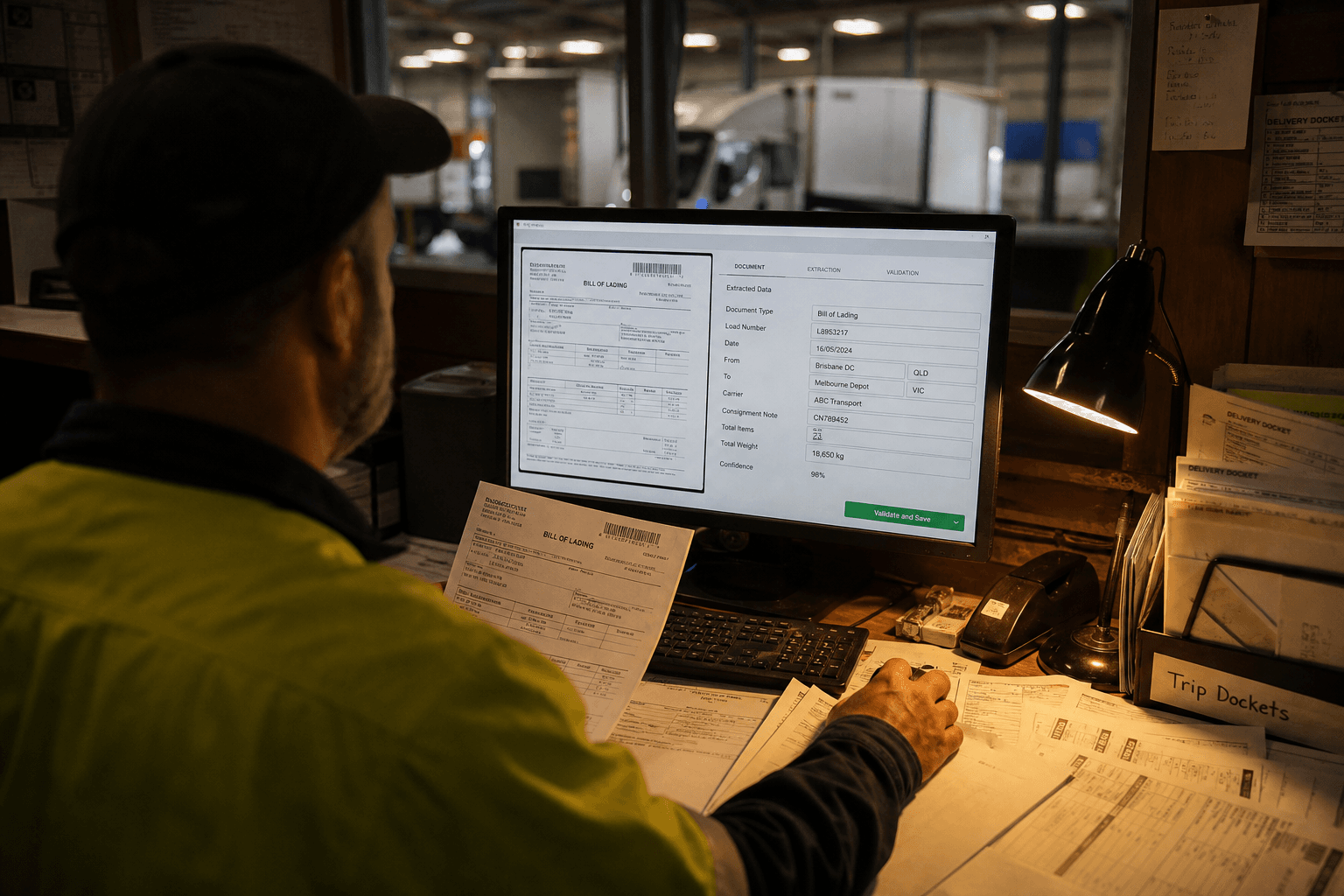
Document Intelligence for Logistics: A Practical Guide
Document intelligence uses AI to extract and validate data from BOLs, invoices, manifests, and PODs — replacing manual re-keying with structured, automated data flows. Here's a practical guide for Australian logistics operators on what's achievable today and where to start.
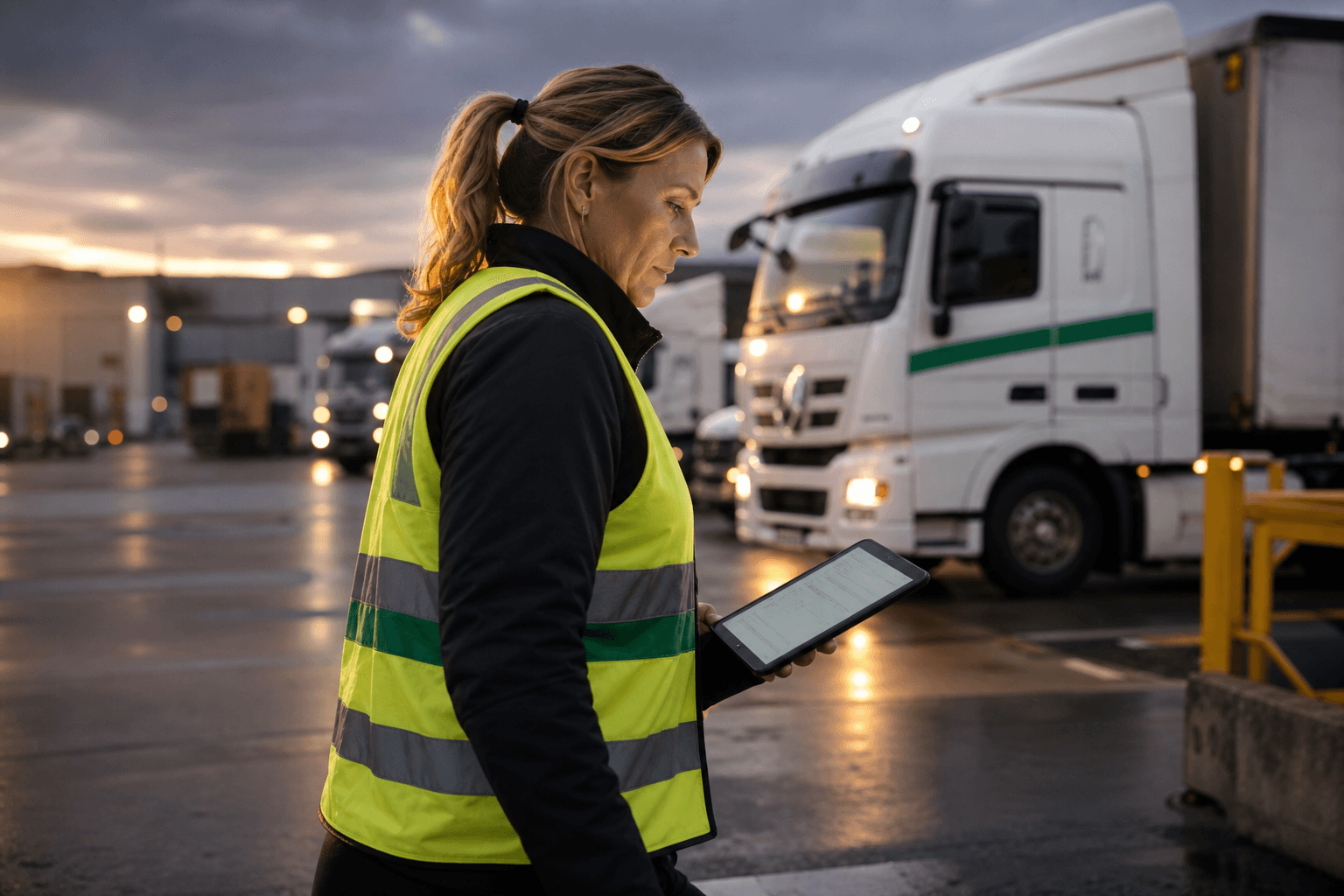
Using AI to Reduce Freight Costs: A Guide for Australian Carriers
AI-driven freight rate intelligence is becoming one of the clearest ways Australian carriers and 3PLs reduce cost-per-shipment. Here's how it works, what data it actually requires, and what has to happen first.
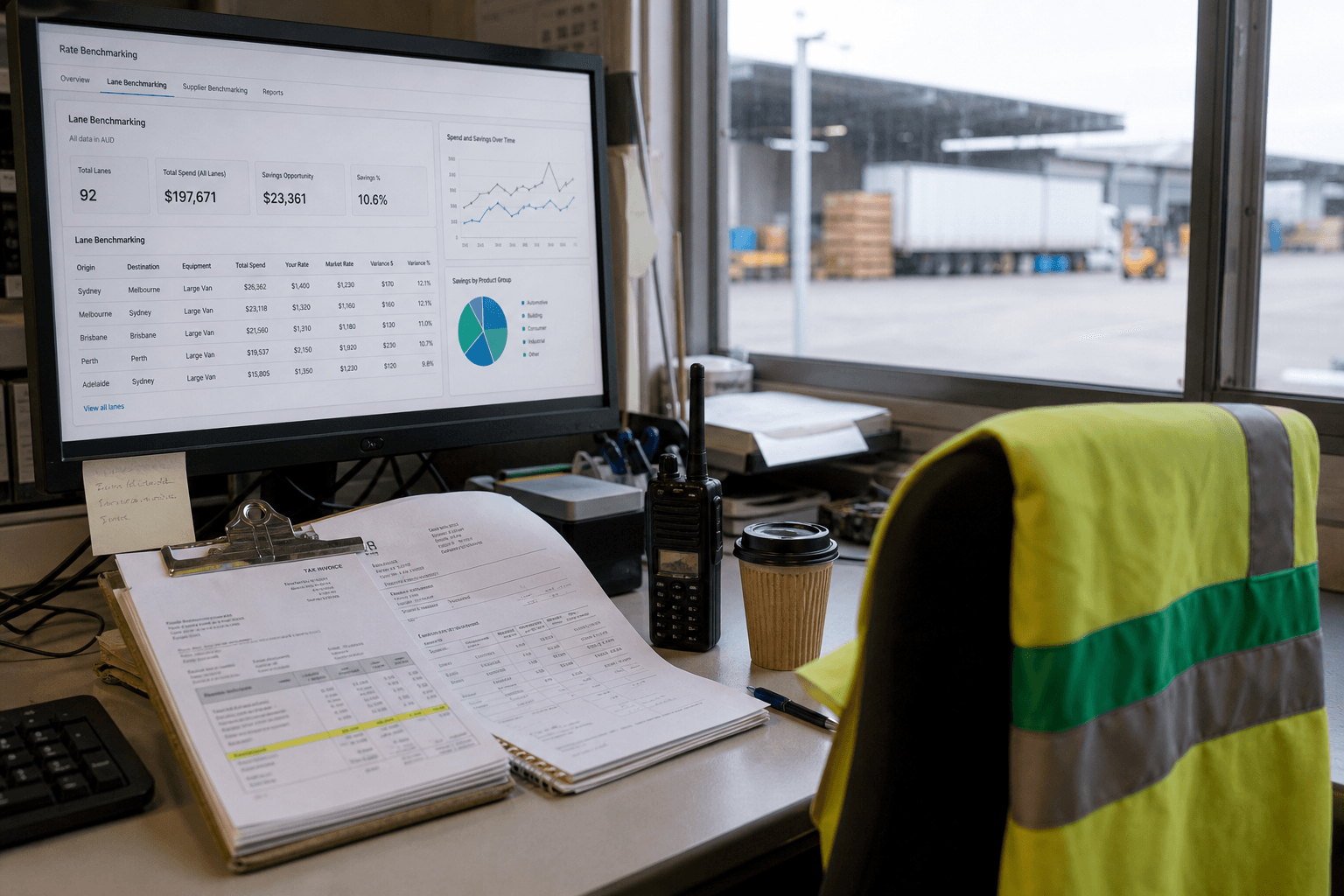
AI in Logistics: How AI Cuts Freight Cost for Australian Operators
AI reduces freight cost through four concrete mechanisms — dynamic pricing, anomaly detection, demand forecasting and negotiation support — but most commercial tools are calibrated for US freight data. Here's what that means for Australian carriers, 3PLs and warehouse operators, and what to fix first.
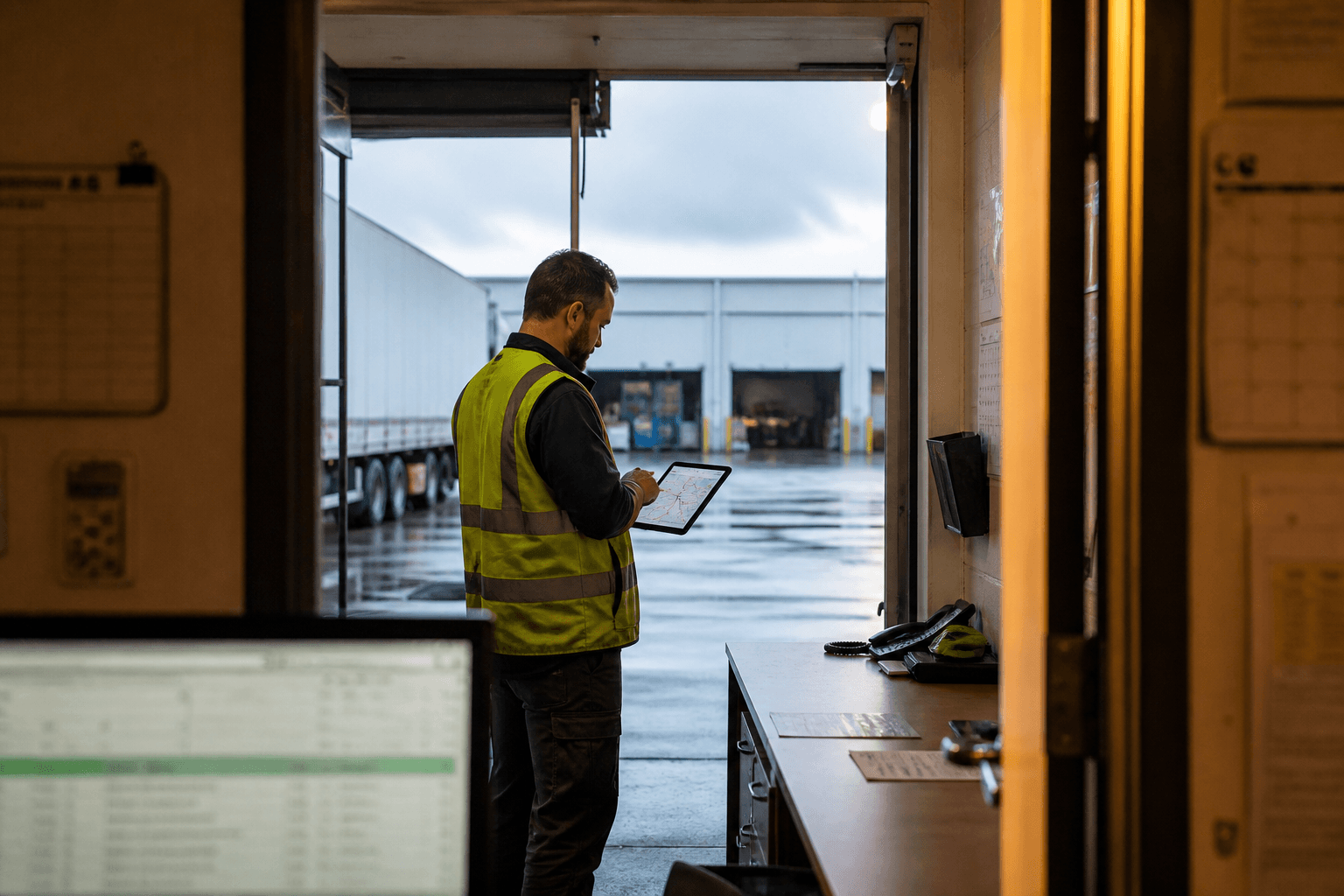
Proactive Exception Notification: AI-Driven Logistics Alerting
Proactive exception notification uses AI to flag freight delays, weather disruption, and capacity constraints before they escalate — but it only works once your TMS, WMS, and EDI data are properly integrated. Here's how the detection and mitigation pieces fit together.