Insights
AI, logistics, and digital transformation for Australian operators.
Spam Act & Privacy Compliant AI Notifications for 3PLs
Compliant AI-personalised freight notifications hinge on one distinction: transactional versus promotional content. This guide explains what the Spam Act 2003 and Privacy Act 1988 require before 3PLs roll out AI-driven SMS and email updates.
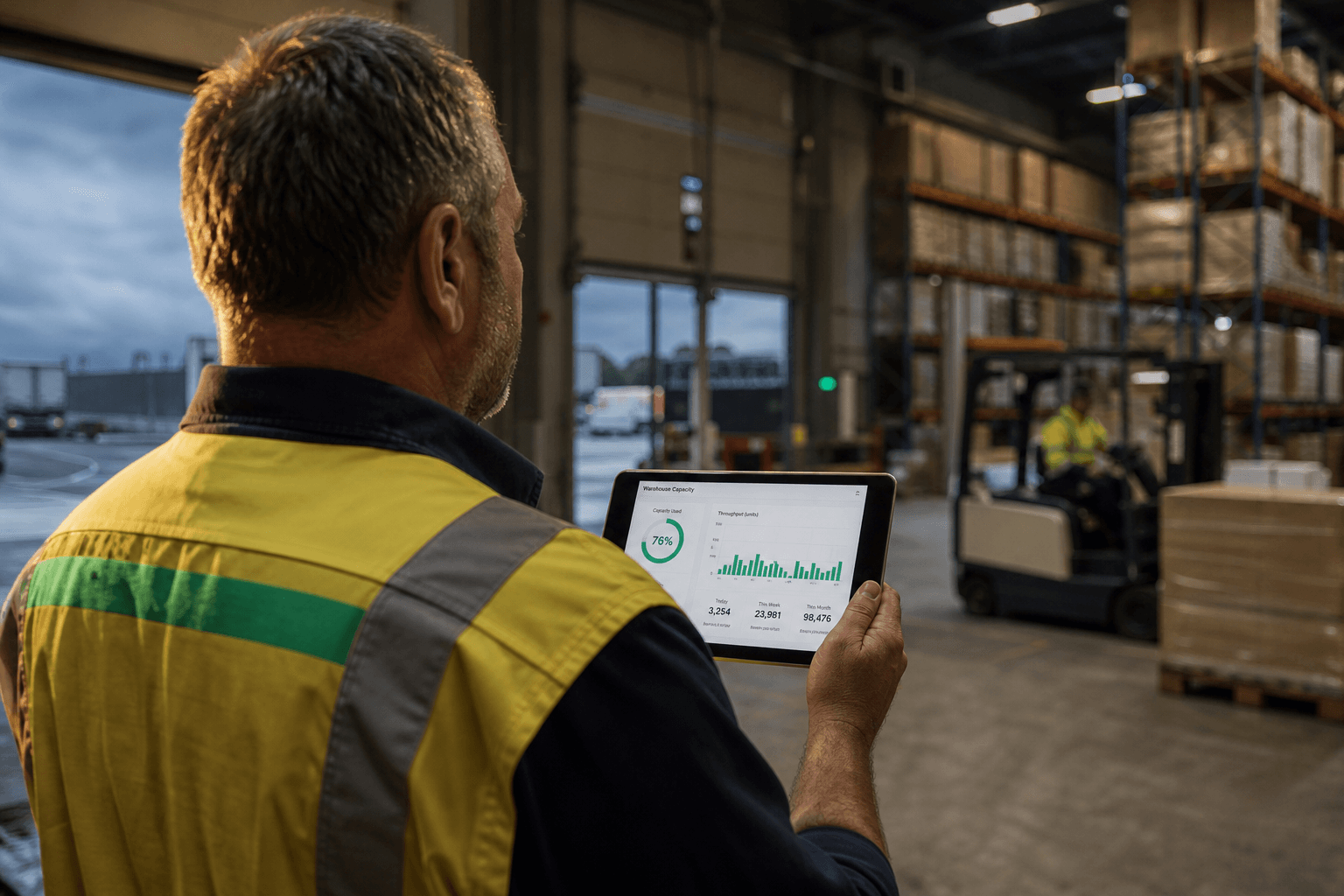
AI-Driven Warehouse Footprint Planning for Growing 3PLs
Growing 3PLs often don't realise they're out of warehouse capacity until service levels slip and lease renegotiation becomes urgent. This article looks at how AI-driven throughput and utilisation forecasting gives operators the visibility to decide — ahead of time — when to expand, consolidate, or renegotiate.
AI-Powered SLA Reporting for 3PL Customer Contracts
AI-powered SLA reporting automates the compilation of contracted performance metrics by pulling data straight from your TMS, WMS, and telematics systems — eliminating the manual spreadsheet reconciliation most 3PLs still rely on. Here's what it actually automates, and what needs to be in place first.
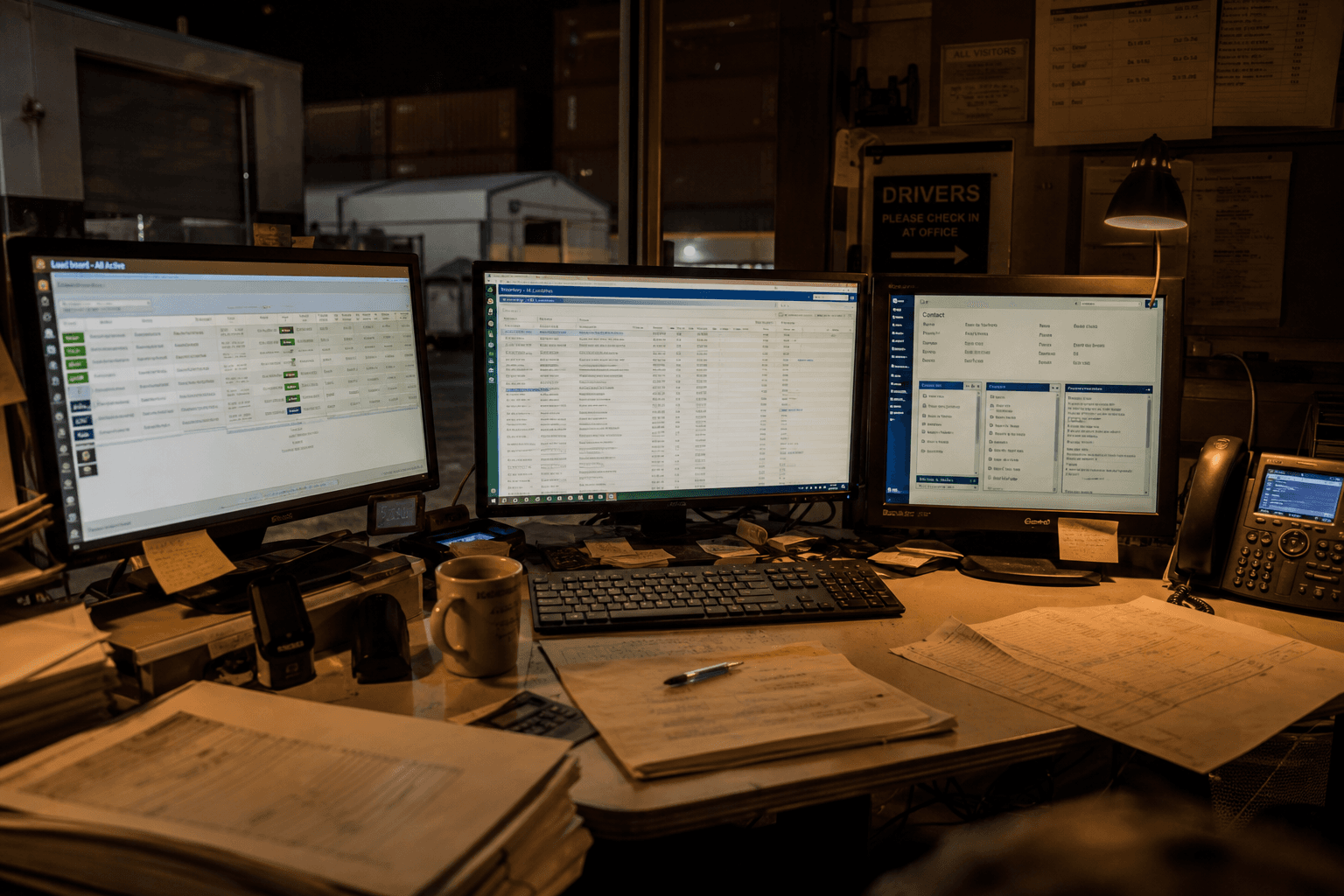
Unifying TMS, WMS and CRM Data for a Single 3PL Customer View
3PL account managers often juggle three or four disconnected systems just to answer a basic customer question. This guide explains how AI-driven data integration can unify TMS, WMS and CRM data into a single customer view without a full system replacement.
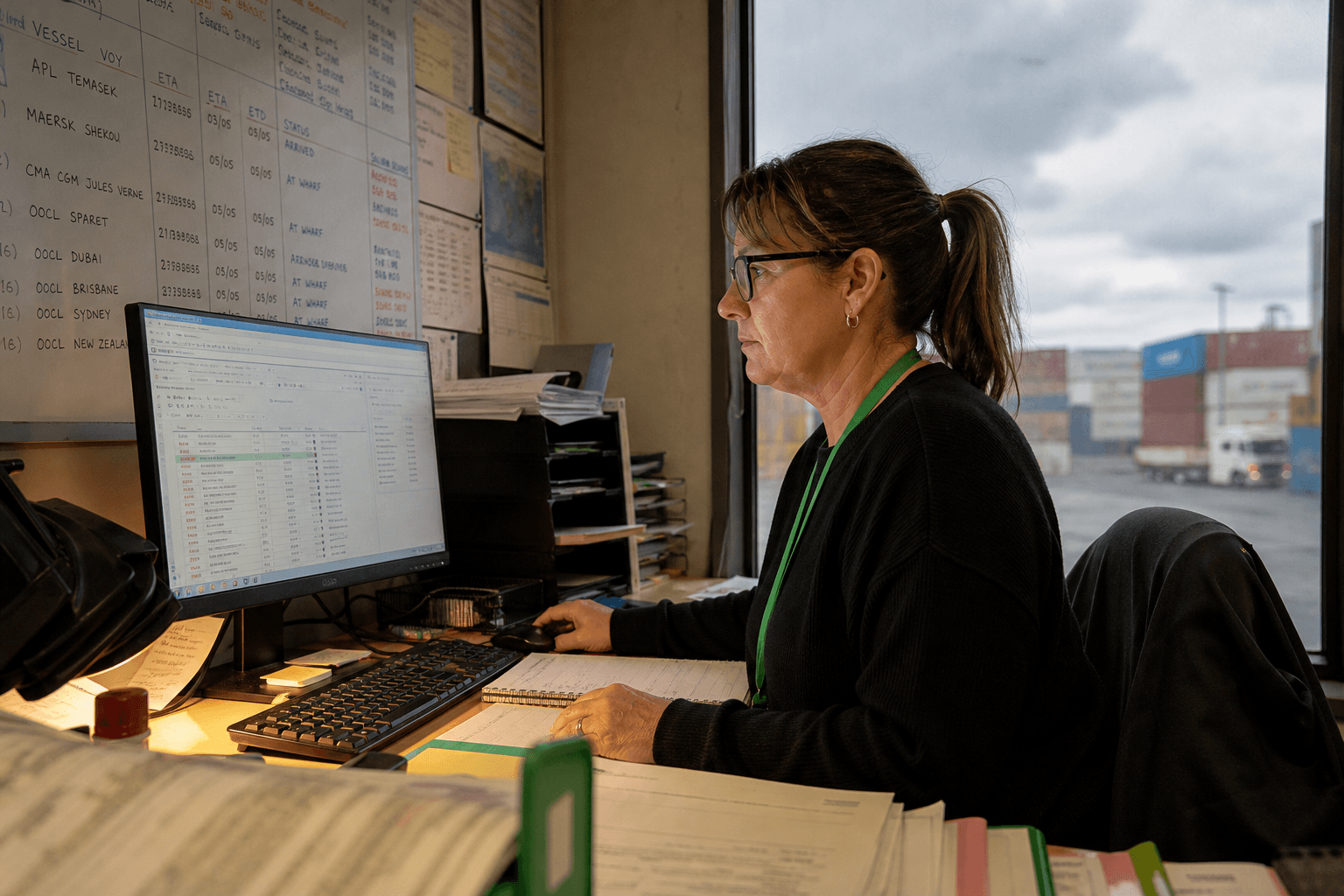
AI-Assisted Container and Slot Booking for Freight Forwarders
AI-assisted container and slot booking uses AI to match freight bookings against carrier schedules and capacity, confirming allocations automatically and flagging conflicts before they cause delays. This piece explains what it is, why manual booking processes break down, and how it can be layered onto an existing TMS without a full system replacement.
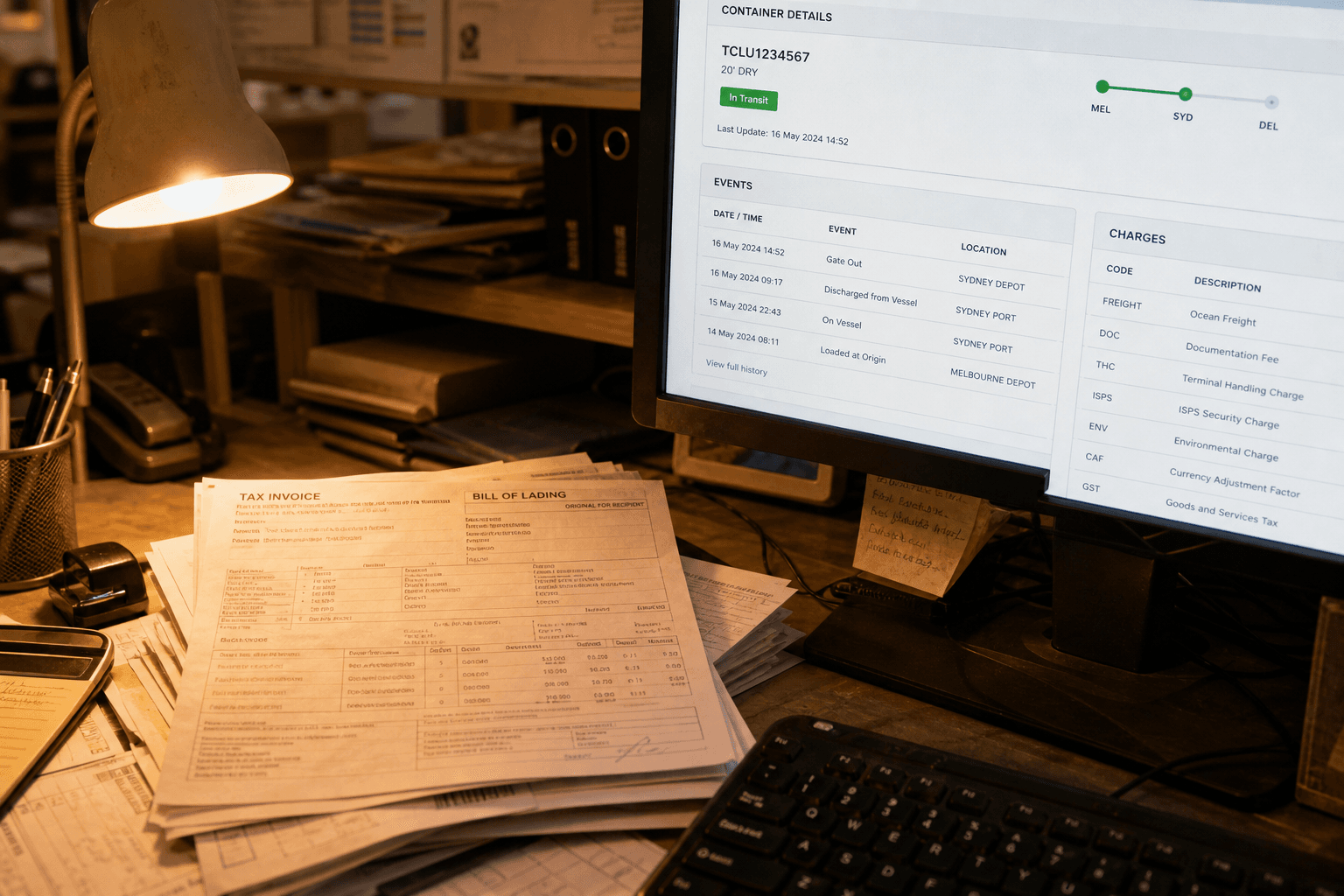
Recovering Demurrage and Detention Costs With AI
Demurrage and detention charges are among the most commonly missed revenue recovery items in freight forwarding, largely because the evidence needed to dispute them is scattered across systems. AI-driven document capture and contract-term matching can close that gap before dispute windows close.

AI Schedule Reliability Tracking for Freight Forwarders
Freight forwarders quoting ETAs on carrier schedules they can't verify are flying blind. Here's how AI can turn scattered booking, carrier and port data into a usable signal for predicting delays — without ripping out your existing TMS.
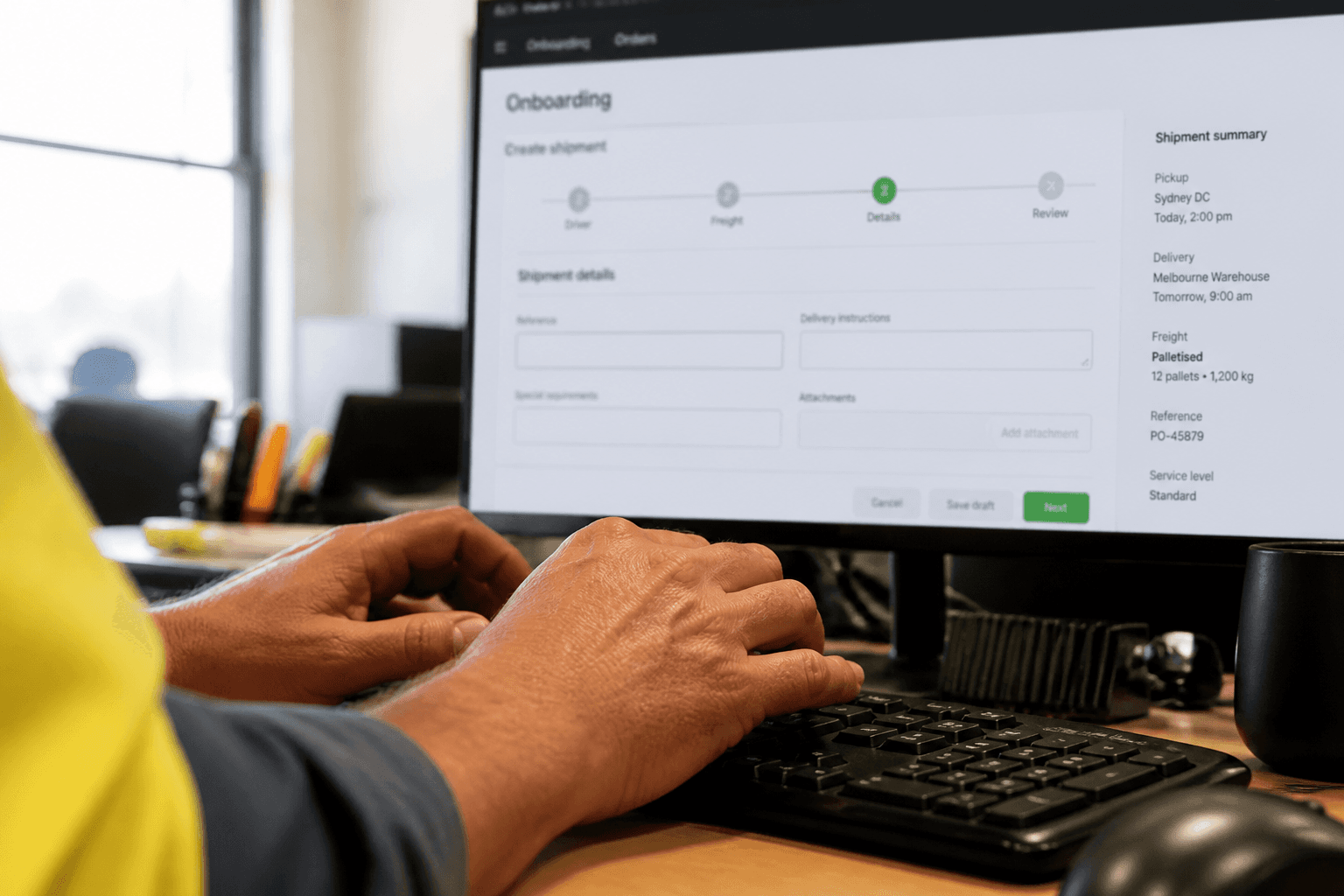
How AI Cuts Time-to-Ship for 3PL Onboarding
AI shortens 3PL time-to-ship by automating the manual SKU setup, EDI mapping, and SLA configuration that typically stalls new contract onboarding for weeks. Here's where AI actually helps, and where a packaged integration tool isn't enough.

Tracking Vessel & Container Schedule Reliability with AI
Carrier delays and inconsistent schedule data put freight forwarders in an impossible position: quote an ETA and hope. Here's how AI-based schedule reliability tracking turns scattered carrier and port data into an early warning system.