Insights
AI, logistics, and digital transformation for Australian operators.
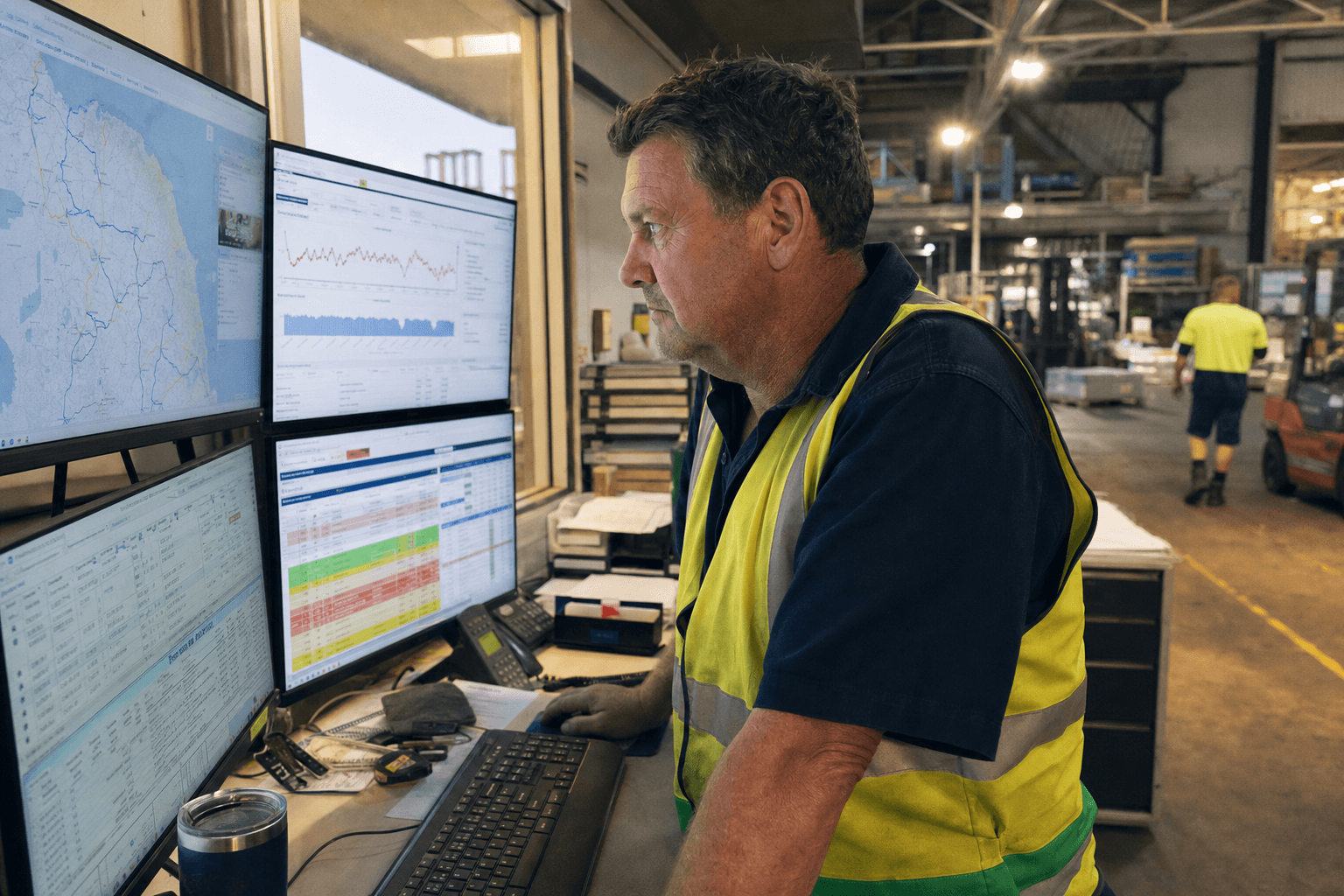
Freight Market Intelligence Automation with AI for Logistics
AI-powered freight market intelligence automation helps Australian logistics operators make better pricing, capacity, and route decisions by continuously monitoring market data in real-time. Learn how to transform reactive operations into proactive market intelligence.
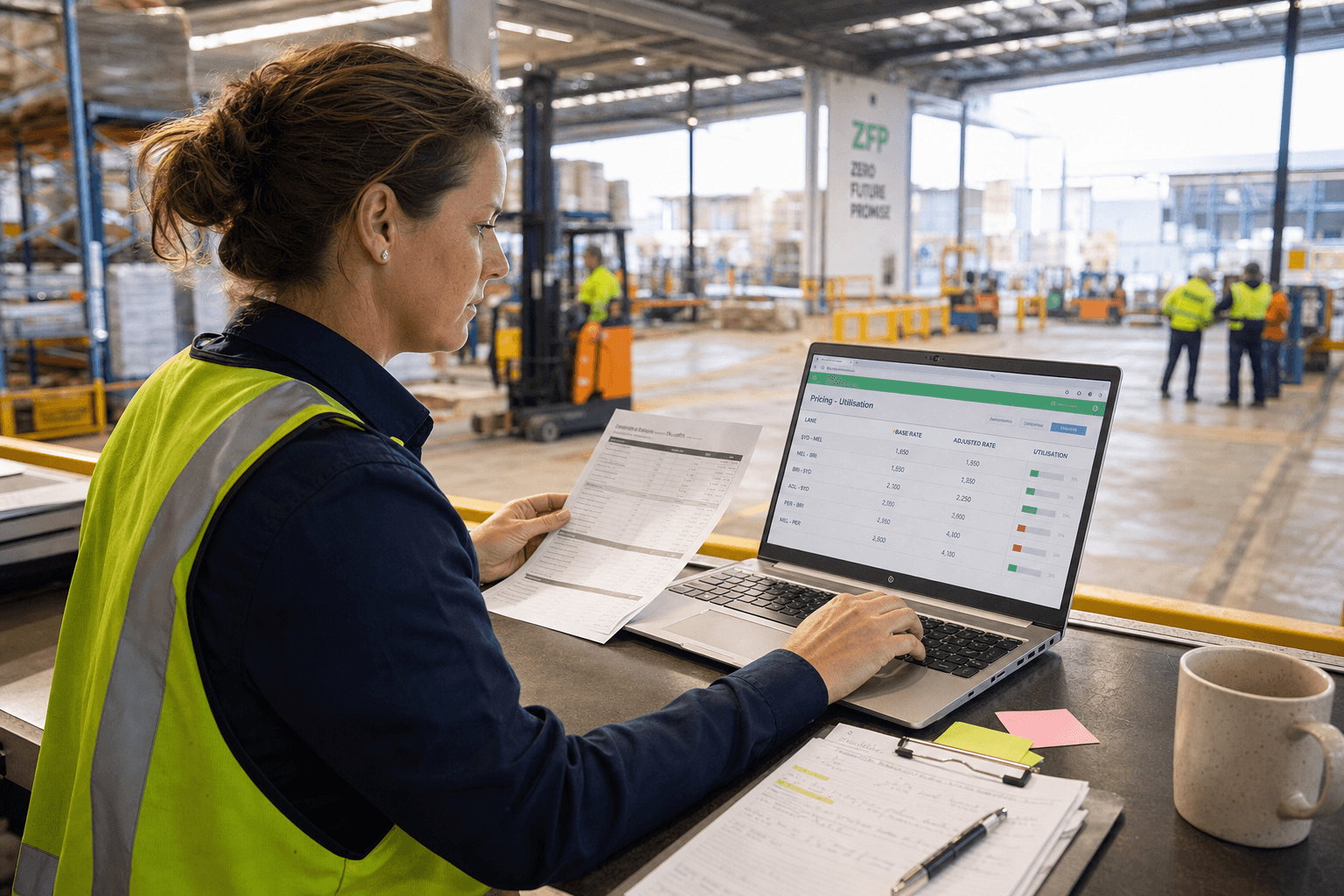
Dynamic Pricing for 3PLs: AI-Driven Rate Optimisation
AI-driven dynamic pricing helps Australian 3PLs maximise revenue by adjusting rates in real-time based on capacity, demand patterns, and market conditions. Learn how to implement systematic pricing strategies that balance profitability with competitive positioning.
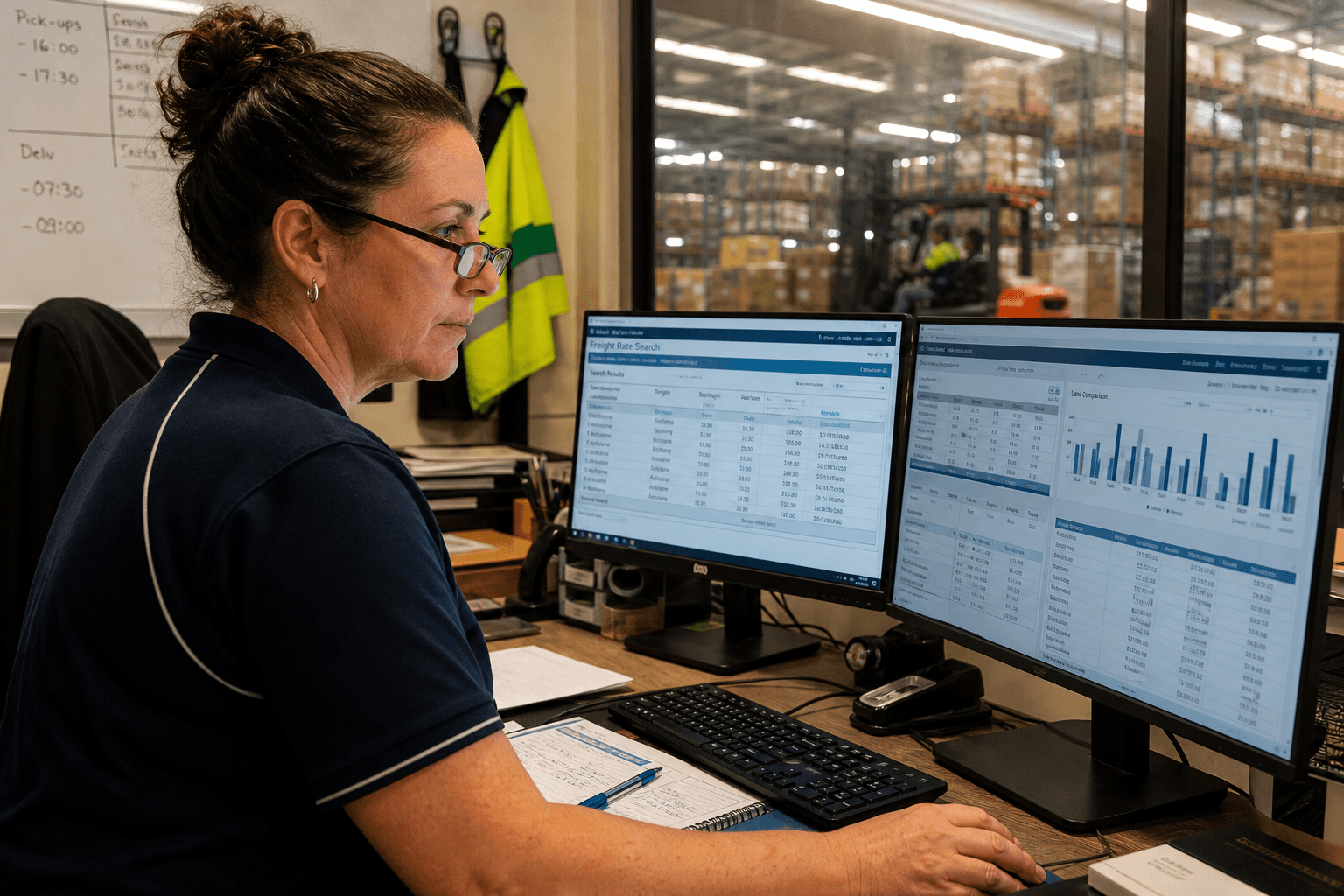
AI Rate Benchmarking Tools for Freight Procurement
AI rate benchmarking tools help Australian freight procurement teams compare carrier pricing across lanes and validate contract rates using real-time market data. These systems aggregate data from multiple sources to provide actionable insights for procurement decisions.
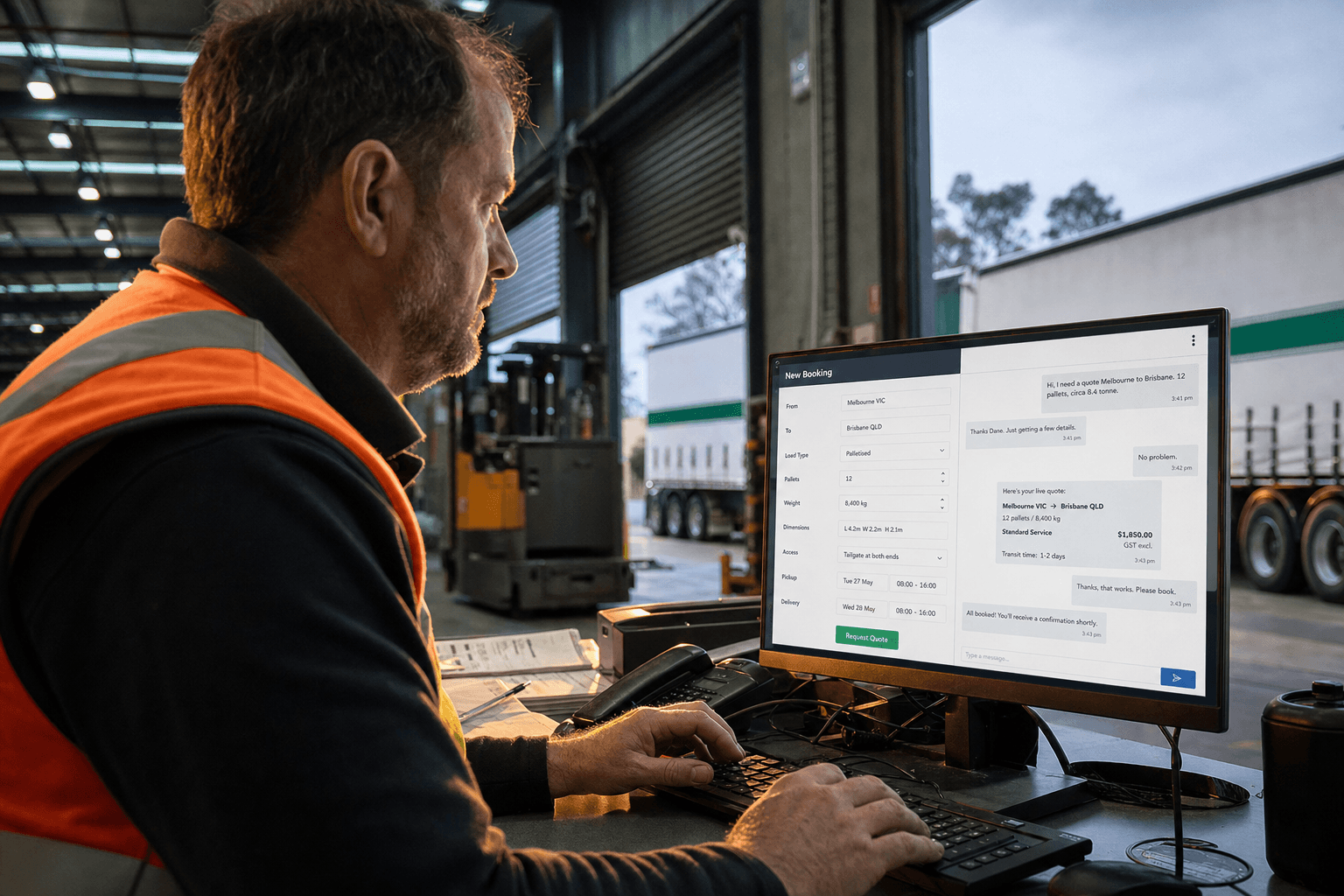
Conversational AI for Freight Enquiries: Australian Logistics Guide
Conversational AI transforms freight enquiry handling by automating quote generation, booking management, and customer interactions 24/7. Modern systems integrate with TMS/WMS platforms to provide instant responses while escalating complex requests to human operators.
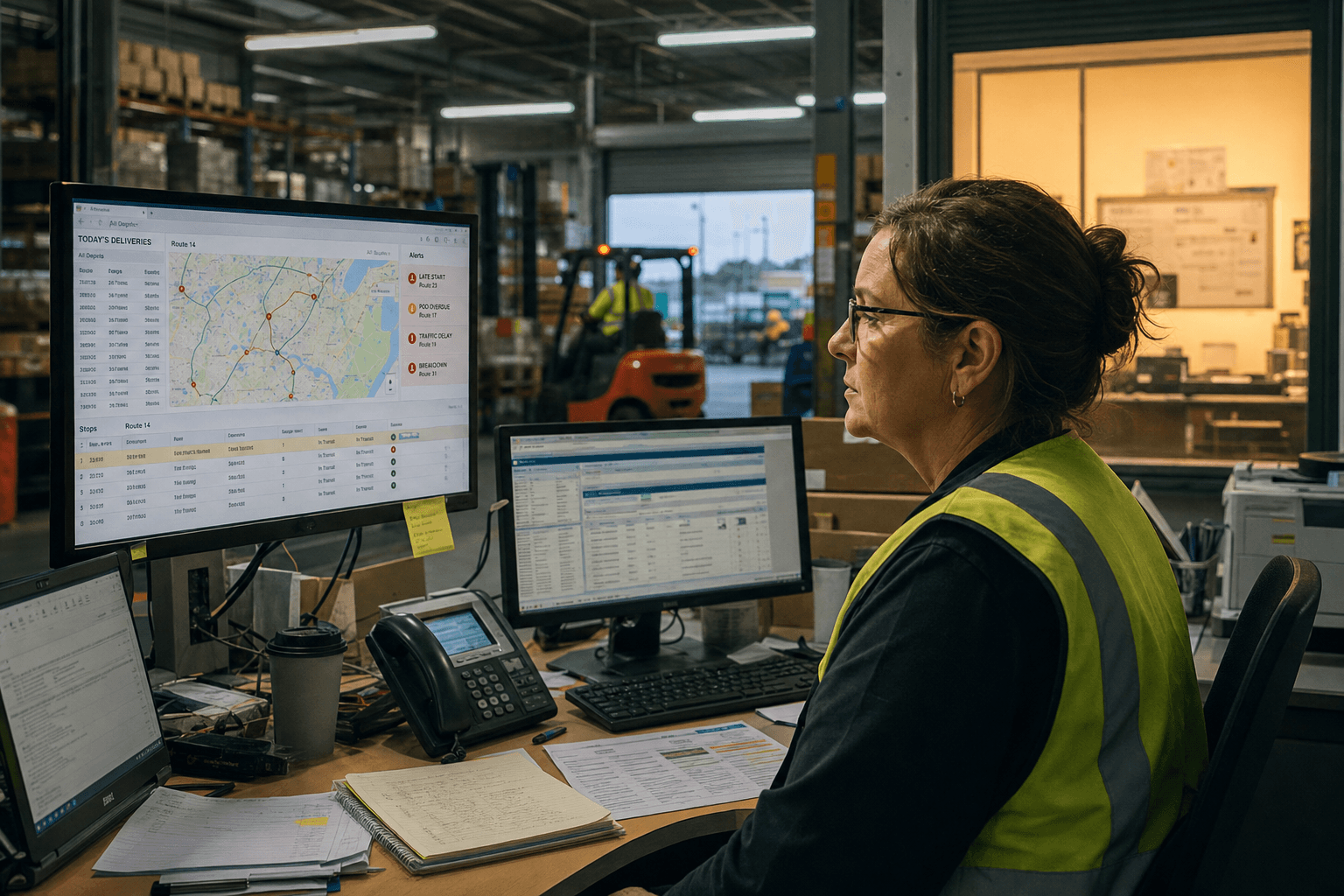
AI Exception Alerts: Preventing Logistics Disasters
AI-driven alerting systems continuously monitor logistics operations to detect potential disruptions before they cascade into costly problems. For Australian operators, proactive exception notification transforms reactive operations into predictive ones.
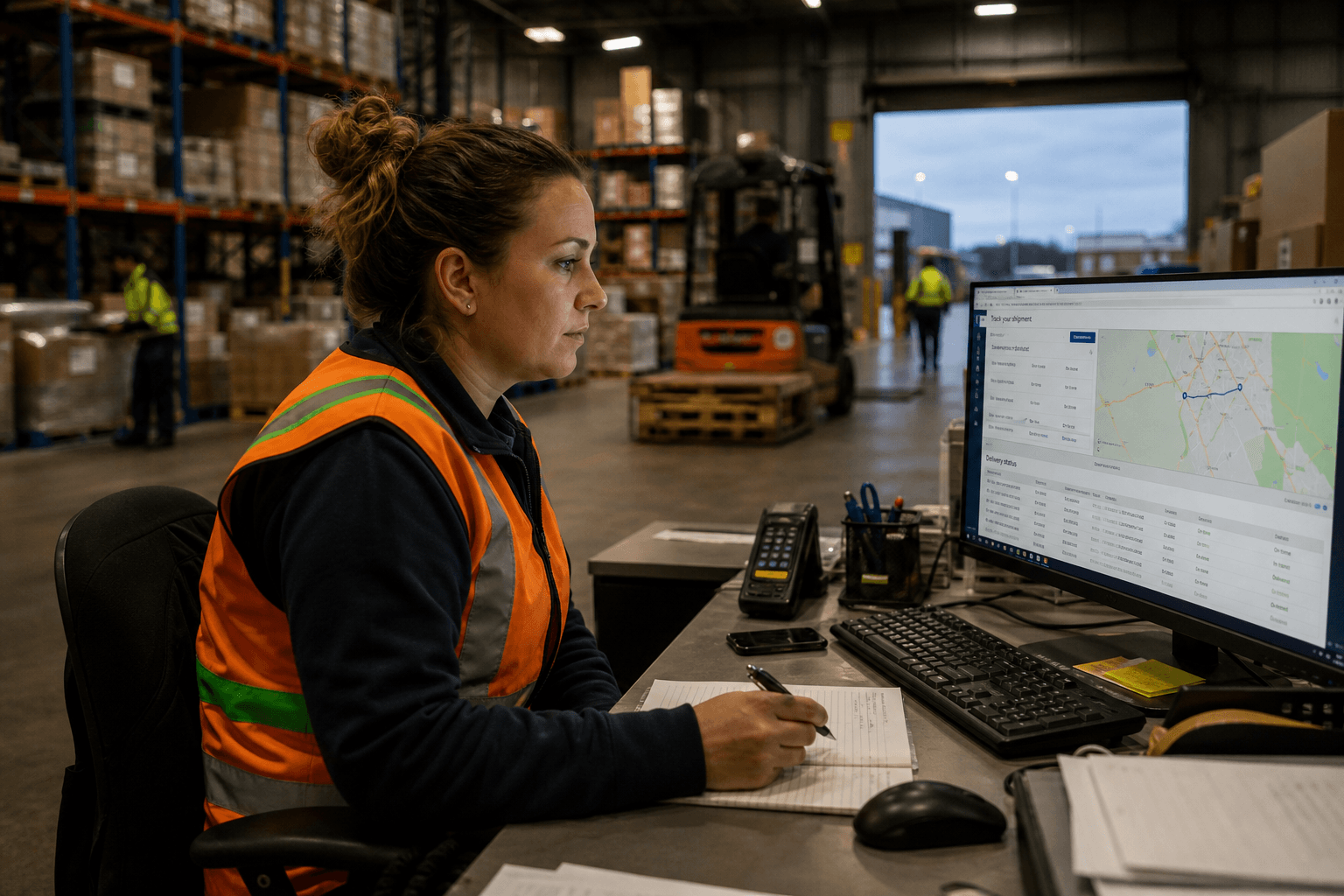
AI Self-Service Portals for Australian Freight Operations
AI-powered self-service portals transform customer experience for Australian freight operators by providing predictive tracking, intelligent document management, and personalised service recommendations. These systems reduce operational costs while meeting modern customer expectations.
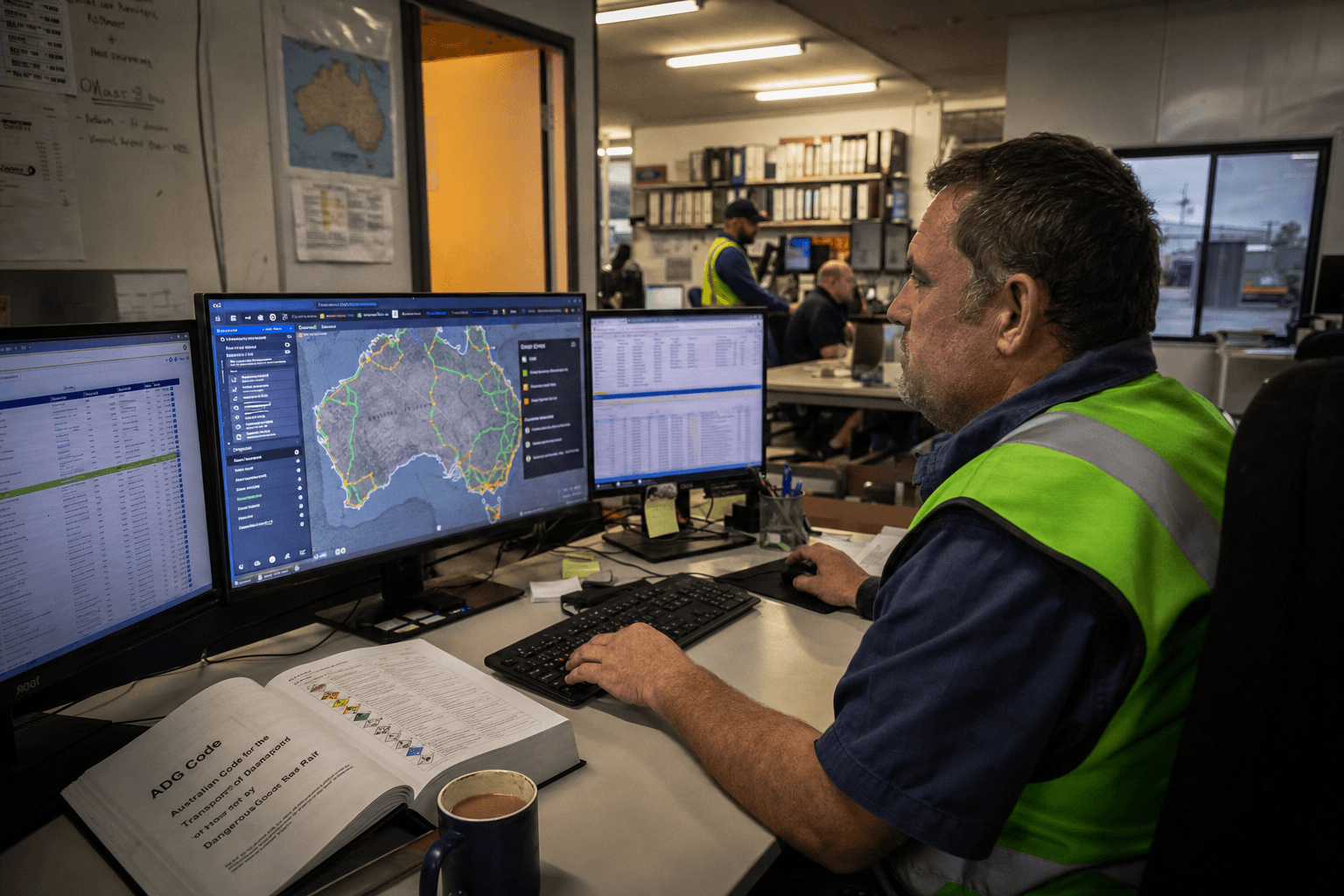
Hazmat Routing Compliance Automation with AI for Australian Logistics
AI systems automate hazmat routing compliance by applying ADG Code restrictions, tunnel categories, and population density rules to create compliant dangerous goods routes. These systems integrate with Australian transport authority databases to ensure regulatory compliance while optimising operational efficiency.
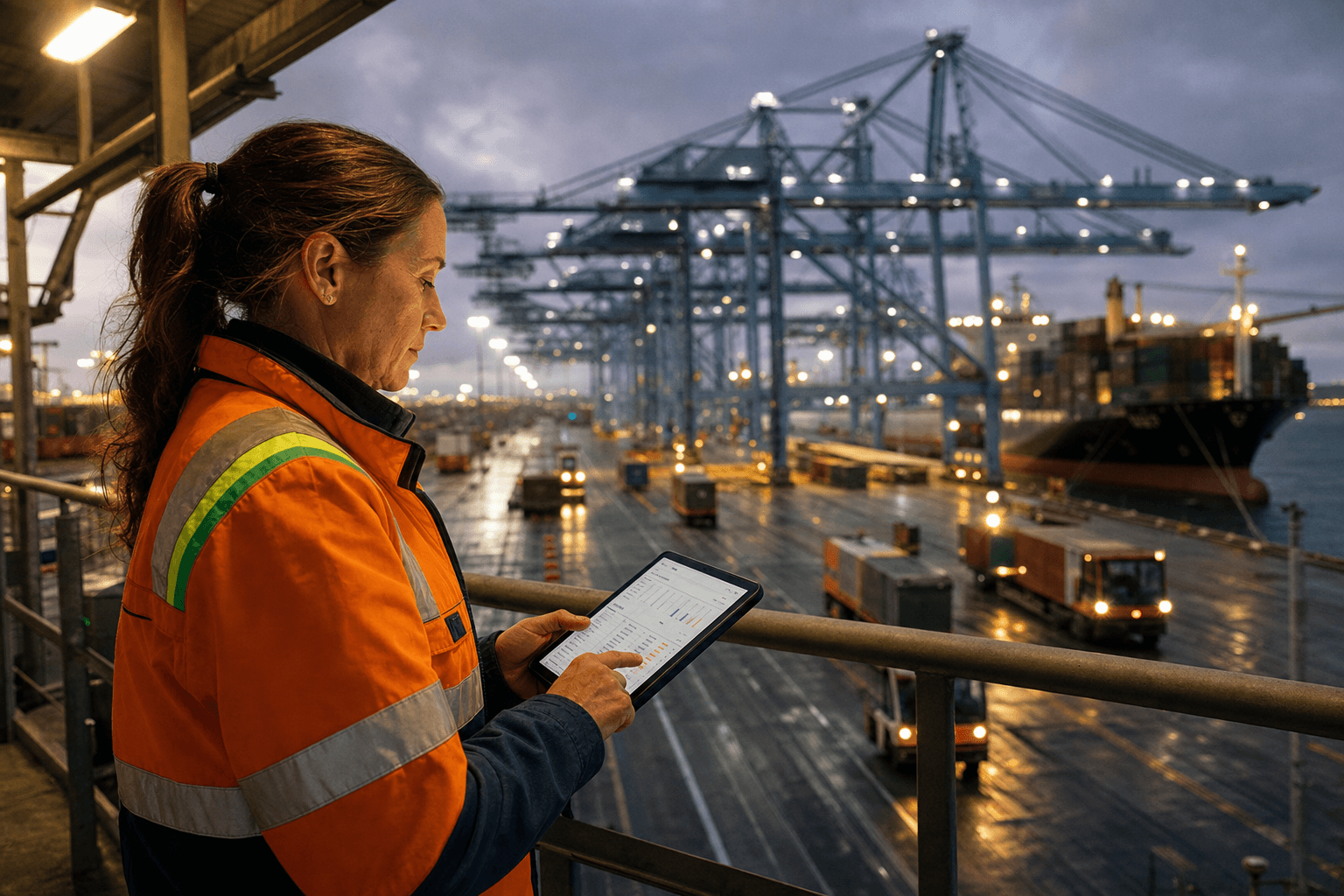
Port Automation Trends Reshaping Australia's Logistics Networks
Port automation across Australia is transforming cargo operations and creating new requirements for inland logistics operators. Australian logistics companies need to prepare for digital integration with automated terminals while building AI capabilities that optimise operations.
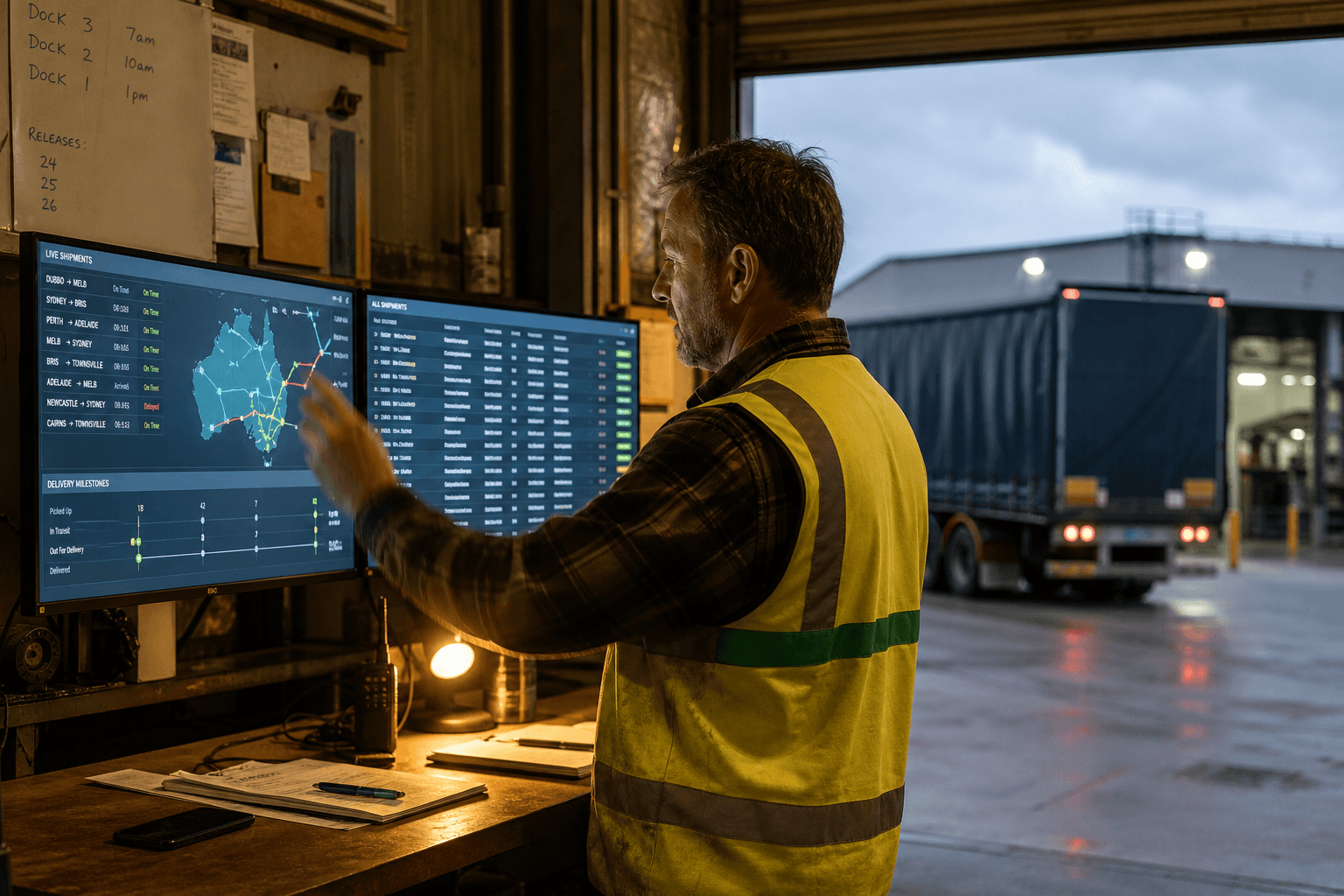
Event-Driven Architecture for Freight Operations
Event-driven architecture transforms freight operations by enabling real-time responses to shipments, deliveries, and capacity changes. Australian logistics companies are adopting these patterns to meet customer demands for immediate visibility.