Insights
AI, logistics, and digital transformation for Australian operators.
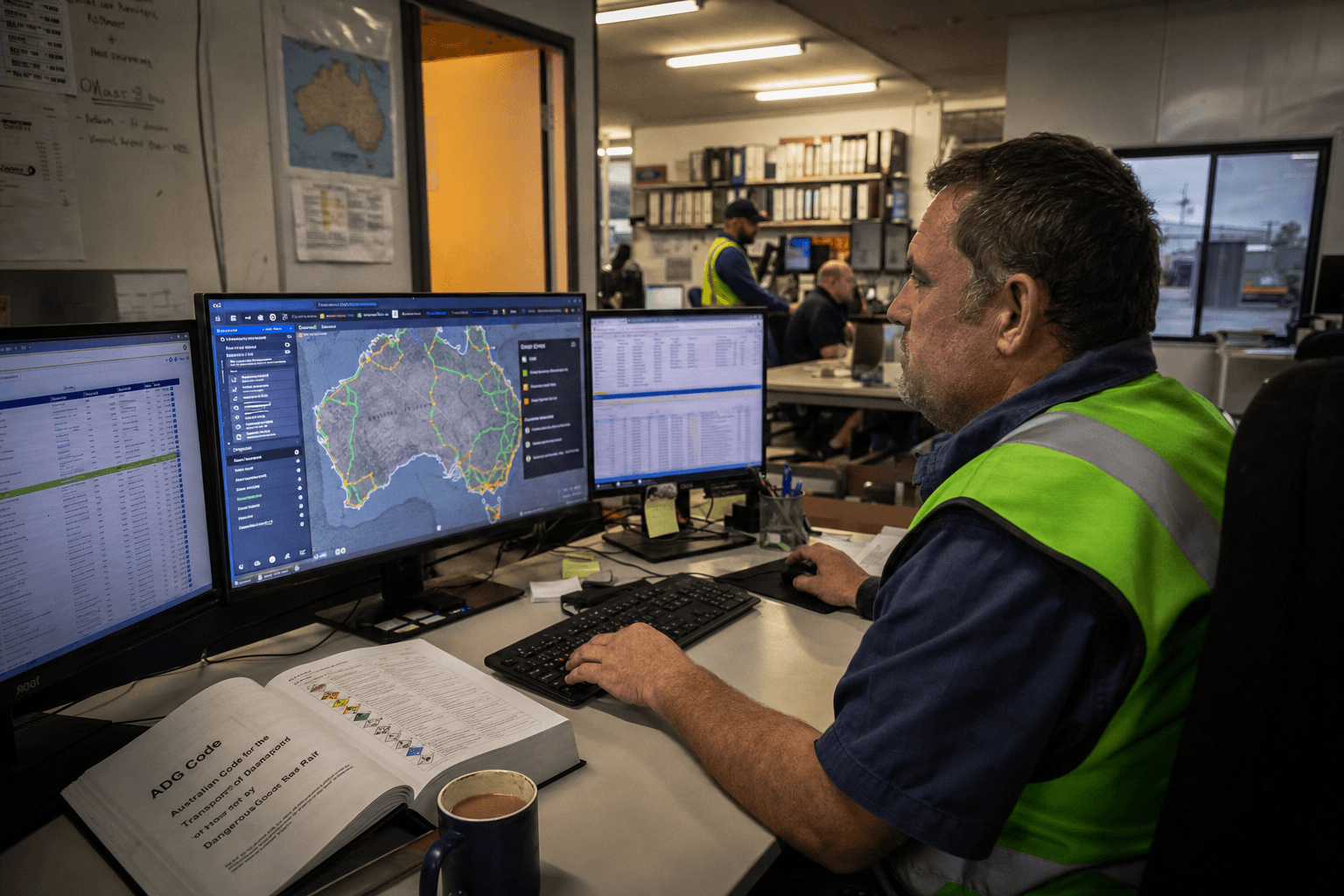
Hazmat Routing Compliance Automation with AI for Australian Logistics
AI systems automate hazmat routing compliance by applying ADG Code restrictions, tunnel categories, and population density rules to create compliant dangerous goods routes. These systems integrate with Australian transport authority databases to ensure regulatory compliance while optimising operational efficiency.
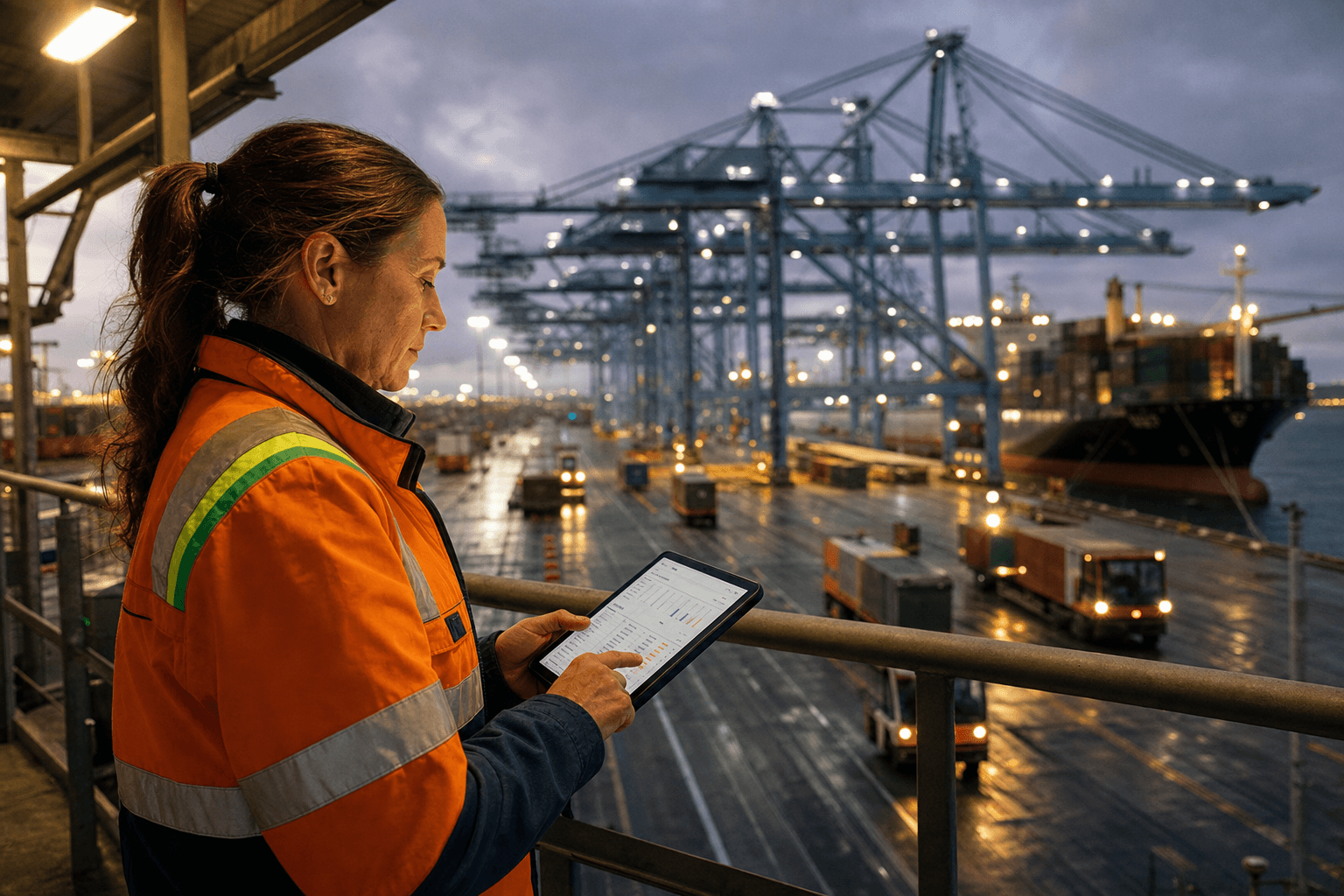
Port Automation Trends Reshaping Australia's Logistics Networks
Port automation across Australia is transforming cargo operations and creating new requirements for inland logistics operators. Australian logistics companies need to prepare for digital integration with automated terminals while building AI capabilities that optimise operations.
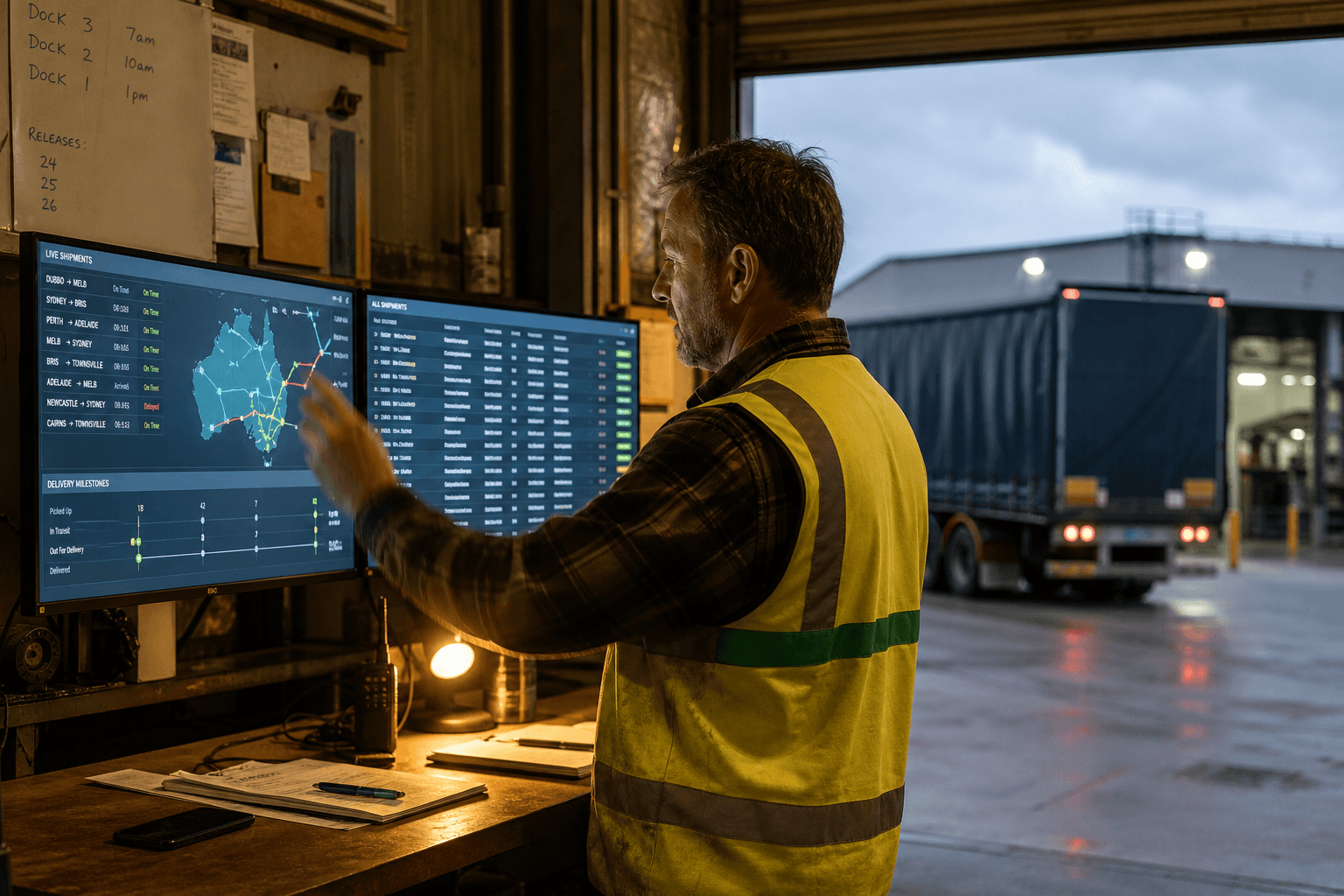
Event-Driven Architecture for Freight Operations
Event-driven architecture transforms freight operations by enabling real-time responses to shipments, deliveries, and capacity changes. Australian logistics companies are adopting these patterns to meet customer demands for immediate visibility.
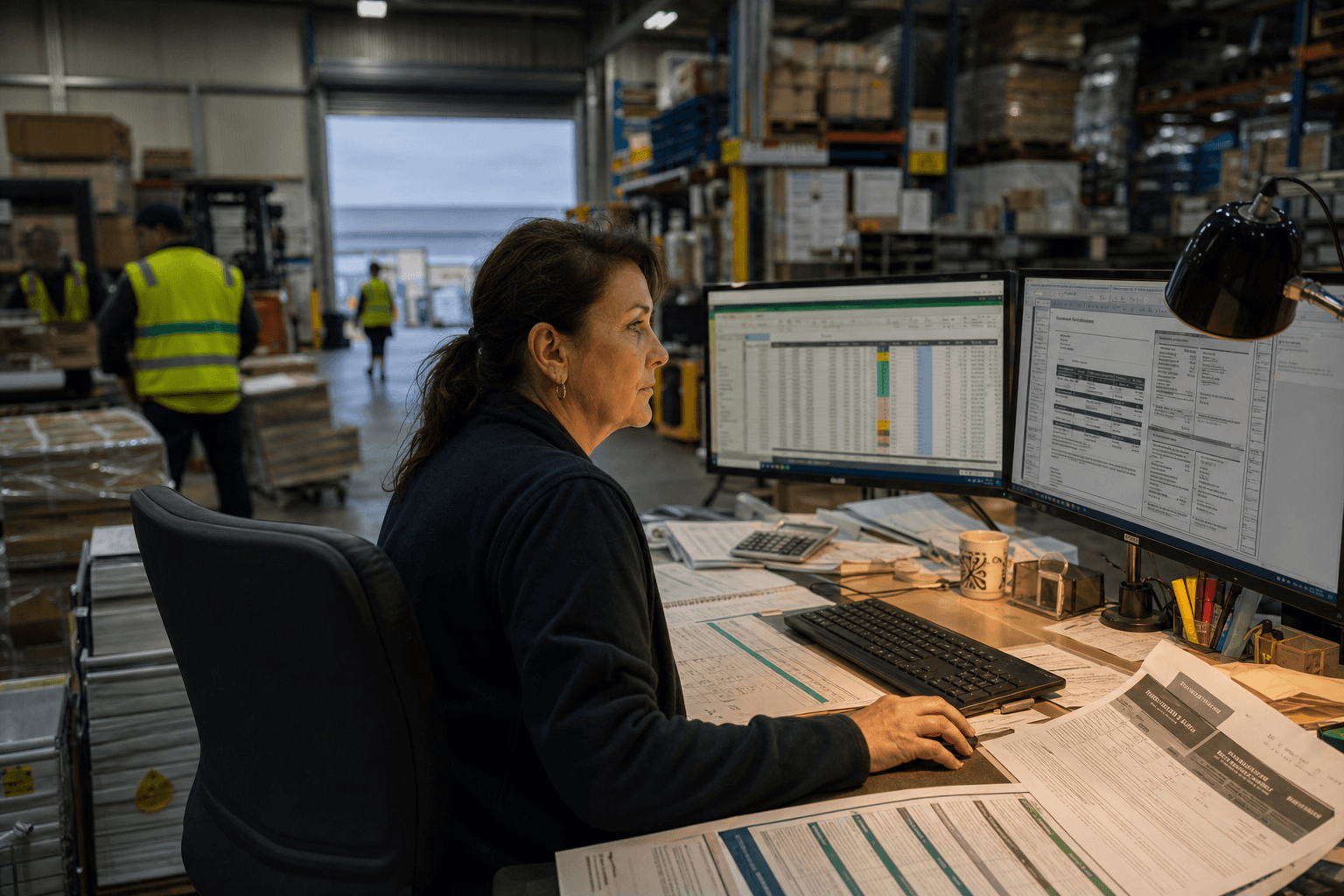
Automated Rate Card Extraction and Comparison with AI
AI-powered rate card extraction transforms freight procurement by automatically converting carrier PDFs and emails into structured data for systematic comparison. This eliminates manual transcription and enables automated benchmarking across carriers.
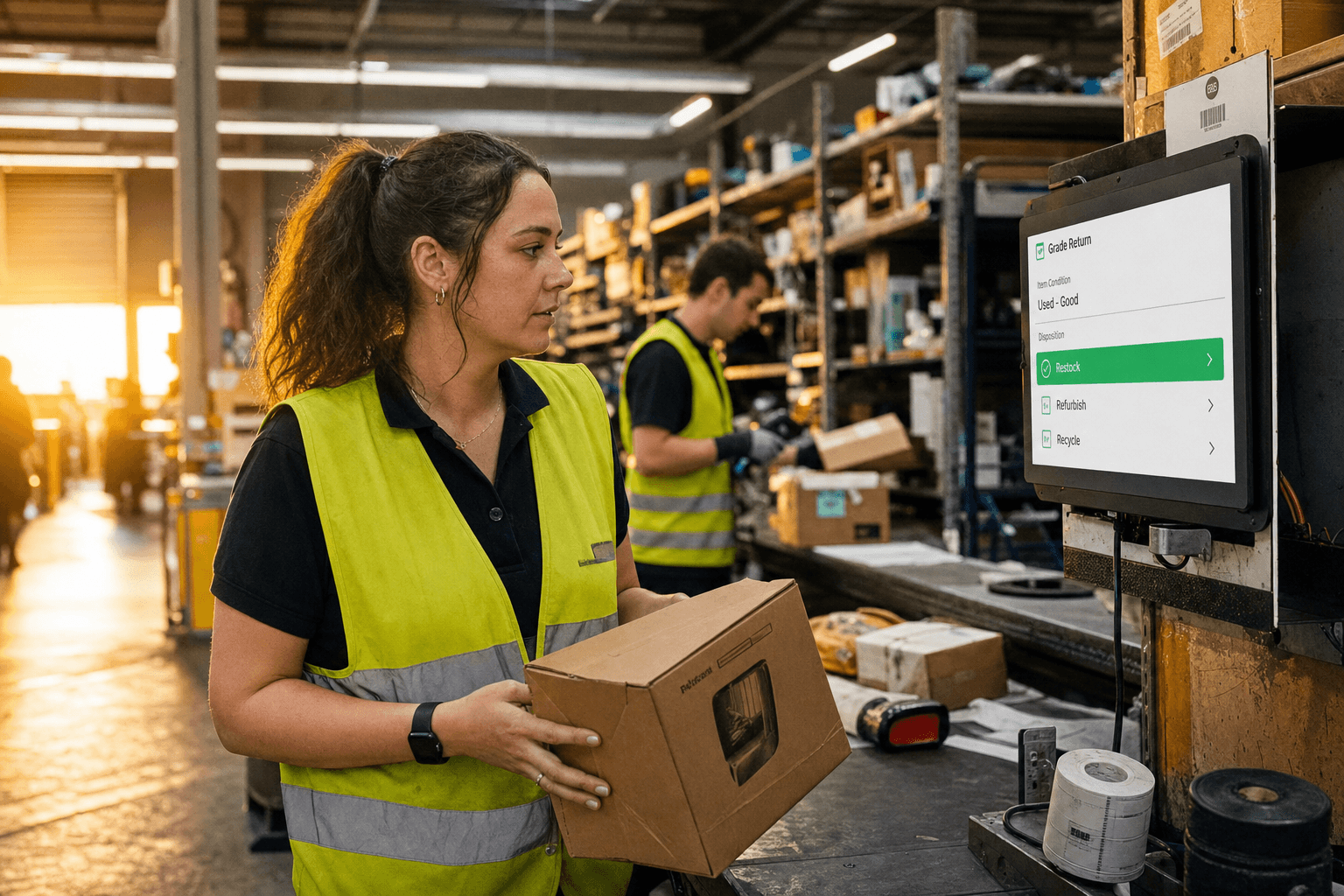
AI for Returns Processing: Turning Reverse Logistics into Value
Returns processing represents a significant cost centre for Australian logistics operators, but AI is transforming reverse logistics into value creation. Automated inspection, intelligent disposition routing, and predictive refurbishment decisions are helping warehouses maximise value recovery from returned goods.
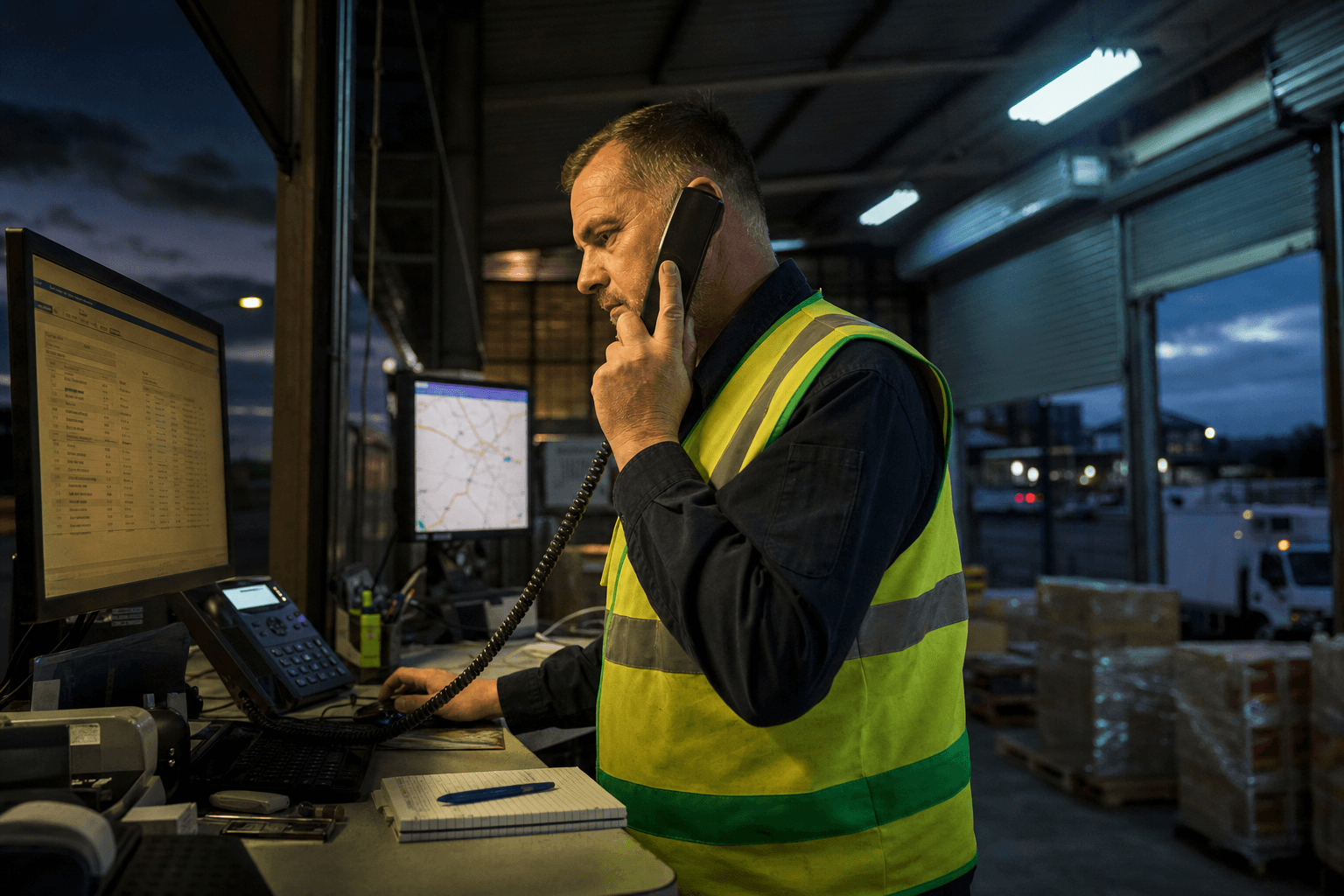
After-Hours Call Triage: How AI Keeps Logistics Running 24/7
AI voice agents are transforming after-hours logistics operations by intelligently triaging calls, routing emergencies to on-call staff, and capturing detailed messages for morning follow-up. Learn how smart call triage keeps your operations running 24/7.
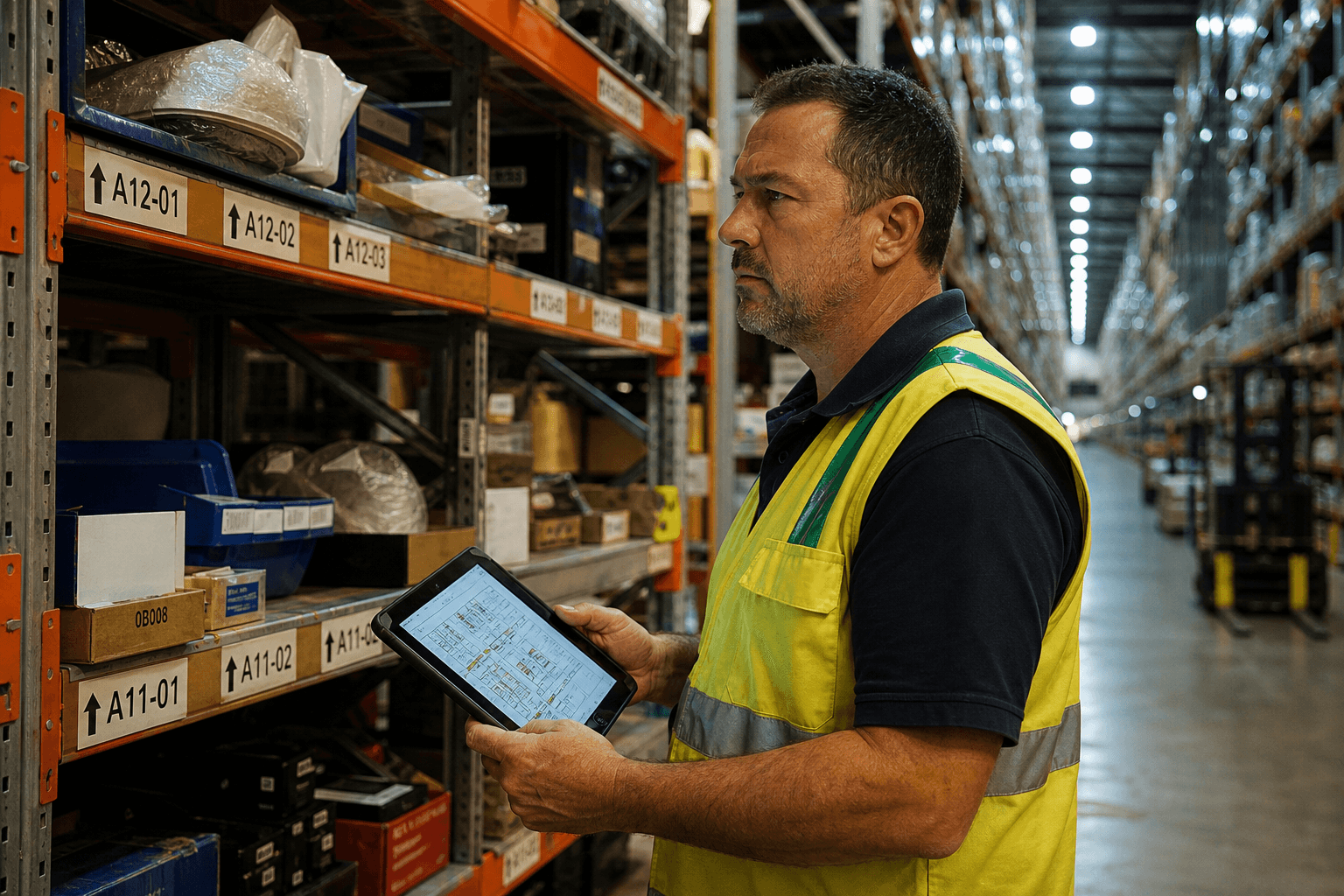
Demand-Driven Slotting: Using AI to Optimise Warehouse Storage
Demand-driven slotting uses AI to continuously optimise product placement based on real demand patterns, velocity data, and seasonal trends. This approach moves beyond static ABC analysis to create dynamic storage strategies that reduce pick times and maximise warehouse throughput.
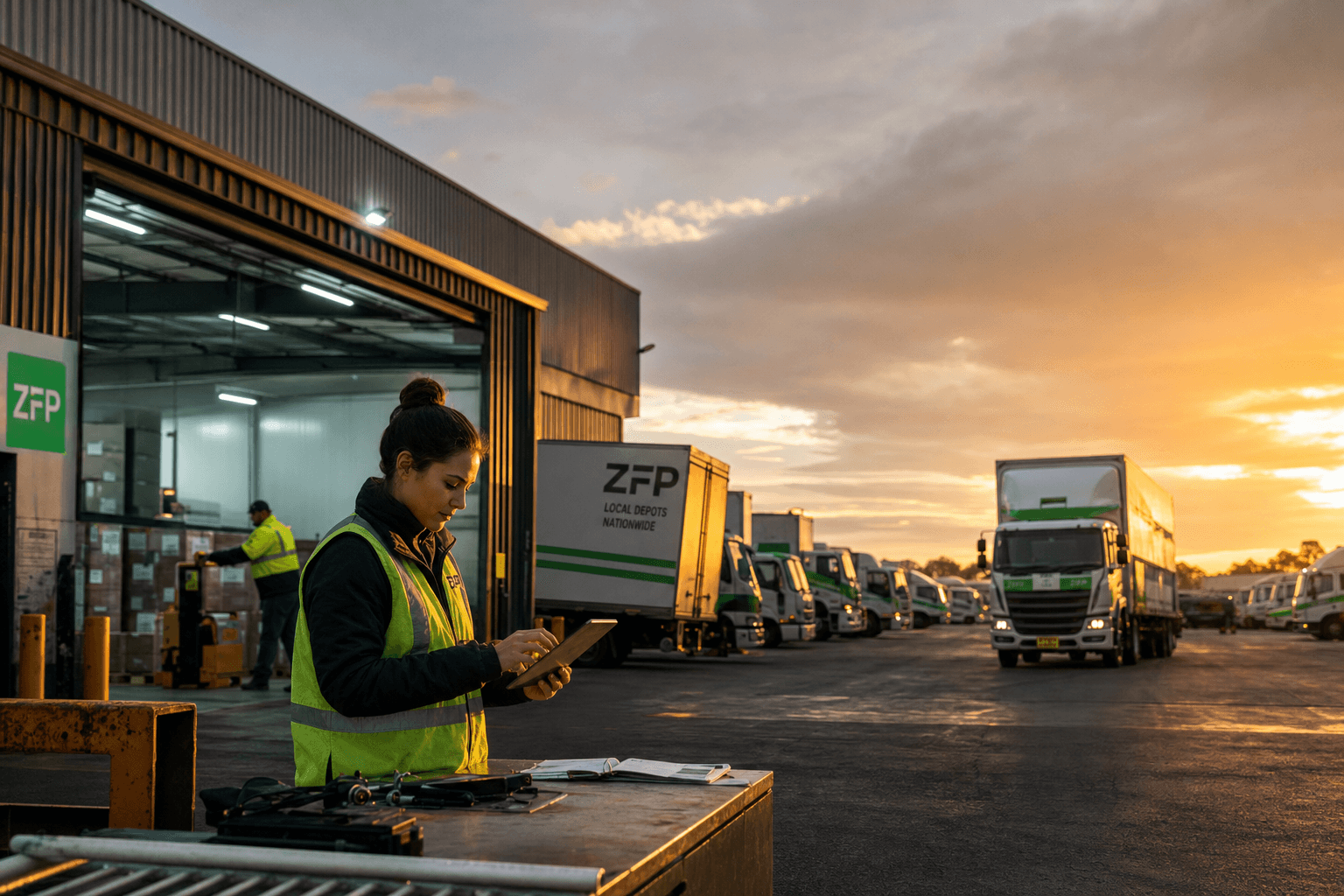
Planning the EV Fleet Transition: An AI-Driven Approach
Electric vehicle fleet transitions require complex planning across range, charging infrastructure, and total cost of ownership. AI-driven tools can analyse operational data to create viable transition roadmaps for Australian logistics operators.
Carbon Credits in Australian Logistics Emissions Reporting
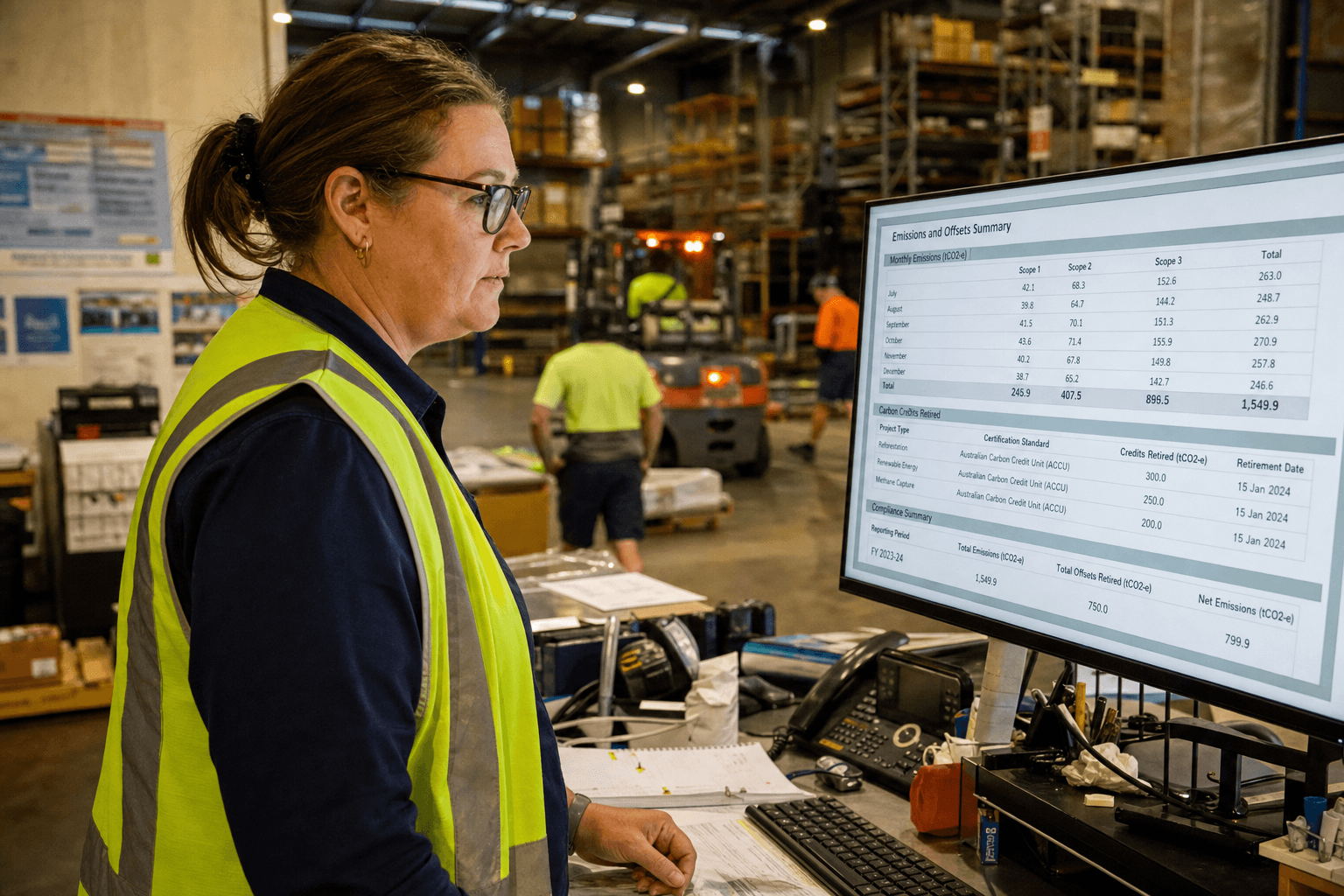
Australian logistics companies are incorporating carbon credits into AASB S2 compliance strategies. Success requires understanding Clean Energy Regulator requirements and implementing automated tracking systems.