Insights
AI, logistics, and digital transformation for Australian operators.
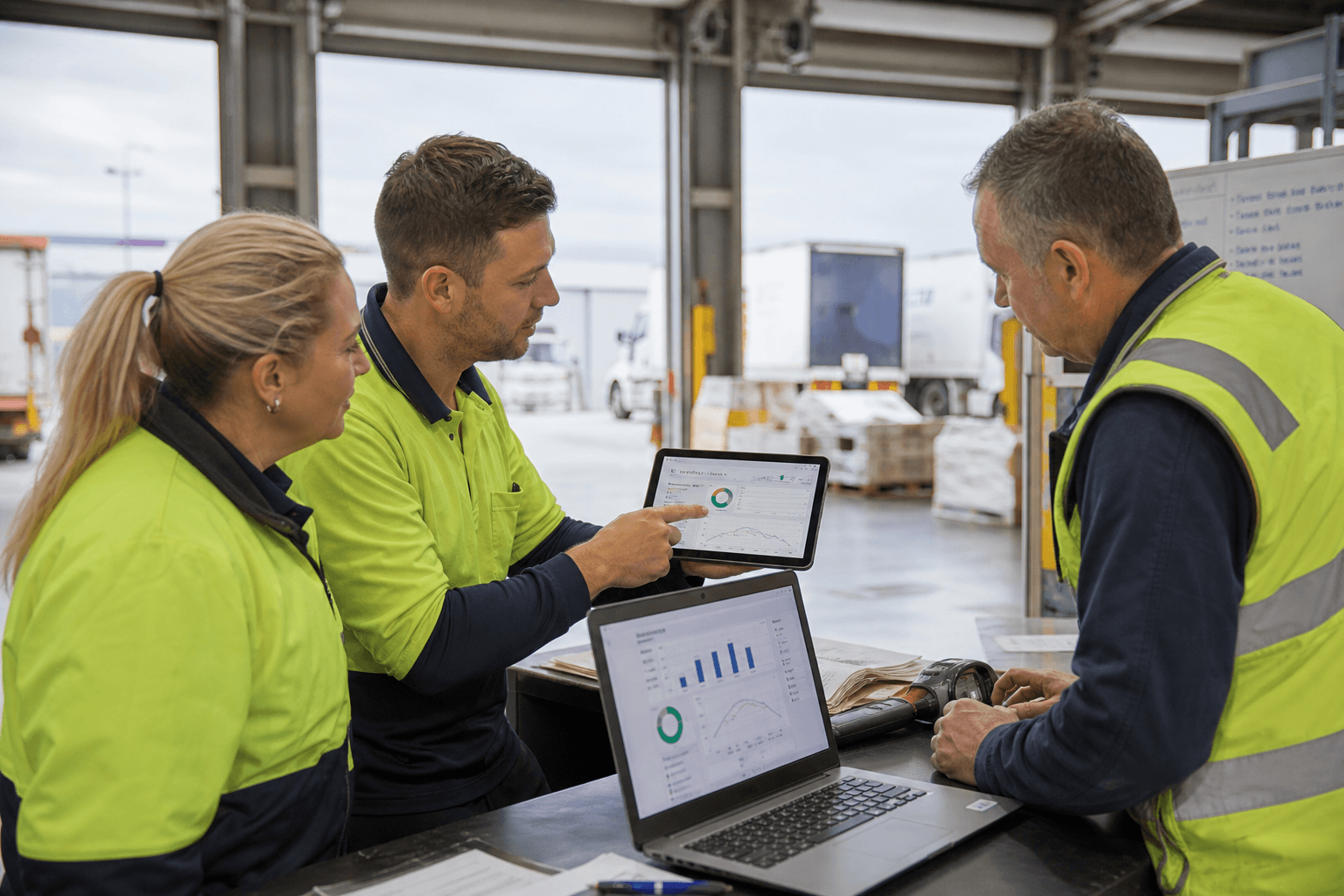
AI Churn Analytics for 3PL Providers in Australia
AI-powered churn analytics helps 3PLs spot at-risk customer accounts before volume quietly erodes, by combining service data with communication signals most TMS and WMS platforms already hold. This guide explains how the approach works, what signals matter most, and how it fits alongside other AI priorities like route optimisation and emissions reporting.
Vendor Risk Scoring for 3PL Networks: An AI Guide
There's no off-the-shelf AI product for scoring 3PL subcontractor risk — but the data problems that would underpin one are already visible in Scope 3 emissions reporting and legacy TMS/WMS gaps. Here's a practical, honest look at what's needed before you can build one.
Network Design & Site Selection AI for Growing 3PLs
Growing 3PLs often decide where to put new distribution centres using spreadsheets and instinct rather than freight lane data. Here's how a modernised data foundation sets up smarter site selection and network sizing decisions.
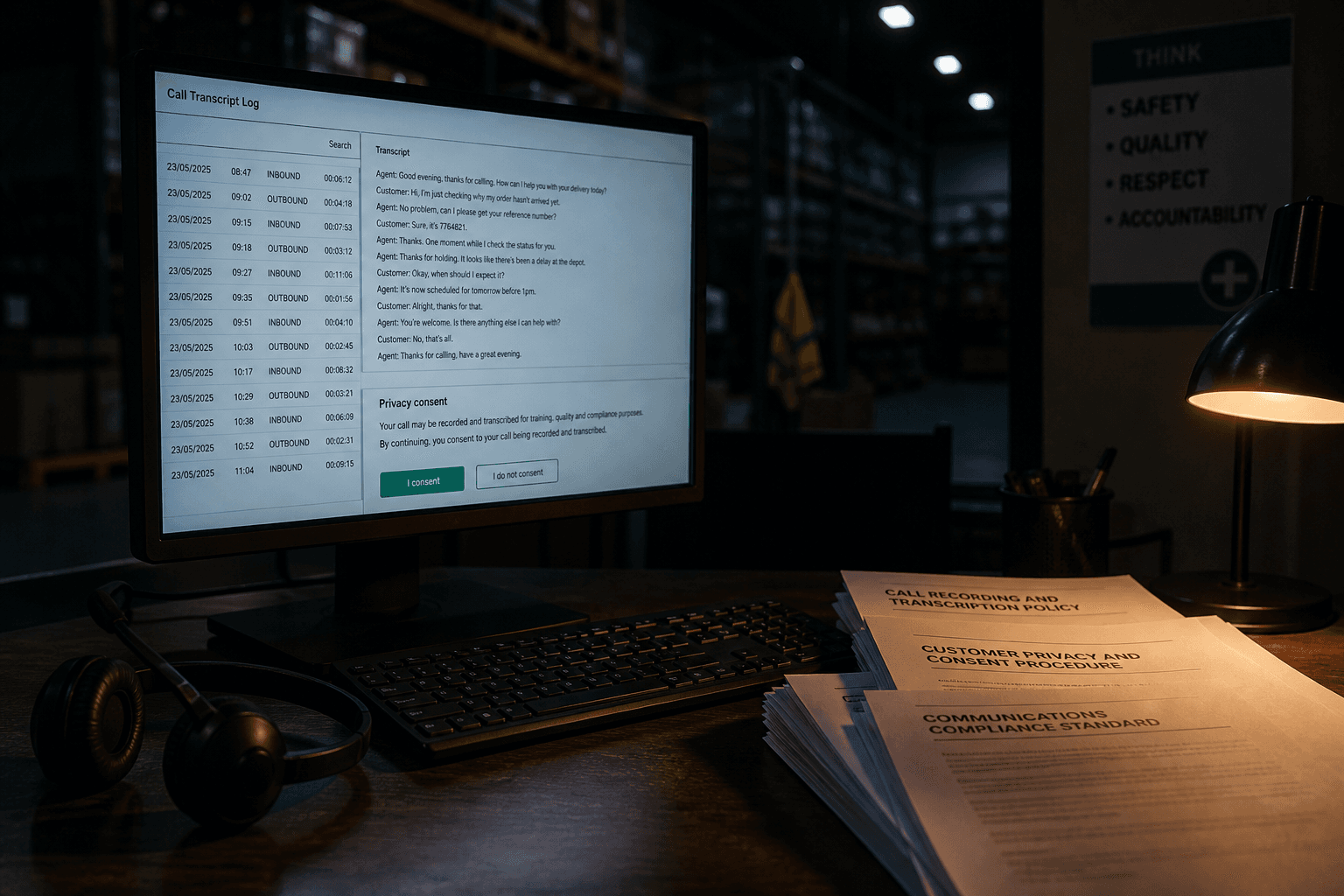
Privacy Act Compliance for Customer-Facing AI in Logistics
AI phone, chat, and receptionist tools in logistics collect customer and driver personal information the moment they're switched on — which means Privacy Act obligations apply from day one. Here's what operations and finance leaders need to check before deploying customer-facing AI.
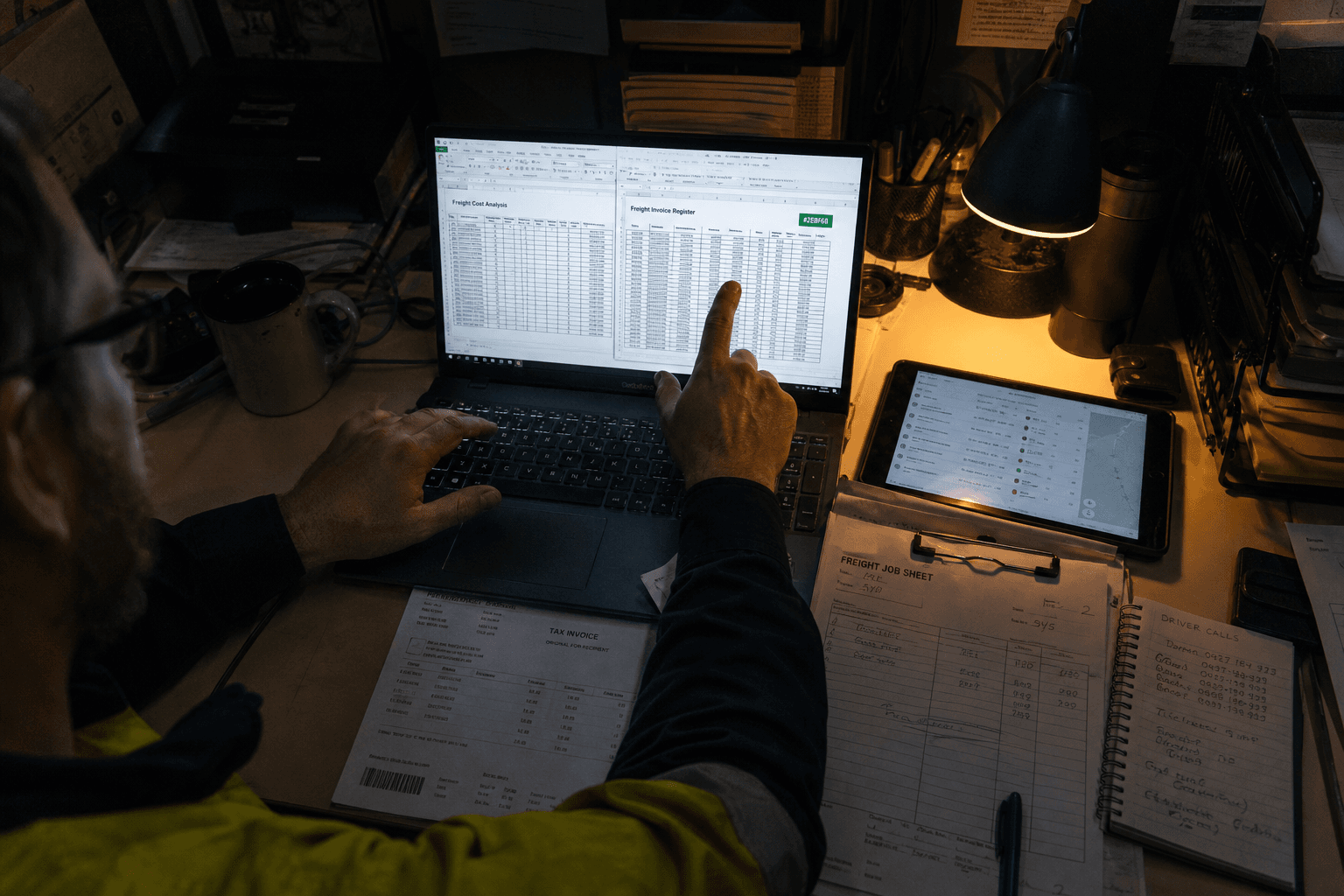
AI-Enabled Systems Integration During Logistics M&A
Logistics mergers create a specific, urgent problem: two TMS/WMS platforms, two sets of data, and a deal timeline that won't wait for a full system migration. Here's how AI can accelerate reconciliation, harmonise reporting, and surface operational gaps during post-merger integration.
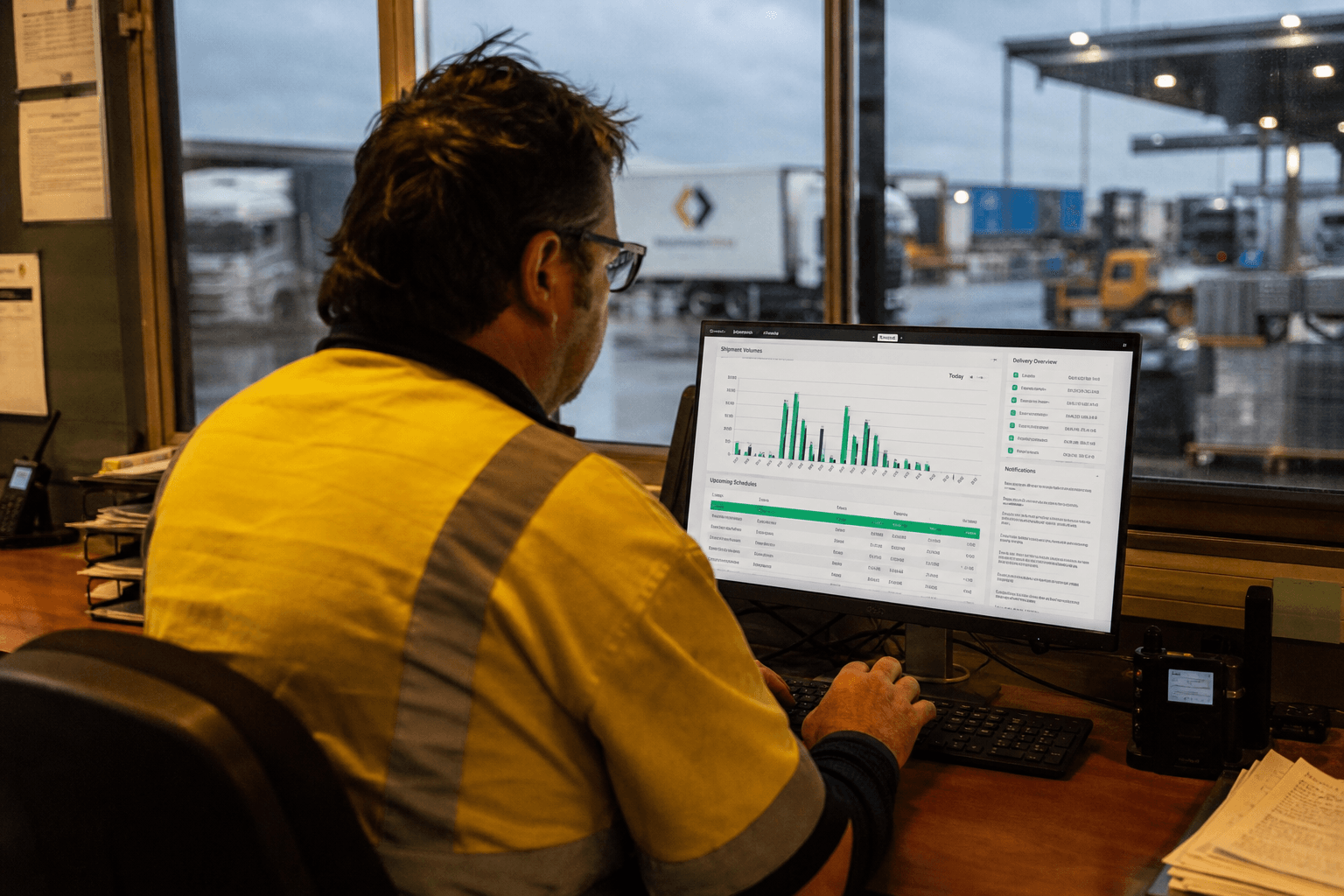
AI-Driven Peak Season Capacity Planning for Freight Operators
Peak season doesn't have to mean reactive scrambling for casual labour, subcontractor capacity and fleet allocation. Here's how Australian freight operators can combine demand forecasting, AI-assisted scheduling and route optimisation to plan ahead — within Fair Work and NHVR compliance limits.
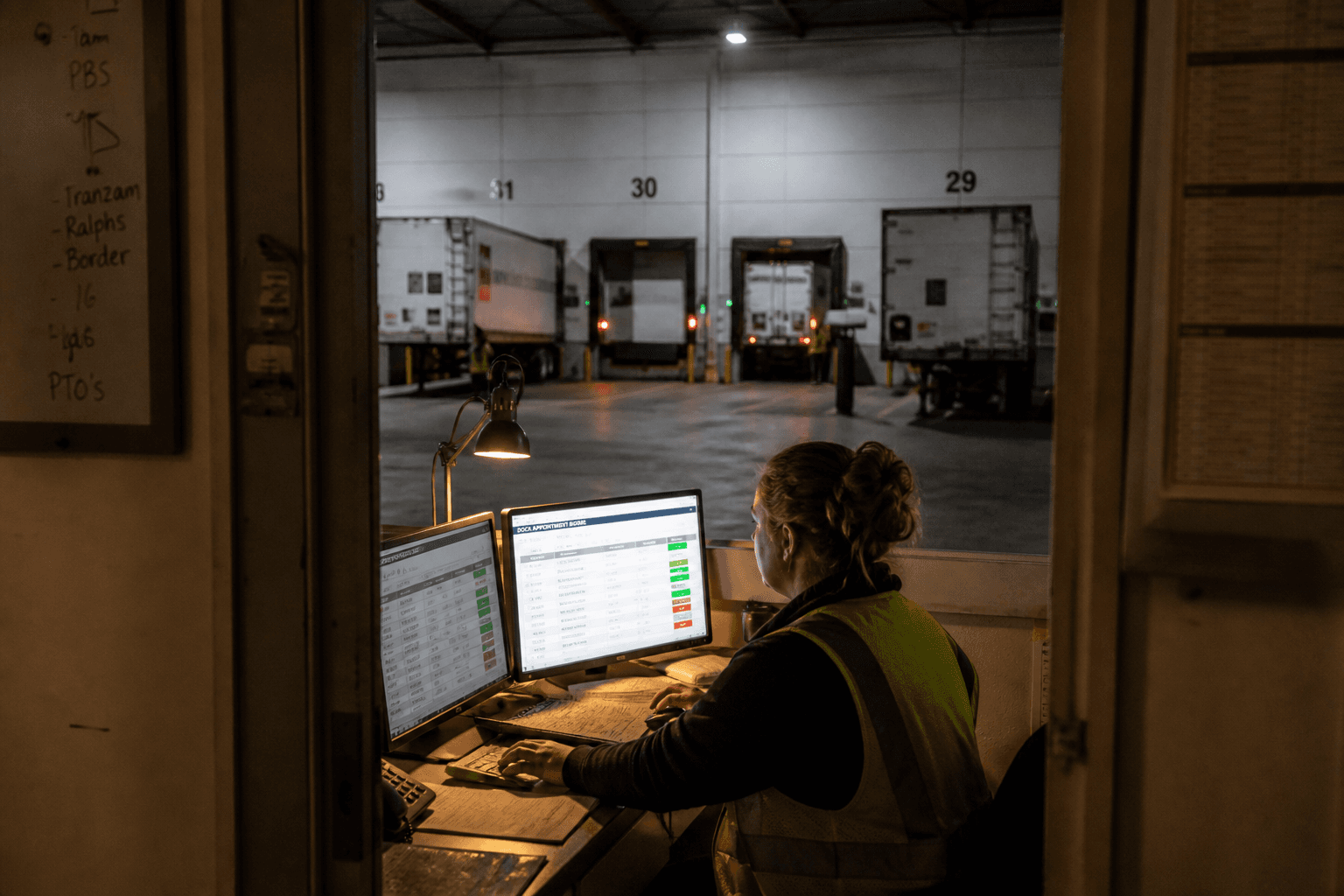
AI-Optimised Dock Scheduling and Cross-Docking in Australia
Trailer dwell time and dock congestion are often the tightest bottleneck in a distribution centre — and one of the least talked about. Here's a practical look at how AI-driven sequencing can optimise inbound and outbound dock appointments without a full system overhaul.
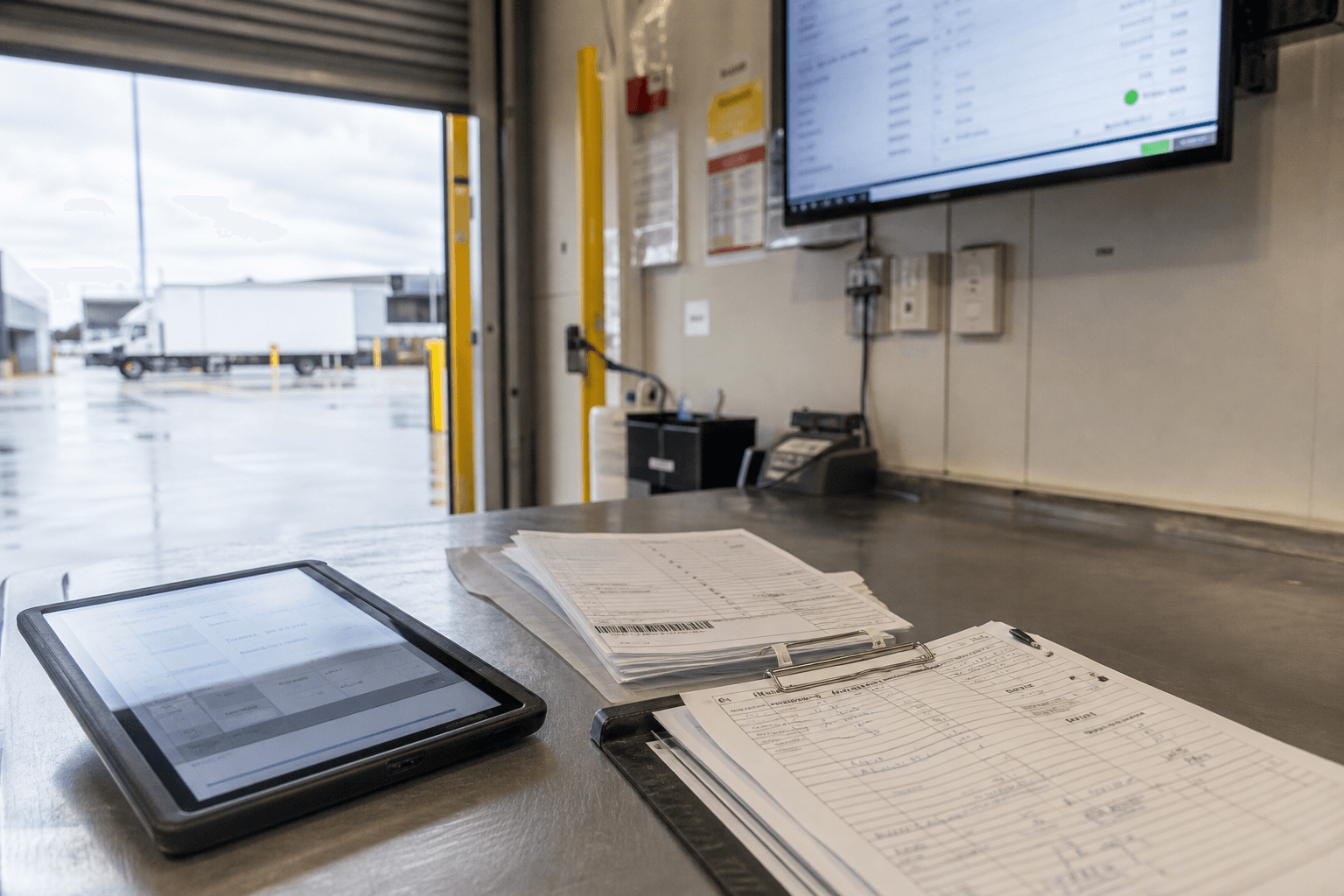
AI-Powered Cargo Damage and Claims Evidence Capture
AI can analyse pickup and delivery photos and documentation to flag likely cargo damage disputes early, reducing claims investigation time and improving evidence quality for insurers and customers. Here's how it works and where to start.
Cybersecurity Risk in AI-Enabled Logistics Systems
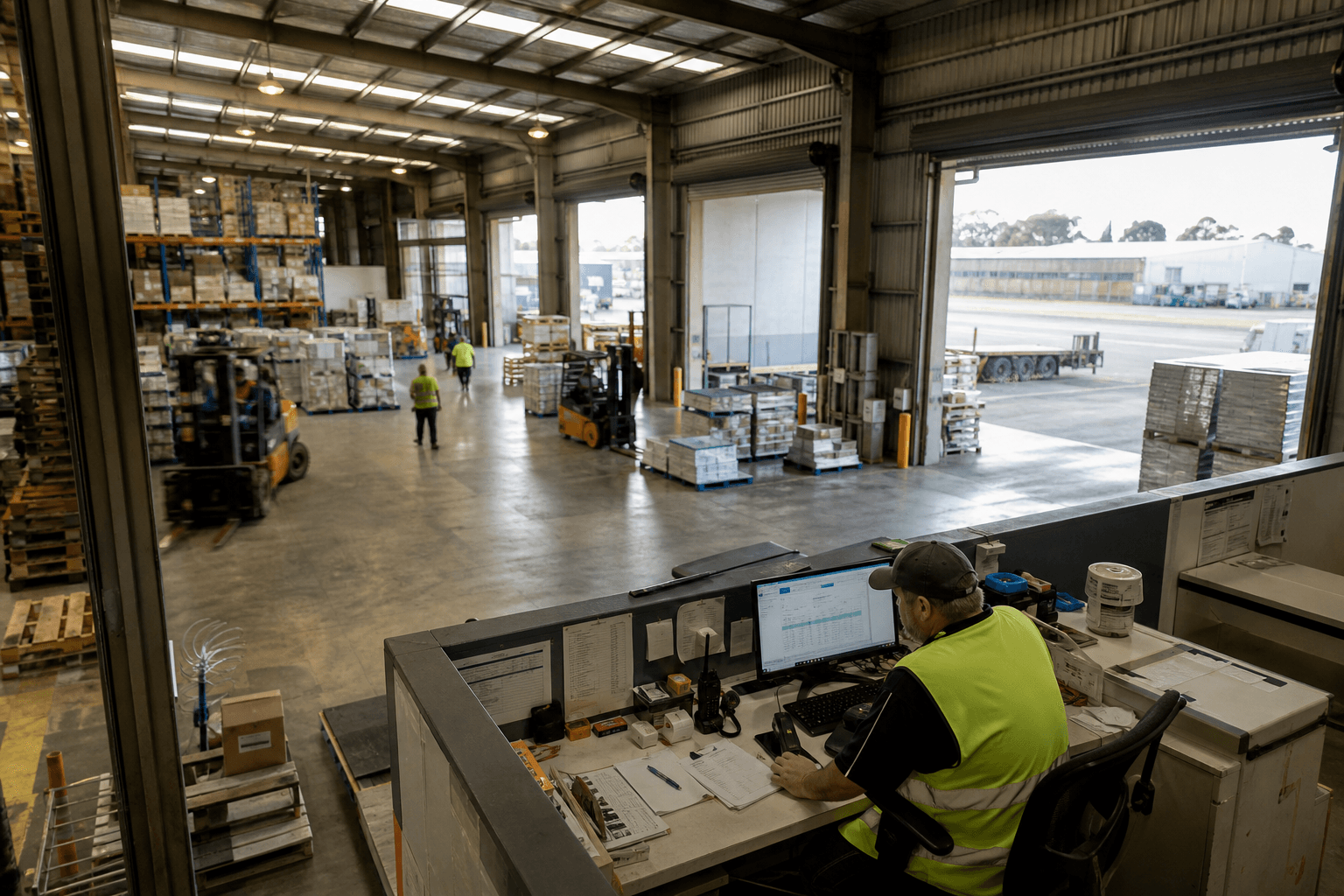
Connecting AI tools to legacy TMS/WMS platforms creates real cybersecurity exposure — this guide explains where the risk sits, what to ask vendors, and how to scope integrations safely.