Insights
AI, logistics, and digital transformation for Australian operators.

AI-Powered WHS Incident Prevention in Warehouses
Computer vision and AI monitoring are giving Australian warehouse operators a way to catch forklift breaches, near-misses, and unsafe manual handling before they become WorkSafe claims. Here's how it works and what it means for insurance premiums and compliance.

Modern Slavery Act Reporting Automation for Logistics
Modern Slavery Act reporting is as much a data problem as a legal one for Australian carriers and 3PLs managing multi-tier subcontractors. This guide draws on adjacent AI and compliance data patterns to frame a practical first step — with honest caveats about what's proven and what isn't.
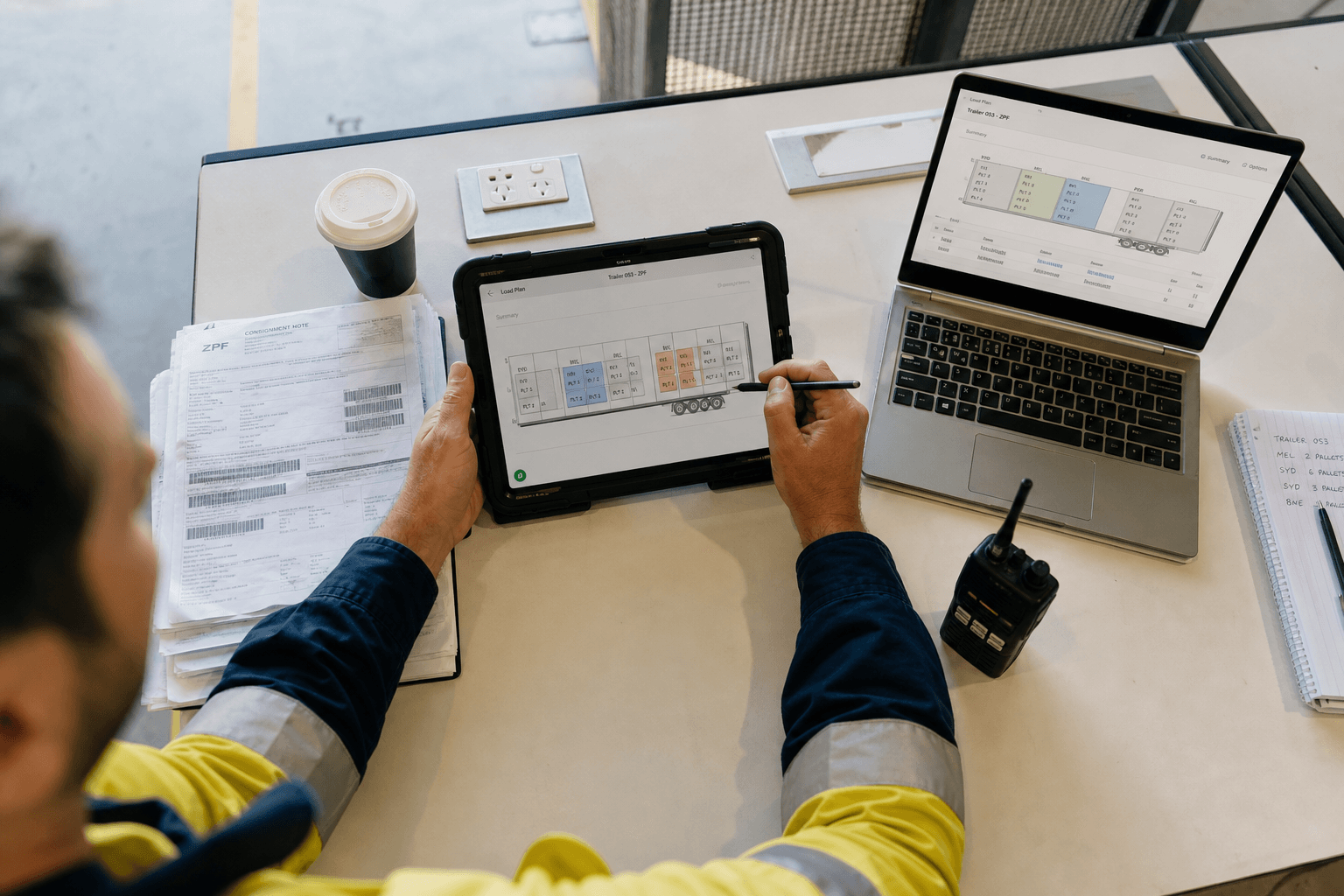
AI-Powered Load Consolidation for Multi-Customer LTL Freight
AI matching engines can consolidate LTL shipments from multiple customers onto fewer, fuller trailers — a different problem to single-shipment route sequencing. Here's how it works, what data foundations it needs, and why no Australian-native tool exists yet.
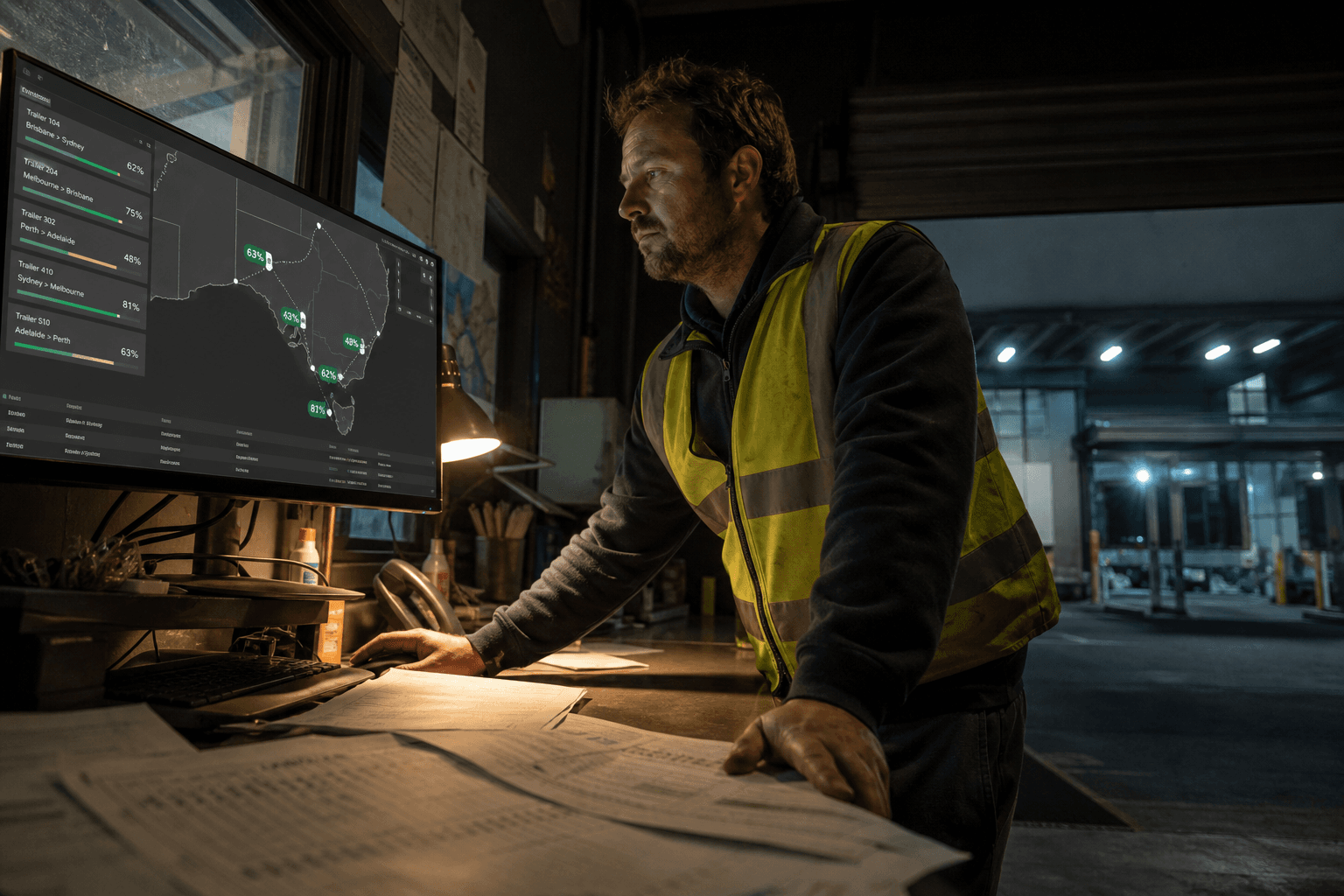
AI-Powered Load Consolidation for Australian LTL Freight
AI-powered load consolidation combines partial LTL shipments from multiple customers onto shared trailers, lifting utilisation and cutting empty running. Here's how matching engines work, what data they need, and where the Australian market currently stands.
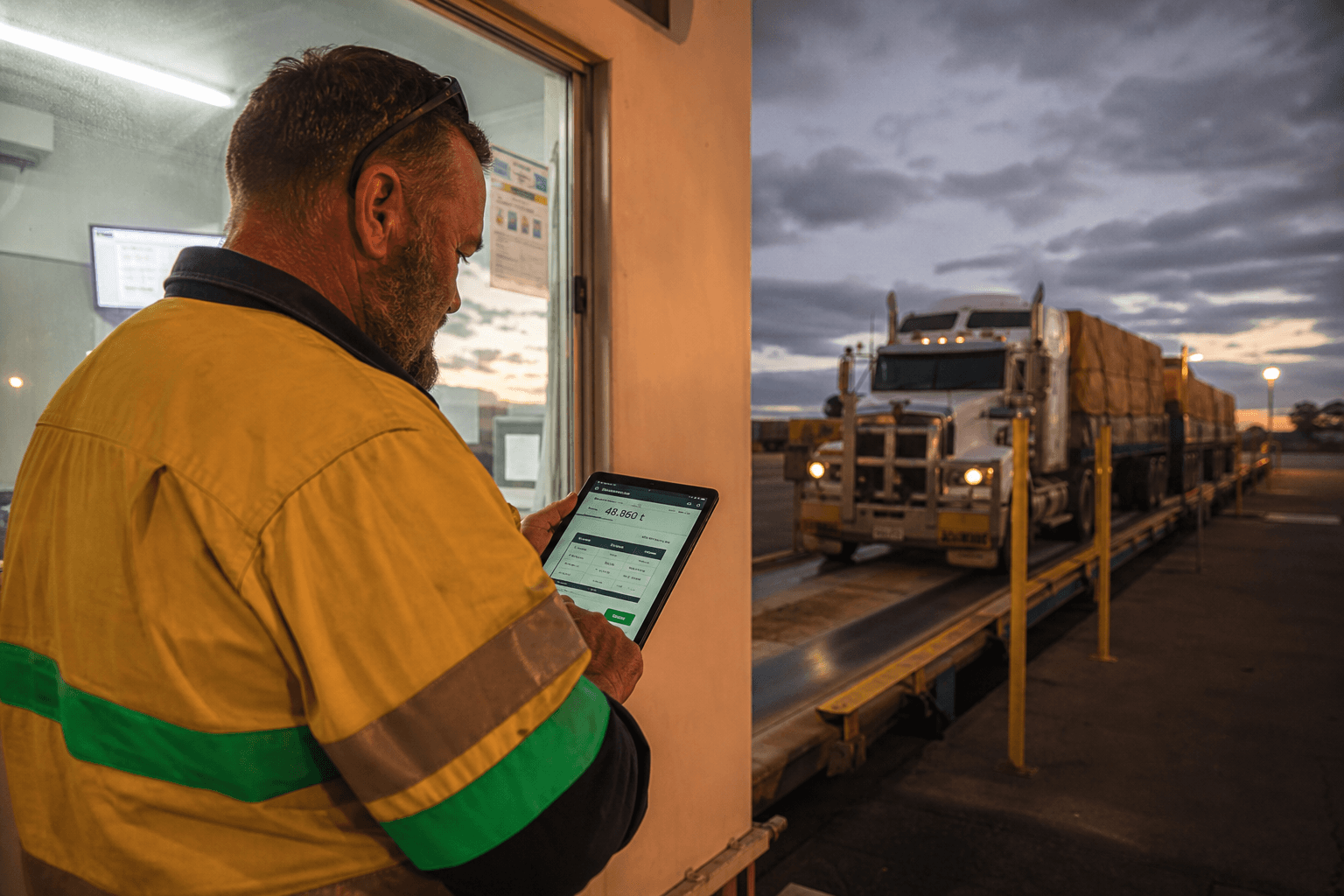
AI-Powered Mass and Dimension Compliance for Heavy Vehicles
Mass and dimension breaches remain a common source of fines and Chain of Responsibility exposure for Australian heavy vehicle operators. Here's how combining weighbridge, telematics and load data with AI can flag issues before dispatch, not after an intercept.
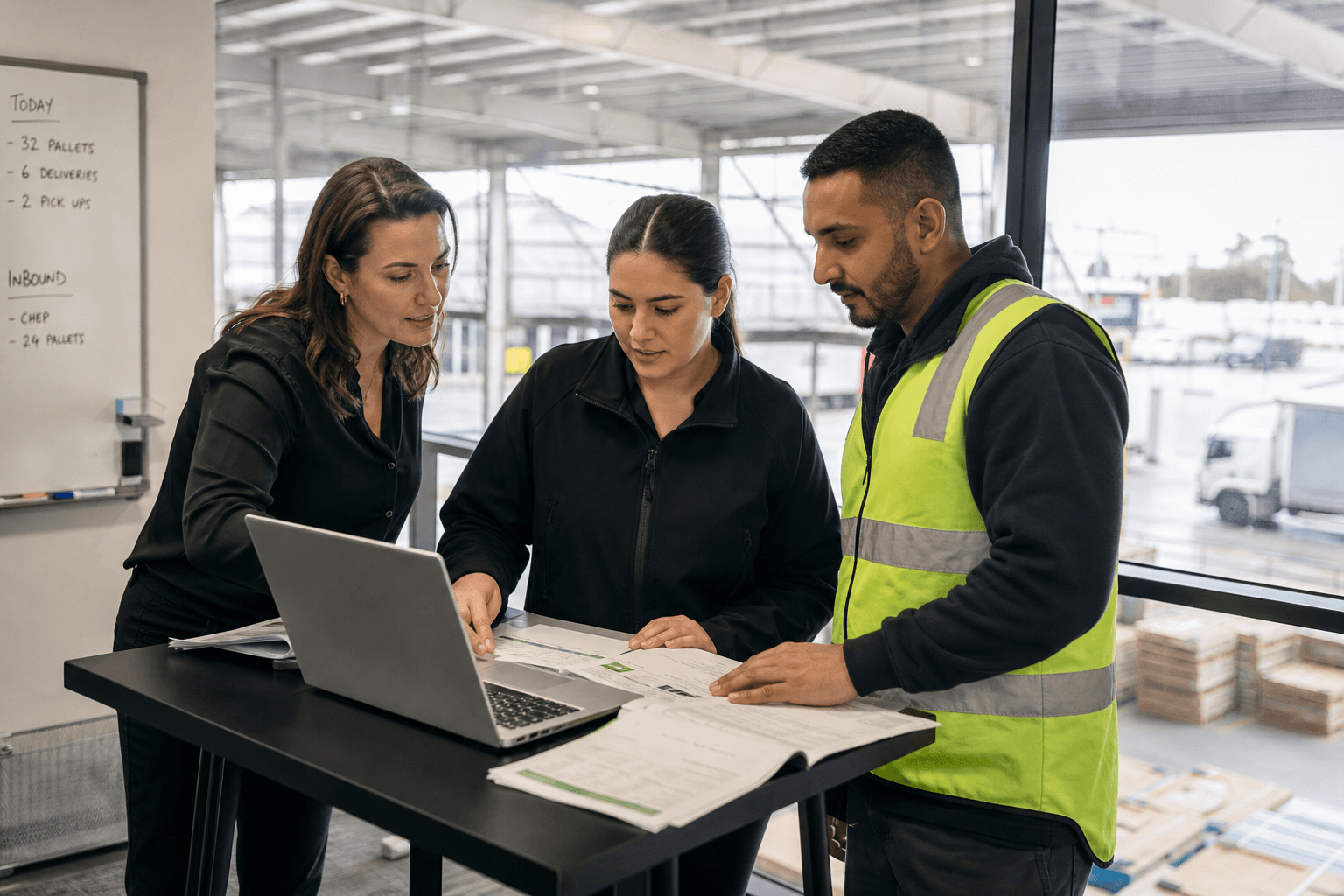
AI-Powered Churn Analytics for 3PL Providers
3PL and freight operators often lose customers quietly — volumes drift, emails get shorter, and by the time it shows up in revenue reports it's too late. This article looks at how AI can combine service performance and communication data to flag attrition risk early and help teams prioritise retention effort.
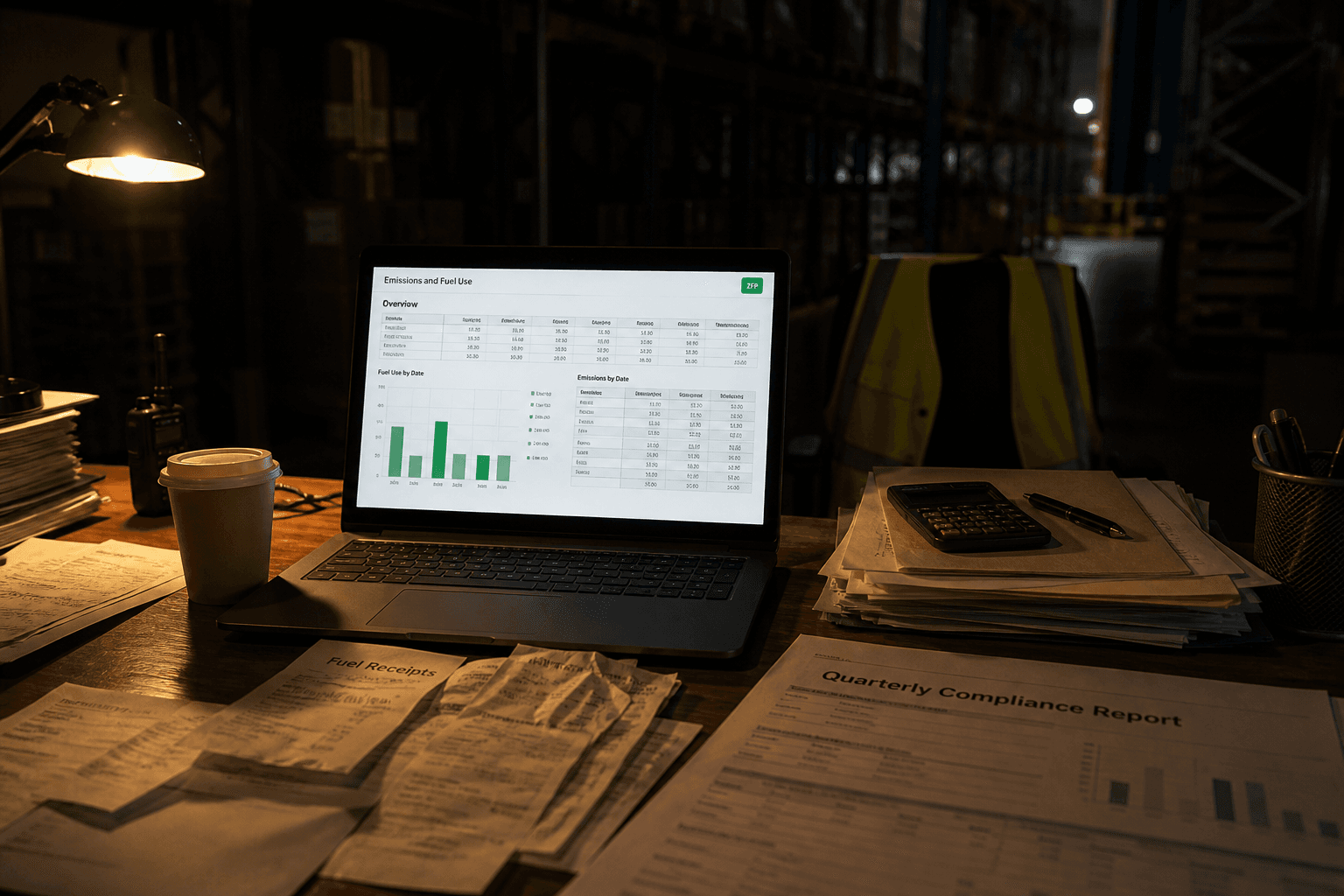
Climate Active vs AASB S2: AI's Role in Logistics Compliance
Climate Active certification is voluntary; AASB S2 and NGER are mandatory. Here's how each obligation works, and where AI-assisted carbon accounting genuinely helps Australian logistics operators get their emissions data into shape.
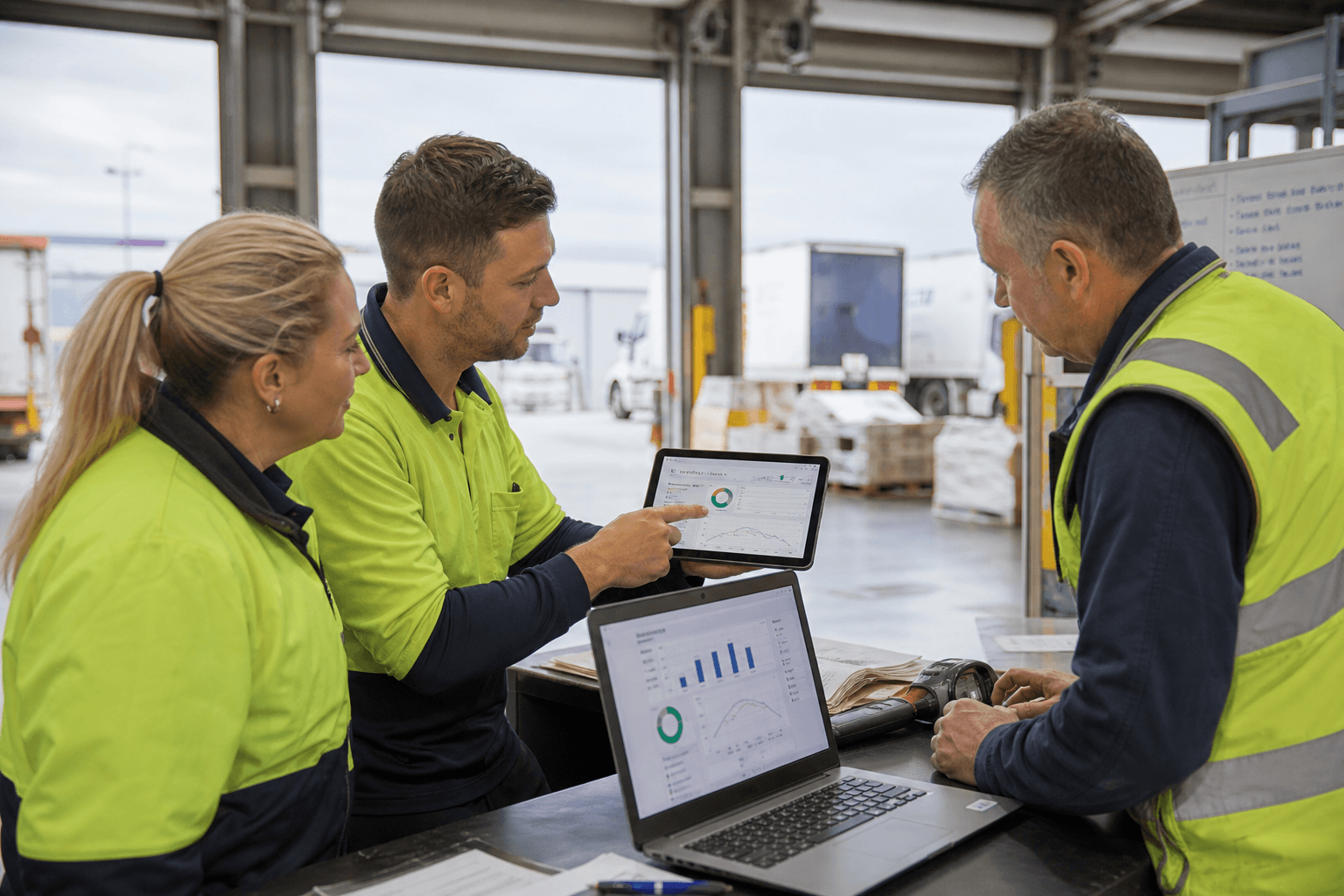
AI Churn Analytics for 3PL Providers in Australia
AI-powered churn analytics helps 3PLs spot at-risk customer accounts before volume quietly erodes, by combining service data with communication signals most TMS and WMS platforms already hold. This guide explains how the approach works, what signals matter most, and how it fits alongside other AI priorities like route optimisation and emissions reporting.

Vendor Risk Scoring for 3PL Networks: An AI Guide
There's no off-the-shelf AI product for scoring 3PL subcontractor risk — but the data problems that would underpin one are already visible in Scope 3 emissions reporting and legacy TMS/WMS gaps. Here's a practical, honest look at what's needed before you can build one.