Insights
AI, logistics, and digital transformation for Australian operators.
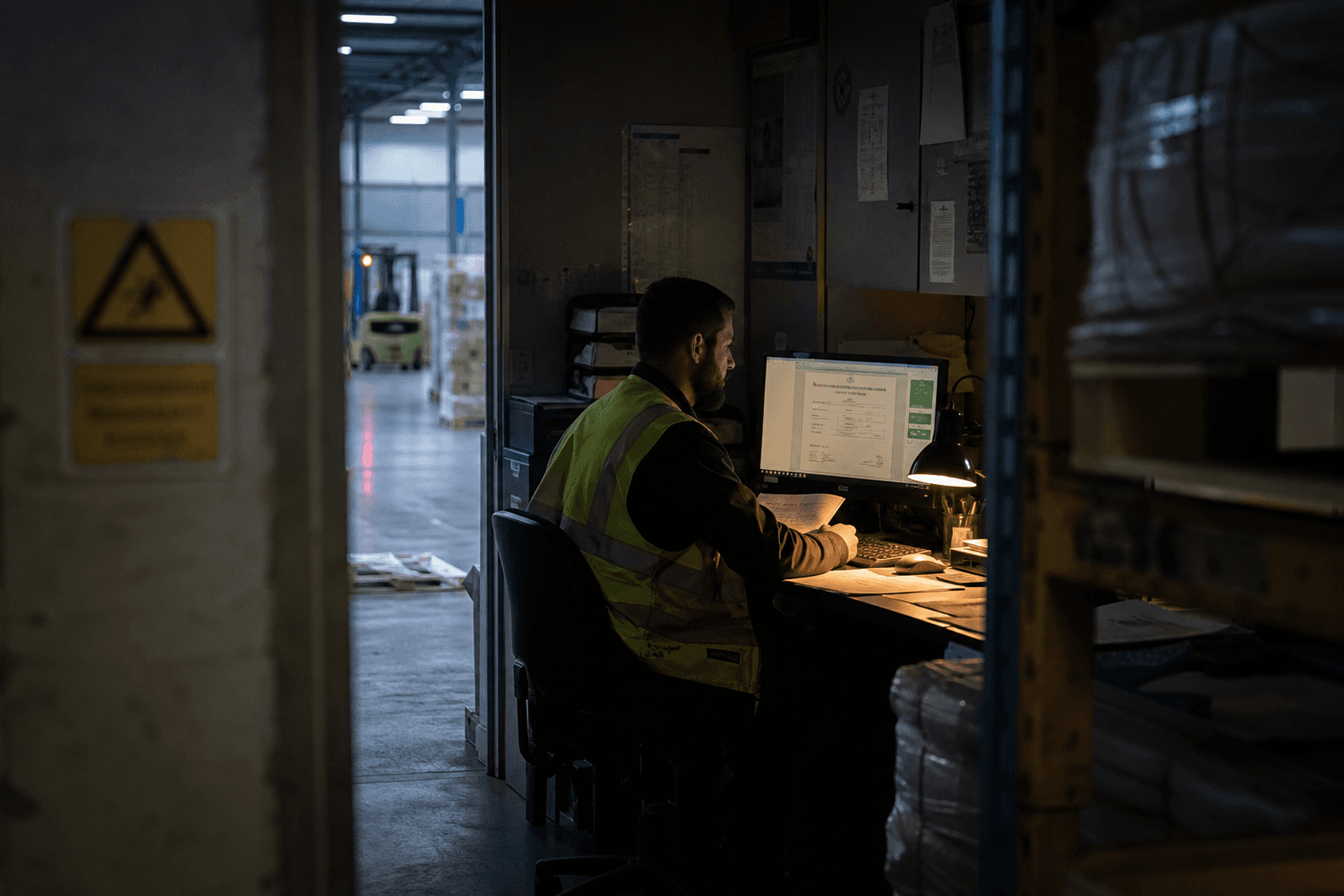
AI Document Processing for Biosecurity in Freight
AI-assisted document processing extracts and cross-checks biosecurity paperwork — treatment certificates, import declarations, phytosanitary records — so mismatches surface before goods reach quarantine. It doesn't replace DAFF's regulatory role, but it cuts the manual re-keying that slows mid-market freight operators down.
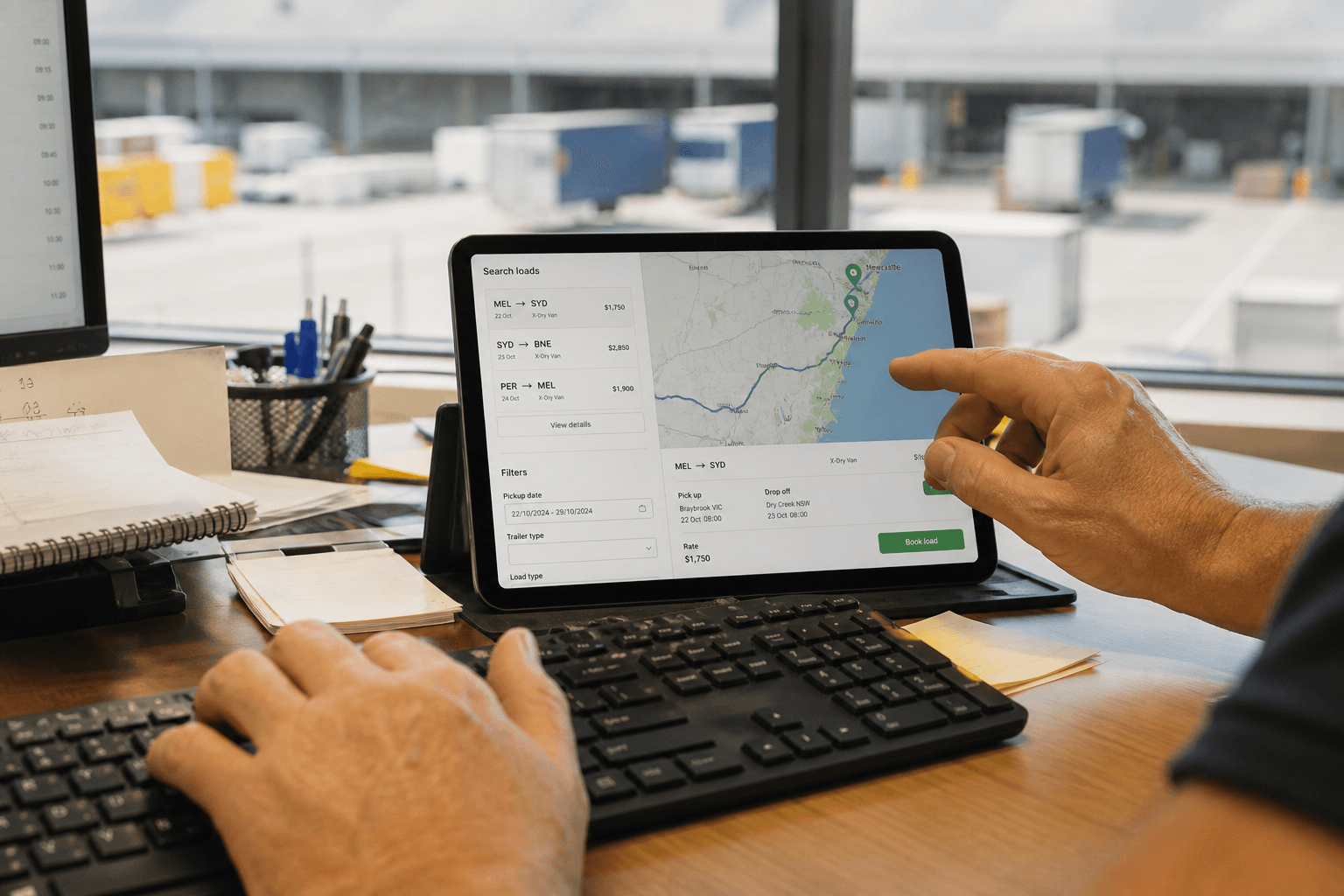
AI-Powered Backhaul Matching to Reduce Empty Running Costs
AI-powered backhaul matching reduces empty running by analysing your existing TMS data to surface return-leg freight matches in near real time. Here's how it works, what data it needs, and the common barriers to adoption for Australian freight operators.
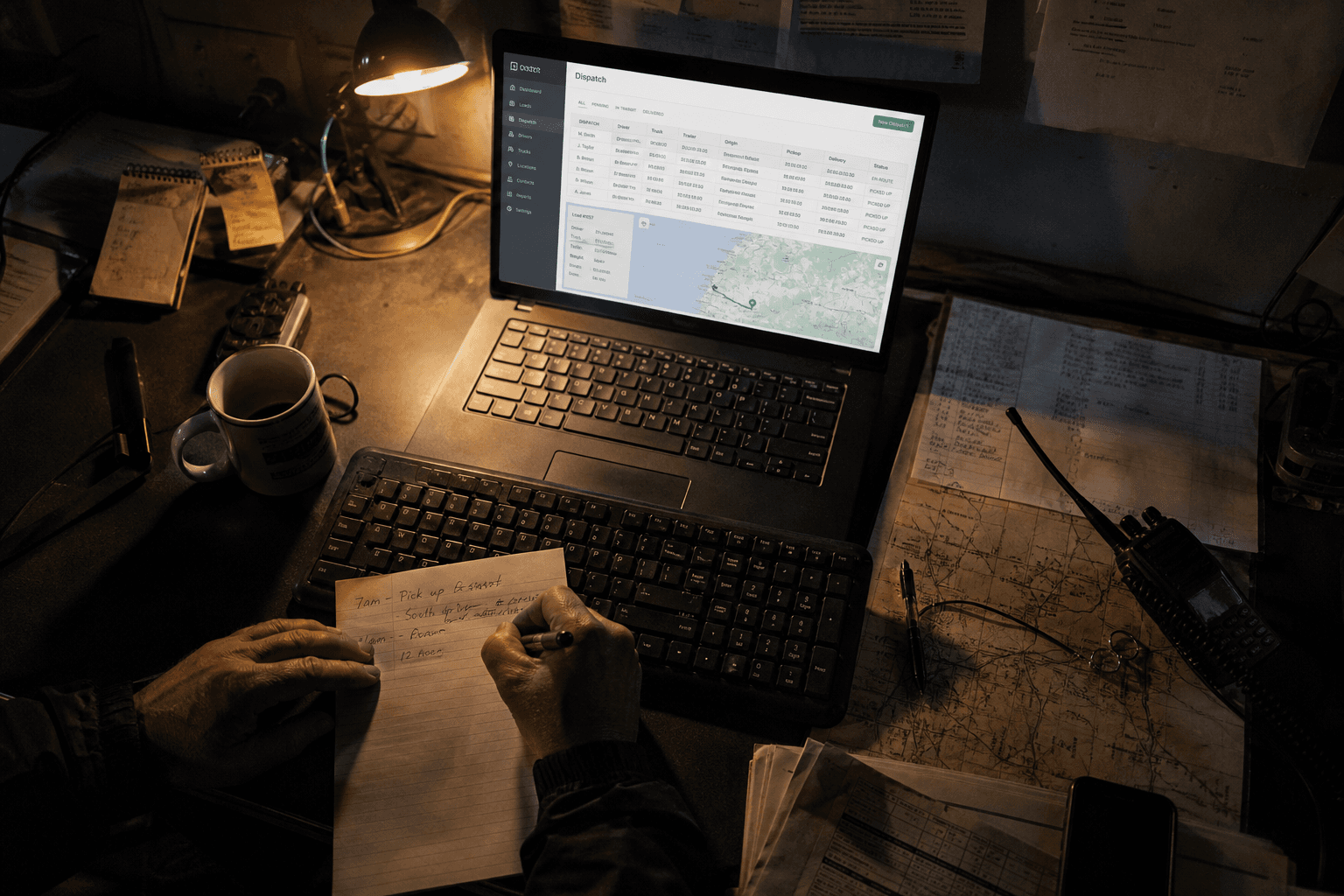
Succession Planning: Capturing Freight Knowledge with AI
Institutional knowledge in freight and 3PL businesses usually lives in people's heads, not in systems. Here's how AI-assisted interviews and document intelligence can capture that knowledge before a key person exits.
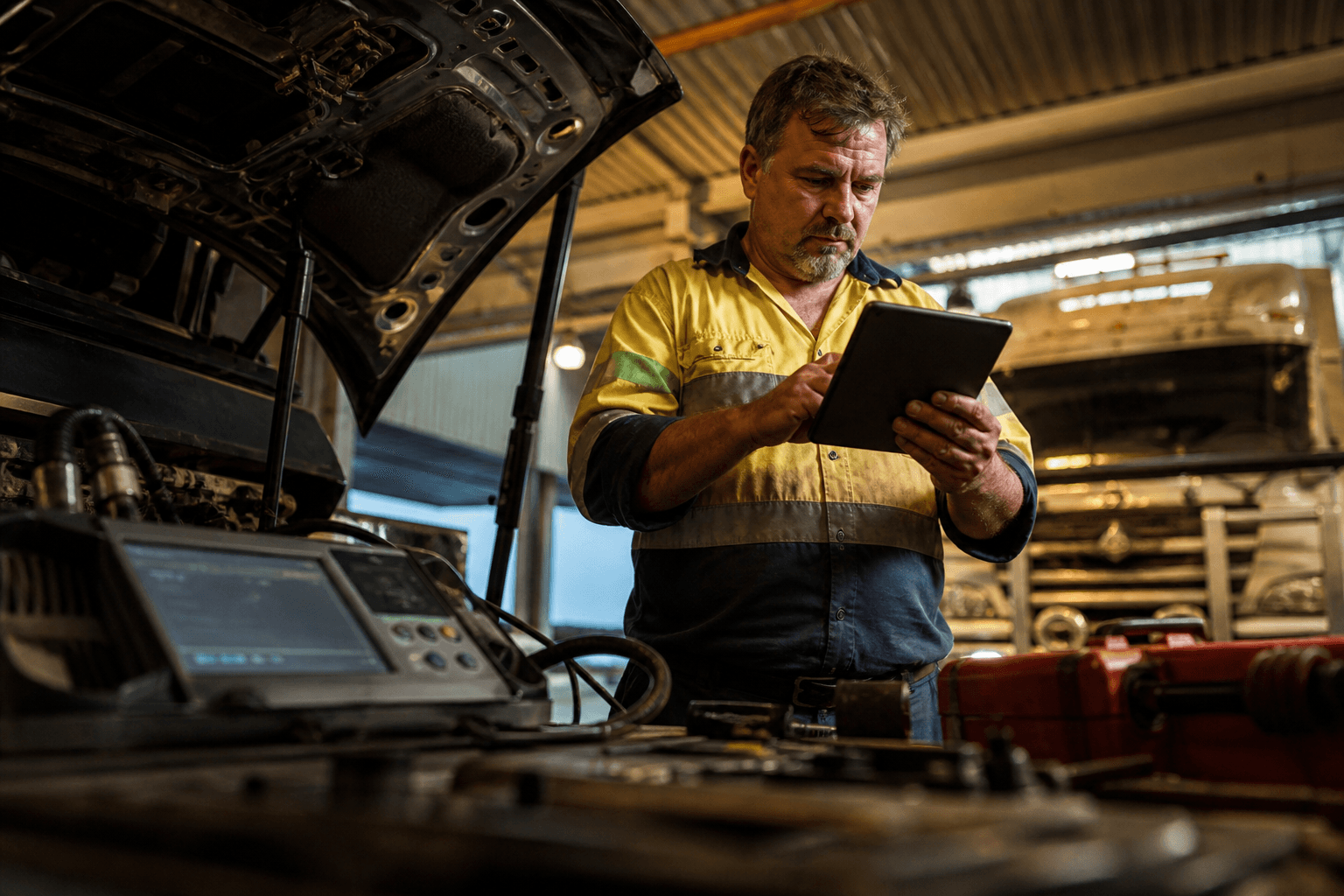
AI Fleet Replacement Planning for Ageing Truck Fleets
Replacing an ageing truck fleet is a capital decision, not a gut call. This guide walks through how AI-driven TCO modelling, NHVR compliance windows, and emissions targets combine to inform smarter fleet renewal timing.
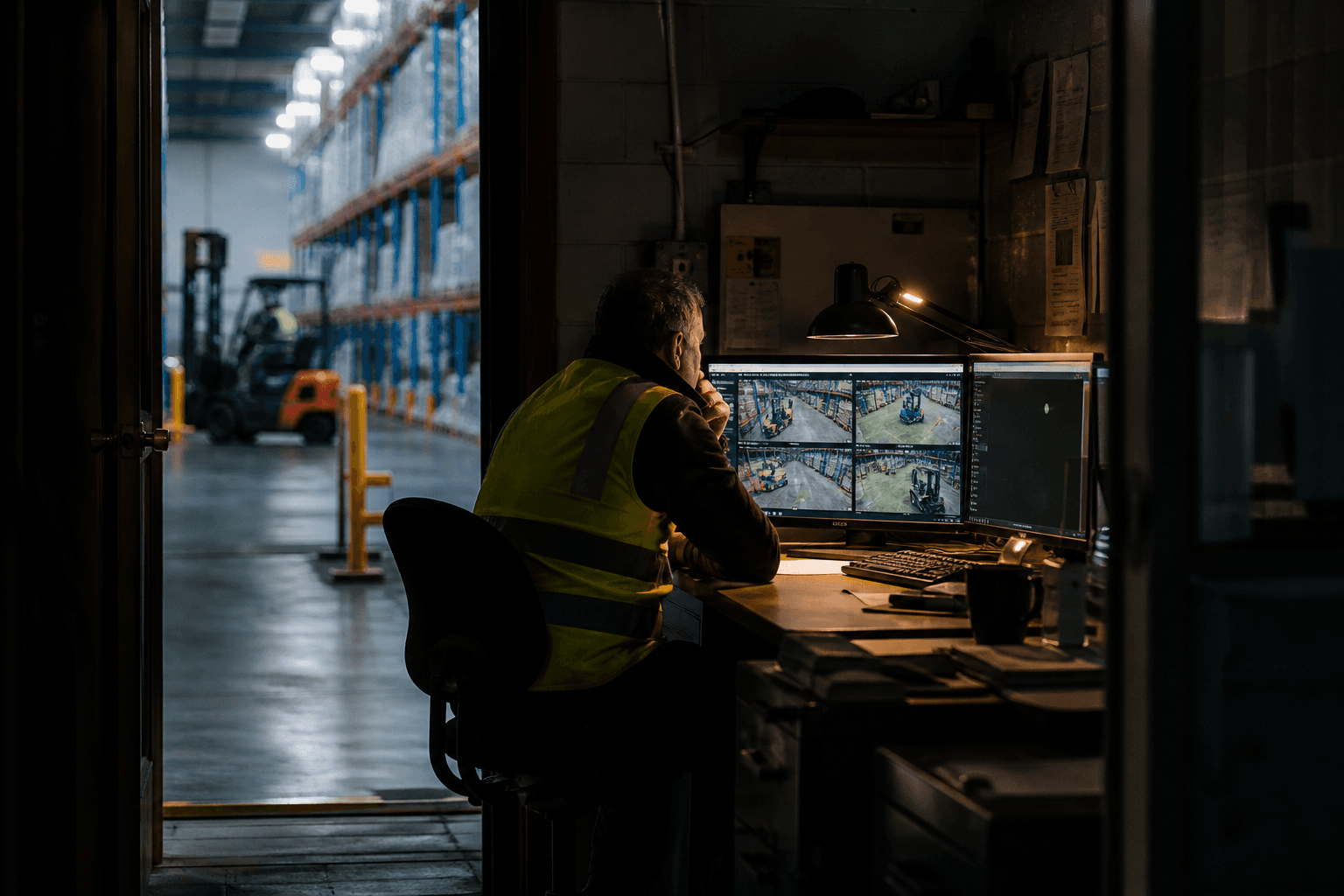
AI-Powered WHS Incident Prevention in Warehouses
Computer vision and AI monitoring are giving Australian warehouse operators a way to catch forklift breaches, near-misses, and unsafe manual handling before they become WorkSafe claims. Here's how it works and what it means for insurance premiums and compliance.
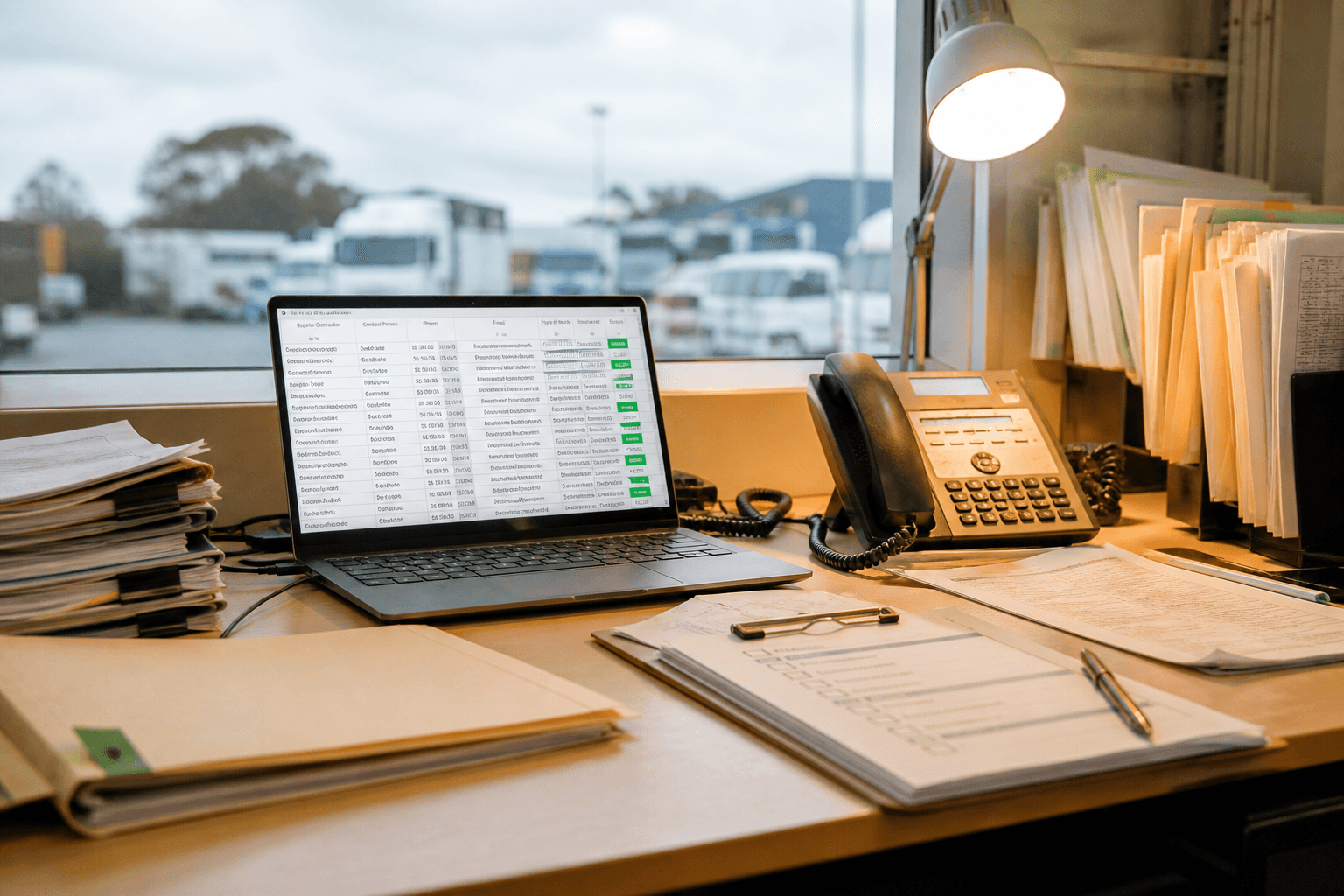
Modern Slavery Act Reporting Automation for Logistics
Modern Slavery Act reporting is as much a data problem as a legal one for Australian carriers and 3PLs managing multi-tier subcontractors. This guide draws on adjacent AI and compliance data patterns to frame a practical first step — with honest caveats about what's proven and what isn't.
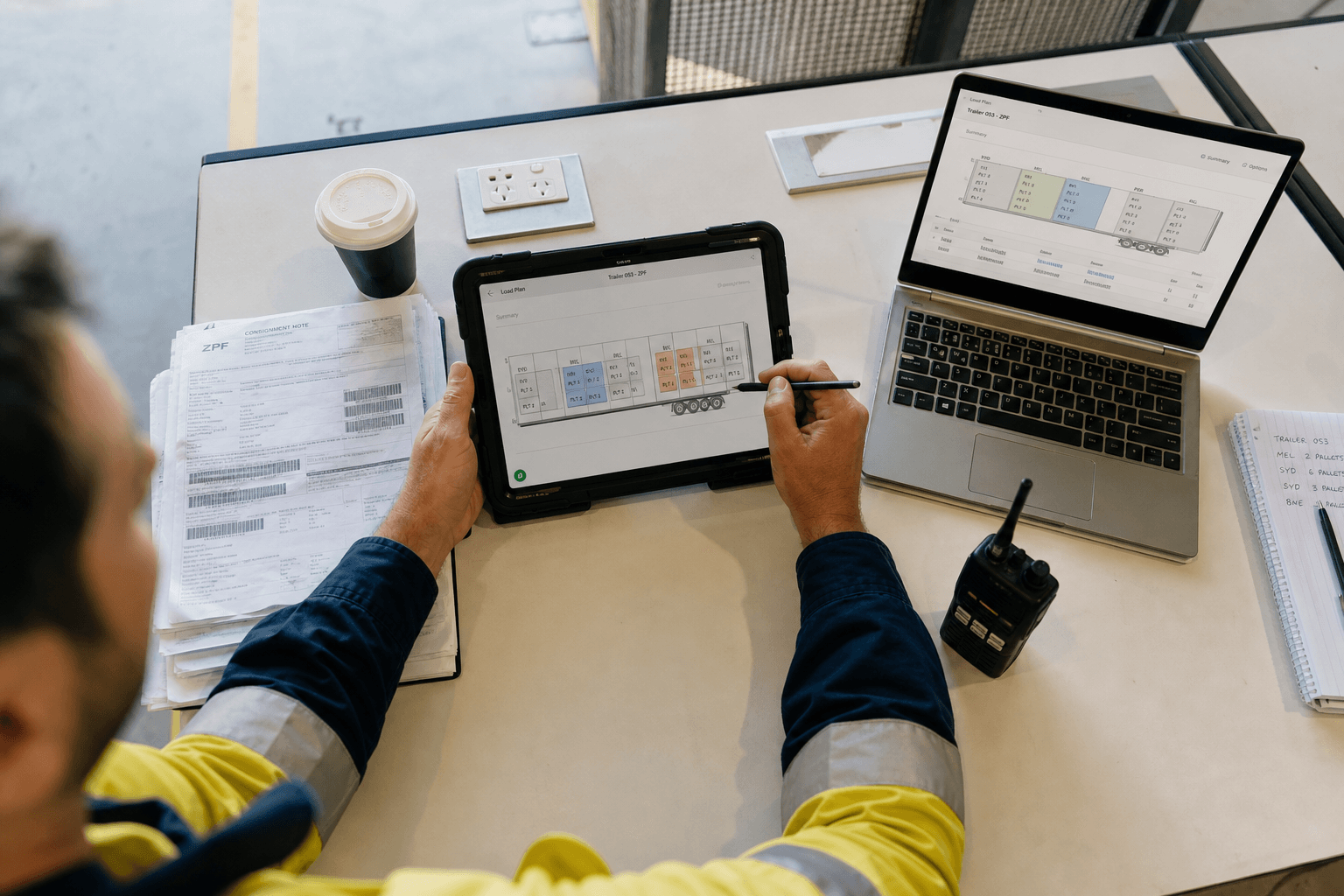
AI-Powered Load Consolidation for Multi-Customer LTL Freight
AI matching engines can consolidate LTL shipments from multiple customers onto fewer, fuller trailers — a different problem to single-shipment route sequencing. Here's how it works, what data foundations it needs, and why no Australian-native tool exists yet.
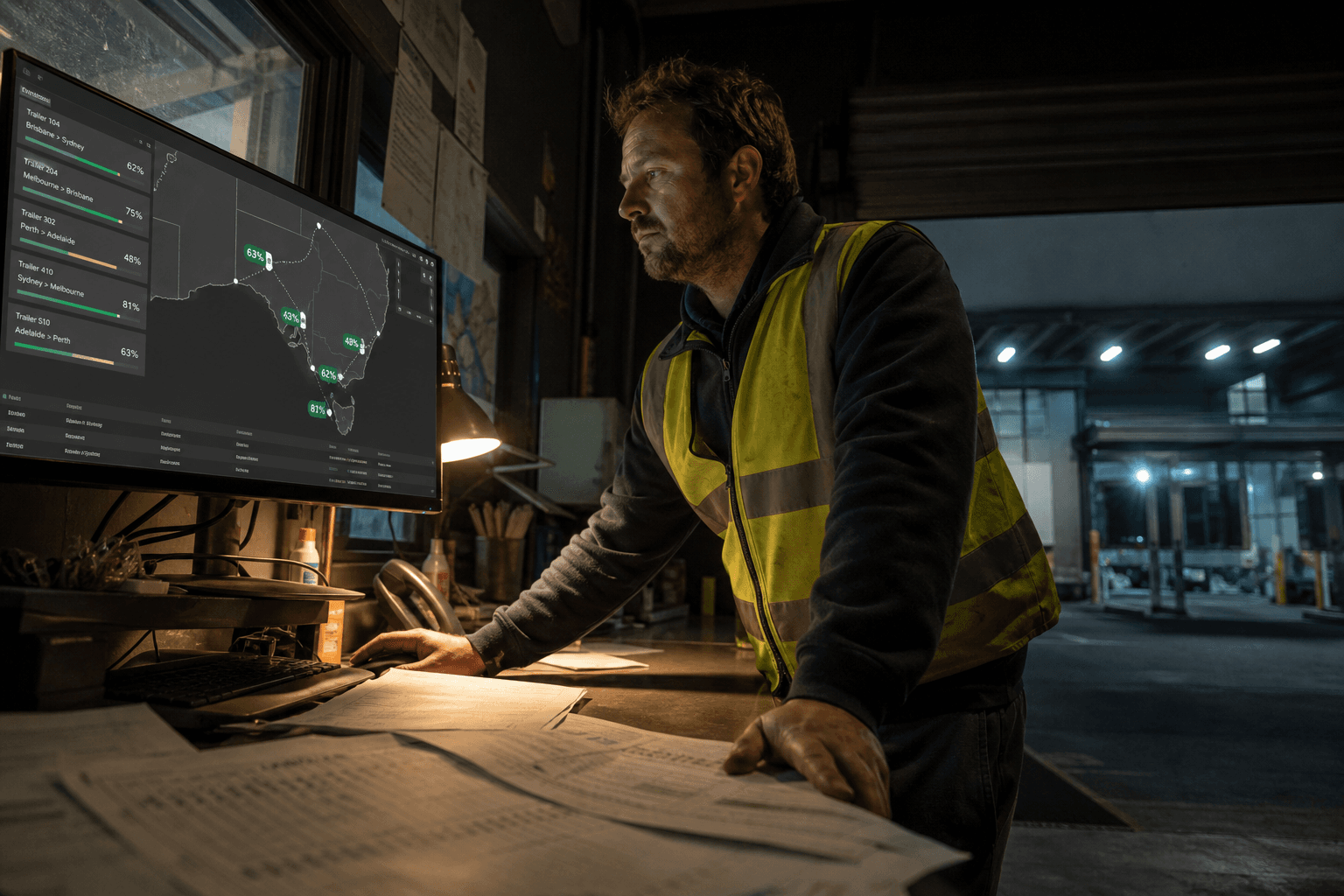
AI-Powered Load Consolidation for Australian LTL Freight
AI-powered load consolidation combines partial LTL shipments from multiple customers onto shared trailers, lifting utilisation and cutting empty running. Here's how matching engines work, what data they need, and where the Australian market currently stands.
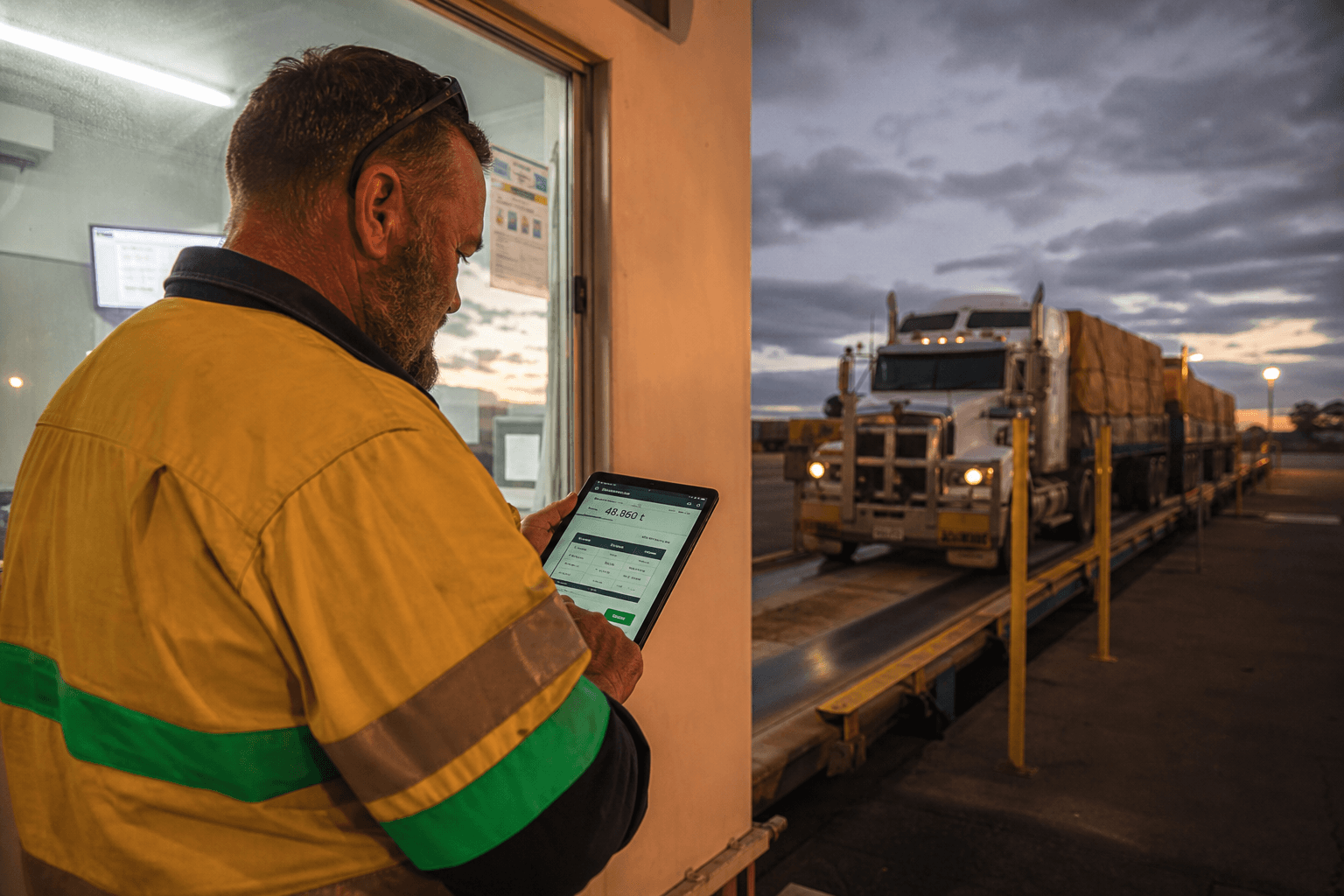
AI-Powered Mass and Dimension Compliance for Heavy Vehicles
Mass and dimension breaches remain a common source of fines and Chain of Responsibility exposure for Australian heavy vehicle operators. Here's how combining weighbridge, telematics and load data with AI can flag issues before dispatch, not after an intercept.