Insights
AI, logistics, and digital transformation for Australian operators.
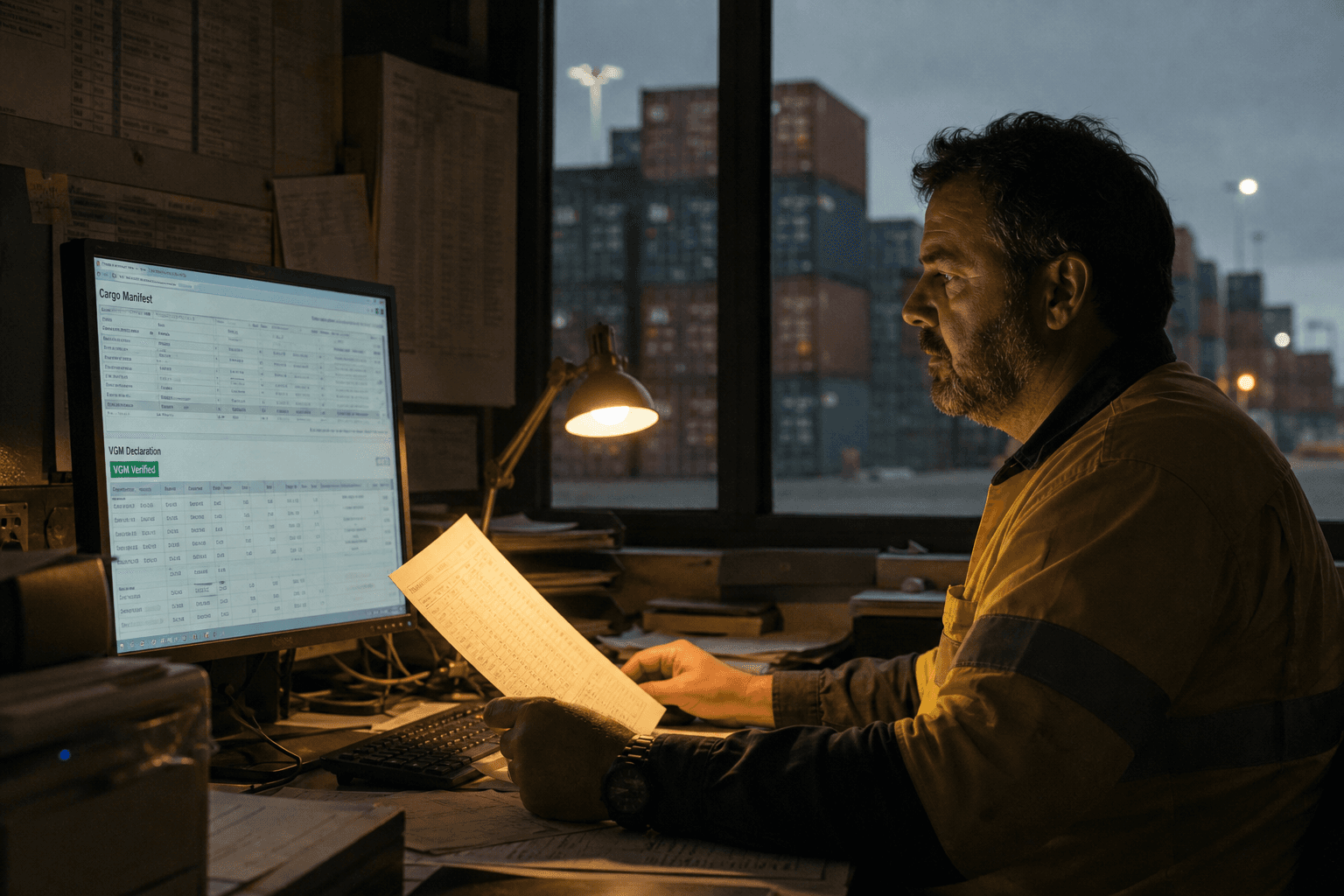
AI-Assisted VGM and Cargo Manifest Checks for Ports
Verified Gross Mass declarations and cargo manifests are governed by strict rules, but most discrepancies come from manual, fragmented processes rather than bad actors. This article explains what AI-assisted document intelligence actually does for VGM and manifest verification, and where it fits into existing port and freight workflows.
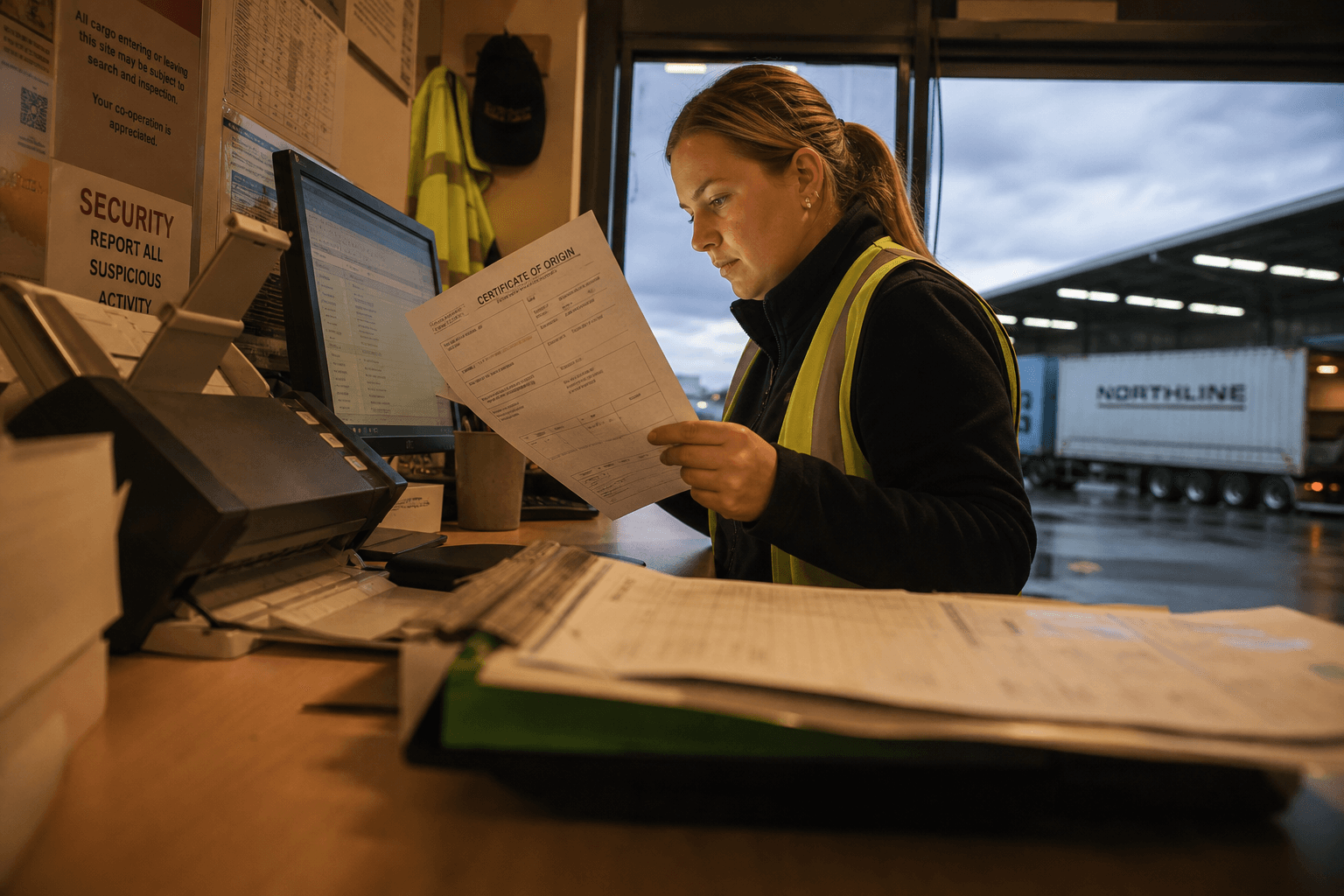
AI-Assisted Certificates of Origin for Freight Forwarders
AI-assisted document intelligence helps Australian freight forwarders cut manual re-keying and flag rules-of-origin errors before a Certificate of Origin is submitted. Here's how it works under AANZFTA, and what to check before adopting it.
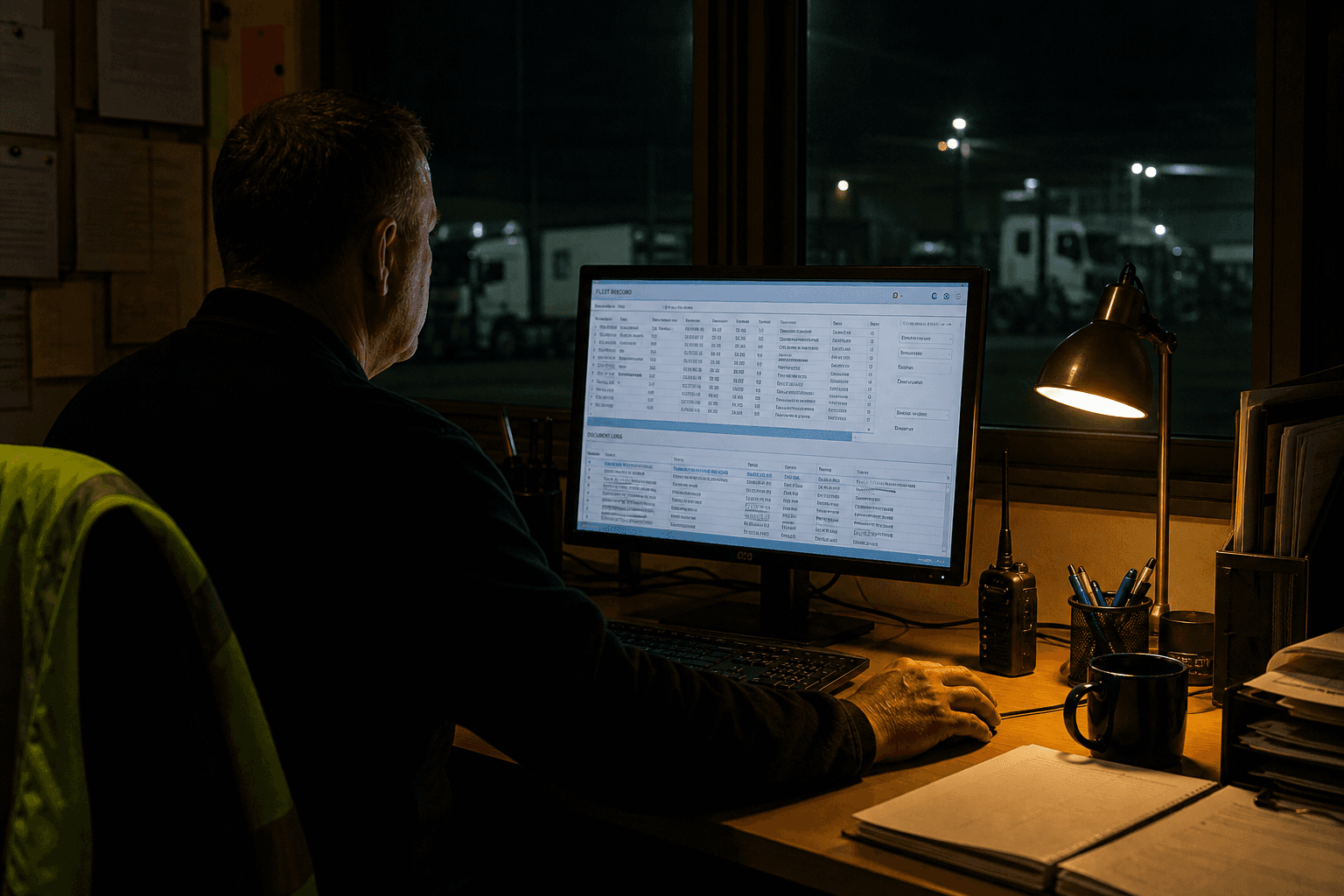
AI Record Keeping for NHVR Audit Preparation
AI-assisted record keeping helps logistics operators maintain a continuously audit-ready evidence trail for NHVR accreditation, instead of scrambling to reconstruct driver hours, maintenance logs, and mass records before an audit.

Explainable AI and Audit Trails for Logistics Decisions
Operations and finance leaders both ask the same question about AI-driven decisions: can we trust the numbers, and where's the audit trail? This guide breaks down what a real audit trail looks like for AI-generated routes, rates, and emissions figures.

NHVR Accreditation Audits: AI Record-Keeping Guide
NHVR accreditation audits depend on consistent, traceable records — and manual filing systems are where most operators get caught out. Here's how AI-assisted document capture helps operations leaders prepare.
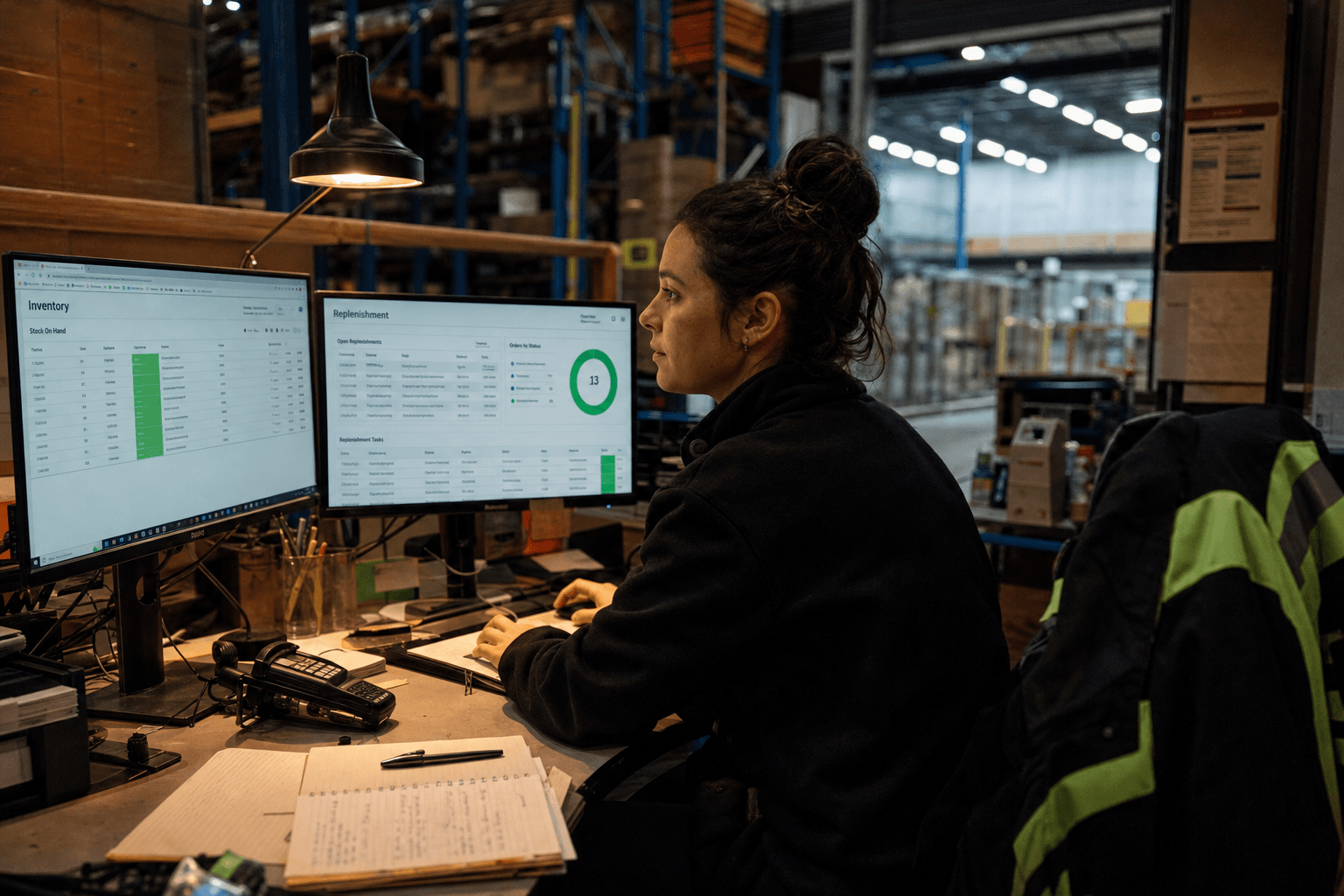
AI-Powered Vendor Managed Inventory for 3PL-Retailer Deals
AI-powered vendor managed inventory lets 3PLs forecast retail demand and automate replenishment instead of relying on manual reorder cycles. This piece looks at what's needed to build it — and why most 3PL tech vendors in Australia haven't gotten there yet.
ISO 28000 Supply Chain Security & AI Risk Monitoring
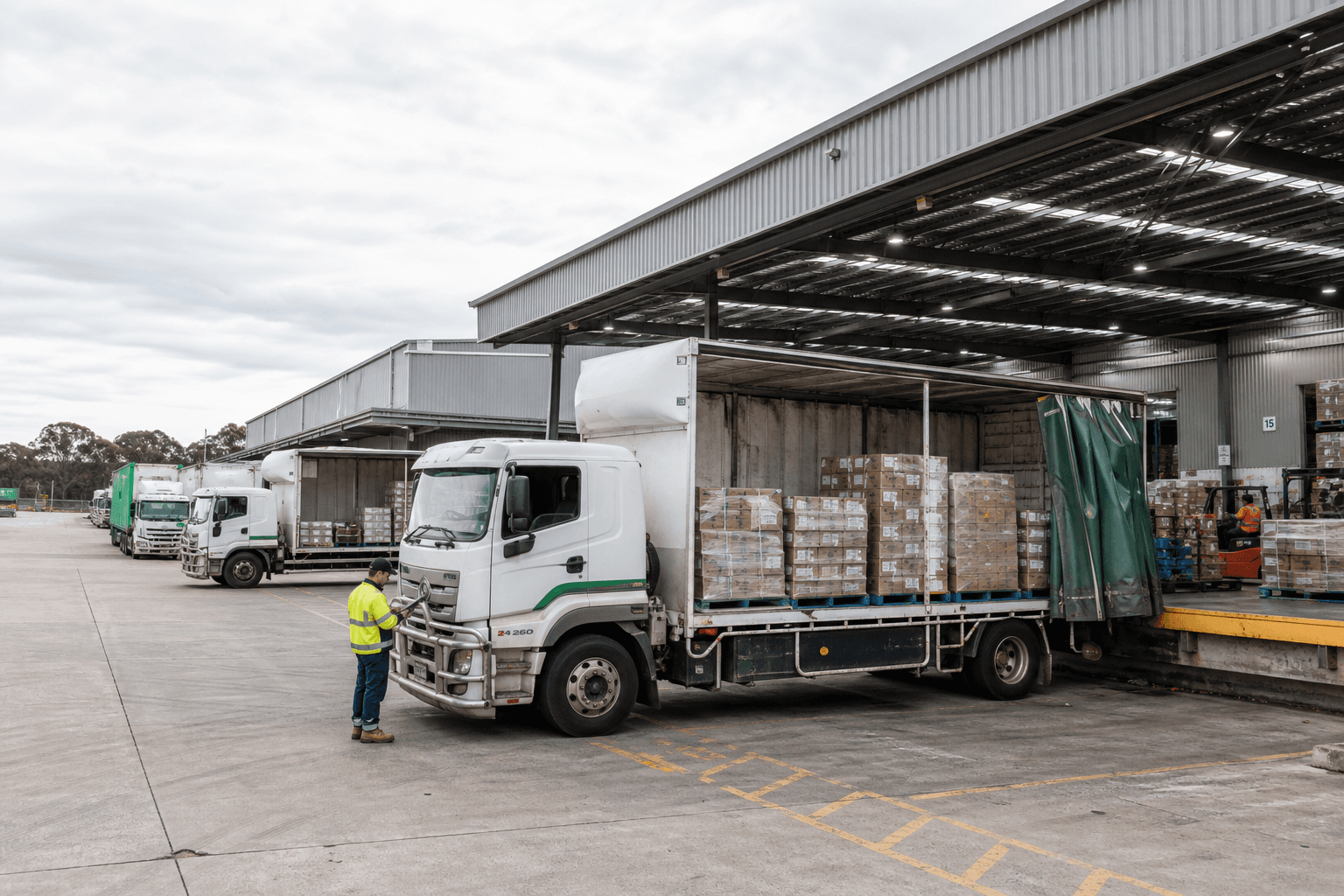
ISO 28000 is the international security management standard increasingly required in freight tenders, and AI-assisted monitoring can strengthen — but never replace — the governance it demands. Here's what mid-market carriers and 3PLs need to know before investing.
Spam Act & Privacy Compliant AI Notifications for 3PLs
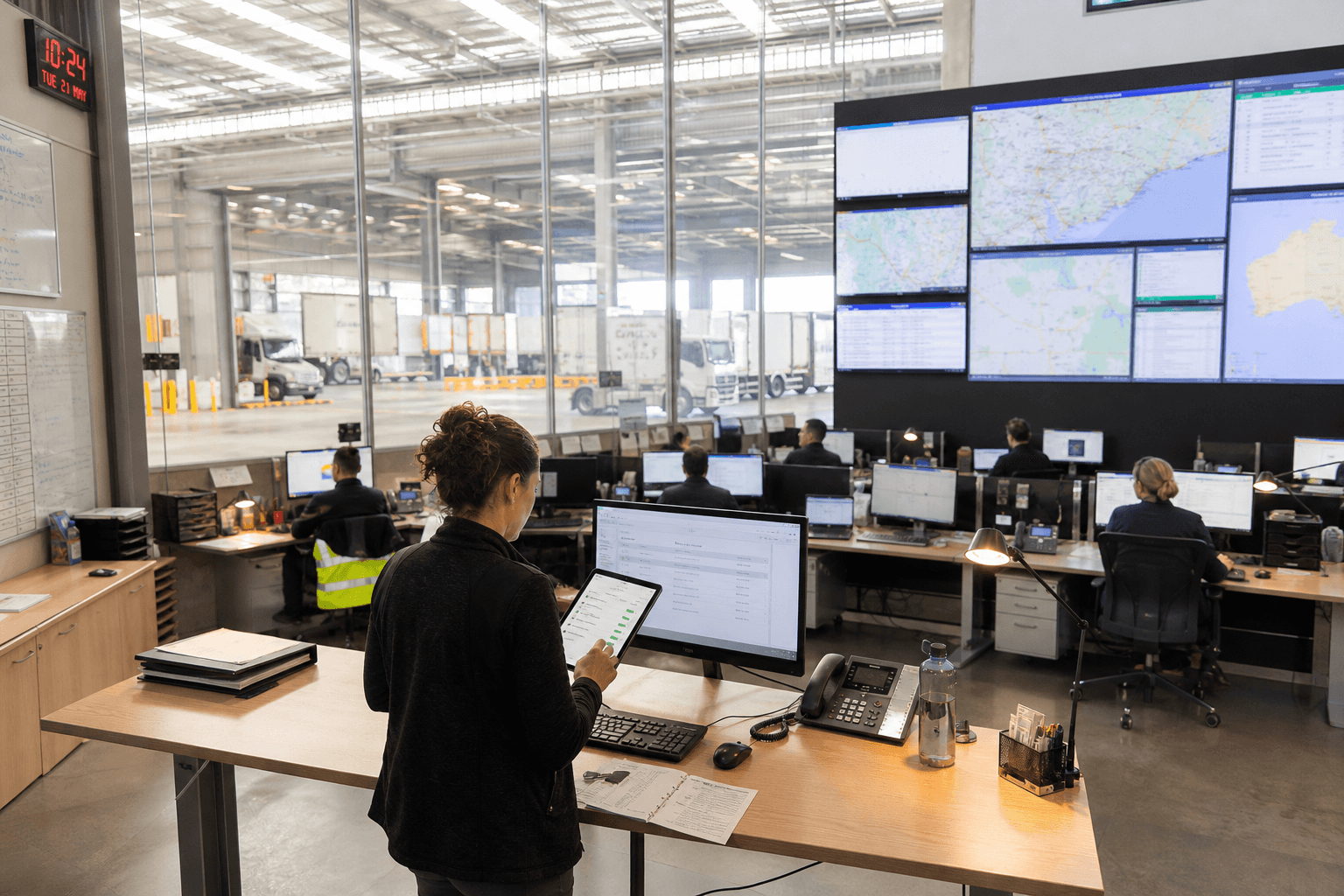
Compliant AI-personalised freight notifications hinge on one distinction: transactional versus promotional content. This guide explains what the Spam Act 2003 and Privacy Act 1988 require before 3PLs roll out AI-driven SMS and email updates.
AI-Driven Warehouse Footprint Planning for Growing 3PLs
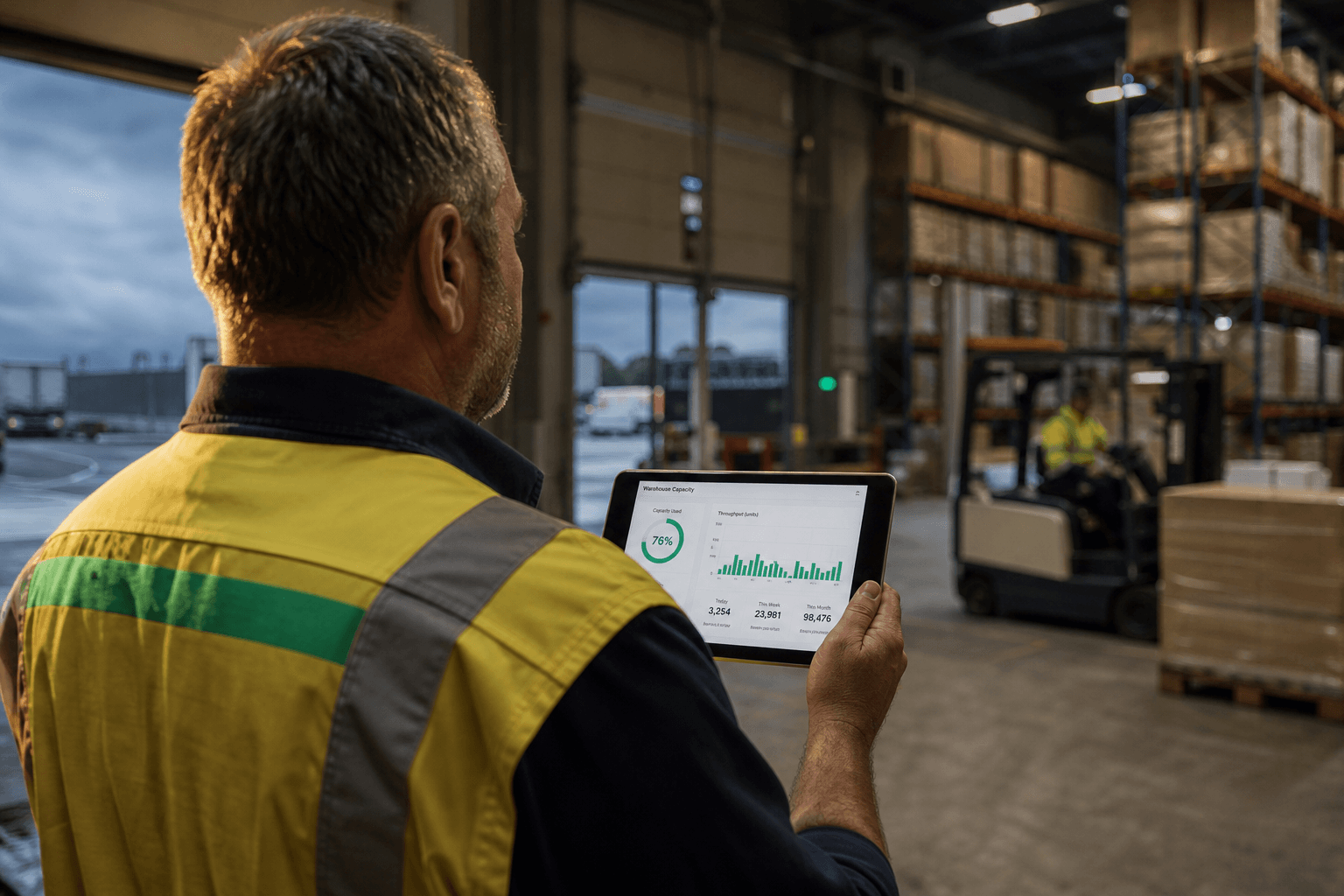
Growing 3PLs often don't realise they're out of warehouse capacity until service levels slip and lease renegotiation becomes urgent. This article looks at how AI-driven throughput and utilisation forecasting gives operators the visibility to decide — ahead of time — when to expand, consolidate, or renegotiate.