Insights
AI, logistics, and digital transformation for Australian operators.
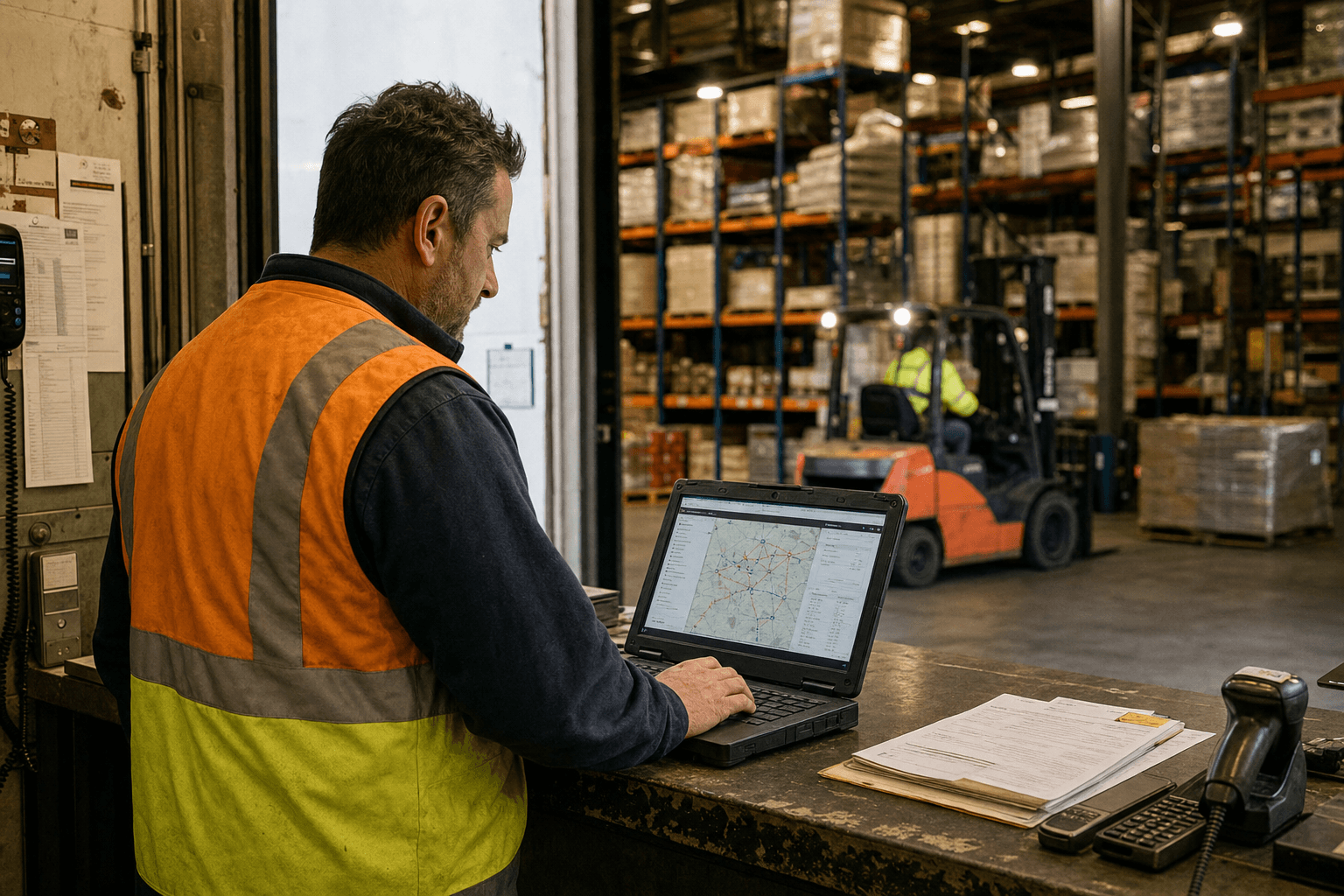
Supply Chain Digital Transformation: A Melbourne Logistics Roadmap
Melbourne logistics operators face real pressure to modernise — from customer demands for real-time visibility to looming emissions reporting obligations. This roadmap covers how to build a practical digital transformation strategy without blowing your budget or disrupting day-to-day operations.
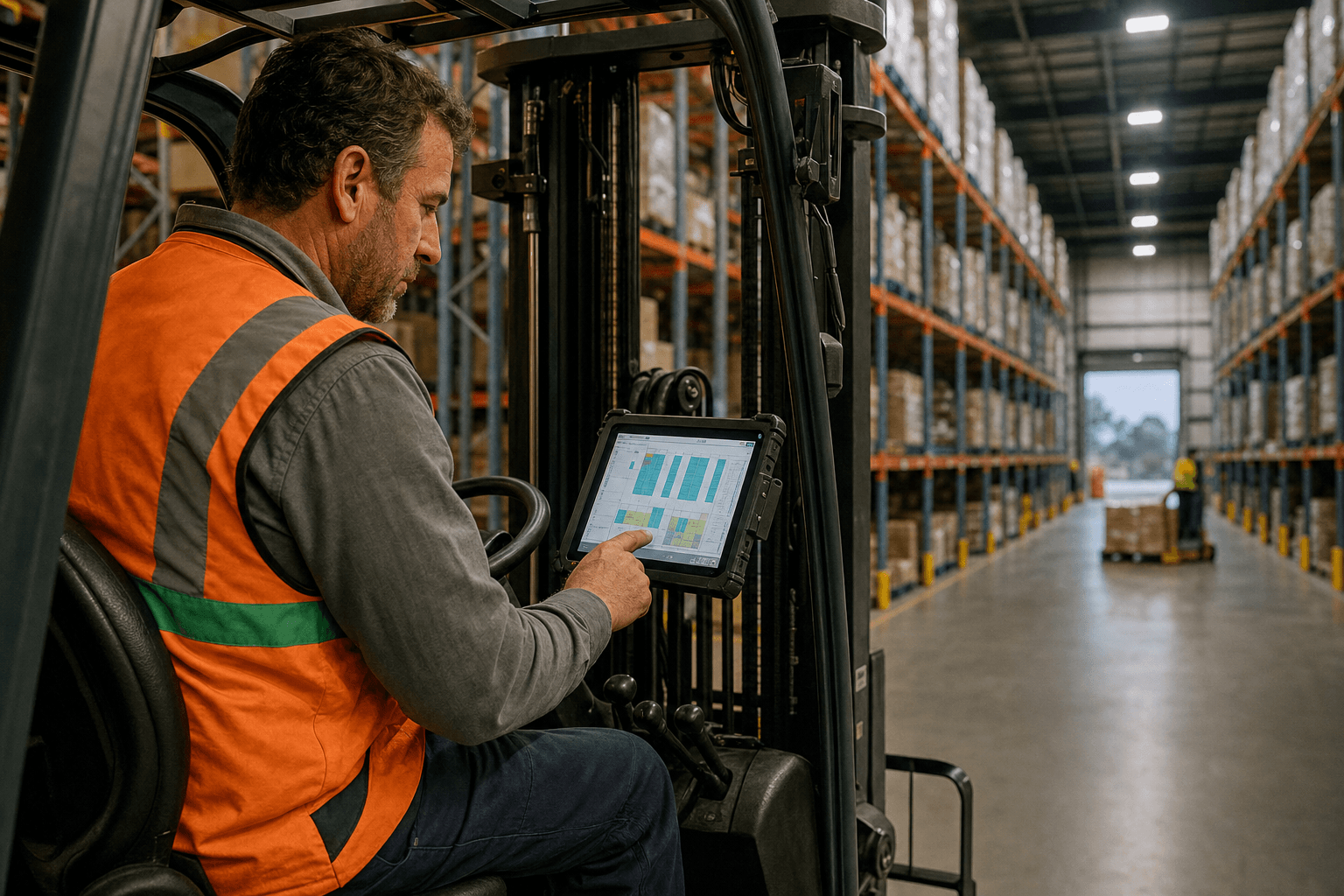
Warehouse Automation AI: A Guide for Australian Distribution Centres
Implementing AI-driven warehouse automation in a 10,000+ sqm facility involves more than buying new software. This guide walks mid-market Australian operators through inventory optimisation, pick path planning, demand forecasting, and WMS integration — step by step.

Freight Cost Reduction Through AI: An Australian Carrier Guide
AI is helping Australian carriers cut freight costs by tackling the problems that matter most: empty kilometres, fuel waste, and manual planning overhead. This guide covers practical implementation across route optimisation, load consolidation, fuel management, and driver efficiency — without the hype.
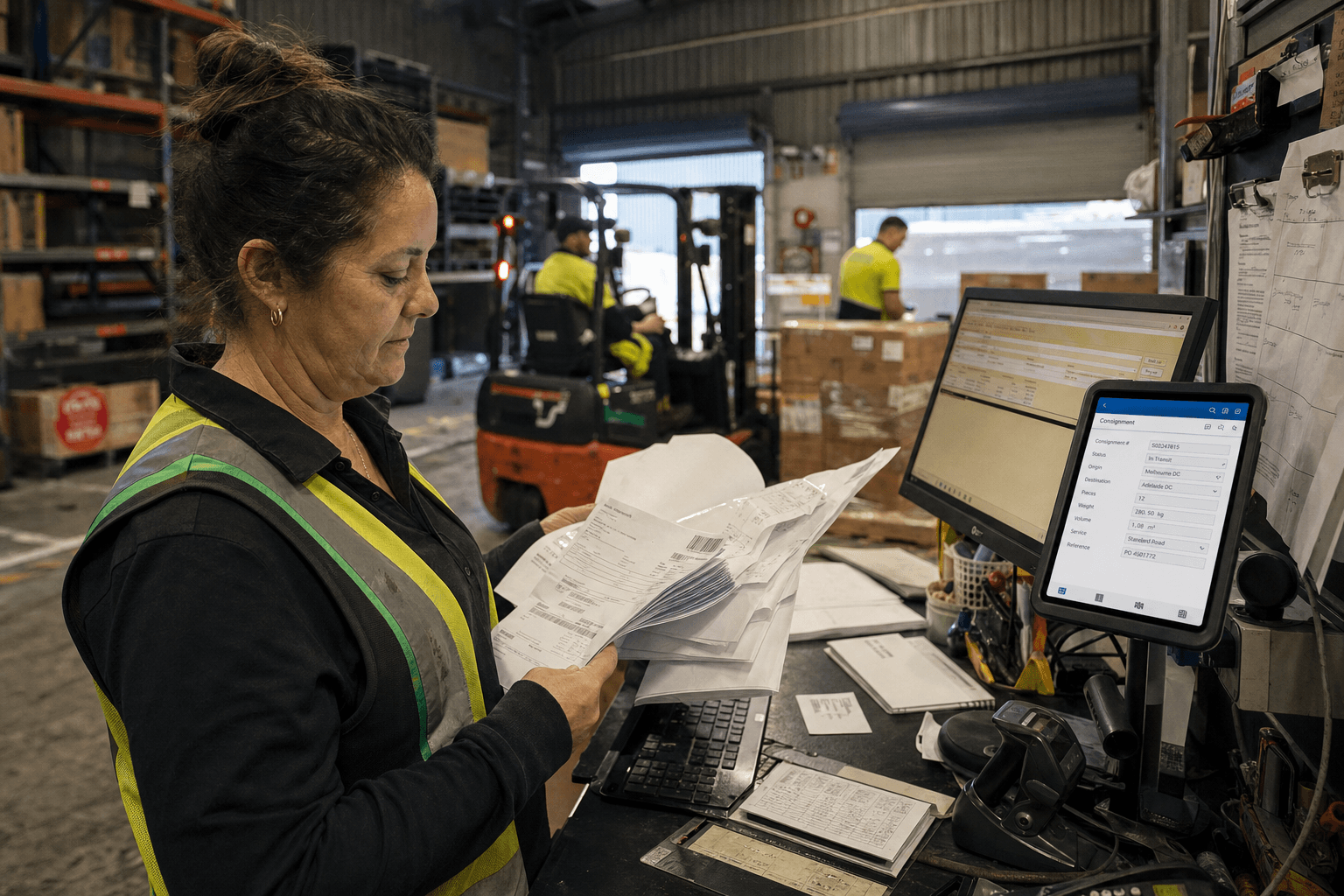
Document Intelligence for Australian Logistics Operations
Document intelligence uses AI to automatically extract and validate data from BOLs, PODs, freight invoices, and customs documents — eliminating manual data entry and reducing compliance risk. This guide covers how Australian logistics operators can implement it, what Australian regulatory requirements apply, and how to build an ROI case using your own operational data.
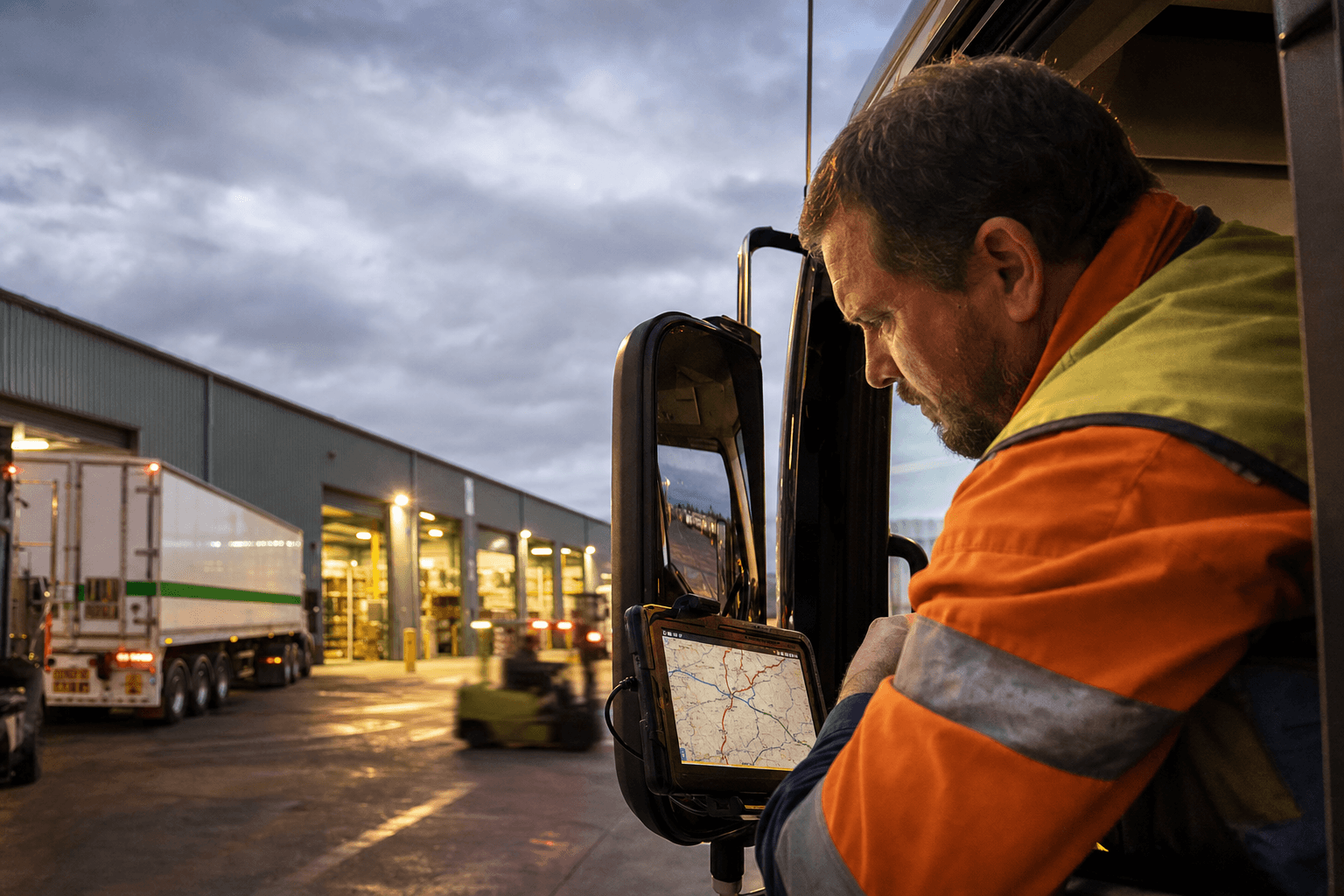
AI Route Optimisation for Australian Freight Operations
AI route optimisation helps Australian freight operators reduce fuel costs, improve delivery times, and maintain NHVR compliance across urban and regional networks. Modern systems process real-time data to generate optimal routes that traditional planning methods cannot match.
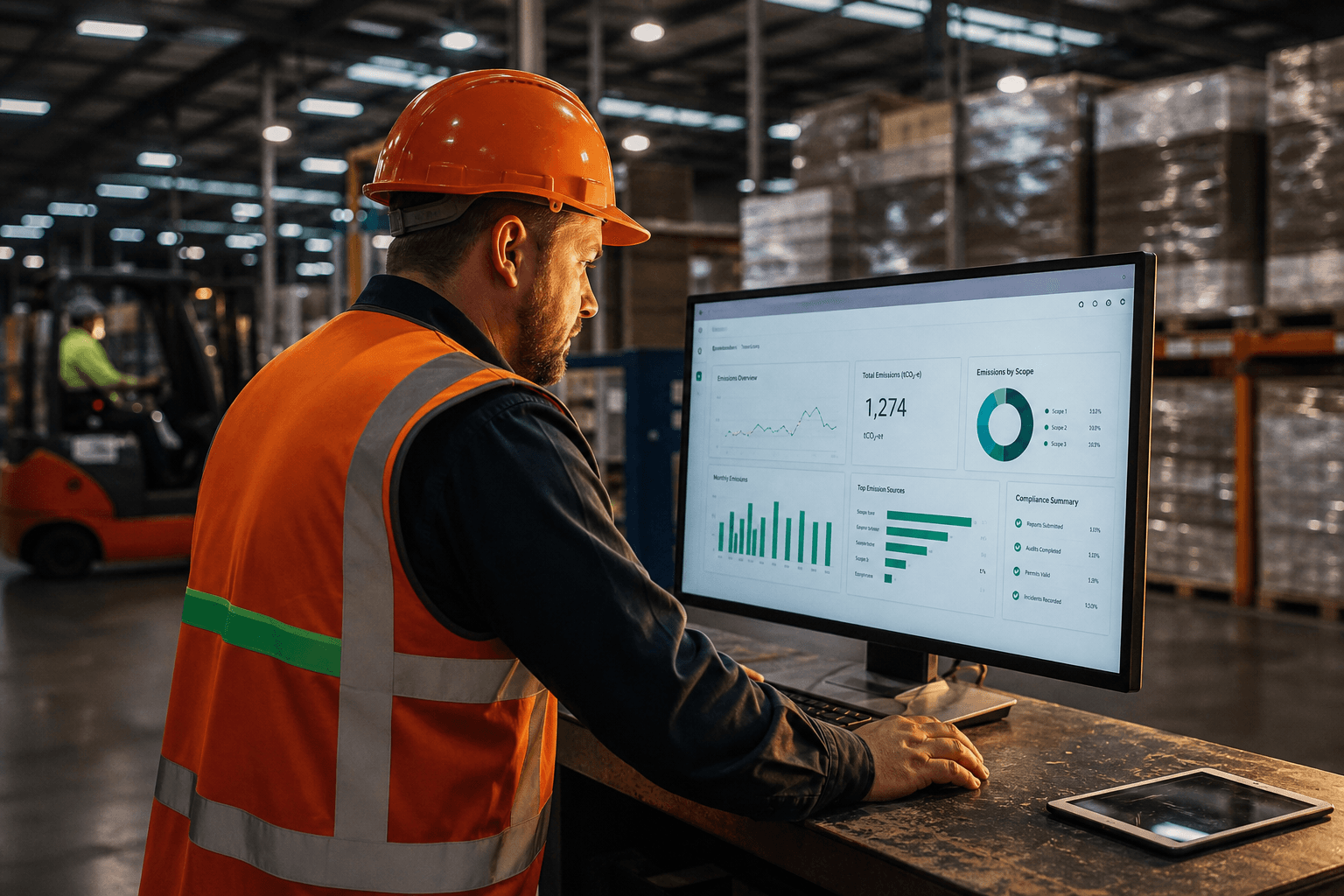
Logistics Emissions Reporting Software: Australian Compliance Guide
A comprehensive guide to emissions reporting software for Australian logistics operations. Covers NGER compliance, AASB S2 requirements, and implementation considerations for freight and warehousing businesses.

Scope 3 Emissions Tracking for Australian Logistics: AASB S2 Guide
Australian logistics operators face complex Scope 3 emissions tracking requirements under AASB S2. This comprehensive guide covers calculation methodologies, software requirements, and practical implementation steps for regulatory compliance.
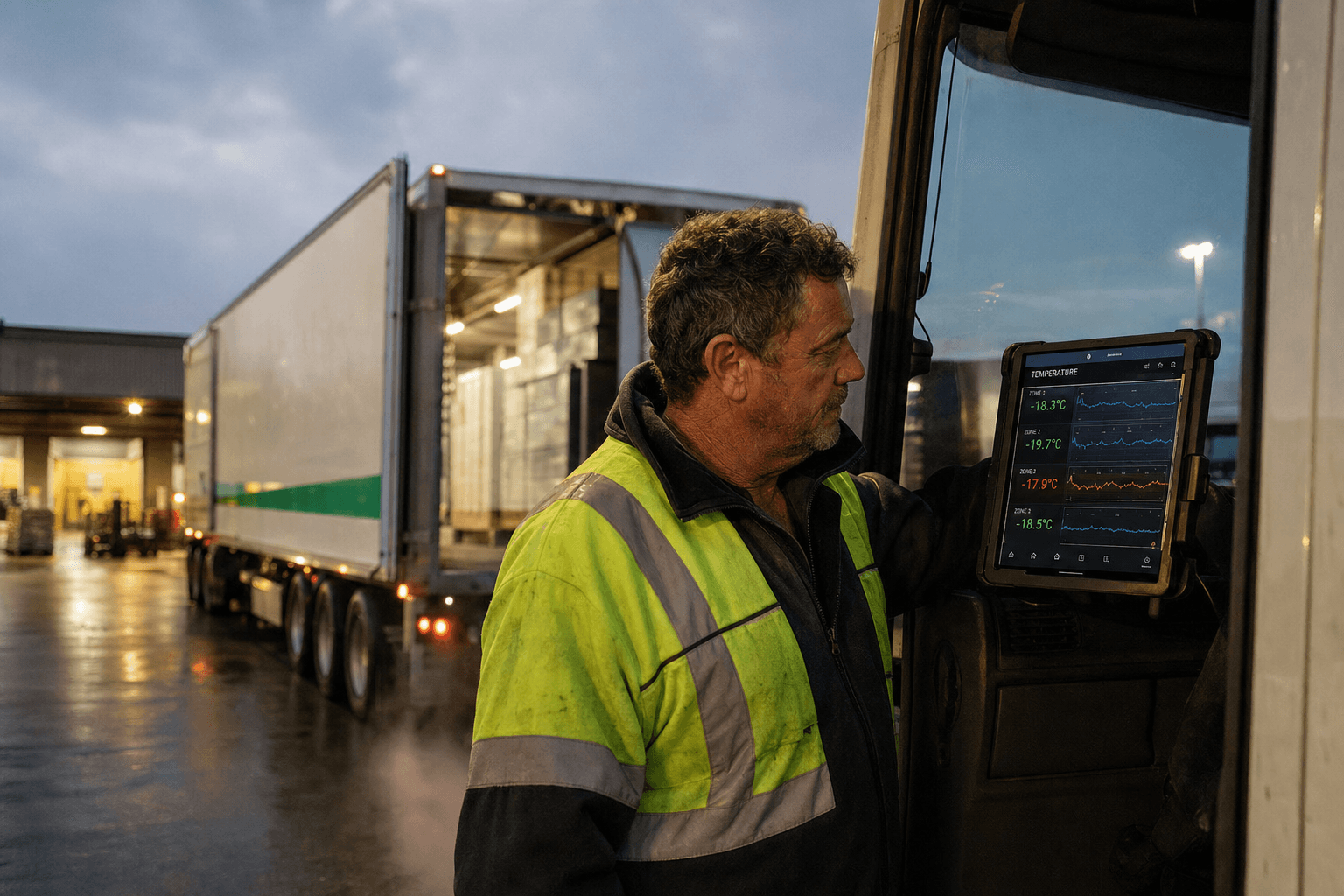
Edge Computing and IoT Architecture for Cold Chain Logistics
Edge computing and IoT architecture enables local processing of temperature data, immediate alerts, and reliable cold chain monitoring even during connectivity gaps common on Australian regional routes.
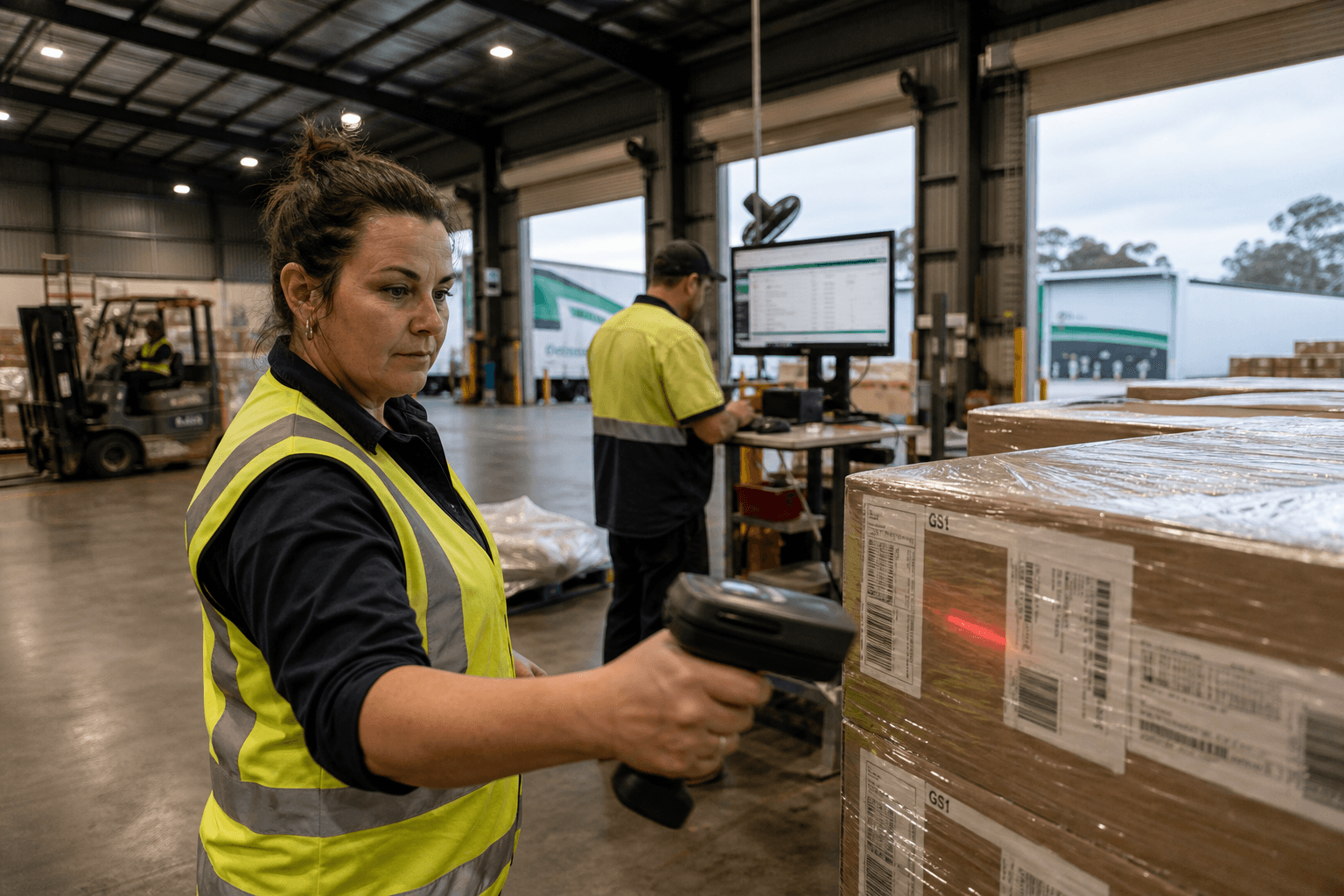
GS1 Standards and Freight Visibility: Building Interoperable Chains
GS1 standards enable seamless freight visibility across supply chain partners through standardised identification, data capture, and information sharing protocols. Australian logistics operators implementing these standards gain competitive advantages in customer service and operational efficiency.