AI-Powered SLA Reporting for 3PL Customer Contracts
AI-powered SLA reporting automates the compilation of contracted performance metrics by pulling data straight from your TMS, WMS, and telematics systems — eliminating the manual spreadsheet reconciliation most 3PLs still rely on. Here's what it actually automates, and what needs to be in place first.
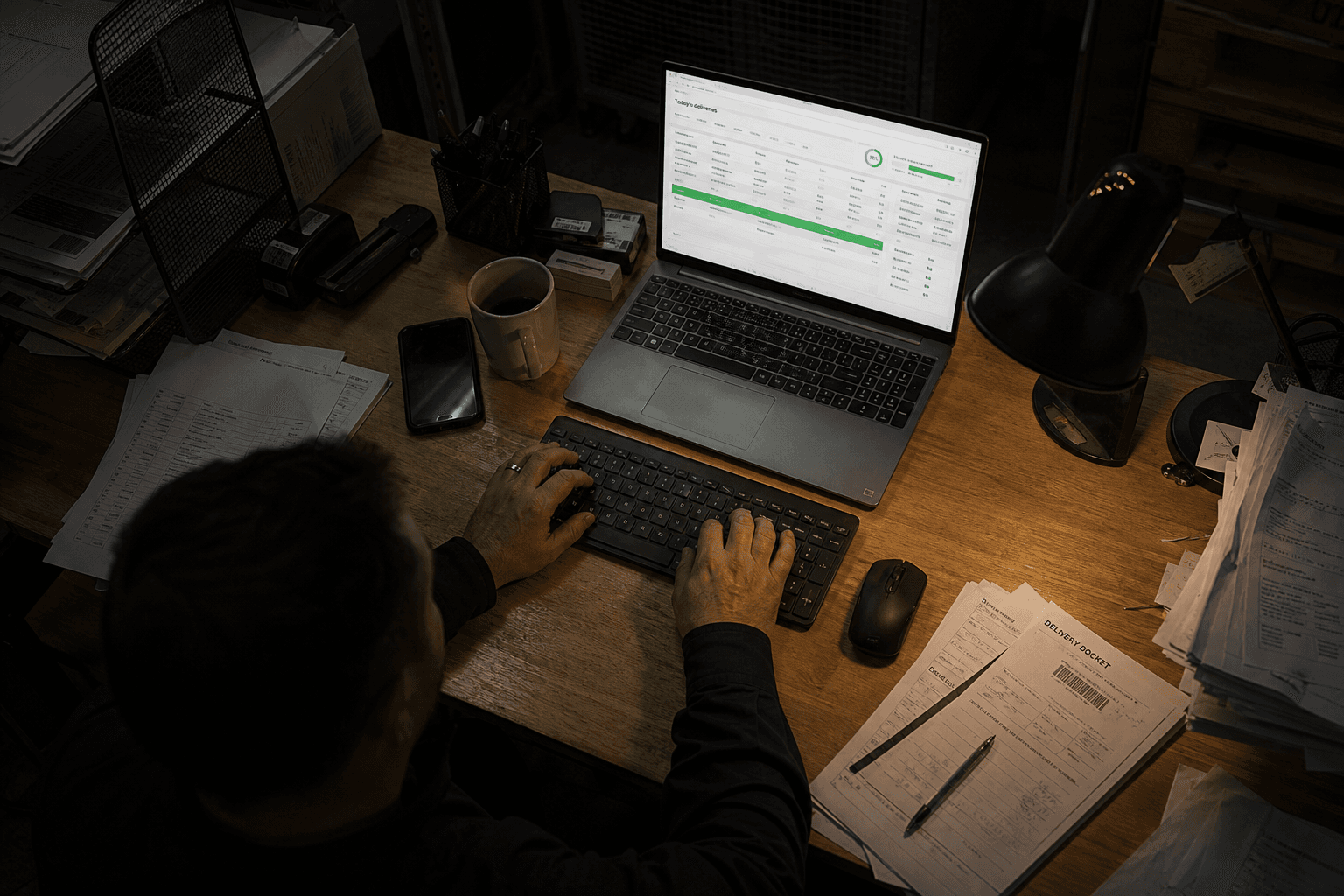
AI-powered SLA reporting automates the compilation of contracted performance metrics — on-time delivery, order accuracy, damage rates, response times — by pulling data directly from source systems like your TMS, WMS, telematics platform, and claims register, then reconciling it against contract terms without manual spreadsheet work. Reports that used to take an account manager days to assemble each month can instead be generated continuously, with the underlying figures traceable back to the original system records.
That's the core of it. The rest of this article covers why manual reporting breaks down, what has to be true of your data before automation works, and where this fits into a broader digital transformation for 3PLs and warehouse operators.
What Is SLA Performance Reporting in a 3PL Contract?
An SLA (service level agreement) is the set of contracted performance commitments a 3PL makes to a customer — typically covering on-time delivery, order accuracy, damage rates, and response times. SLA performance reporting is the process of measuring actual operational performance against those commitments and presenting the results to the customer, usually on a monthly or quarterly cycle.
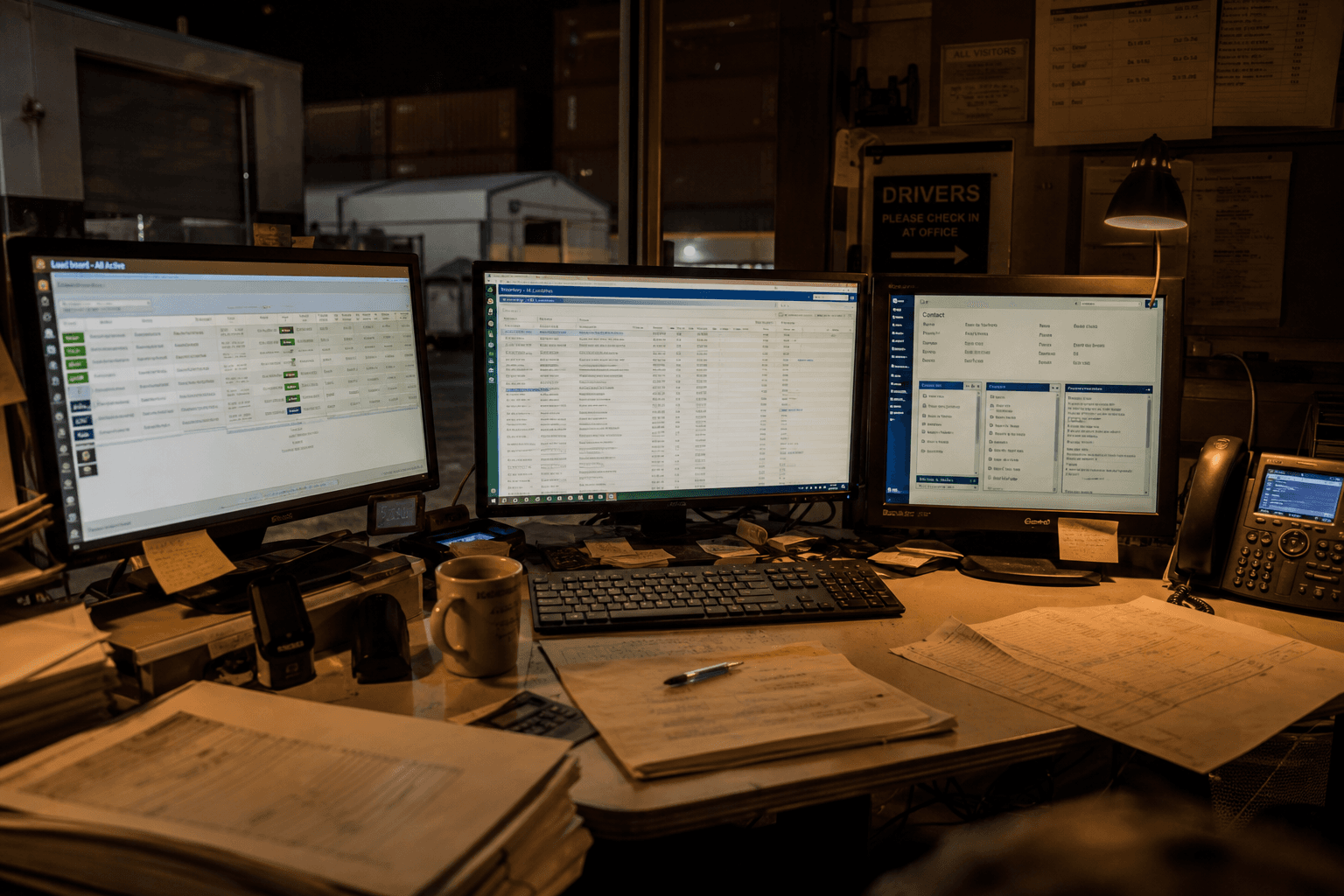
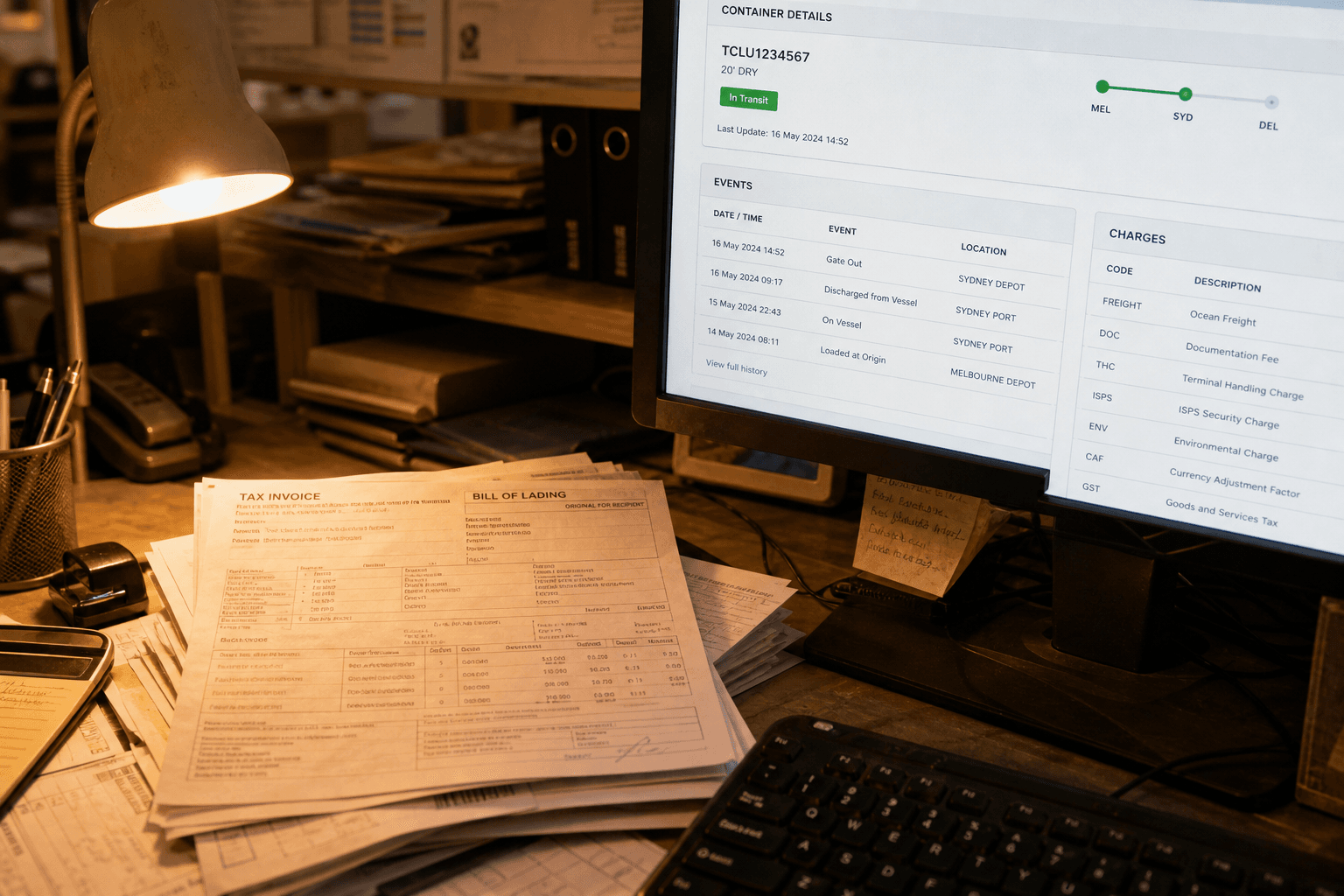
For most mid-market 3PLs in Australia, this reporting still happens the hard way: an account manager pulls data from the TMS, the WMS, a claims register, and sometimes a driver's paper BOL, then manually reconciles it all into a spreadsheet before it goes anywhere near a customer.
Why Does Manual SLA Reporting Become a Bottleneck for Account Managers?
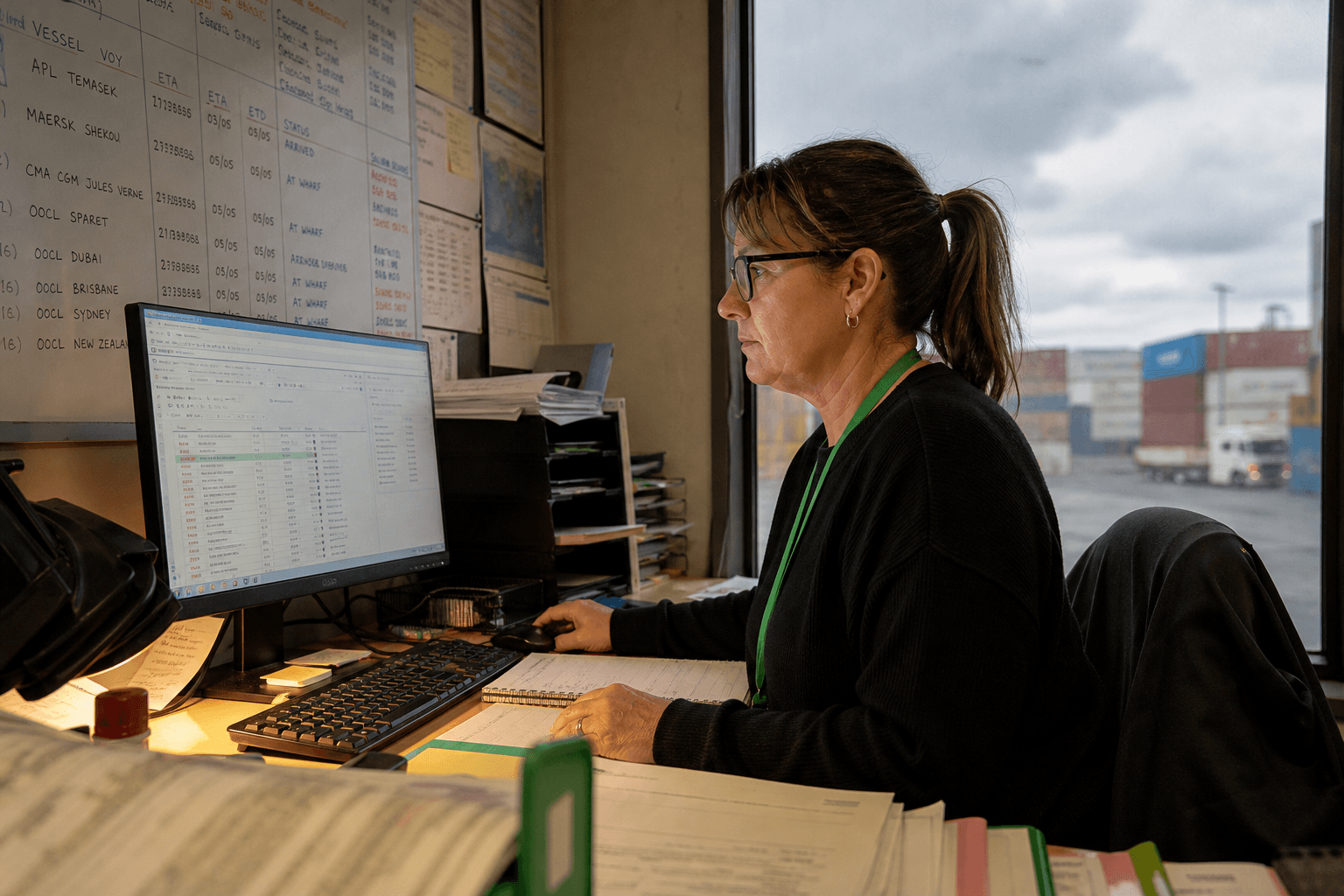
Manual SLA reporting consumes account manager time that should be spent on the customer relationship, not data entry. Every month, someone has to extract delivery timestamps, cross-reference damage incidents, chase missing exception codes, and format the whole thing into something a customer-facing report can use — often from systems that were never designed to talk to each other.

The result is a familiar pattern across road freight, 3PL/4PL, and warehousing operators: reports that are late, inconsistent between customers, and vulnerable to simple transcription errors that then become the subject of a difficult conversation when a customer disputes a figure. When a large customer requires digital capabilities like real-time tracking or EDI as a condition of keeping the contract, manual reporting processes are usually the first thing to show strain.
What Has to Be in Place Before AI Can Automate SLA Reporting?
AI can't meaningfully report on SLA performance until the underlying operational data is clean, structured, and flowing between systems without manual re-entry. This generally depends on three things being in place first: legacy TMS/WMS integration, EDI connections with customers and carriers, and a consolidated single source of operational truth that reporting tools can actually query.
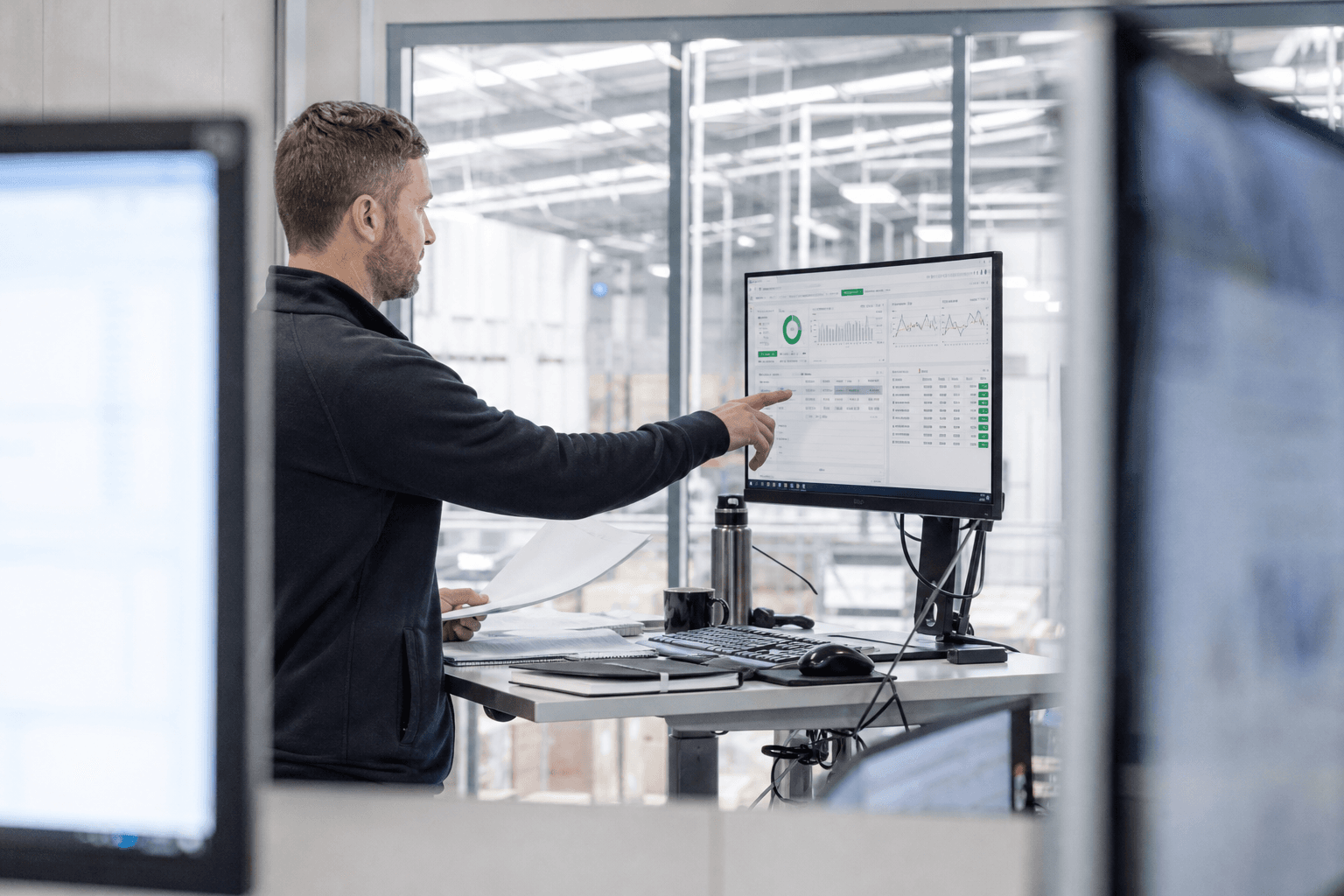
Many 3PLs have off-the-shelf TMS or WMS platforms that are five or more years old, plus a scatter of spreadsheets filling the gaps. That's a workable starting point, but it means the first step toward automated SLA reporting usually isn't buying an AI tool — it's a proper assessment of what data exists, where it lives, and what needs to be consolidated before automation adds any value. This is exactly the gap an ai readiness assessment is designed to identify, and the same groundwork underpins other AI-driven logistics capabilities, from route optimisation to automated emissions reporting for AASB S2 and Scope 3 obligations.
How Does Manual Reporting Compare to AI-Assisted Reporting?
| Aspect | Manual Reporting | AI-Assisted Reporting |
|---|---|---|
| Data sources | Reconciled by hand across TMS, WMS, claims logs | Pulled automatically from integrated systems |
| Turnaround time | Dependent on account manager availability | Continuous or on-demand |
| Consistency across customers | Varies by who compiles the report | Standardised against contract terms |
| Error risk | Higher, due to manual transcription | Lower, where source data is accurate |
| Audit trail | Often informal (spreadsheet history) | Traceable to source system records |
| Account manager time | Significant monthly effort | Freed up for customer relationship work |
These are directional comparisons, not measured benchmarks — the actual improvement depends heavily on how clean the underlying data is before automation is introduced.
Where Does This Fit in a Broader Digital Transformation?
Automated SLA reporting is rarely a standalone project — it sits inside a wider digital transformation that includes system integration, data consolidation, and EDI connectivity. Much of the existing technology market serving 3PLs is built around packaged software and integration services rather than a bespoke, AI-led approach tailored to how a specific operator's contracts and systems actually work.
That's a reasonable path for operators who just need standard TMS/WMS connectivity. But where a 3PL has multiple customer contracts with different SLA definitions, legacy systems that don't talk to each other, and account managers still building reports in Excel, an off-the-shelf package often doesn't close the gap on its own. That's where a targeted approach — built around the specific contract terms and data realities of the business — tends to deliver more than a generic reporting module bolted onto an existing platform.
If you're weighing up where SLA reporting automation fits against other priorities like route optimisation or emissions reporting, it's worth reading more insights on how mid-market logistics operators in Australia are sequencing these projects.
If customer contracts, legacy systems, and manual reporting are creating friction in your operation, get in touch and we'll talk through what's actually achievable with the data you've got.
Zero Footprint
The Zero Footprint team — AI modernisation for Australian logistics.