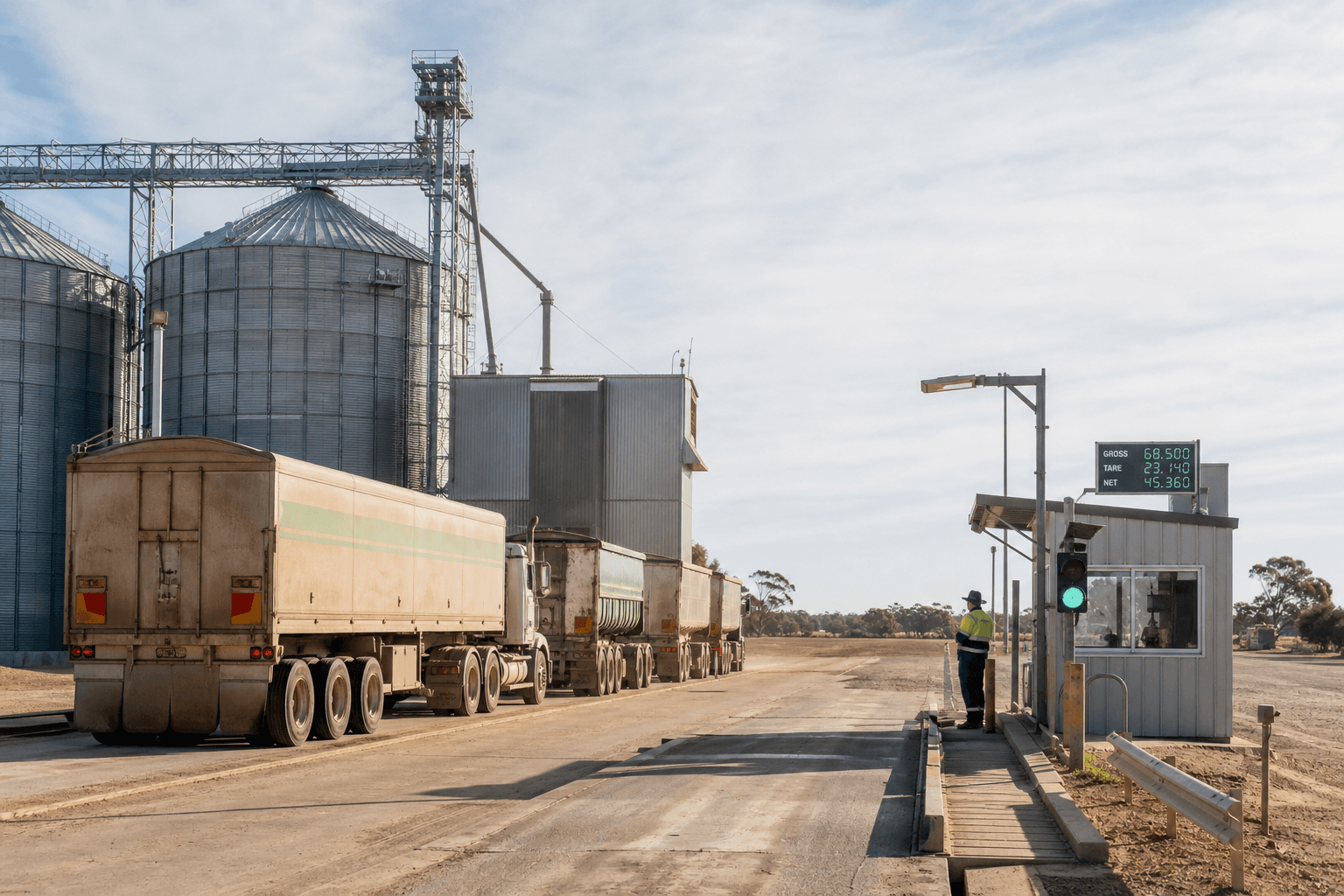
NVES Readiness: What It Means for Fleet Procurement
Australia's New Vehicle Efficiency Standard is reshaping which trucks and vans are available, when, and at what cost — making it a genuine fleet renewal trigger. Here's how operators can build NVES-ready procurement plans without guessing at compliance detail.

What Is the New Vehicle Efficiency Standard?
The New Vehicle Efficiency Standard (NVES) is a Commonwealth policy that sets CO2 emissions targets for new vehicles supplied into the Australian market, with a credit-and-penalty mechanism applied to the suppliers (manufacturers and importers) rather than to fleet operators directly. For freight and logistics businesses, NVES matters less because of direct compliance obligations and more because of what it does to the supply side: which models manufacturers prioritise, how quickly low-emission variants reach Australia, and how pricing shifts across vehicle classes.
If your business is approaching a fleet renewal cycle — ageing trucks or vans, a vendor sunsetting a model line, or a customer asking harder questions about your emissions footprint — NVES is now part of the procurement calculation, not a side issue.
Does NVES Apply to Heavy Freight Vehicles?
NVES primarily targets light vehicles — passenger cars, SUVs, and light commercial vehicles up to around 4.5 tonnes gross vehicle mass. Heavier rigid and articulated trucks sit largely outside the current scheme, though government reviews have flagged future expansion as a possibility.
This distinction matters for procurement planning. If your fleet is dominated by light commercial vehicles — vans, utes, and light rigids used in last-mile delivery, courier work, or urban distribution — NVES is already shaping what's available to you and at what price. If your fleet is predominantly heavy prime movers and rigid trucks above the threshold, the direct effect is smaller today, but manufacturer investment priorities, global model development, and dealer stock allocation are still shifting in response to the policy, which has knock-on effects for the whole vehicle range.
Because exact thresholds, targets, and penalty structures sit with the scheme's rules rather than general industry commentary, we'd recommend verifying current details directly with the Department of Infrastructure, Transport, Regional Development, Communications and the Arts, which administers NVES, before locking in procurement decisions based on compliance specifics.
How NVES Changes Truck and Van Procurement Timing
Procurement timing is now a strategic decision, not just a fleet-age trigger. Manufacturers are adjusting which models they bring to Australia and in what volume to manage their own compliance position, which means lead times, stock availability, and pricing on certain configurations can shift with little warning. Fleet owners who wait until a vehicle fails or a lease expires to start the procurement process risk being caught short on the exact spec they need.
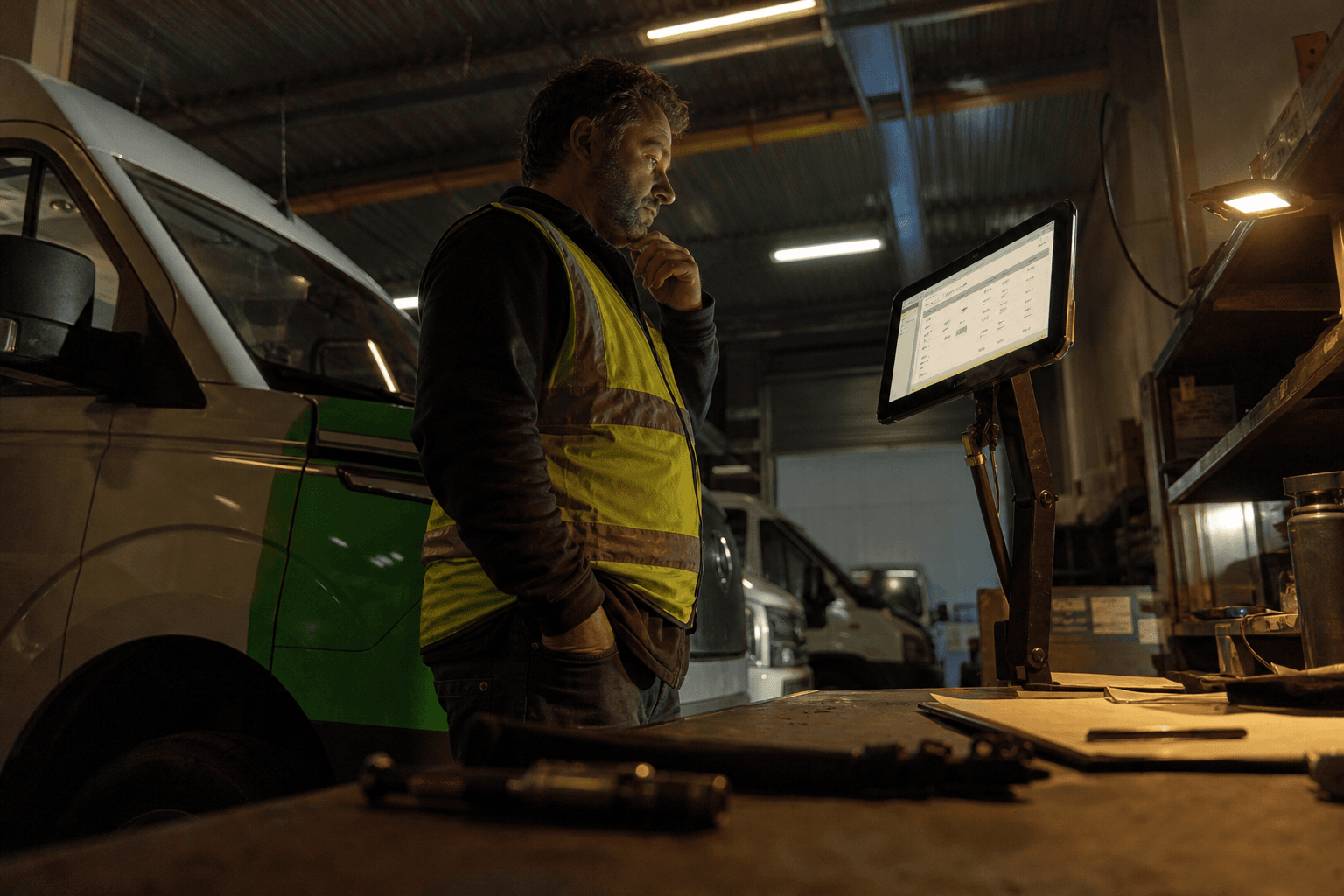
The practical response is to build a rolling fleet renewal plan that tracks model availability trends across your core vehicle classes, rather than treating each replacement as an isolated purchase. This is the same discipline that underpins a broader ai-readiness-assessment — understanding where your current systems and processes create blind spots before a forced decision arrives.
Model Availability: What to Expect from Manufacturers
Model availability is likely to become less predictable in the short term as manufacturers reweight their Australian product mix toward lower-emission variants to manage their NVES position. For fleet buyers, that can mean longer waits for certain diesel configurations, earlier-than-expected availability of hybrid or electric light commercial options, and more variation in pricing across trims that were previously close substitutes.
The sensible approach is to treat your next three to five years of fleet replacement as a portfolio decision: map which vehicle classes are most exposed to supply shifts, and build flexibility into procurement timing so you're not forced into a rushed purchase when a vehicle fails unexpectedly.
Total Cost of Ownership Considerations Beyond the Sticker Price
Total cost of ownership (TCO) is the full cost of operating a vehicle over its service life, including purchase price, fuel or energy, maintenance, residual value, and compliance-related costs. NVES adds a new variable to that calculation: resale and residual values on higher-emission vehicle classes may move as the market adjusts, and vehicles that are harder to source today could command different demand when you come to sell or trade them.
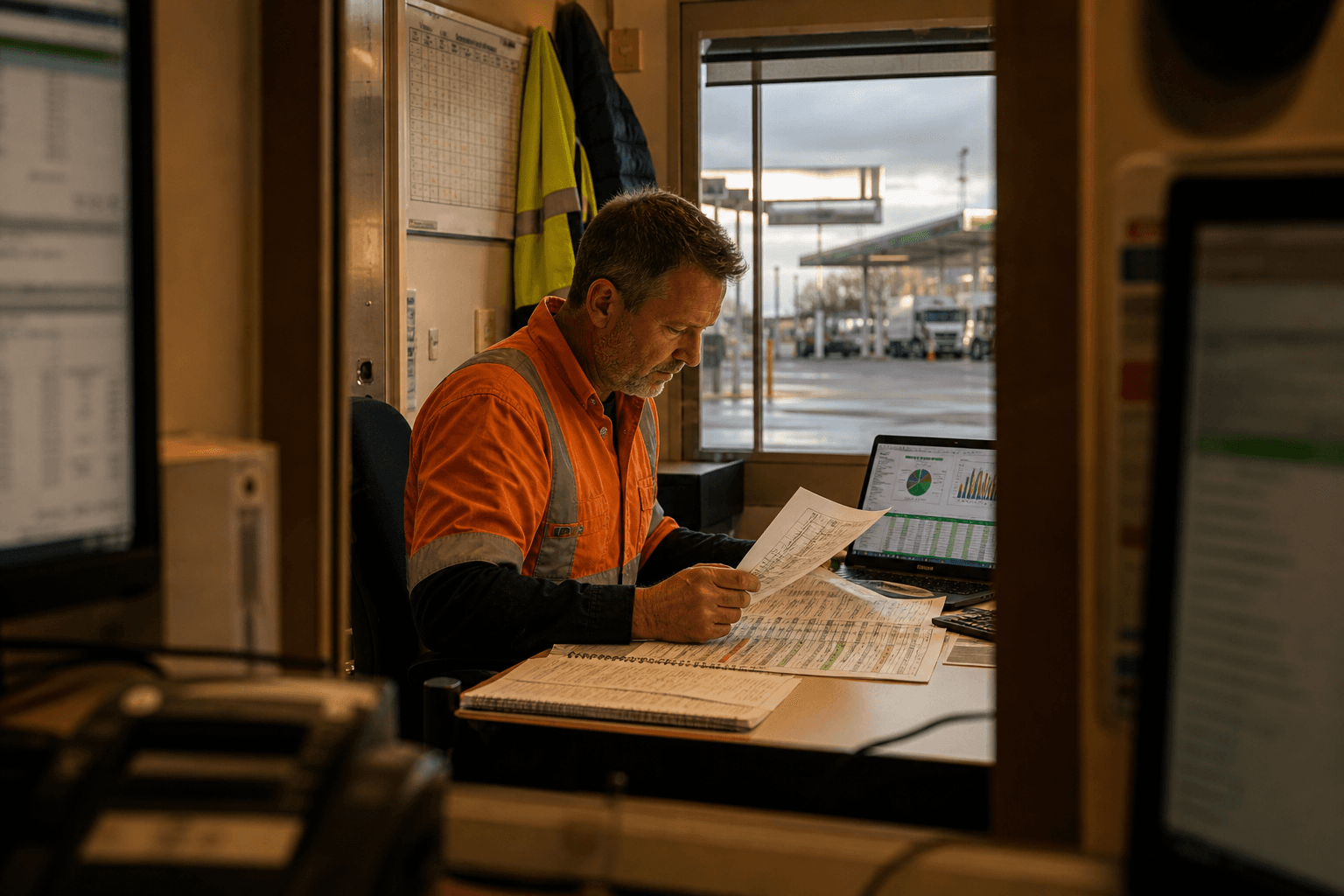
Fleet owners who have historically procured on purchase price alone will need to widen the lens. That doesn't mean every replacement has to be an EV or hybrid — it means the decision needs to account for where a given model sits in the manufacturer's compliance strategy, because that increasingly affects availability and value over the ownership period, not just the emissions output.
Reactive vs Proactive Procurement Planning
| Approach | Reactive procurement | Proactive procurement |
|---|---|---|
| Timing | Triggered by breakdown, lease expiry, or urgent need | Planned on a rolling multi-year cycle |
| Model selection | Limited to whatever is in stock at the time | Assessed against emerging supply trends |
| TCO visibility | Based on purchase price and past experience | Includes residual value and compliance exposure |
| Supplier negotiation | Weak — buyer has limited leverage under time pressure | Stronger — advance planning allows comparison and negotiation |
| Risk of mismatch | Higher — may accept unsuitable spec under pressure | Lower — spec matched to operational need |
Where NVES Intersects with AASB S2 and Scope 3 Reporting
NVES sits alongside — but is distinct from — Australia's mandatory climate-related financial disclosure regime under AASB S2, which requires larger entities to report on climate risks and emissions, including Scope 3 emissions from transport and logistics activities. For logistics operators that fall within AASB S2's scope, fleet composition data (fuel type, emissions intensity, vehicle age) feeds directly into those disclosures, and the AASB has established a Knowledge Hub and Implementation Advisory Panel to support affected organisations.
Fleet renewal decisions shaped by NVES-driven model availability will therefore also show up in your emissions reporting obligations. If your business is building toward AASB S2 or tracking Scope 3 emissions across your transport operations, it's worth connecting fleet procurement planning with your emissions-reporting process rather than running them separately. Separately, programs such as ARENA's funding for EV transition and vehicle-to-grid projects are expanding the options available to fleets considering electrification as part of their renewal strategy.
How to Build an NVES-Ready Procurement Plan
An NVES-ready procurement plan starts with an honest inventory of your current fleet — age, vehicle class, emissions profile, and expected replacement windows — mapped against known and anticipated shifts in model availability. From there, the plan should flag which replacements are time-critical, which can flex by twelve to eighteen months, and which represent a genuine opportunity to reconsider vehicle class or fuel type.
Practical steps include auditing current fleet composition against GVM thresholds relevant to NVES, engaging dealers early on lead times for your core models, and building procurement timing into your broader route-optimisation and network planning so vehicle changes don't disrupt service levels. For businesses managing large volumes of purchase orders, finance approvals, and compliance paperwork across a renewal cycle, document-intelligence tools can reduce the administrative load of tracking multiple vehicle orders and supplier contracts simultaneously.
When Should Fleet Owners Start Planning for NVES?
Fleet owners should start planning as soon as a renewal is on the two-to-three-year horizon, not when a vehicle is already due for replacement. Given that model availability and manufacturer compliance strategies are still evolving, building in a buffer for research, dealer engagement, and TCO comparison reduces the risk of a forced, unfavourable purchase.
For specific compliance mechanics — exact emissions targets, credit and penalty structures, and vehicle class thresholds — the Department of Infrastructure, Transport, Regional Development, Communications and the Arts is the authoritative source, and we'd always recommend checking current settings there before finalising a procurement decision.
For more on how fleet and logistics operators are navigating regulatory and technology change, see our insights.
If you're weighing up fleet renewal timing against NVES, AASB S2, or broader modernisation pressure, we can help — we work with freight and logistics operators to turn these decisions into a structured plan rather than a scramble.
Zero Footprint
The Zero Footprint team — AI modernisation for Australian logistics.