Yard Management Automation: AI for Container and Trailer Tracking
Yard management automation uses AI to track containers and trailers in real time, optimising space utilisation and reducing truck wait times. Modern systems integrate computer vision, RFID technology, and predictive algorithms to eliminate manual yard processes that create operational bottlenecks.

Yard Management Automation: AI for Container and Trailer Tracking
Yard management automation uses AI to track containers and trailers in real time, optimising space utilisation and reducing truck wait times. Modern systems integrate computer vision, RFID technology, and predictive algorithms to eliminate manual yard processes that create operational bottlenecks.
Australian logistics operators typically manage yards with spreadsheets and manual spotters, leading to misplaced assets, delayed departures, and frustrated drivers. AI-powered yard management systems address these challenges by providing real-time visibility and automated decision-making across all yard operations.
How AI Transforms Yard Operations
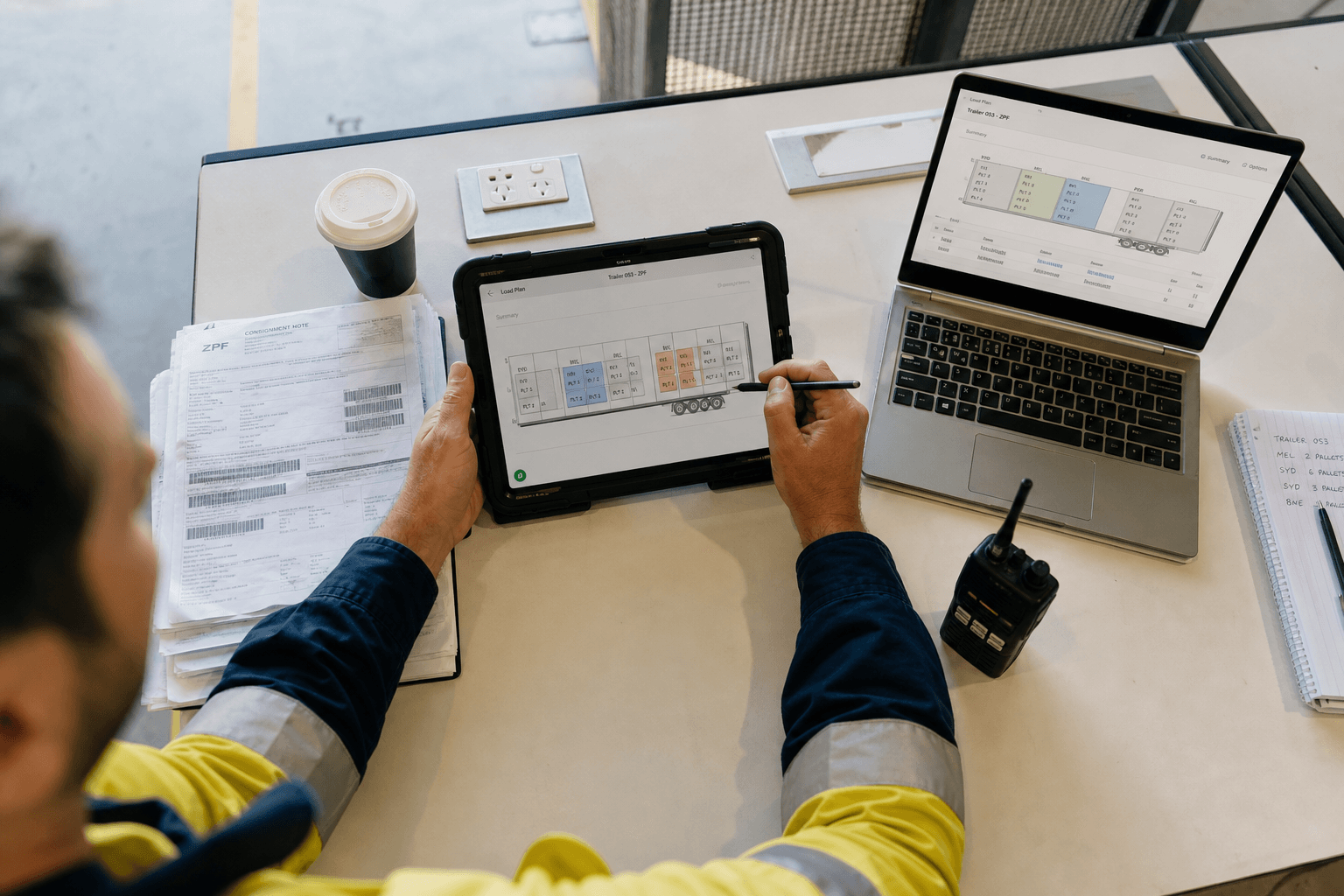
AI transforms yard operations by replacing manual tracking with automated systems that monitor every asset movement. Computer vision cameras identify containers and trailers by their ID numbers, whilst machine learning algorithms predict optimal positioning based on departure schedules and operational patterns.
These systems work continuously, updating asset locations and recommending moves to yard operators. Instead of drivers searching for containers or waiting for manual dock assignments, the system provides precise locations and optimised routing through mobile devices or in-cab displays.
Real-Time Asset Tracking
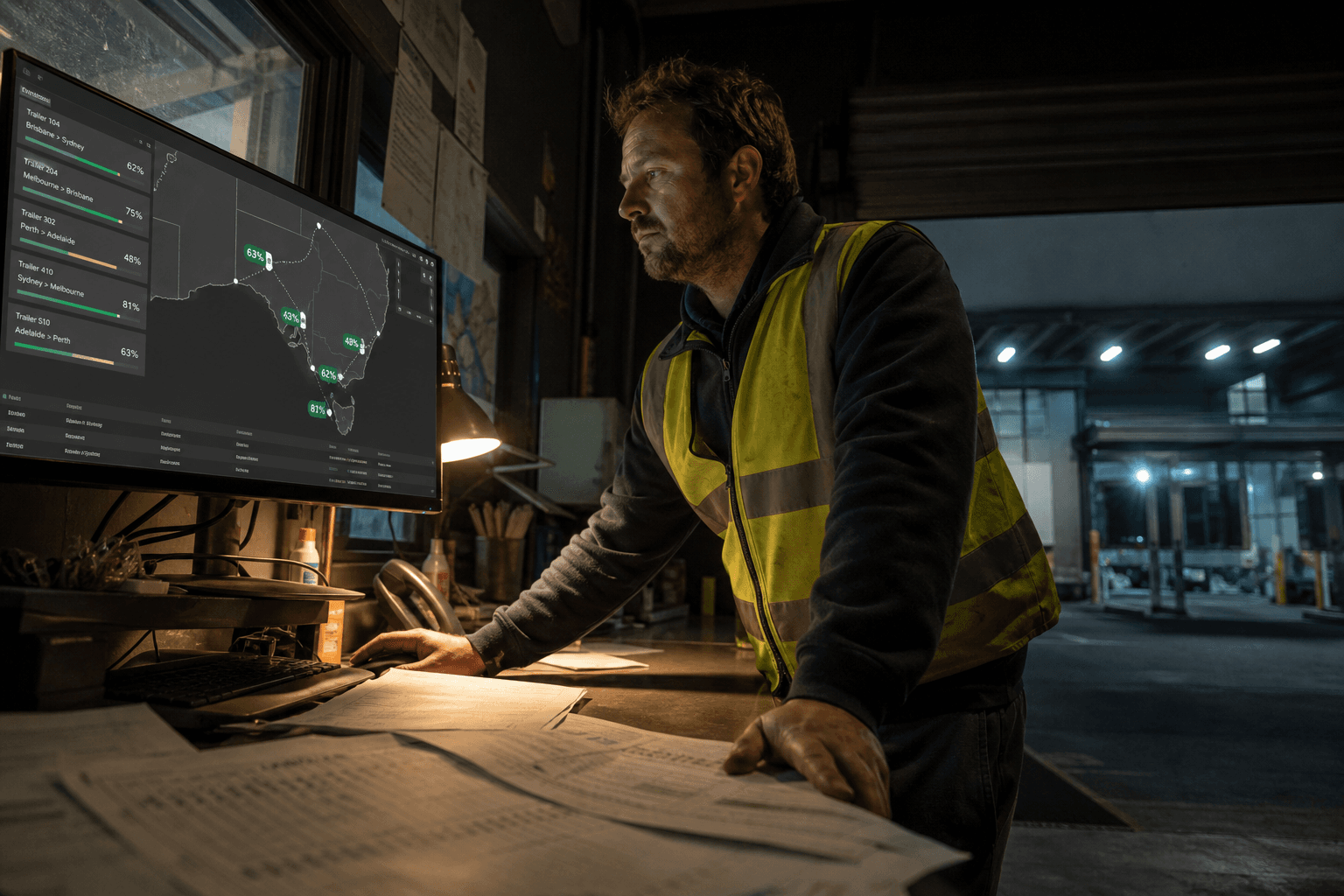
Modern yard management systems combine multiple tracking technologies for complete visibility. RFID tags provide automated gate entry/exit logging, whilst computer vision systems monitor asset movements throughout the yard. GPS tracking on mobile equipment adds another layer of operational intelligence.
This multi-technology approach ensures no container or trailer goes untracked, even when moved by different operators or equipment types. The system maintains a real-time map of all assets, updating positions automatically as equipment moves.
Computer Vision for Container Recognition
Computer vision systems automatically read container and trailer identification numbers as assets enter the yard. These AI-powered cameras work in all weather conditions, capturing clear images of ID plates, damage assessments, and seal numbers without manual intervention.

The technology eliminates data entry errors that plague manual systems whilst creating an audit trail for every asset movement. When integrated with gate management systems, computer vision provides seamless check-in/check-out processes that industry benchmarks suggest can significantly improve processing times.
Damage Detection and Documentation
Advanced computer vision systems detect container damage during gate processing, automatically flagging issues that require inspection. This capability helps logistics operators avoid disputes by documenting asset condition at yard entry and exit points.
Photographic evidence captured by AI systems provides clear documentation for insurance claims and customer billing, reducing administrative overhead whilst improving accuracy.
RFID Integration and Gate Management
RFID integration enables contactless gate management where trucks equipped with RFID tags receive automatic gate access and yard directions. The system verifies appointments, checks driver credentials, and assigns dock doors without manual gate attendant involvement.

This automation substantially reduces gate processing times whilst maintaining security protocols. RFID data also integrates with transport management systems for end-to-end shipment visibility.
Automated Appointment Scheduling
AI-powered appointment systems optimise gate capacity by spreading arrivals evenly throughout operating hours. The system considers processing times, dock availability, and operational constraints when suggesting appointment slots to carriers.
This predictive scheduling reduces peak-hour congestion whilst maximising yard utilisation during traditionally slower periods.
Real-Time Yard Optimisation Algorithms
Yard optimisation algorithms continuously analyse container positions, departure schedules, and equipment availability to recommend optimal moves. These systems consider factors like container weight, destination, and handling requirements when suggesting positioning strategies.
The algorithms work similarly to chess engines, evaluating thousands of potential moves to identify strategies that minimise handling costs whilst meeting departure deadlines. This computational approach typically outperforms manual yard planning methods.
Dock Door Assignment Automation
AI systems automatically assign dock doors based on shipment characteristics, equipment compatibility, and operational efficiency metrics. The system considers factors like container size, handling equipment requirements, and workforce scheduling when making assignments.
Automated dock assignment reduces truck waiting times by ensuring doors are prepared and available when vehicles arrive. The system also balances workload across different dock areas to prevent bottlenecks.
Dynamic Reassignment Capabilities
When operational conditions change, AI systems can dynamically reassign dock doors to maintain optimal flow. If equipment fails or unexpected delays occur, the system automatically updates assignments and notifies affected parties through integrated communication systems.
This flexibility ensures operations continue smoothly despite common disruptions that traditionally require manual replanning.
Implementation Considerations for Australian Operators
Successful yard management automation requires integration with existing warehouse management systems and transport management platforms. Australian operators need solutions that work with their current TMS and WMS investments whilst providing clear upgrade paths.
The technology must handle local operational requirements, including compliance with chain of responsibility legislation and integration with Australian customs systems for port operators. Weather resilience is particularly important given Australia's diverse climate conditions.
System Integration Requirements
Yard management automation works best when integrated with existing logistics systems. API connections with transport management systems enable seamless information flow from booking through to delivery confirmation.
Integration with warehouse management systems ensures that container arrivals trigger appropriate picking and packing workflows, whilst connections to customer portals provide real-time visibility to shipment owners.
ROI Considerations for Mid-Market Operators
Mid-market Australian logistics operators typically see returns from yard automation through reduced labour costs and improved asset utilisation. The technology eliminates manual tracking roles whilst enabling existing staff to handle higher transaction volumes.
Operators also benefit from improved customer satisfaction through reduced truck waiting times and more accurate delivery windows. These service improvements often translate into customer retention and pricing power that justify automation investments.
Cost-Benefit Analysis Framework
When evaluating yard automation, operators should consider both direct cost savings and operational improvements. Direct savings include reduced gate staffing requirements and elimination of manual tracking systems.
Operational improvements encompass faster truck turnaround times, reduced misplacement incidents, and improved space utilisation that enables higher throughput without facility expansion.
Getting Started with Yard Management AI
Implementing yard management automation requires careful assessment of current operations and technology readiness. Our AI readiness assessment helps operators understand their starting point and develop realistic implementation timelines.
The assessment covers existing system capabilities, data quality, and operational requirements to ensure automation projects deliver expected results. We also evaluate integration requirements and help operators prioritise automation initiatives based on ROI potential.
Yard management automation represents a significant opportunity for Australian logistics operators to improve efficiency and competitiveness. The technology addresses real operational challenges whilst providing platforms for future innovation.
Ready to explore yard management automation for your operation? Get in touch to discuss how AI can transform your yard operations.
Zero Footprint
The Zero Footprint team — AI modernisation for Australian logistics.